FAST SHIP
Free Shipping
209.00 USD
ON SALE! 15% OFF
Was: 249.00 USD

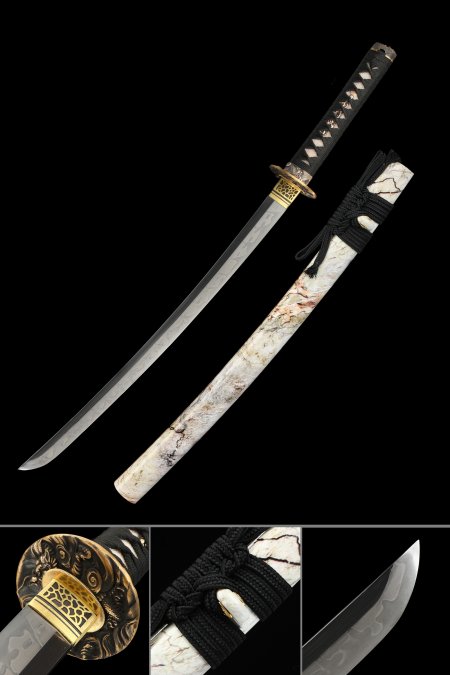
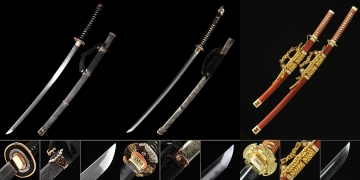
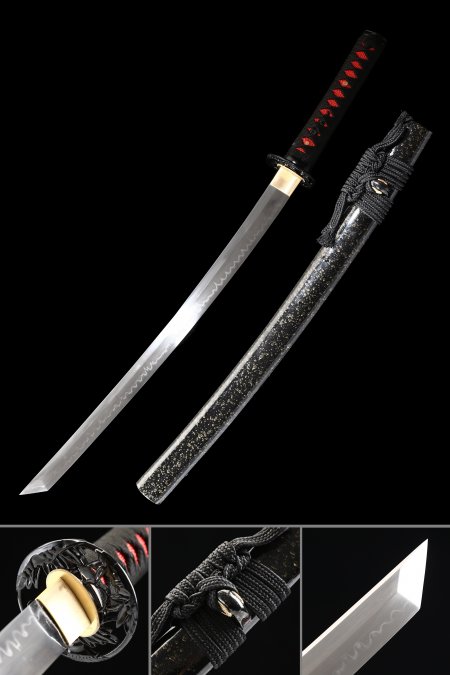
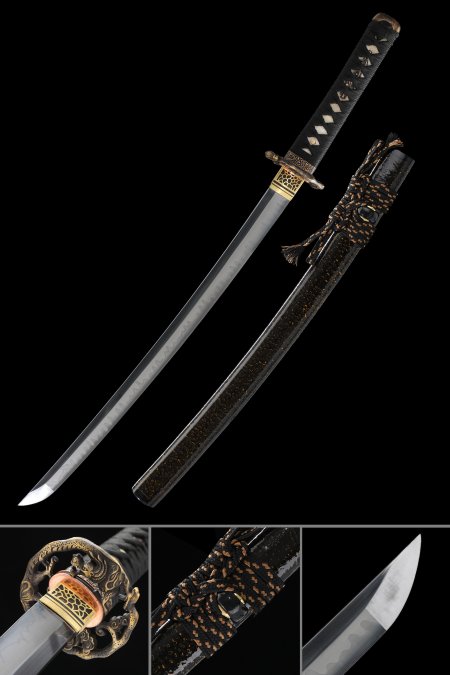
Discover our Marble T10 Carbon Steel Wakizashi collection - where traditional Japanese sword-making artistry meets the dramatic beauty of marble-pattern hardwood saya. Each piece is hand-forged from high-carbon T10 tool steel, clay tempered to develop an authentic hamon line, and assembled with full-tang construction for structural integrity worthy of serious display. From gold dragon tsuba fittings to red samegawa wrapped handles, every detail reflects genuine craftsmanship. Enjoy free shipping on your order, backed by our hassle-free return policy.
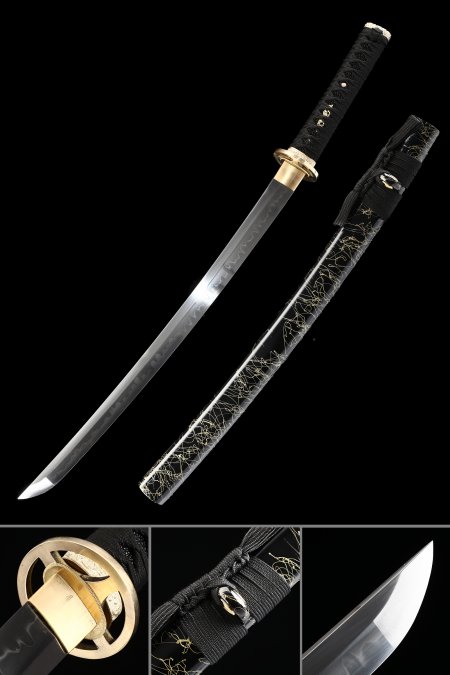
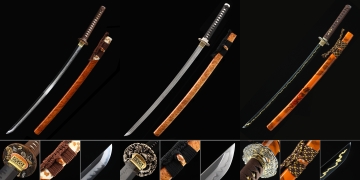
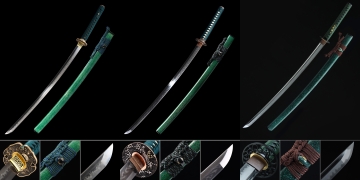
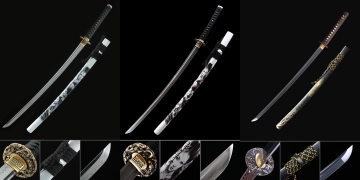
I received this is perfect condition. Super sharp and you can tell it’s just well built, I liked this specifically cause it’s hard to find the slanted tip on the blade and I think it looks super cool, It’s also hard to find swords that aren’t only decorative, my purpose for buying is decorative but I also want it to be solid and sharp because I don’t want to show off a knock off fake sword, I want to show off something that is legit and this is.
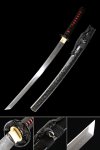 |
T10 Folded Clay Tempered Wakizashi Sword with Real Hamon in Black Gold-Flecked Saya and Red Samegawa |
T-10 Katana with the rare highly valued true katana point. Just superb. Cuts paper like a sharp razor on a soft beard. Great delivery time. No shipping. These guys should be your only source for katanas! They are the best in the business! L. Phillip
|
T10 Folded Clay Tempered Wakizashi Sword with Real Hamon in Black Gold-Flecked Saya and Red Samegawa |
Beautiful to display and r
perfectly weighted in the hand.
|
T10 Folded Clay Tempered Wakizashi Sword with Real Hamon in Black Gold-Flecked Saya and Red Samegawa |
I absolutely love the wakizashi I ordered. The quality is amazing and you feel like a superhero when you hold it. Really makes your friends envious when they see it. Will definitely buy more.
|
T10 Folded Clay Tempered Wakizashi Sword with Real Hamon in Black Gold-Flecked Saya and Red Samegawa |
The quality is immediately noticed when you take it out of the box - glossy saya with quality braided sageo . The blade handle sports a stiff sami and tight enough ito. This blade is of the construction Kamasu-Kissaki (straight edged tip), but TrueKatana do not explain this. That blade style is the reason why I purchased it, which is rare to find on the internet. I named it Zyro. I enjoy taking its tempered blade under the sun, showing its very unique Noi pattern.
|
T10 Folded Clay Tempered Wakizashi Sword with Real Hamon in Black Gold-Flecked Saya and Red Samegawa |
Beautiful sword, well made. Arrived four days earlier than expected.
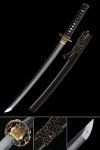 |
T10 Carbon Steel Wakizashi with Gold Dragon Tsuba in Black Hardwood Lacquer Saya |
Amazing beautiful sword, Definitely gonna buy more later down the road no cap!!💯💯 Beautiful quality
|
T10 Folded Clay Tempered Wakizashi Sword with Real Hamon in Black Gold-Flecked Saya and Red Samegawa |
The quality of these swords are outstanding with a good price! Excellent craftsmanship and it’s so cool to have them displayed with a sword stand.
|
T10 Folded Clay Tempered Wakizashi Sword with Real Hamon in Black Gold-Flecked Saya and Red Samegawa |