Free Shipping
389.00 USD

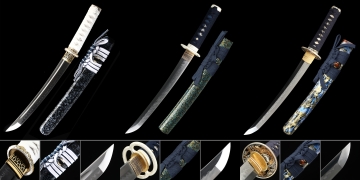
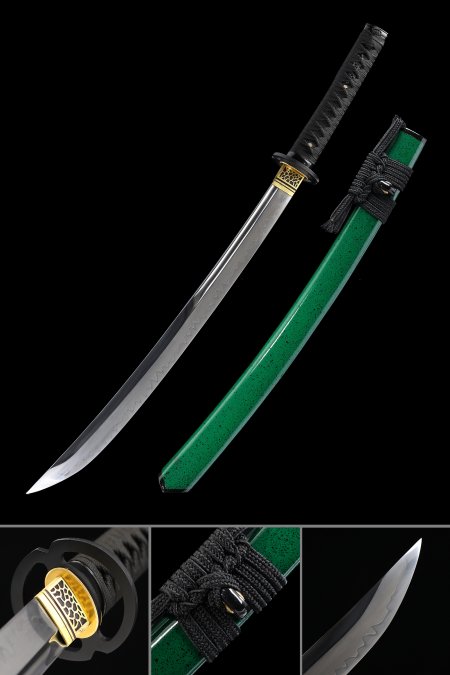
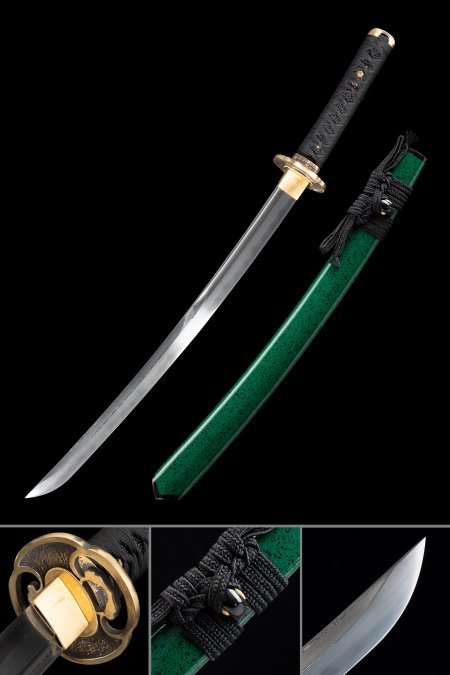
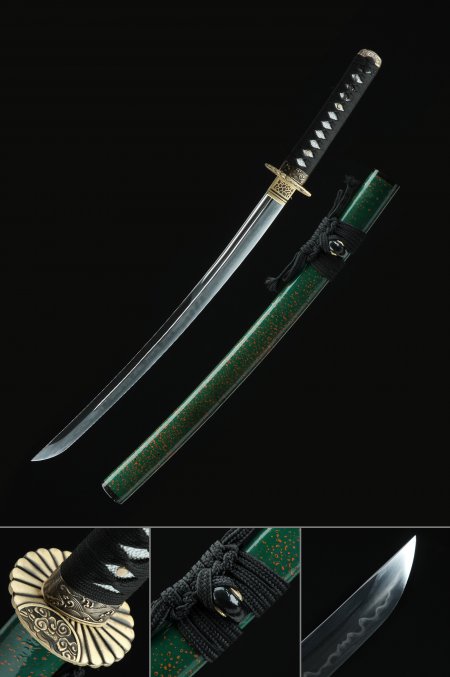
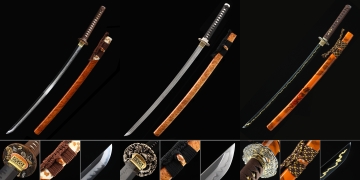
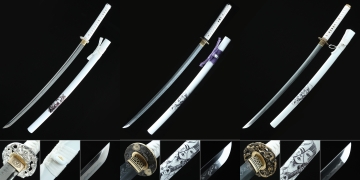
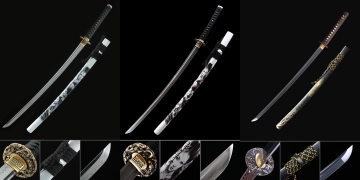
The Green T10 Carbon Steel Wakizashi collection brings together hand-forged blades crafted from high-carbon T10 tool steel, each showcasing a genuine hamon temper line and finished with a distinctive green lacquer saya. Copper and gold tsuba options, paired with tightly wrapped black ito handles, reflect the careful attention to fittings that serious collectors appreciate. Every piece in this collection is a display-worthy artifact built to museum-quality standards — and every order ships free with hassle-free returns.
Well made and very sharp. Clearly a real weapon and not a fake, brittle display toy.
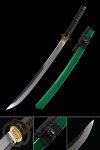 |
T10 Steel Wakizashi with Green Lacquer Saya - Hamon Blade, Black Cord Handle, Gold Tsuba |
Beautiful wakizashi! Light weight, wide blade, gorgeous hamon. Interesting wide Saya. Very different from other wakizashi that I have. I love it!
|
T10 Steel Wakizashi with Green Lacquer Saya - Hamon Blade, Black Cord Handle, Gold Tsuba |
First time buyer and I thought this wakizashi was worth every penny. Super sharp and stylish, balanced well and comfortable to hold with 2 hands or 1 hand. Will buy again from them!!
|
T10 Steel Wakizashi with Green Lacquer Saya - Hamon Blade, Black Cord Handle, Gold Tsuba |
This is my second Purchase from True Katana and I am very happy. My Katana and Wakizashi are beautiful pieces of art. I will be purchasing a High Performance Katana in the near future.
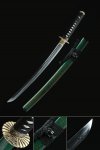 |
T10 Carbon Steel Wakizashi with Real Hamon in Green Lacquer Saya - Gold Chrysanthemum Tsuba |
I have hand forged knives and swords from American and Canadian craftsman of the highest quality. These swords being sold on this site are as advertised. These are master smiths forging these I'm sure of it. Stunning.
|
T10 Steel Wakizashi with Green Lacquer Saya - Hamon Blade, Black Cord Handle, Gold Tsuba |
Excellent quality and craftsmanship. All I expected and more. A very nice and sharp wakizashi; now sitting in my office, at the ready for combat.
|
T10 Carbon Steel Wakizashi with Real Hamon in Green Lacquer Saya - Gold Chrysanthemum Tsuba |
This was a gift and the receiver was thrilled, loved the look, and quality he is already thinking about how he is going to display it. As the buyer I could not be more impressed with the price, the amazing customer service response that I was given with a address mix-up on my part, They were on it right away. The quick shipment, the item was shipped the day after I ordered it and the item arrived 3 days earlier than projected. They also provided shipping and tacking number immediately upon shipment. I would not hesitate to order again from this company. Thanks!
|
T10 Carbon Steel Wakizashi with Real Hamon in Green Lacquer Saya - Gold Chrysanthemum Tsuba |
Great sword, delivery was very slow it took one month.
Overall they responded to my email by the next day so I would buy from them again .
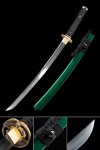 |
T10 Carbon Steel Wakizashi with Green Lacquer Saya - Copper Tsuba, Black Ito, Hamon Blade |