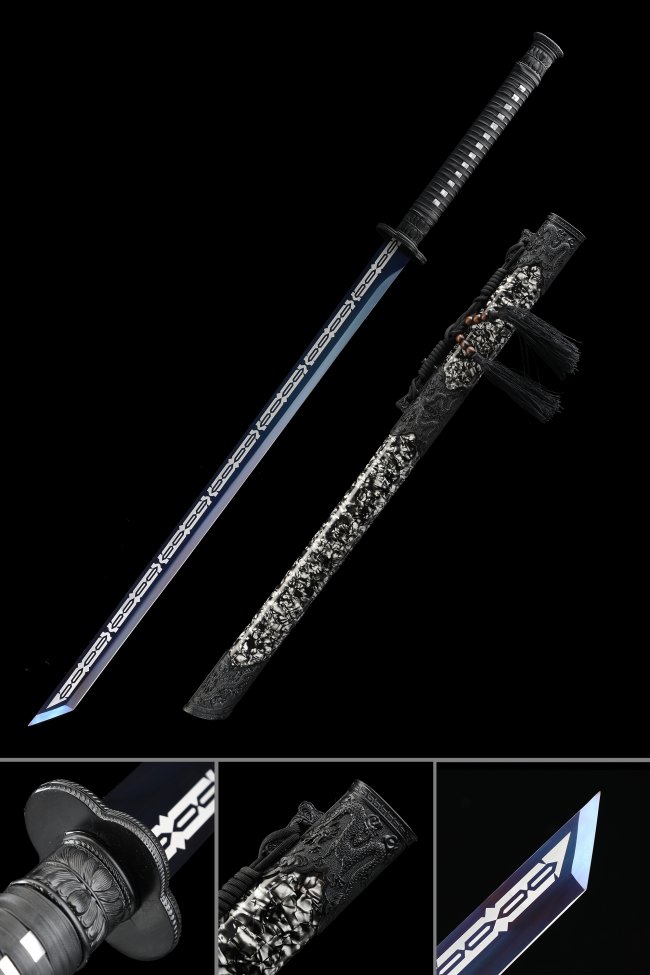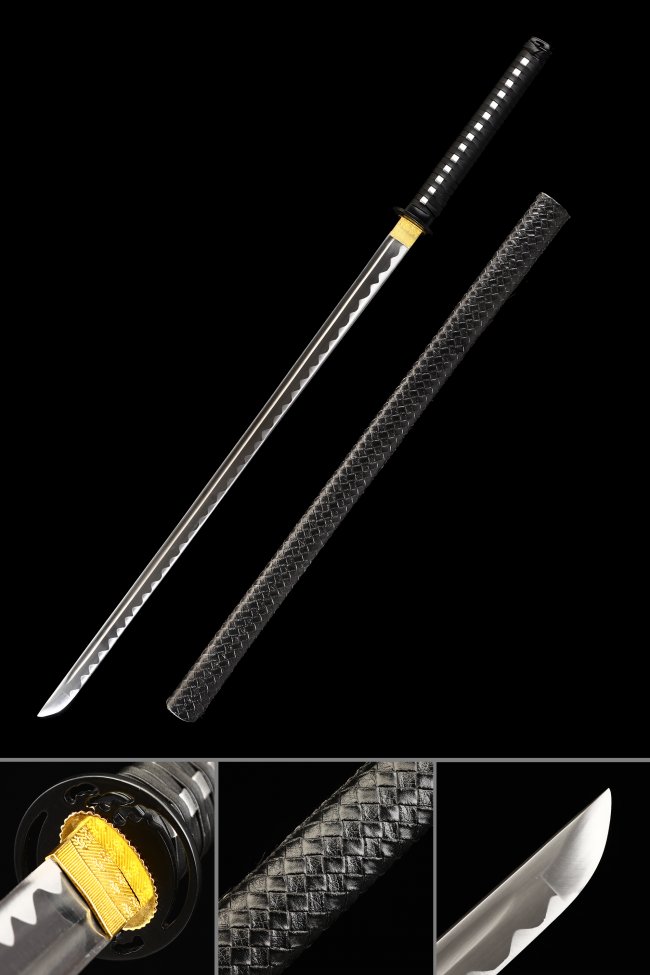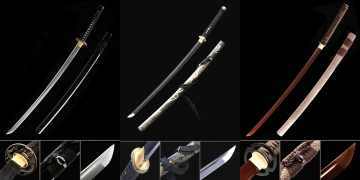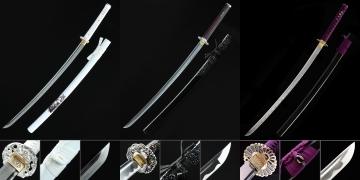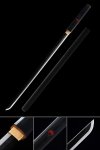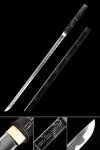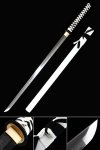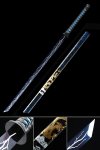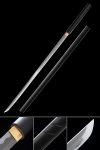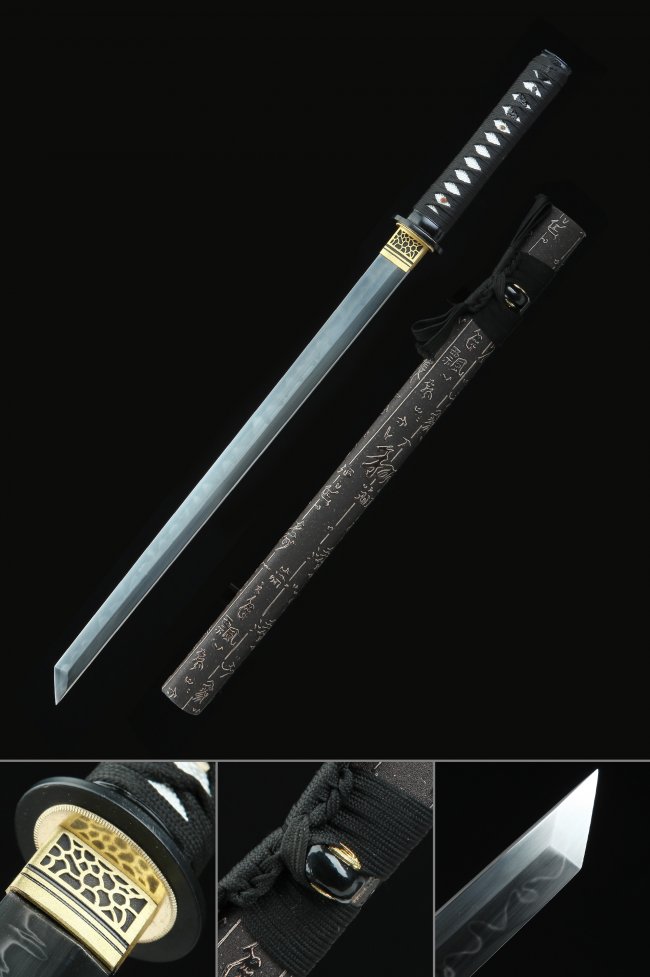
Straight Blade Ninjato

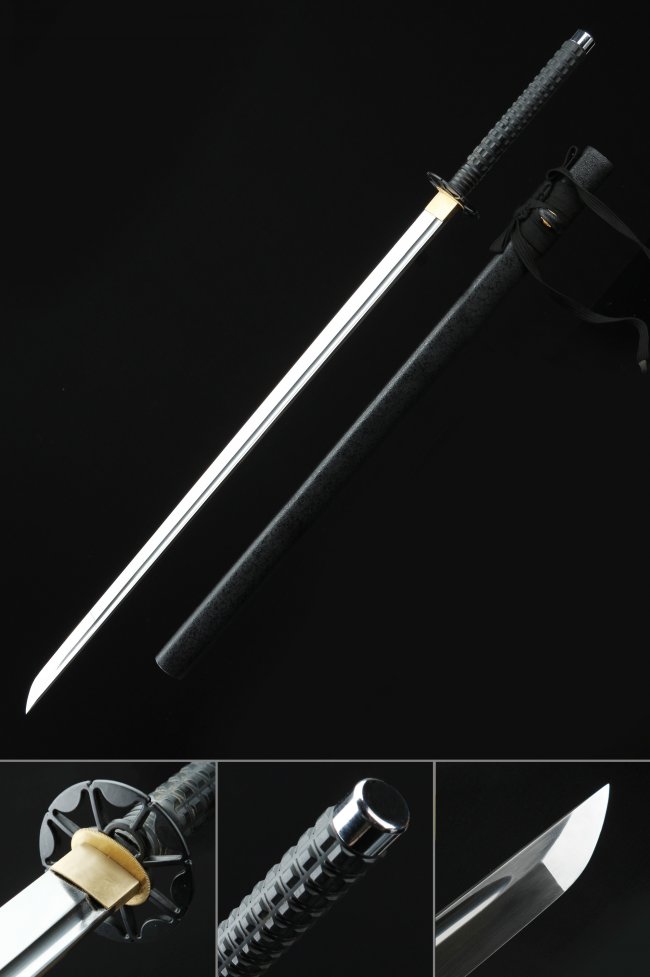
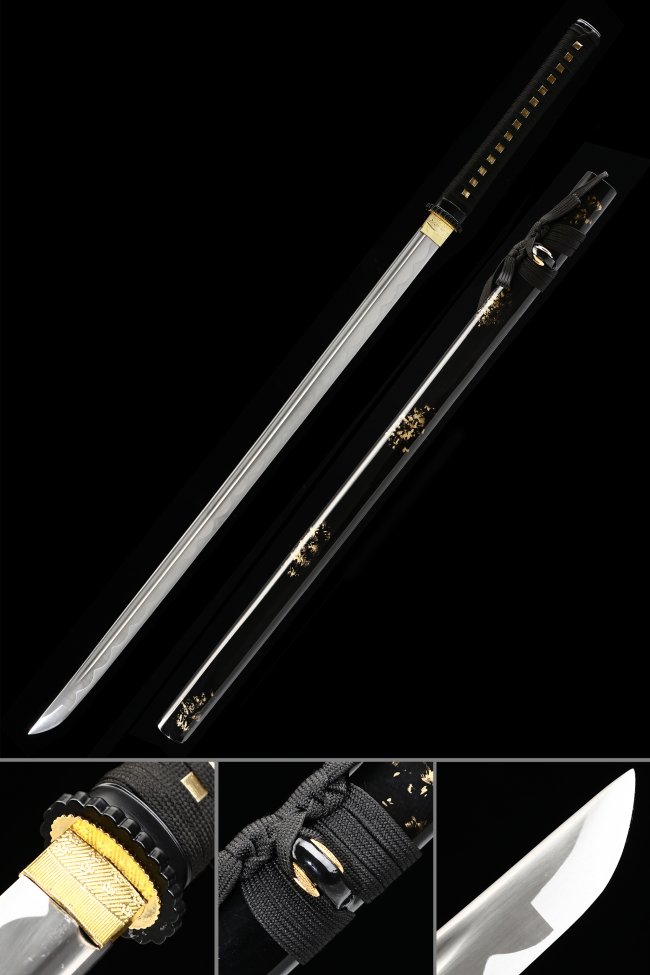
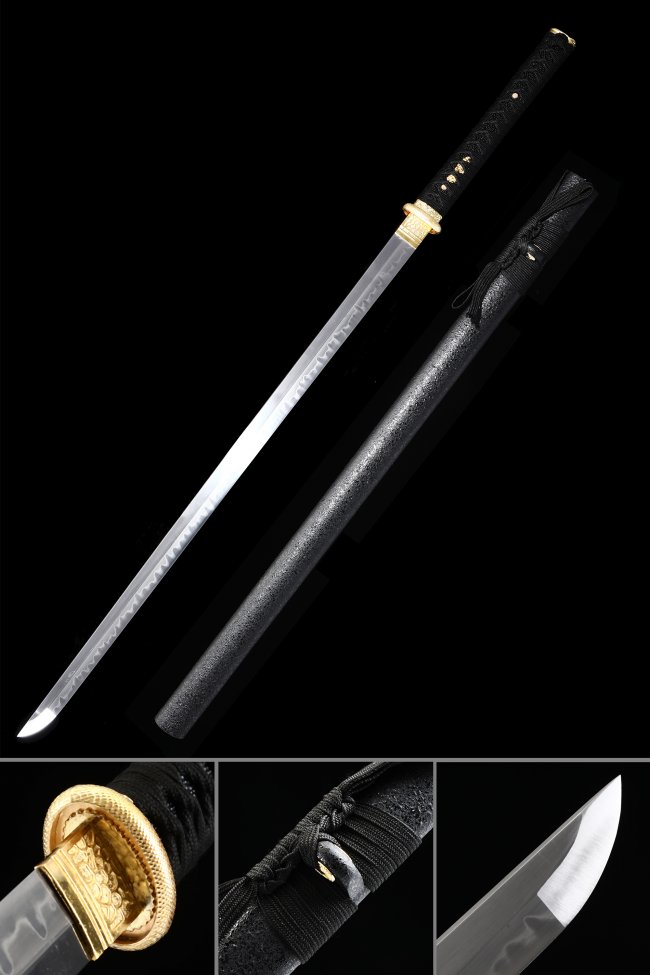
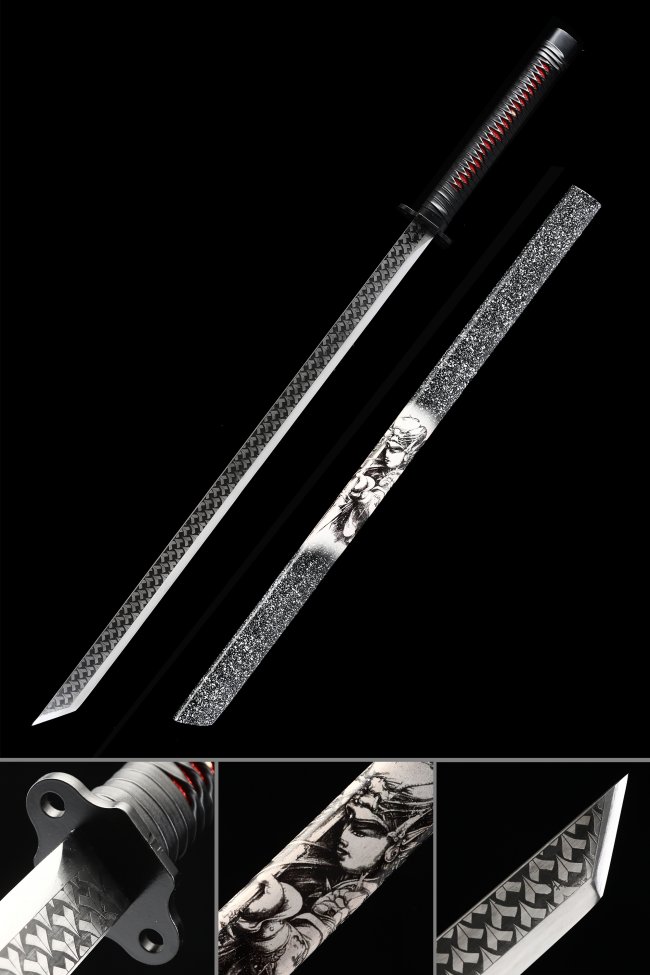
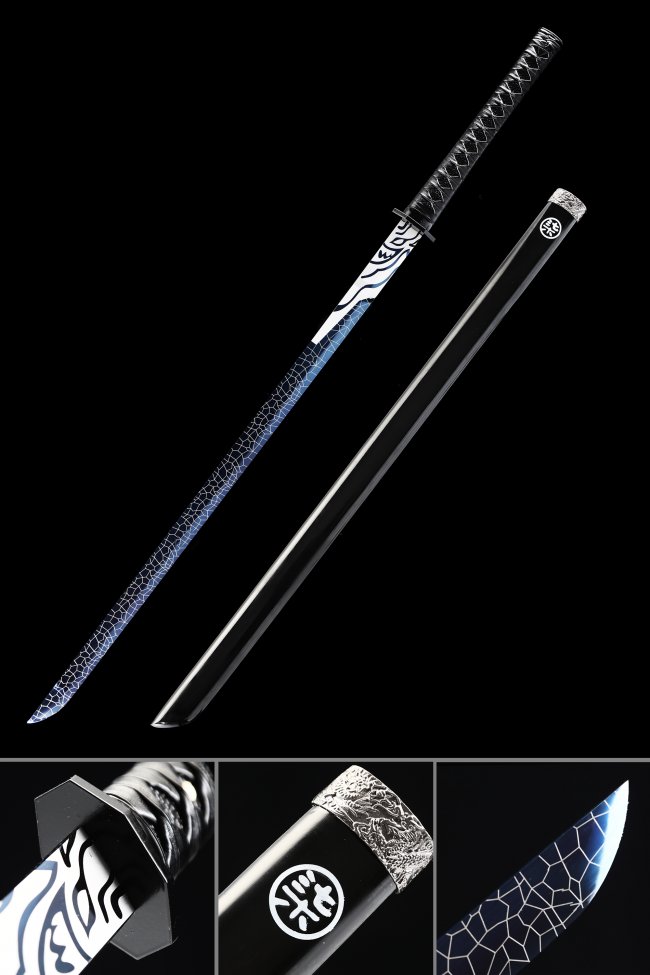
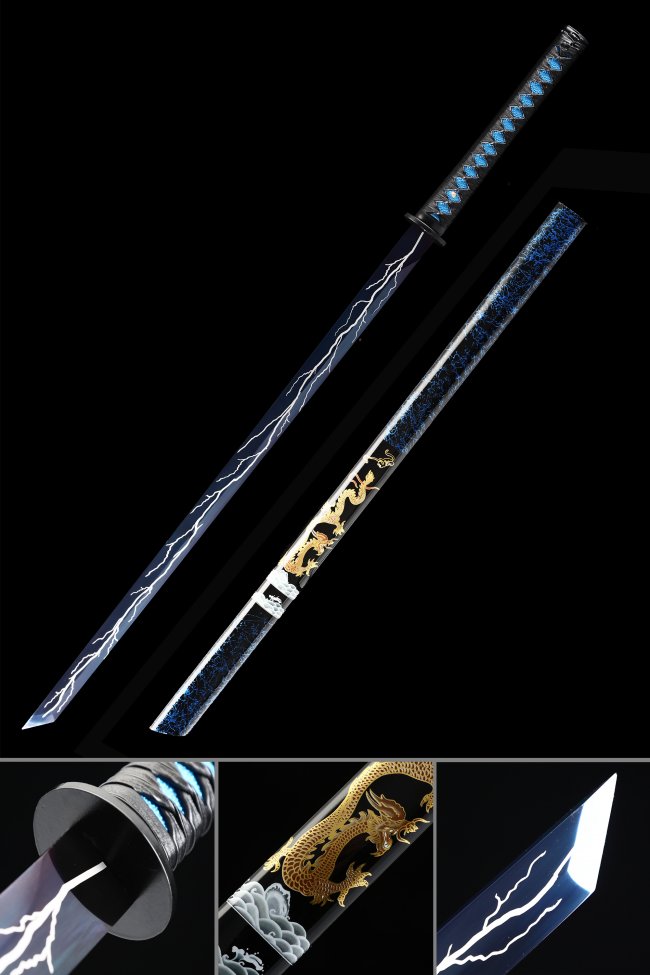
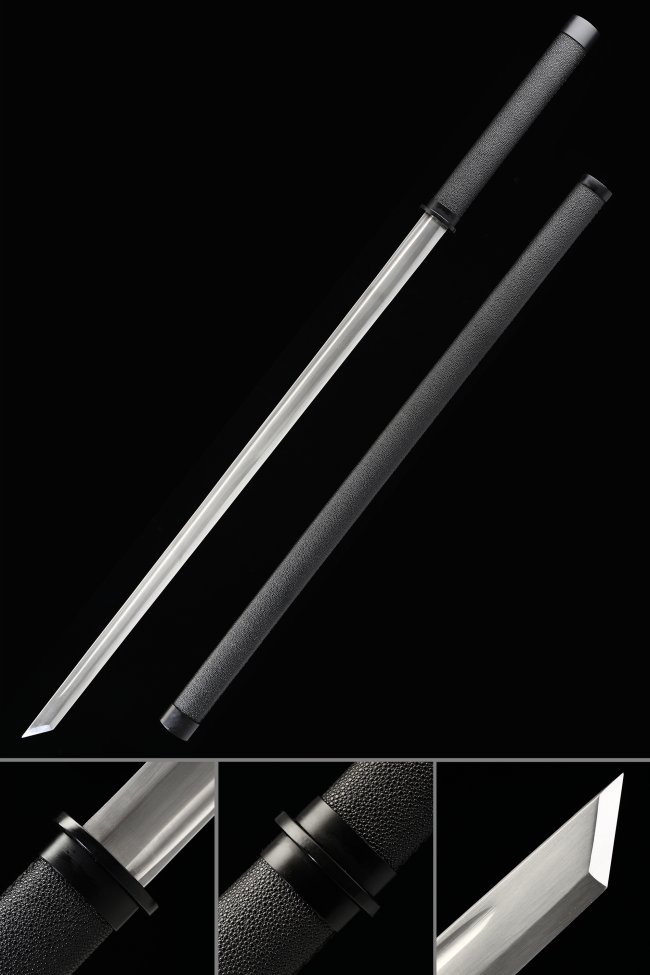
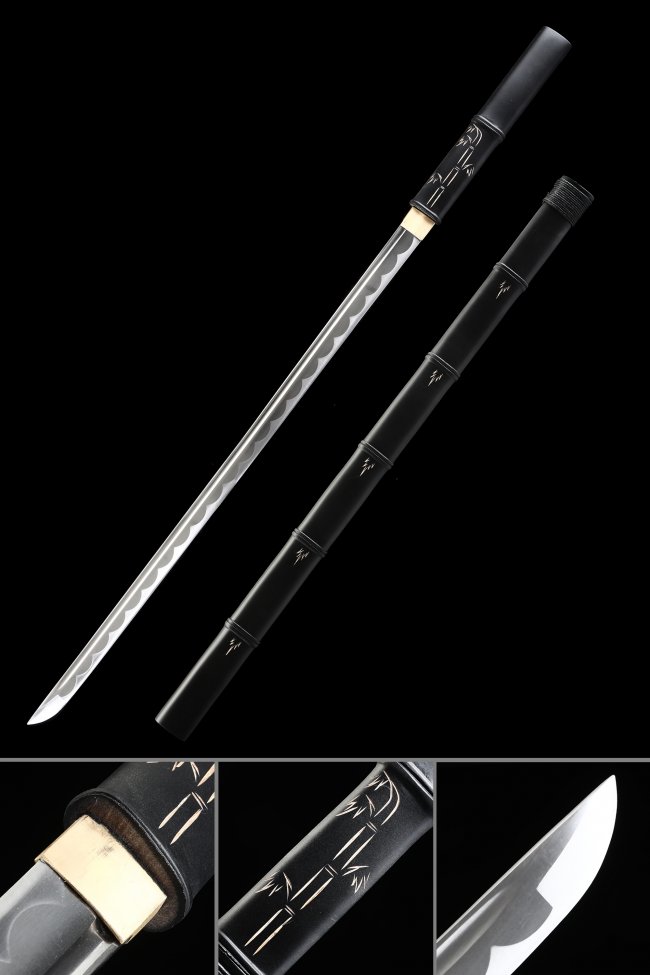
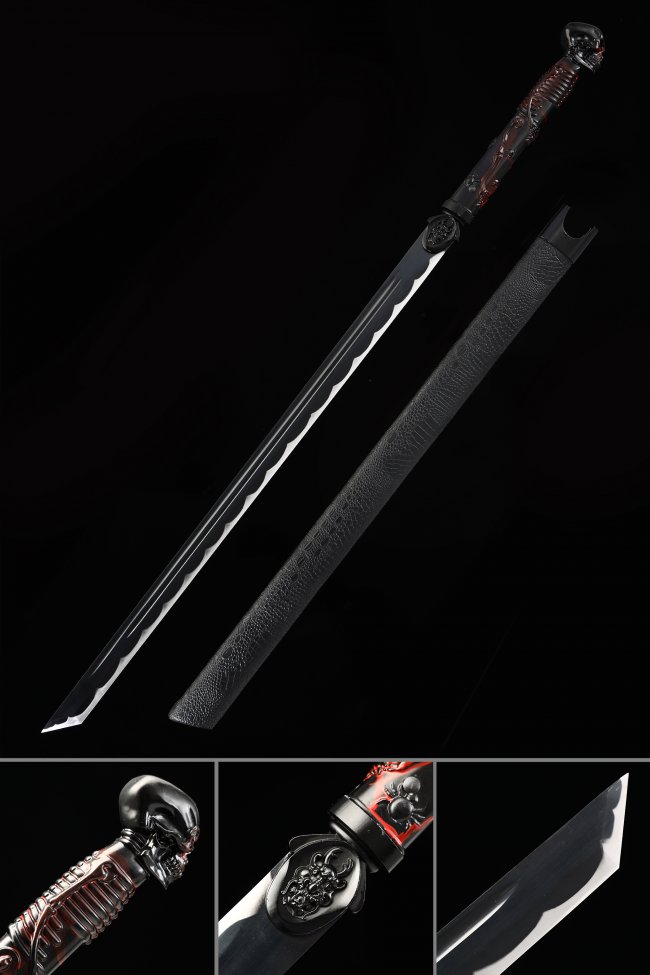
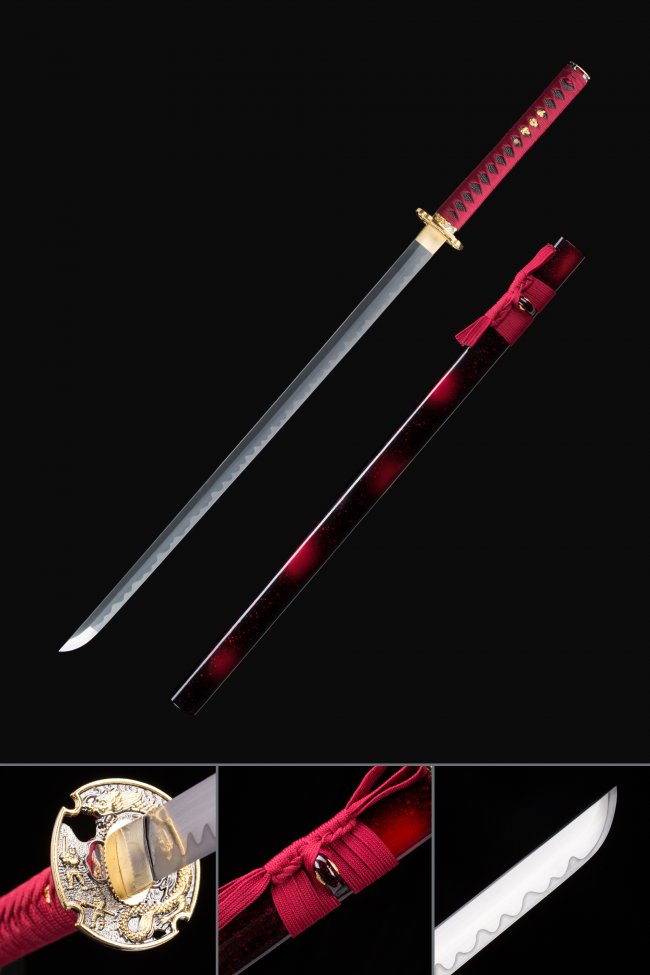
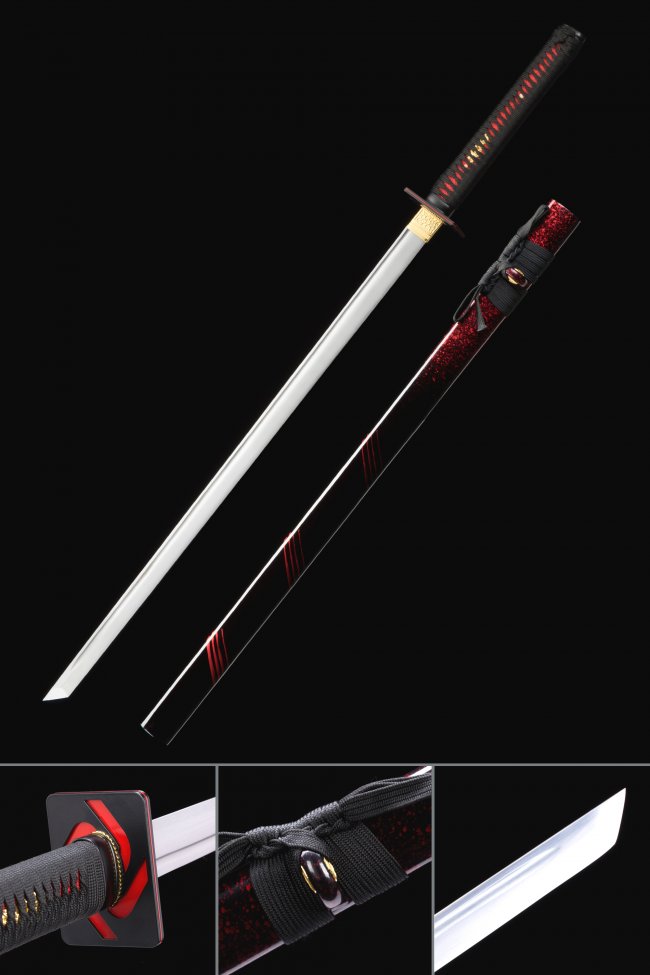
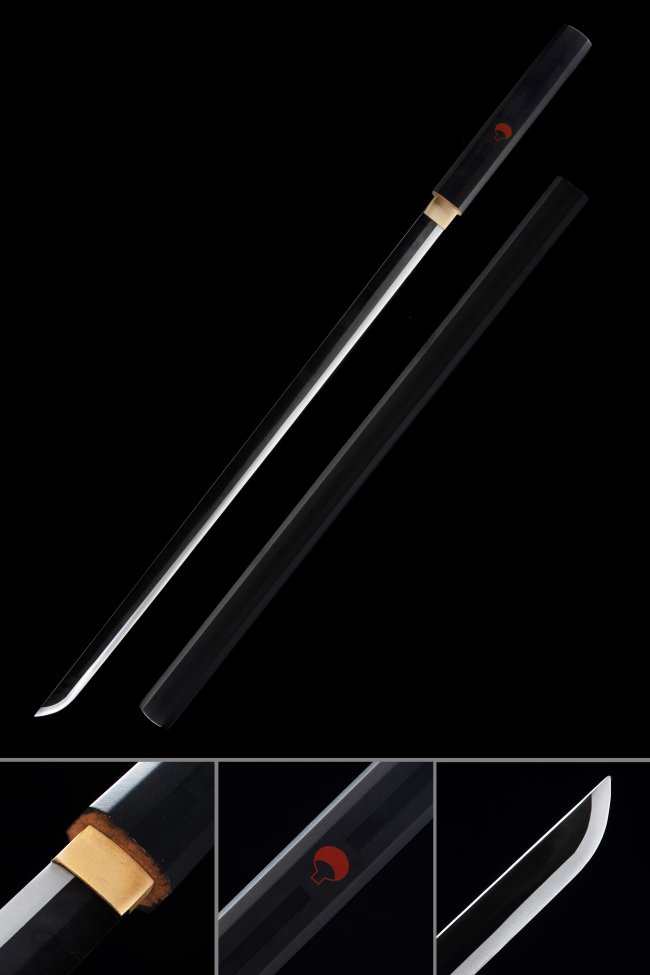
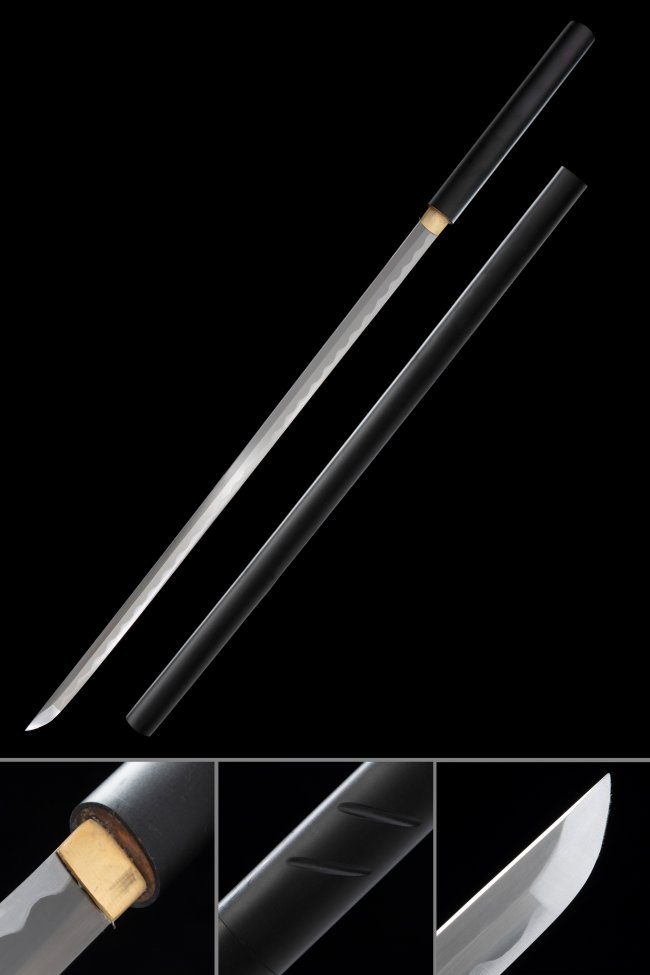
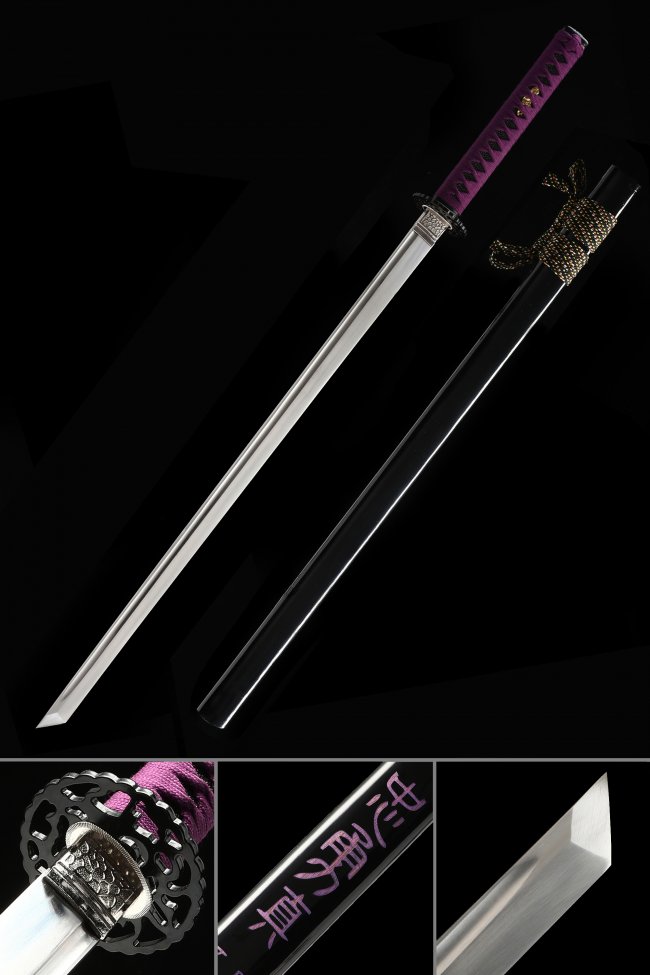
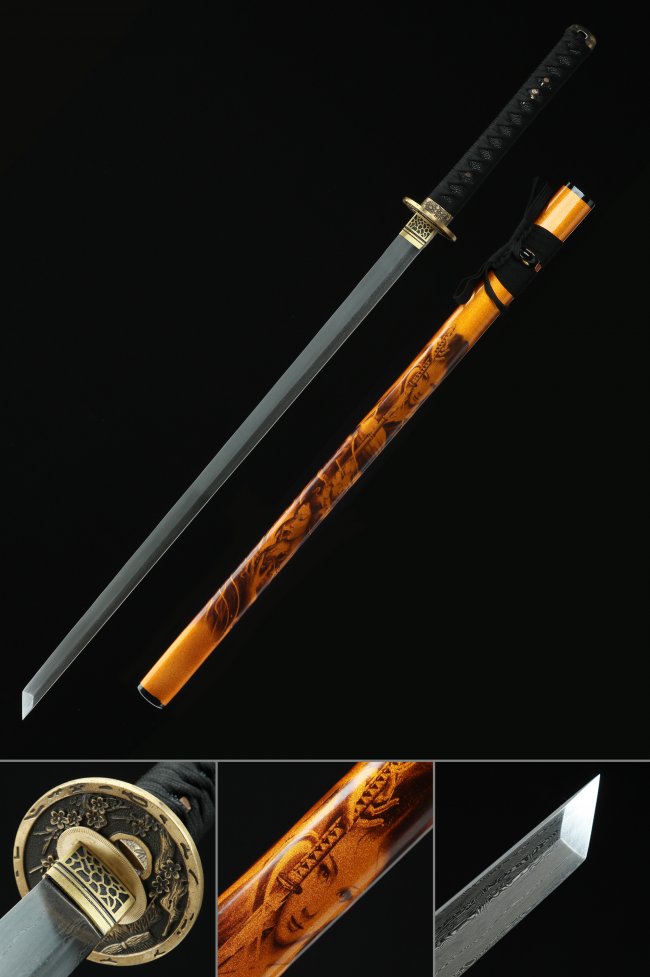
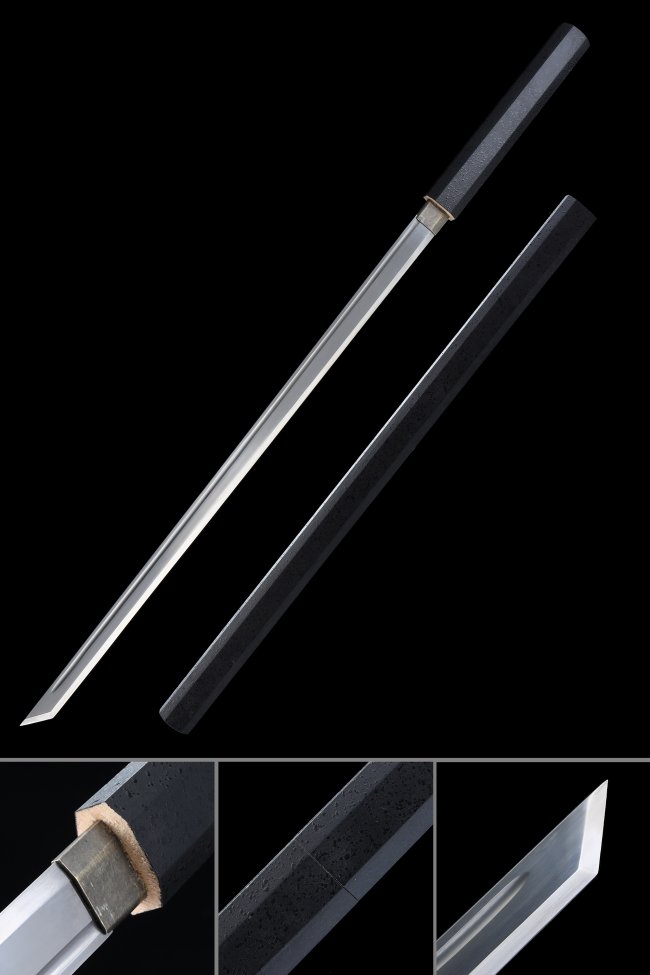
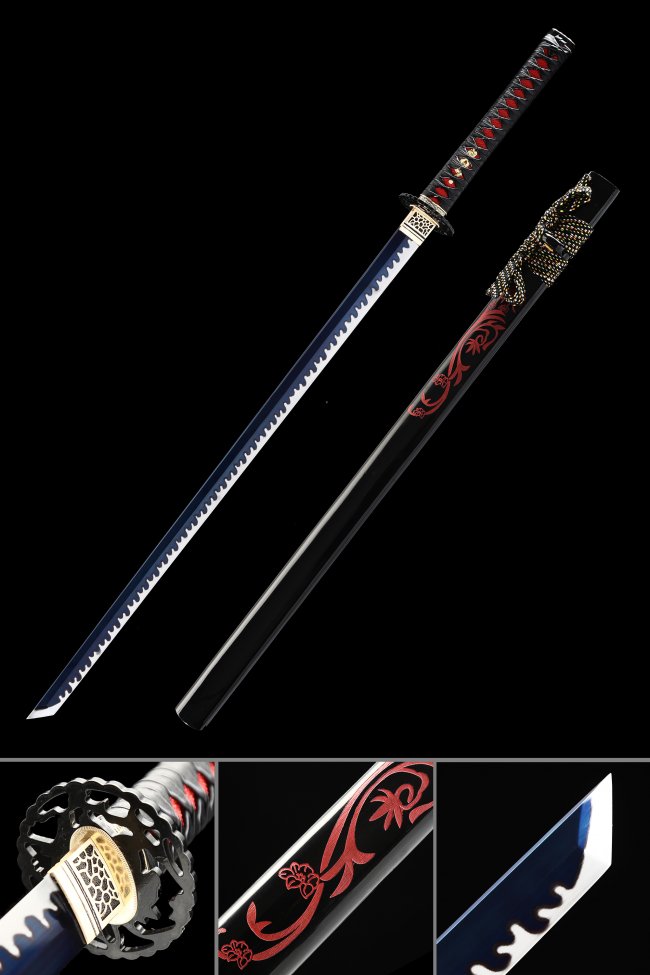
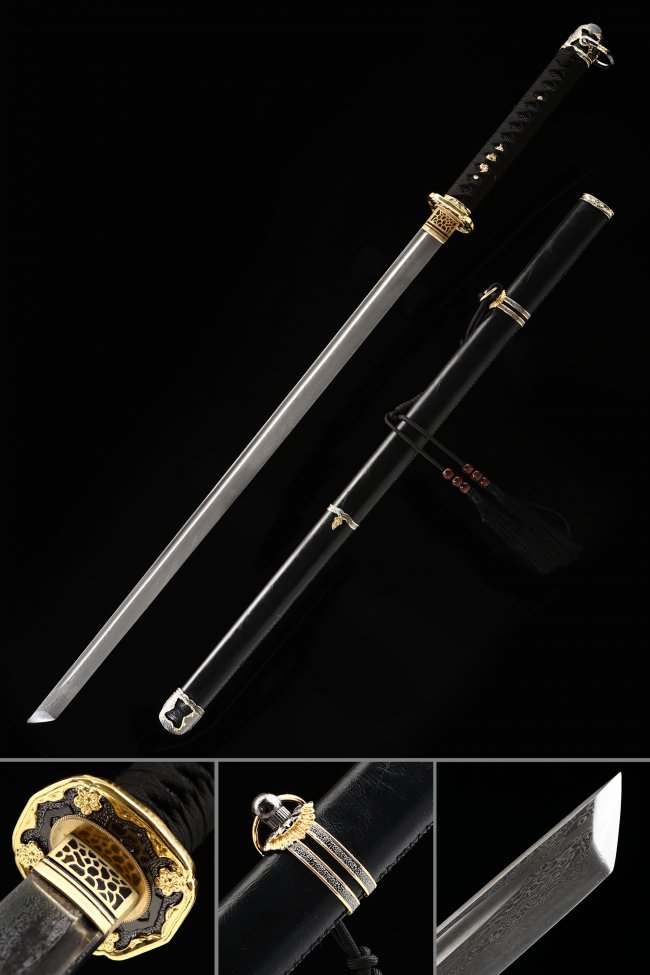
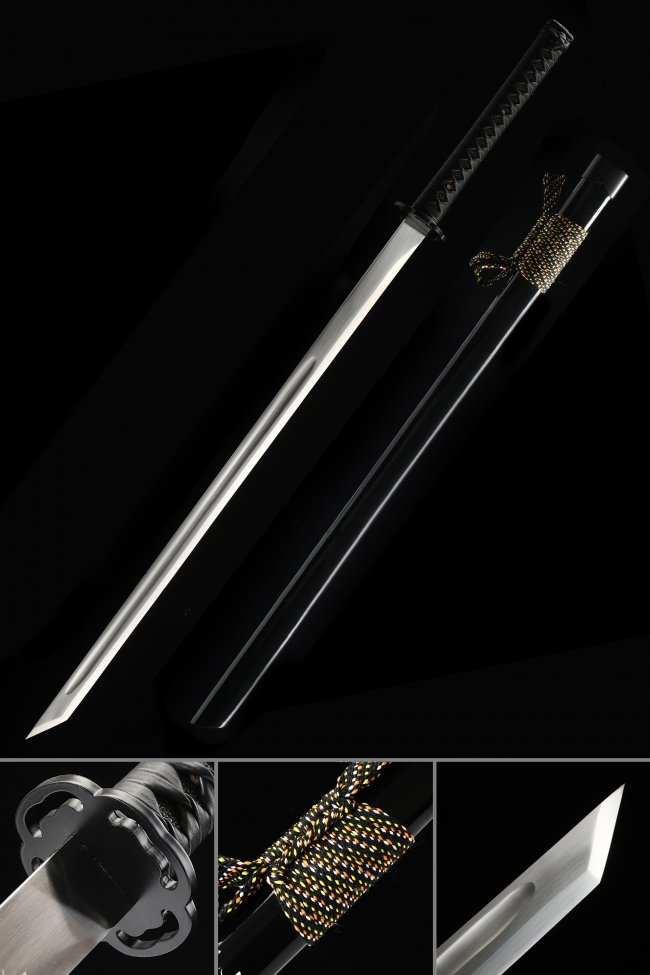
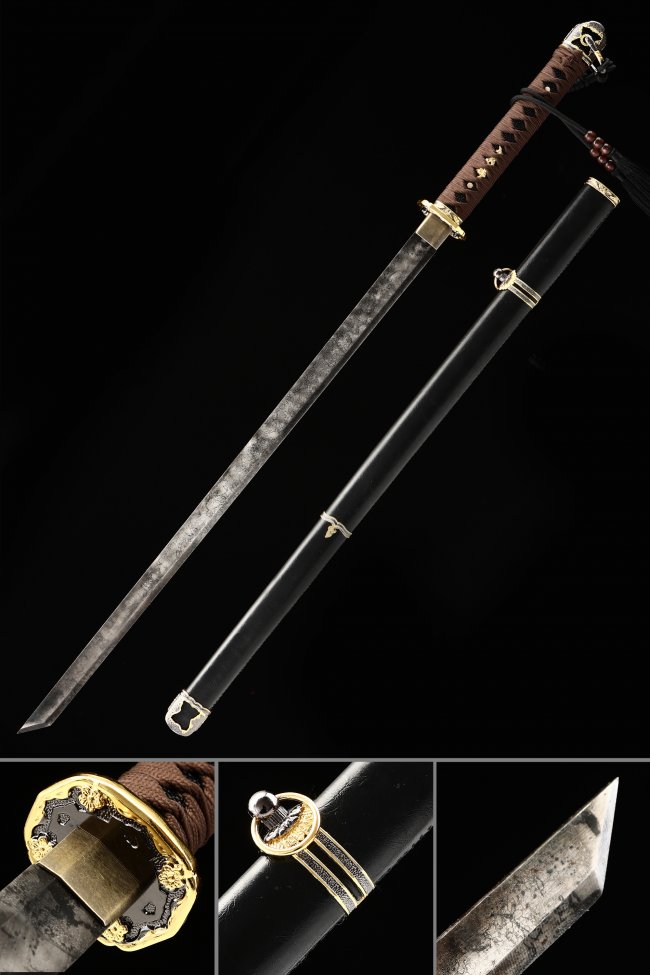
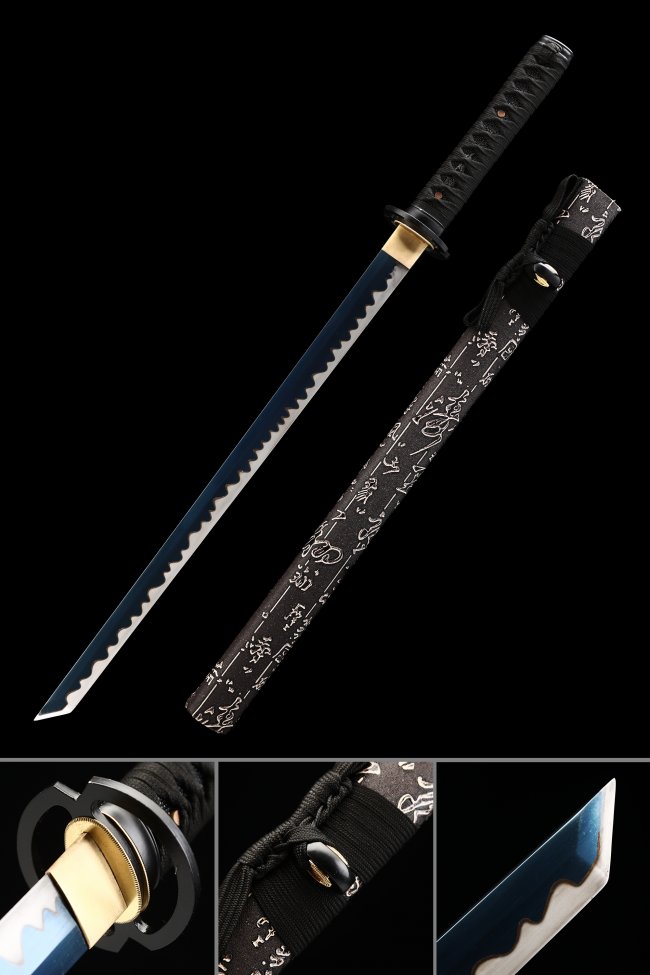
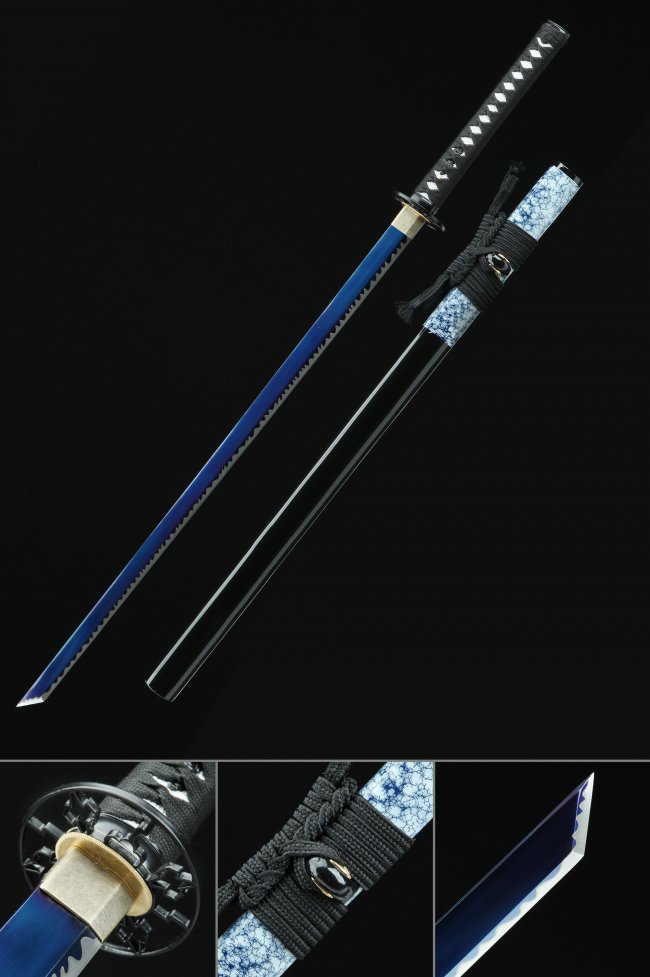
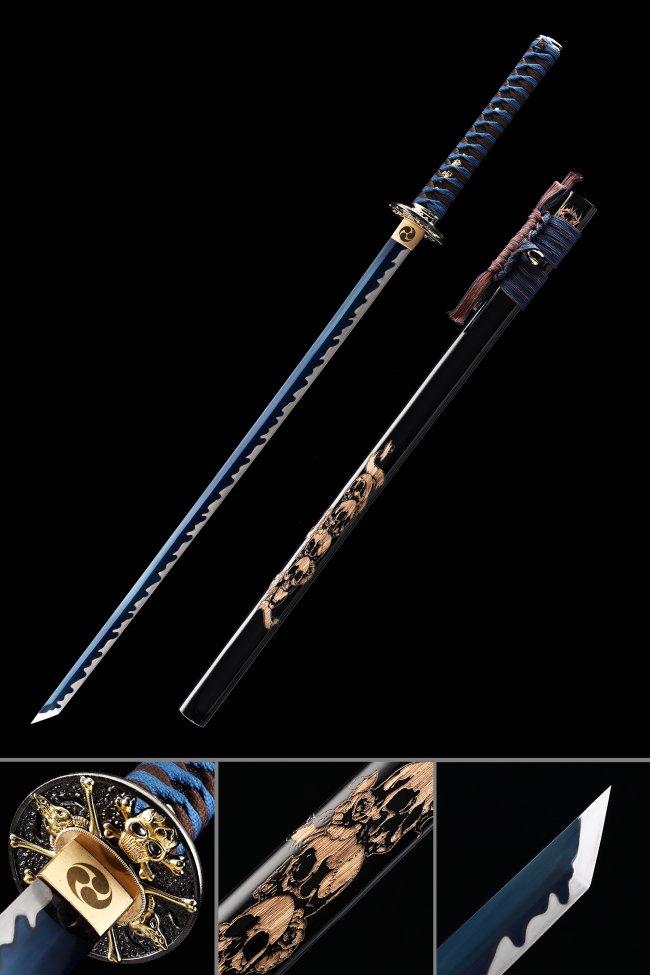
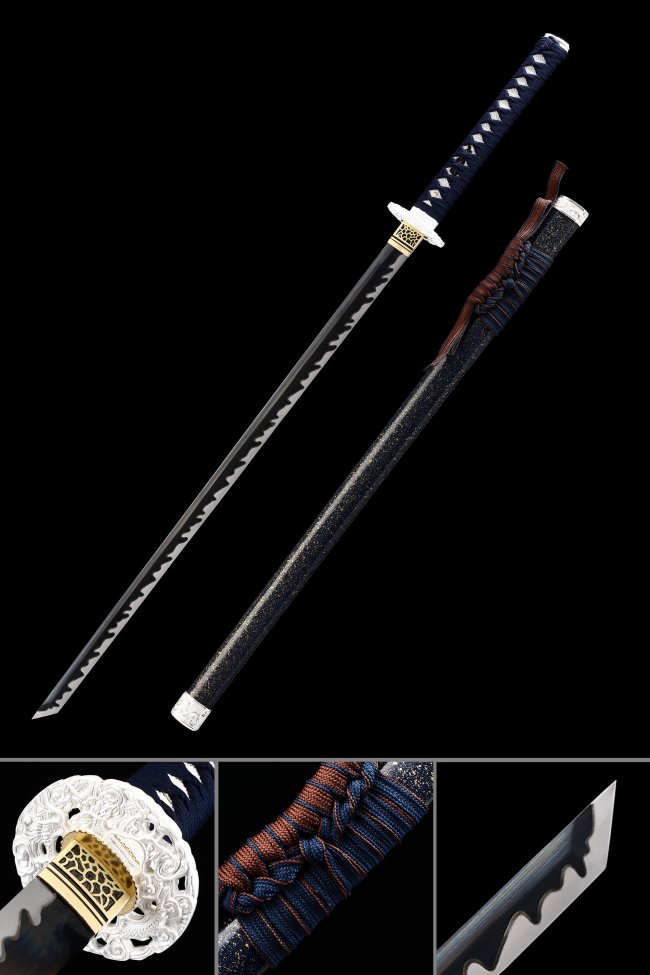
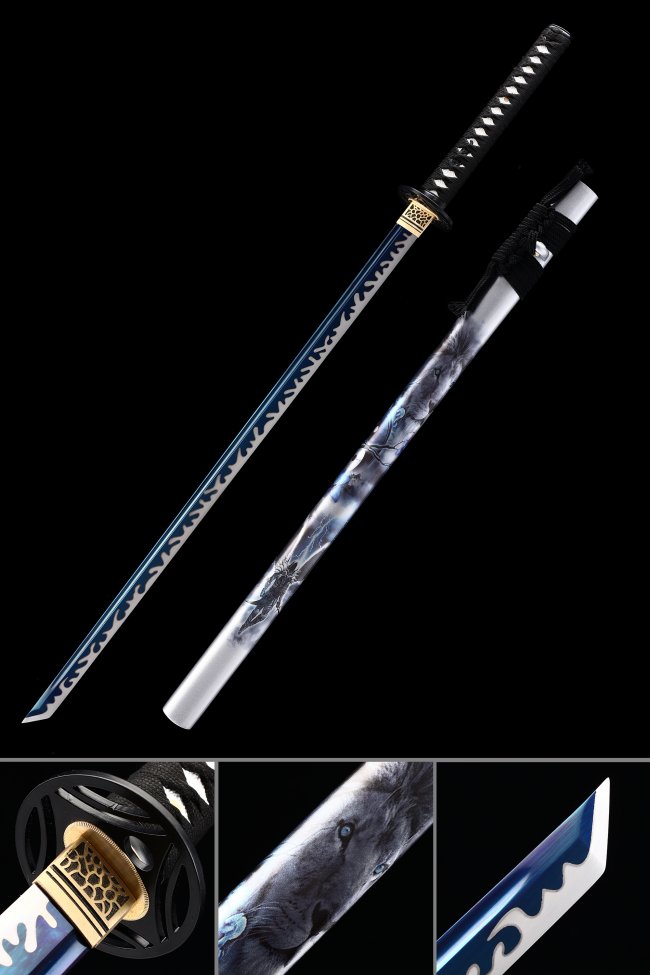
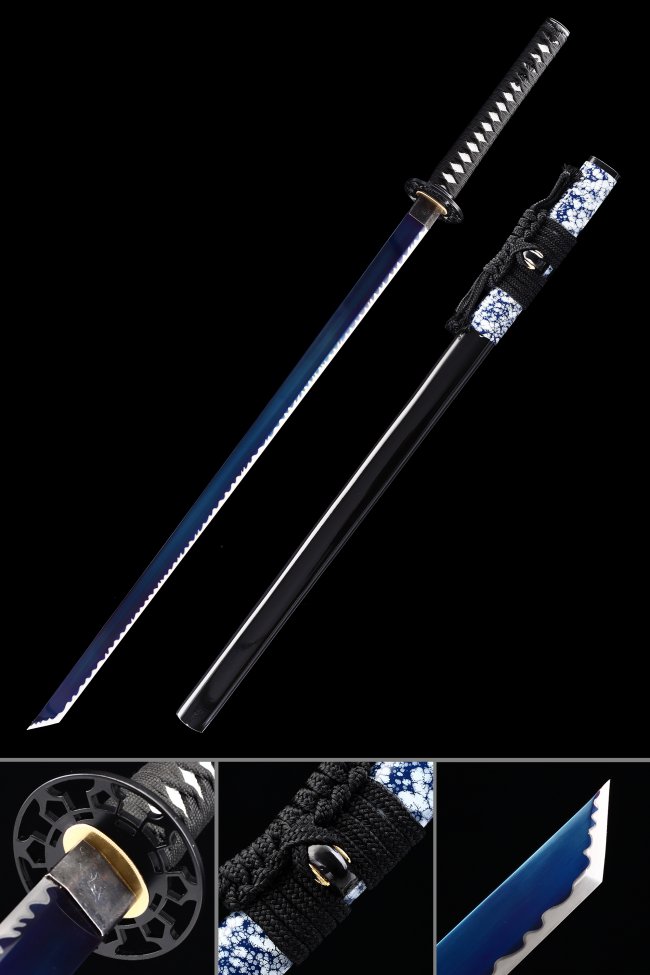
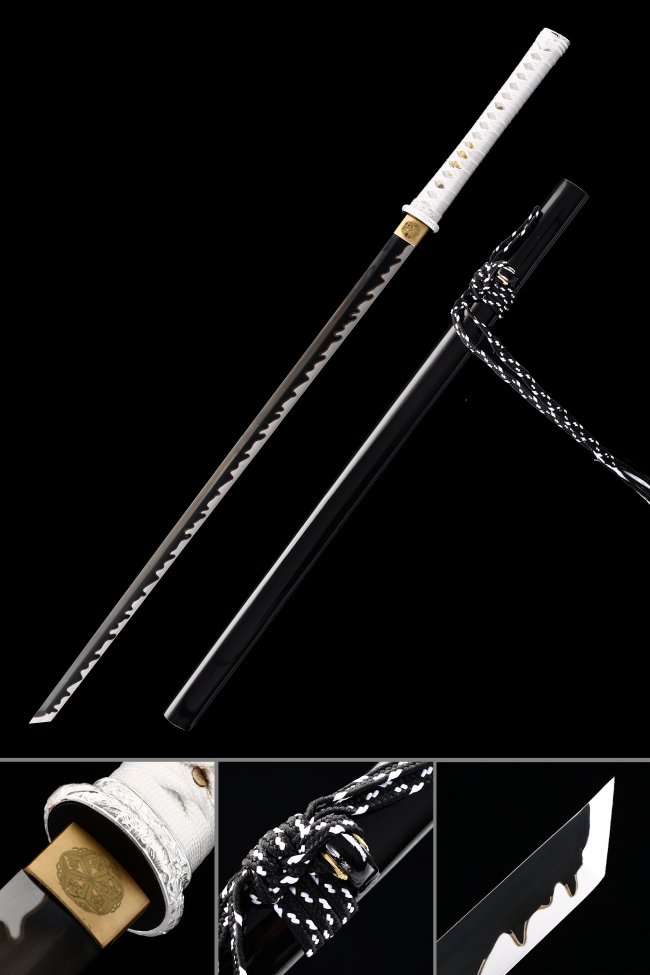
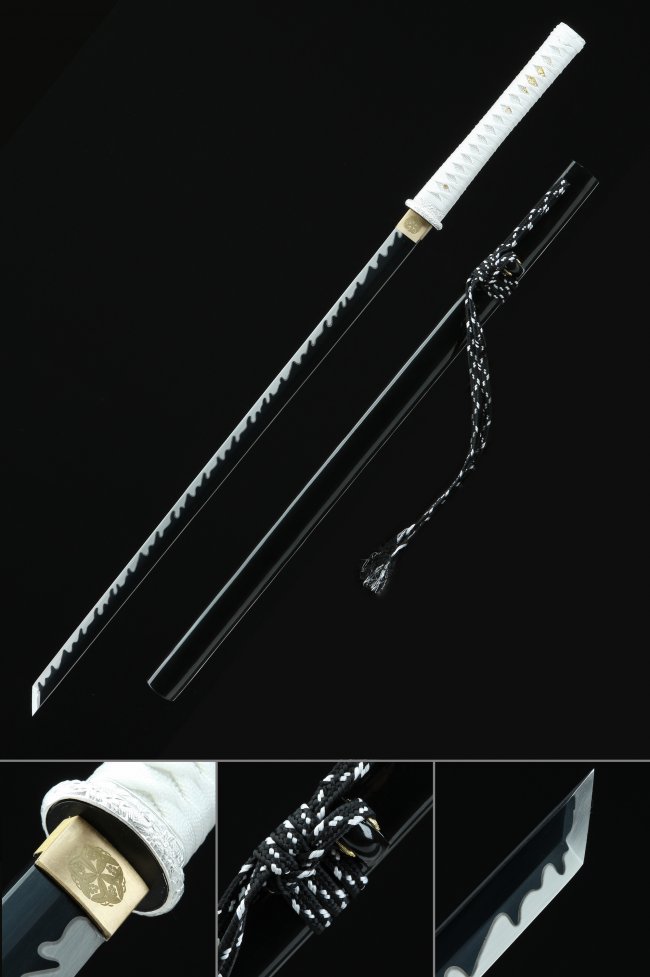
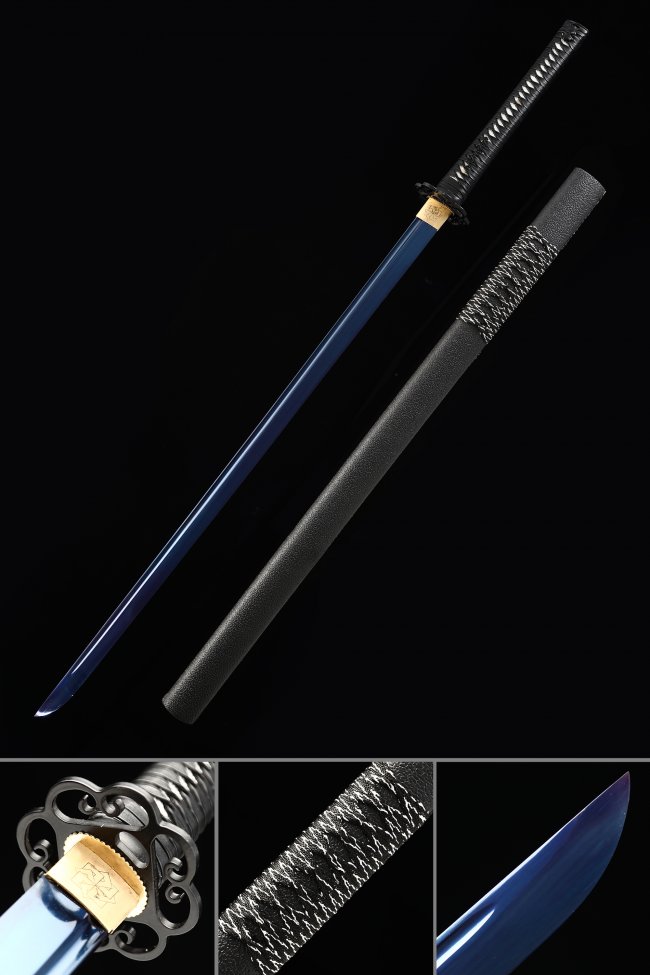
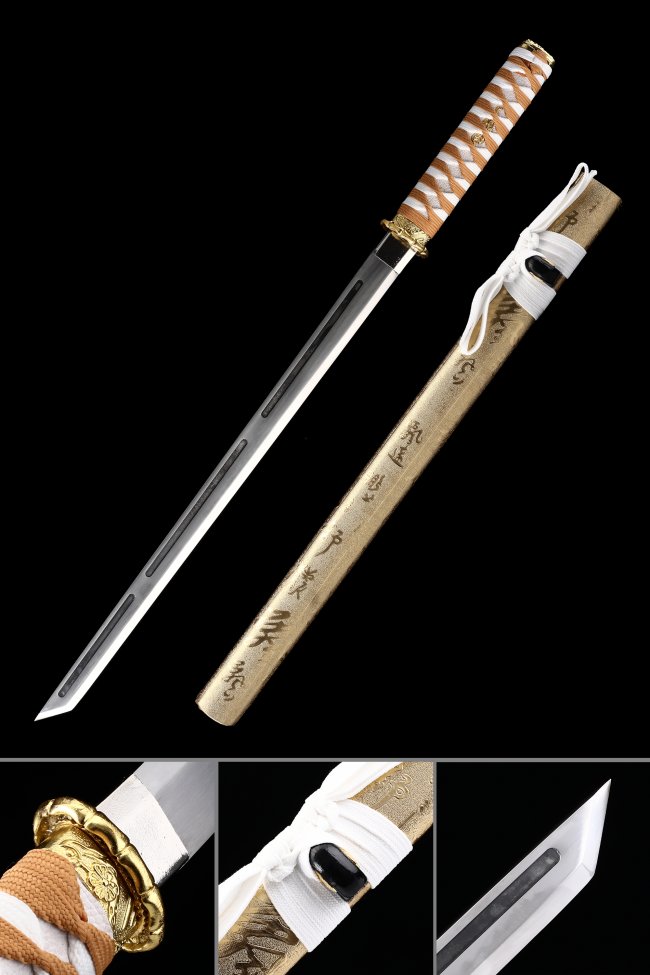
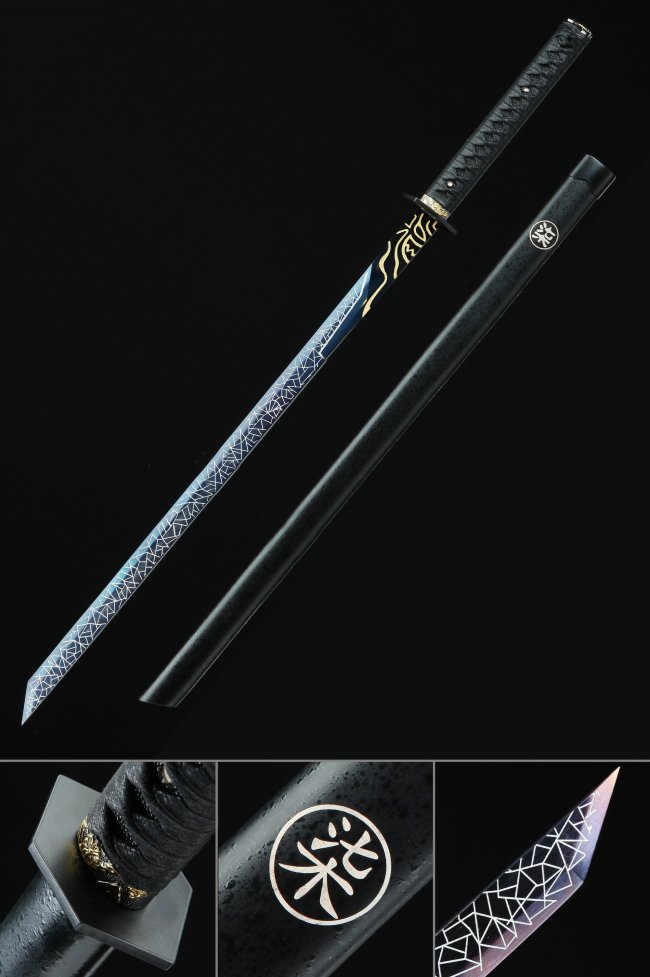
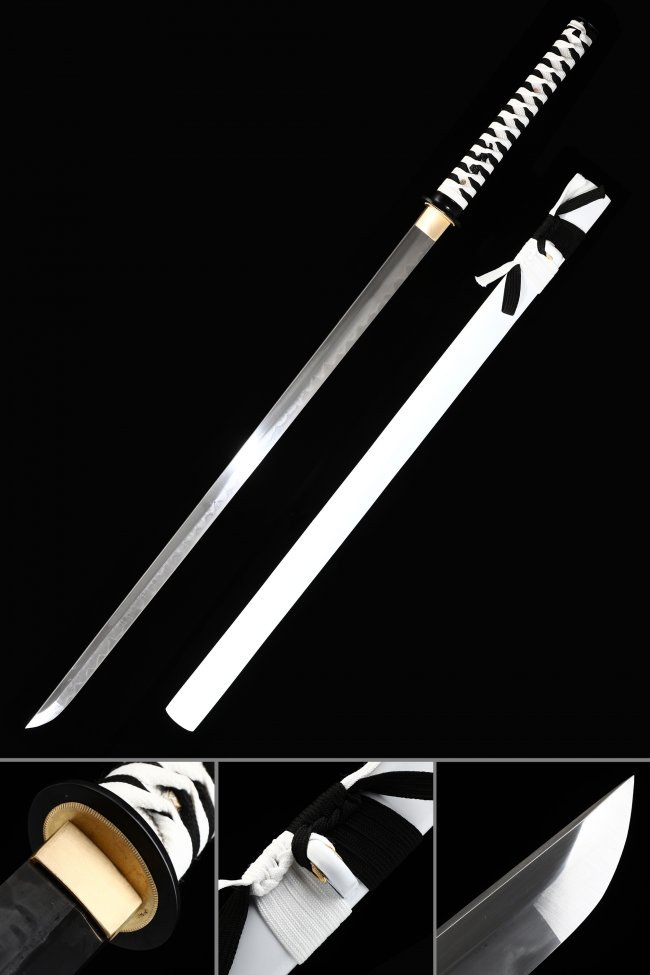
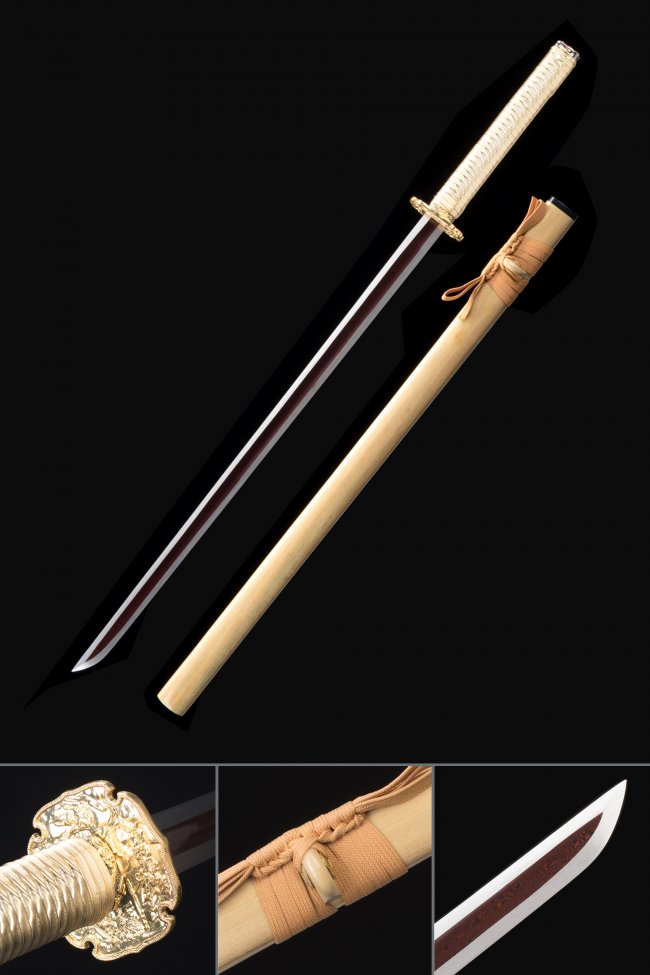
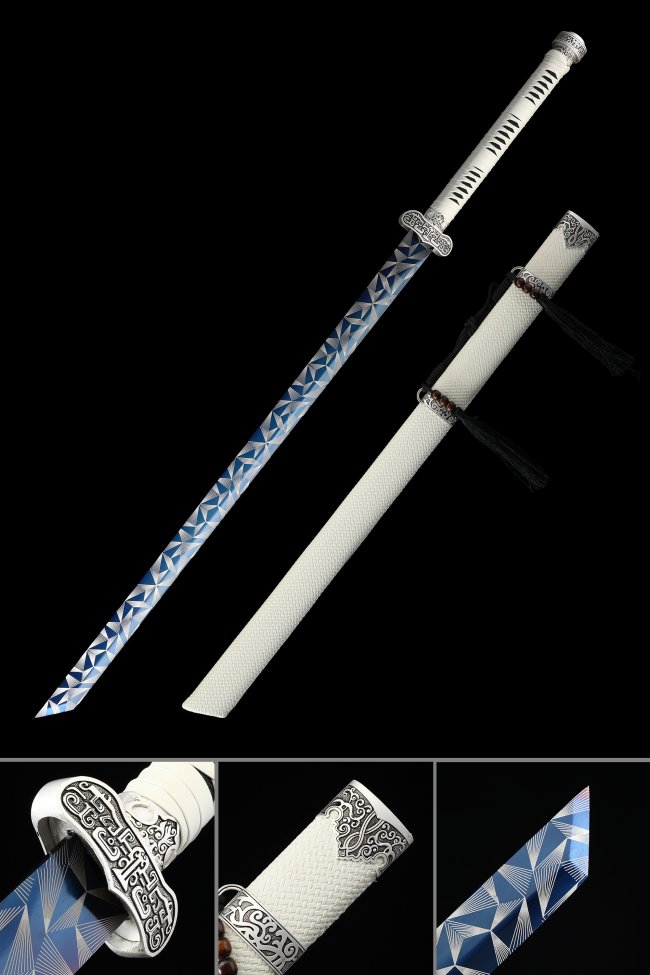
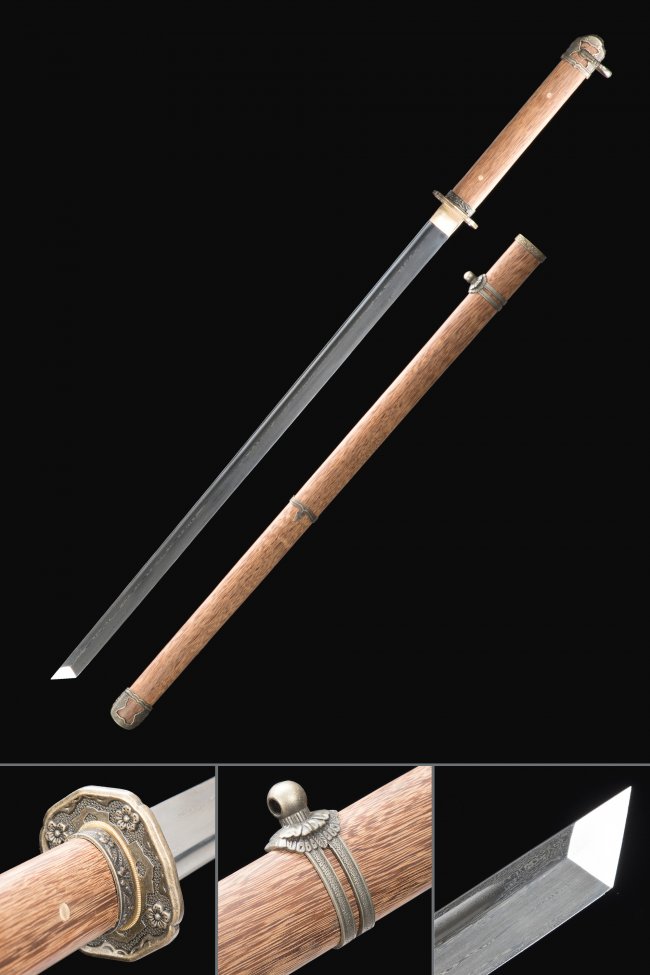
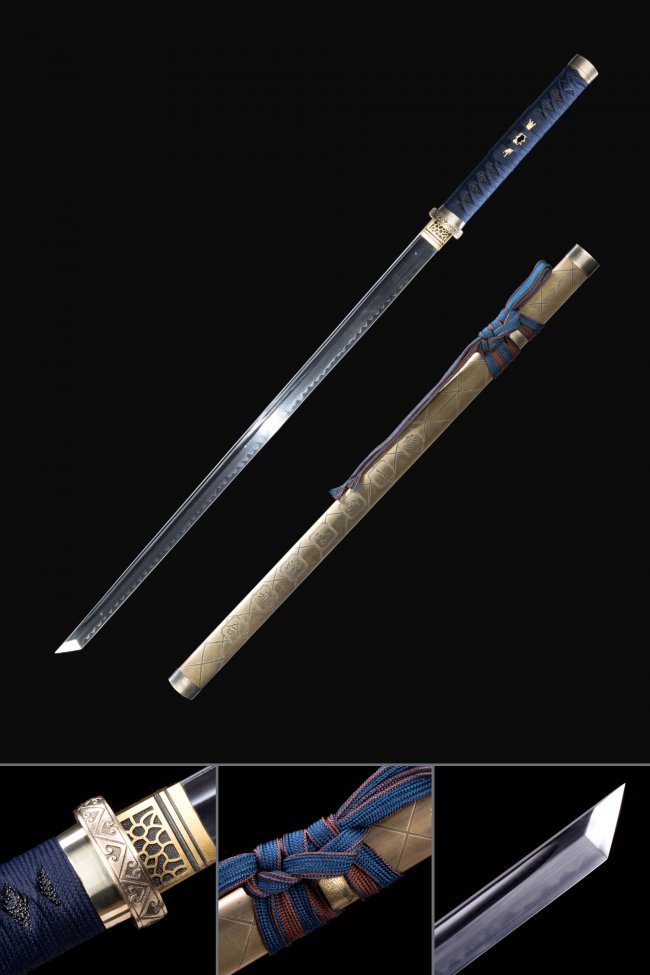
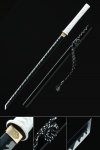
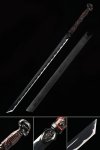
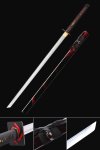
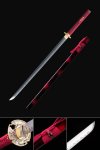
Discover our Straight Blade Ninjato collection, celebrating the defining geometric characteristic of the ninjato format with particular emphasis on the blade profile itself. The straight blade is what distinguishes ninjato from all other Japanese sword types — while katana, wakizashi, and tachi all feature the iconic Japanese curve, ninjato maintain an angular, geometric profile that connects to the pre-curve origins of Japanese blade making and creates a distinctively modern visual character. Free U.S. shipping and 30-day return guarantee.

Showing 48 Products

Related Collections

Samurai Katana113 items


1551 Reviews

Steel Katana81 items


864 Reviews

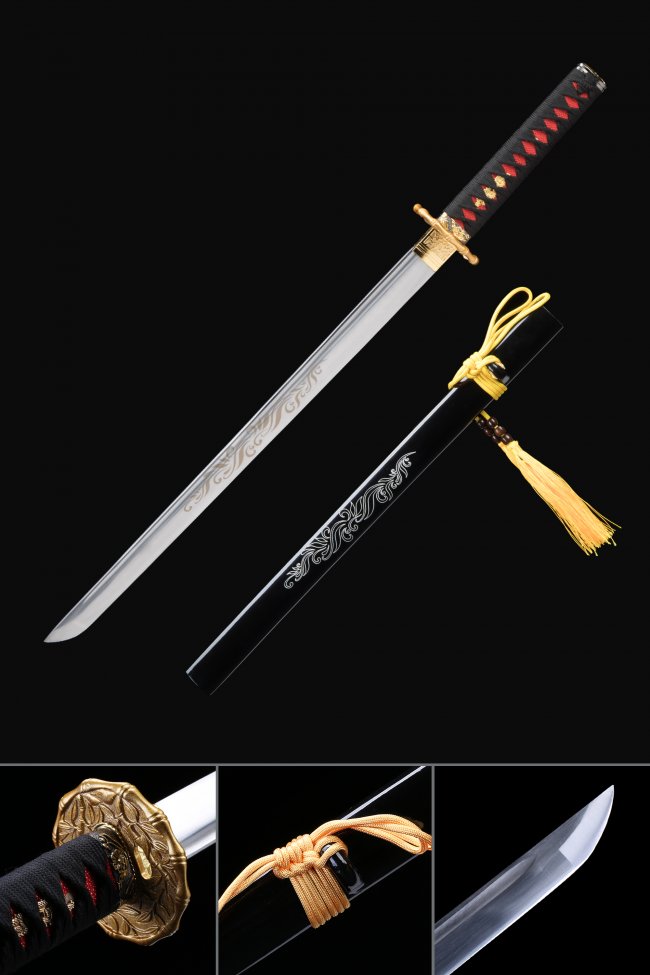
1060 Ninja Sword16 items

34 Reviews

T10 Steel Ninjato20 items


85 Reviews

Frequently Asked Questions

Why did most Japanese swords develop curved blades while ninjato maintained the straight profile tha
The development of curved blades in Japan was a technological evolution driven by specific combat conditions. During the Heian period, mounted cavalry warfare became the dominant military doctrine, and swordsmiths discovered that curved blades provided significant mechanical advantages for horseback combat: the curvature enhanced cutting efficiency during draw-cuts, where the rider slashes downward while the horse’s momentum provides force. Differential heat treatment, which hardens the edge more than the spine, naturally produces curvature as the harder edge contracts more during quenching. This combination of combat effectiveness and manufacturing process made curved blades the standard for samurai swords. The straight profile that ninjato maintain connects to a different tactical context: the covert operations that ninja conducted often took place in confined spaces like corridors, rooms, and underground passages where the thrusting and close-quarters utility of a straight blade offered advantages over the slashing optimization of curved swords. The straight profile also simplified construction and maintenance in field conditions where the resources and expertise for complex differential heat treatment might not be available.
How does the straight blade geometry of ninjato affect display aesthetics compared to the curved pro
The geometric difference between straight and curved blades creates fundamentally different display aesthetics that appeal to different visual sensibilities. Curved katana and wakizashi create display compositions built around the organic sweep of the blade arc — the eye follows the curvature from handle to tip in a flowing movement that evokes natural forms like waves, tree branches, or wind patterns. This organic quality gives curved swords a timeless, naturalistic beauty that has been appreciated for centuries. Straight ninjato, by contrast, create display compositions built around the precision of a clean line. The eye follows the blade from handle to tip in a direct, unbroken trajectory that reads as architectural rather than organic. This geometric clarity makes straight ninjato surprisingly effective in modern and minimalist interior settings where clean lines dominate the design language. On a simple horizontal stand, a straight ninjato extends like a precise geometric element across the viewer’s field of vision, creating visual order rather than visual flow. The choice between curved and straight display aesthetics ultimately comes down to which visual language resonates more with your personal taste and interior design context.
What role does the straight blade ninjato play in understanding the complete evolution of Japanese s
The straight blade ninjato serves as a critical reference point in understanding Japanese sword evolution because it represents the geometric baseline from which the iconic curved tradition departed. Japanese blade making did not begin with curves — the earliest Japanese swords, called chokuto, were straight-bladed designs influenced by Chinese and Korean sword traditions. The curve developed gradually over several centuries as swordsmiths refined their heat treatment techniques and responded to changing military requirements. Understanding this progression from straight to curved is essential for appreciating why the curved katana looks the way it does and what engineering and aesthetic choices its form represents. The ninjato’s straight profile preserves this pre-curve heritage in a format that remained functionally relevant throughout the feudal period, demonstrating that straight blades never truly disappeared from Japanese blade making — they continued alongside the dominant curved tradition for specific tactical applications. For collectors and enthusiasts, displaying a straight ninjato as part of a broader Japanese sword collection transforms the display from a simple aesthetic arrangement into an educational narrative about craft evolution across centuries.
Are straight blade ninjato appropriate for collectors who primarily collect traditional curved Japan
Straight blade ninjato are not only appropriate but actively enhance traditional curved sword collections by providing the geometric contrast that transforms a display from a repetitive arrangement into a narrative about Japanese blade diversity. A collection of exclusively curved swords, while beautiful, presents a single visual theme that can become visually monotonous regardless of how varied the individual pieces are in color, steel, and fittings. Introducing a straight ninjato breaks this pattern in a way that is historically justified rather than arbitrary — straight blades are a legitimate part of Japanese blade heritage, not an anachronistic intrusion. The visual effect is immediate: the geometric interruption of a straight line among curves draws the viewer’s attention and creates a natural focal point that encourages closer examination and comparison. Many experienced collectors describe adding their first straight blade as the moment their collection went from being a group of similar objects to being a curated display that tells a story. Position the ninjato at the visual center or at one end of the curved sword arrangement to maximize the geometric contrast effect.

Customer Reviews

Mark Bell California, United States

Arrived right on time.r
Blade, saya, hilt. All up to True Katana's standards.r
Of course I've already dinged the saya, because I can't have nice things. r
r
I believe this is my seventh purchase....r
r
No, I'm not addicted at all!r
Of course I am sane and rational. r
r
Seriously though. r
This blades name is Ryuketsu.

High Manganese Steel Katana with Dragon Tsuba - Red Cord Handle & Dark Red Lacquer Saya High Manganese Steel Katana with Dragon Tsuba - Red Cord Handle & Dark Red Lacquer Saya