FAST SHIP
85 Reviews
ON SALE 15% OFF
$89.00$109.00

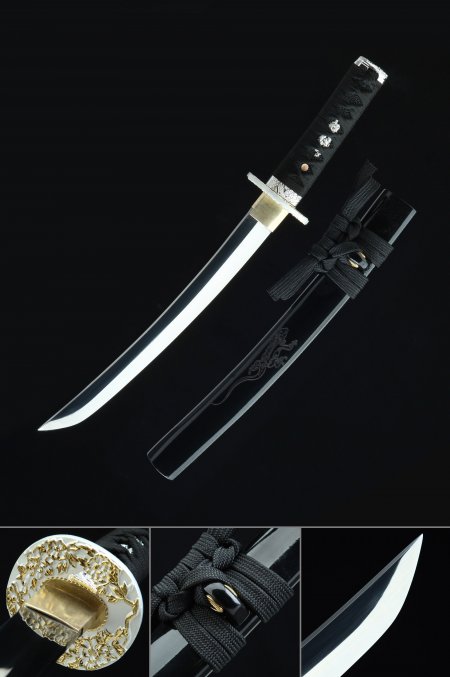
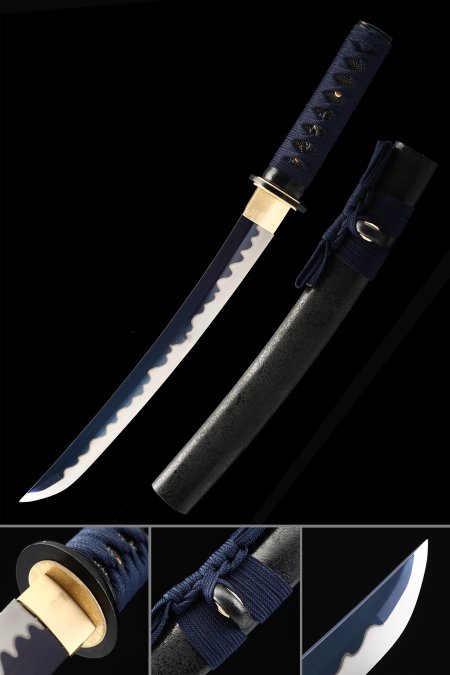
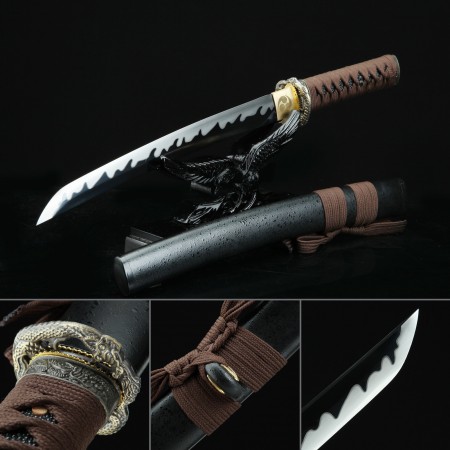
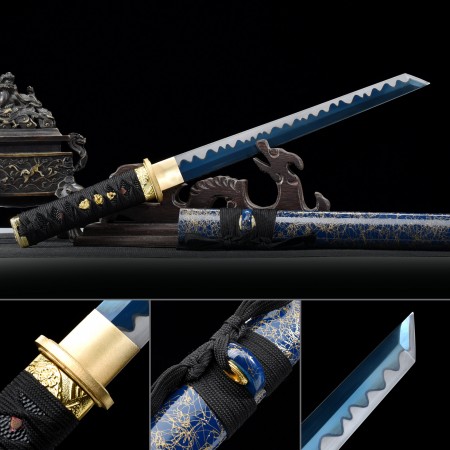
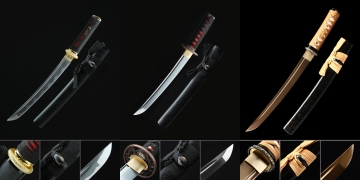
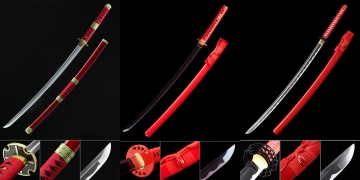
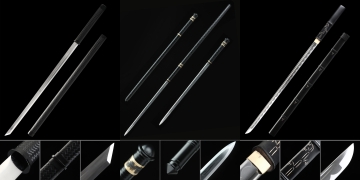
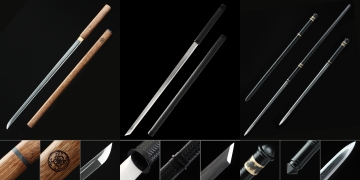
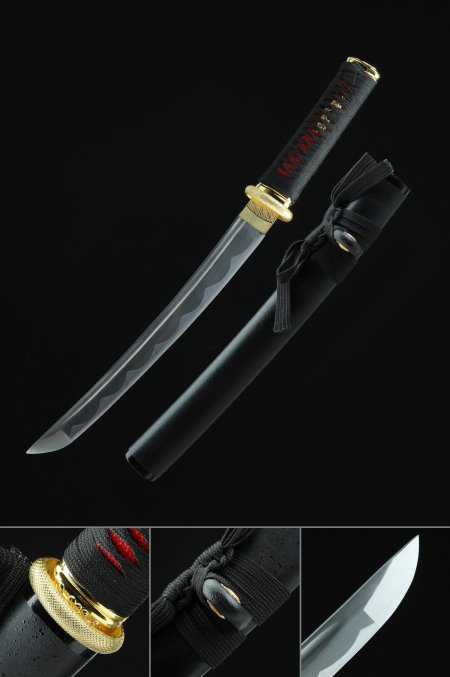
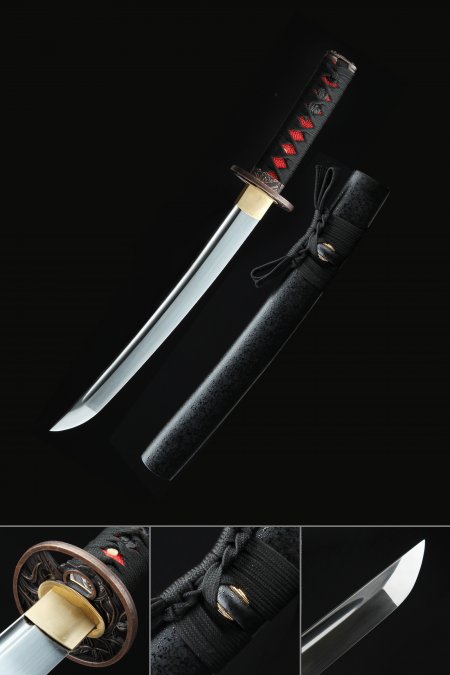
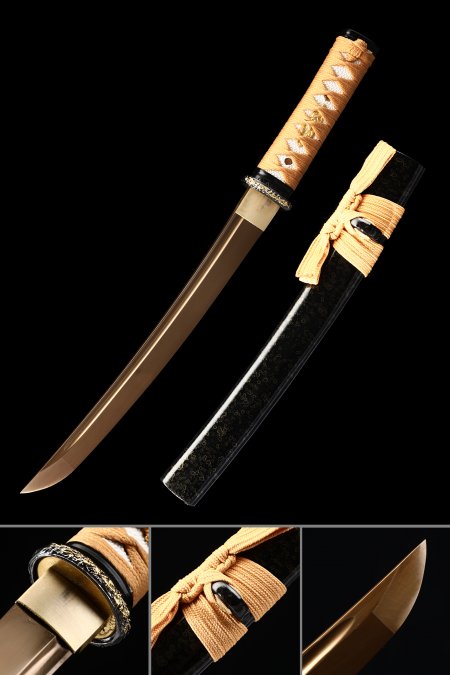
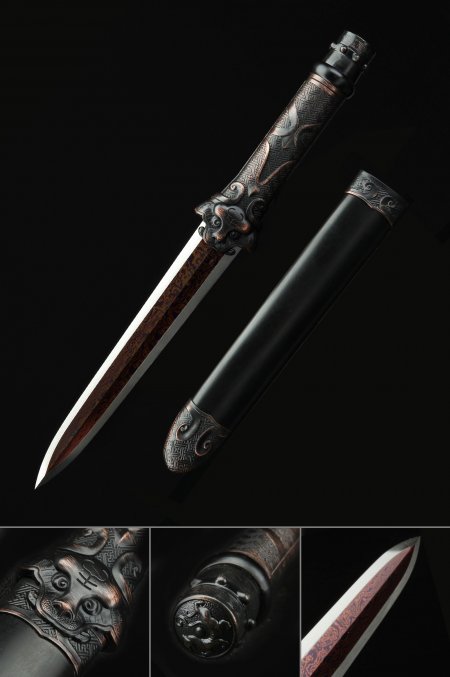
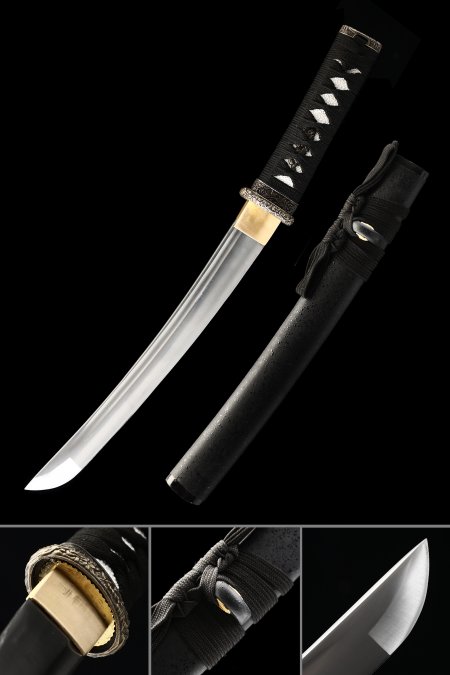
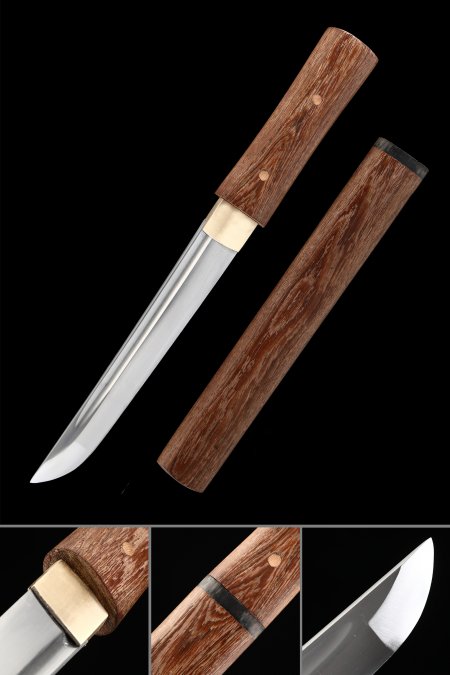
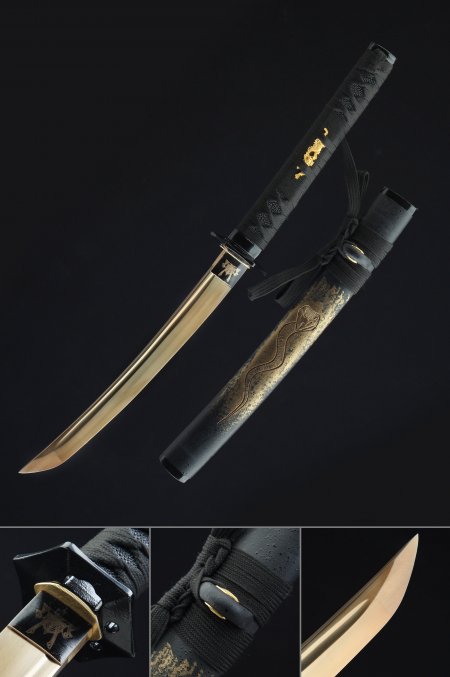
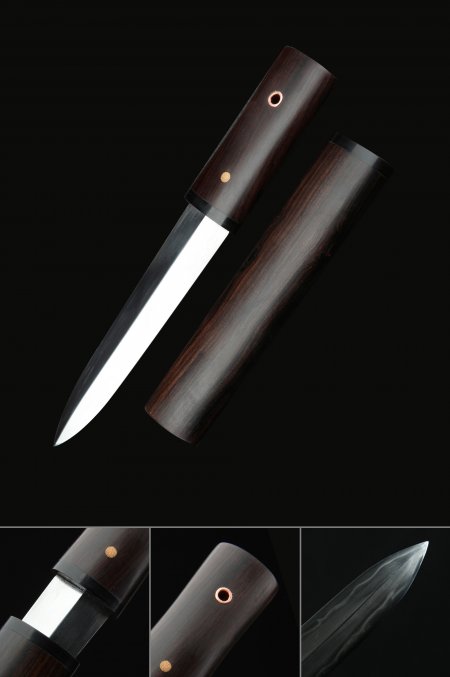
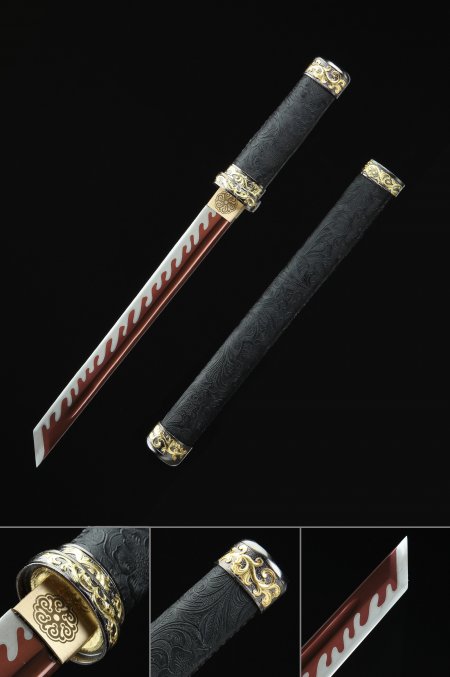
The 1045 carbon steel tanto occupies a respected place in Japanese blade tradition - short, purposeful, and refined in its geometry. Each piece in this collection is hand-forged from 1045 medium-high carbon steel, a grade prized for its balance of structural resilience and edge retention, making it well-suited for display and long-term preservation. Fittings range from bronze oval tsuba to ornate dragon guards, with saya options in lacquered hardwood, ebony, and rosewood - details that reward the discerning collector. Enjoy free standard shipping on your order, backed by our hassle-free return policy.
sirs i have tryed but am only able to upload 6%r
\
 |
1045 Carbon Steel Tanto Sword with Black Matte Hardwood Saya and Bronze Alloy Oval Tsuba - Full Tang |
Order was great. One of the sheaths did have a crack in it but thats ok.
 |
1045 Carbon Steel Tanto Sword with Black Matte Hardwood Saya and Gold Alloy Tsuba - Full Tang Japanese Short Sword |
Only regret is that this item was made in China, not Japan, since it represents a Japanese sword, but well made and impressive.
|
1045 Carbon Steel Tanto Sword with Black Matte Hardwood Saya and Bronze Alloy Oval Tsuba - Full Tang |
My boyfriend loved the short katana the weight was pleasing unexpected and now wants to order a long.
|
1045 Carbon Steel Tanto Sword with Black Matte Hardwood Saya and Bronze Alloy Oval Tsuba - Full Tang |
True Katana never ceases to amaze me with the quality each blade I purchase, I can’t wait to purchase more!
 |
Double Edge Tanto in Folded Red Pattern Steel with Bronze Beast Guard and Ebony Saya |
I love it, the knot on the handle came off but is was no big deal easy fix, haven't used it a lot but is still sharp!!
|
1045 Carbon Steel Tanto Sword with Black Matte Hardwood Saya and Gold Alloy Tsuba - Full Tang Japanese Short Sword |
Very quick delivery. This is the second blade I’ve ordered and both have been fantastic. My one complaint with the recent one is that the sheath doesn’t fit snug and falls off if turned upside down.
|
1045 Carbon Steel Tanto Sword with Black Matte Hardwood Saya and Bronze Alloy Oval Tsuba - Full Tang |
Got this for my son for Christmas who started collecting swords, looks awesome and he loved it!!!
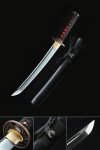 |
1045 Carbon Steel Tanto Sword with Black Ito Wrap, Red Samegawa and Bronze Orchid Tsuba - Full Tang |