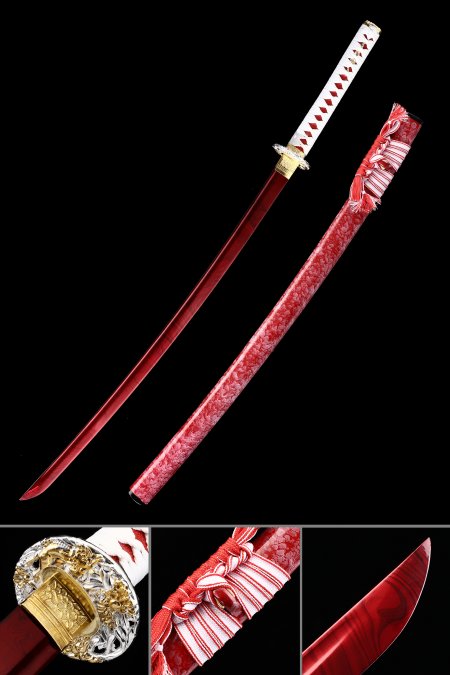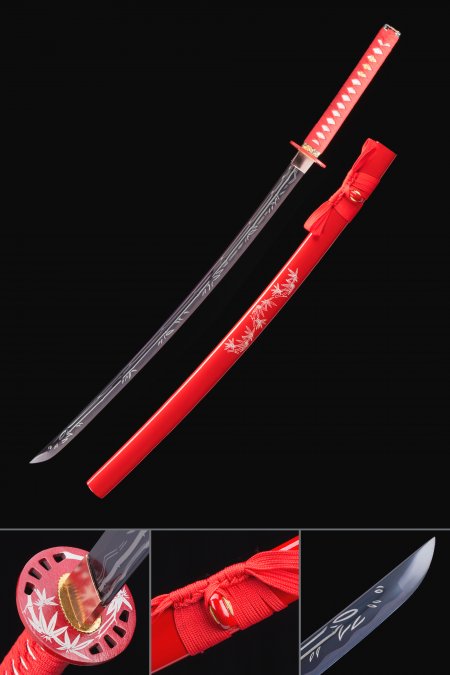
Red 1045 Carbon Steel Katana

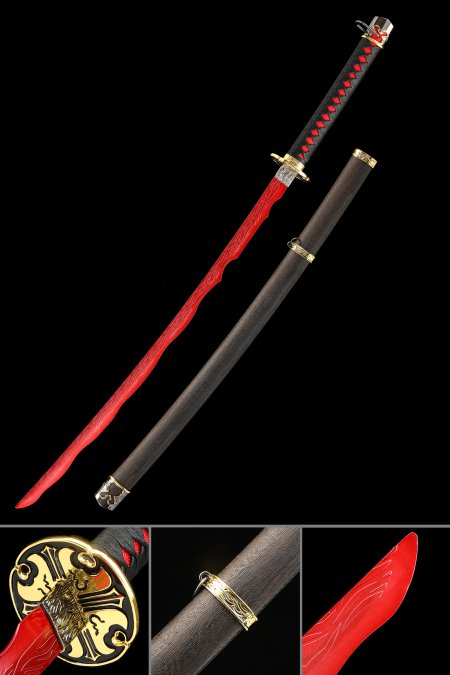
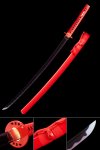
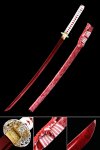
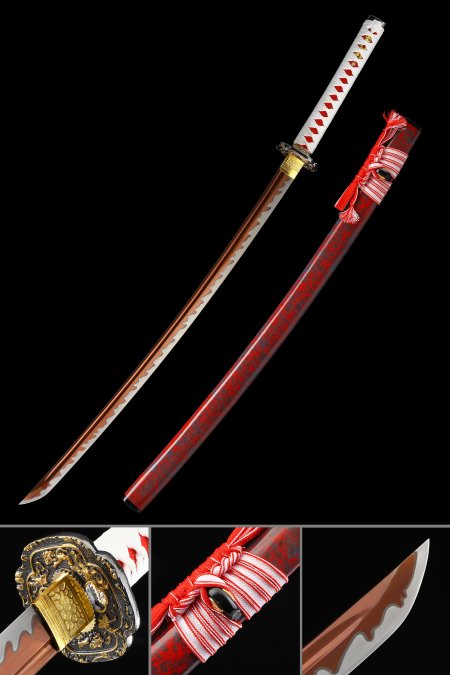
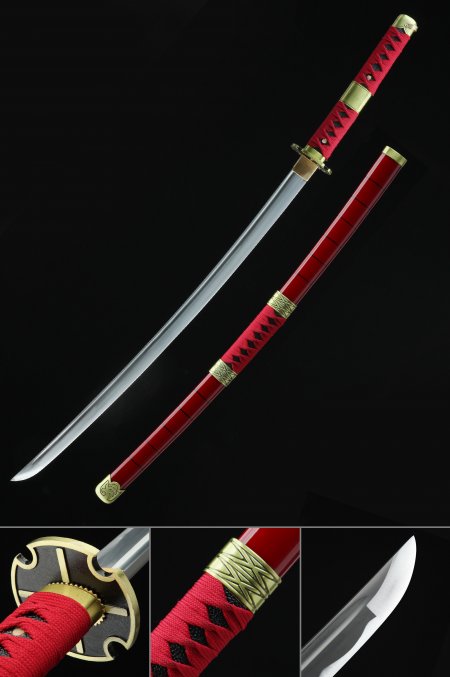
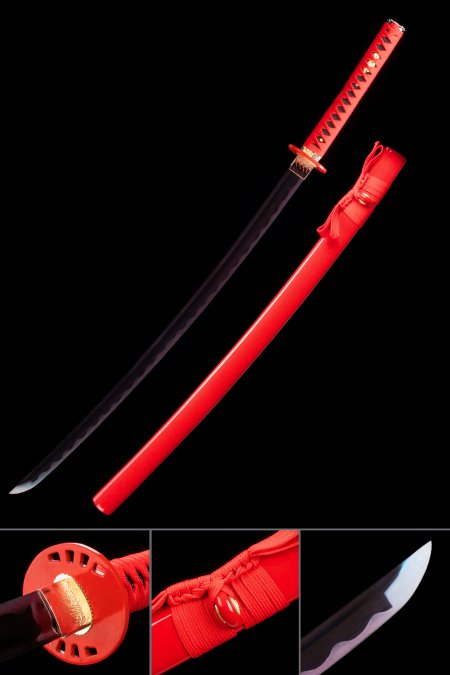
Red 1045 carbon steel katana swords handcrafted for collectors who value both striking aesthetics and authentic construction. Each blade is individually forged from 1045 carbon steel, fitted with a hand-wrapped tsuka, and finished with a bold red lacquer saya that commands attention on any display. From anime-inspired replicas to traditional samurai silhouettes, every piece in this collection is built full-tang with meticulous attention to assembly detail. Enjoy free shipping on your order, plus hassle-free returns for a confident collecting experience.
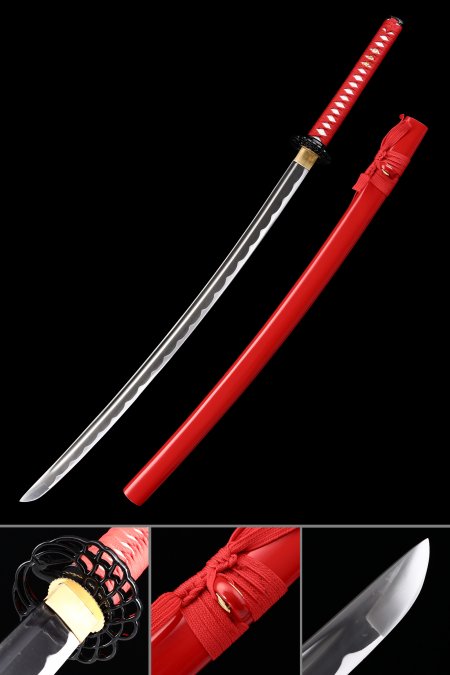
Showing 9 Products

Related Collections

Frequently Asked Questions

What makes 1045 carbon steel a good choice for a display katana?
1045 carbon steel contains roughly 0.45% carbon, placing it in the medium-carbon range. That composition makes it relatively easy to forge, grind, and polish to a consistent finish - qualities that matter most for a collectible sword where visual presentation is the priority. The steel holds an edge geometry well under normal display conditions and resists minor surface oxidation better than higher-carbon alloys that require more active maintenance. While it does not form the dramatic hamon patterns that clay-tempered high-carbon steels produce, its surface polishes cleanly and accepts lacquer-adjacent finishing techniques with excellent results. For a collector focused on bold aesthetics - especially the vivid contrast of a red saya against a polished blade - 1045 delivers a reliable, visually satisfying result without the extra care demands of T10 or 1095 steel.
How does a 1045 katana differ from a T10 or 1095 steel piece?
The differences come down to carbon content, heat treatment potential, and surface character. T10 tool steel and 1095 high-carbon steel both contain significantly more carbon (0.95-1.0%), which allows a skilled smith to perform clay tempering - a process that creates a visible hamon (temper line) along the blade. That hamon is one of the most prized visual elements in traditional Japanese sword aesthetics. A 1045 blade, by contrast, does not clay-temper in the same way, so its appeal comes from clean geometry, consistent polish, and the overall composition of fittings and saya rather than from blade-surface detail alone. For collectors who prioritize striking overall presentation - bold red lacquer, decorative tsuba, anime-accurate proportions - 1045 is an excellent and more accessible choice. Collectors who want visible metallurgical surface character should explore the Red 1095 Carbon Steel Japanese Samurai Swords collection for that level of detail.
How should I care for a red lacquer saya at home?
Red lacquer saya are beautiful but need a few simple precautions to stay that way over years of display. First, keep the piece out of prolonged direct sunlight - UV exposure causes lacquer pigments to fade and can cause the underlying wood to warp or crack along the grain. A display away from south-facing windows or behind UV-filtering glass is ideal. Humidity is the other key variable: lacquer over wood can develop hairline cracks if indoor air becomes very dry, so a small room humidifier in winter months goes a long way. For cleaning, a soft dry cloth is all that's needed for dust; avoid water or solvent-based cleaners, which can dull or lift the finish. If the saya has decorative engraving or inlaid elements, use a soft brush - like a clean watercolor brush - to clear dust from recessed areas without scratching the surface.
Are the Roronoa Zoro replica swords in this collection display-quality?
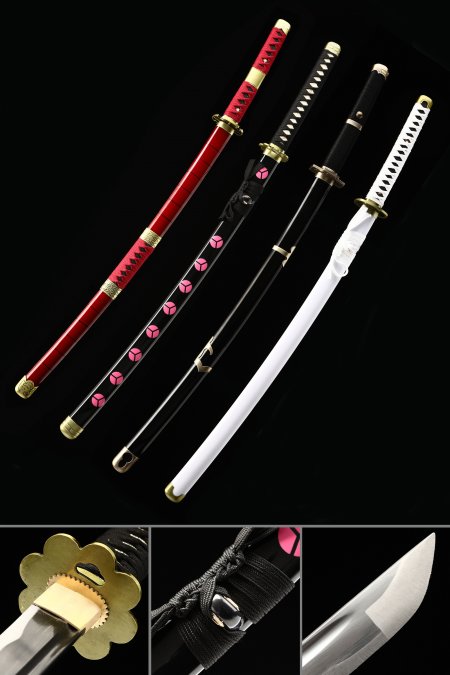
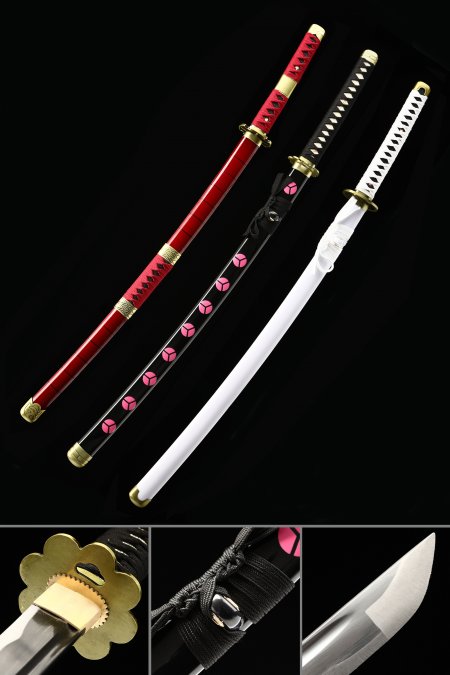
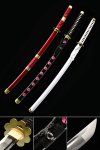
Yes - the Zoro replicas listed here, including the Sandai Kitetsu and the multi-sword set options, are built to collectible display standards rather than costume-grade specifications. That means full-tang blade construction, properly fitted tsuba and habaki, and wrapped tsuka handles using genuine assembly methods. The Sandai Kitetsu replica in particular is finished with the signature red-wrapped handle and matching saya that makes it immediately recognizable to One Piece collectors, while still being constructed from 1045 carbon steel with hardware that holds up to close inspection. These are pieces that display well on a wall mount or in a sword stand alongside original-style katana - they don't look out of place next to more traditionally styled swords in a mixed collection. Fans collecting the full Santoryu set will find that all three swords in the trio are dimensionally consistent and display well together.
What display setup works best for a red katana collection?
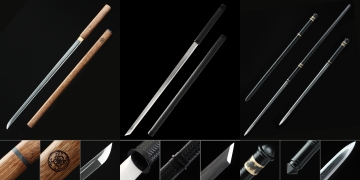
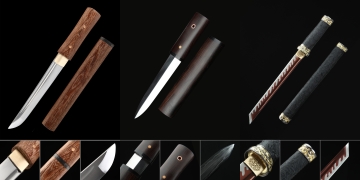
For a single piece, a horizontal wall mount at roughly eye level lets the full profile of the saya and handle read clearly without the clutter of surrounding objects. For two or three swords - such as a Santoryu trio or a paired katana and tanto - a tiered wooden floor stand allows each piece to be angled slightly differently, creating visual rhythm. When displaying mixed blade lengths together, position the longest sword at the back or top tier so shorter pieces don't visually disappear behind it. Red lacquer saya photograph and display best against neutral backgrounds: matte white, charcoal gray, or natural wood tones all allow the red to remain the focal point. If you later add a T10 Carbon Steel Tanto to the display, its smaller scale acts as a natural accent piece that gives the arrangement a sense of hierarchy without competing with the katana's visual weight.

Customer Reviews