1065 Katana
A good katana should feel alive in the hands, not overly heavy or fragile, and that balance is part of why many collectors appreciate 1065 steel. A solid 1065 katana offers a practical mix of toughness and edge retention, making it a reliable choice for people who want more than a display piece. These swords use full tang construction, careful heat treatment, and traditional shaping that give each blade a grounded, authentic feel. Whether you’re drawn to Japanese sword culture, martial arts training, or simply enjoy owning a well-made blade, a 1065 samurai sword has a straightforward honesty to it. Browse the collection and find the style that fits what you value most in a katana.
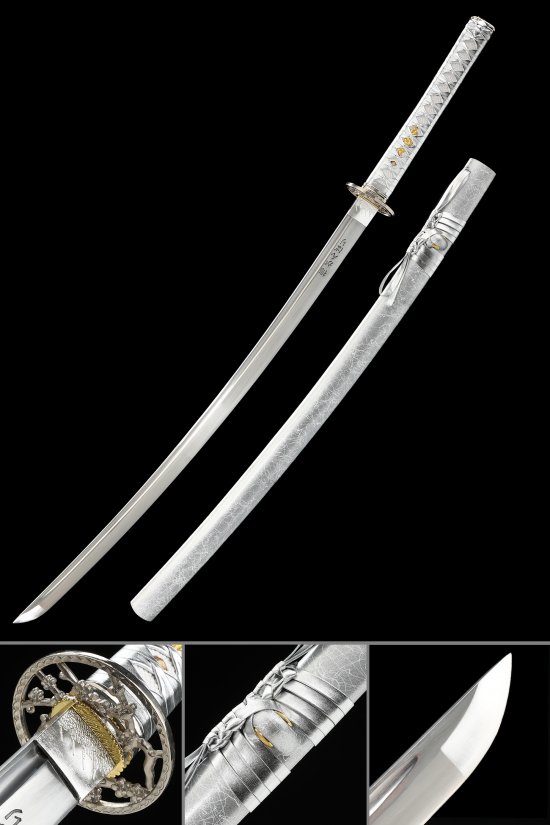
1065 Carbon Steel Full Tang Katana With Silver Saya, Floral Alloy Tsuba And White Cord Handle
6 Reviews
ON SALE 30% OFF
$149.00
$209.00
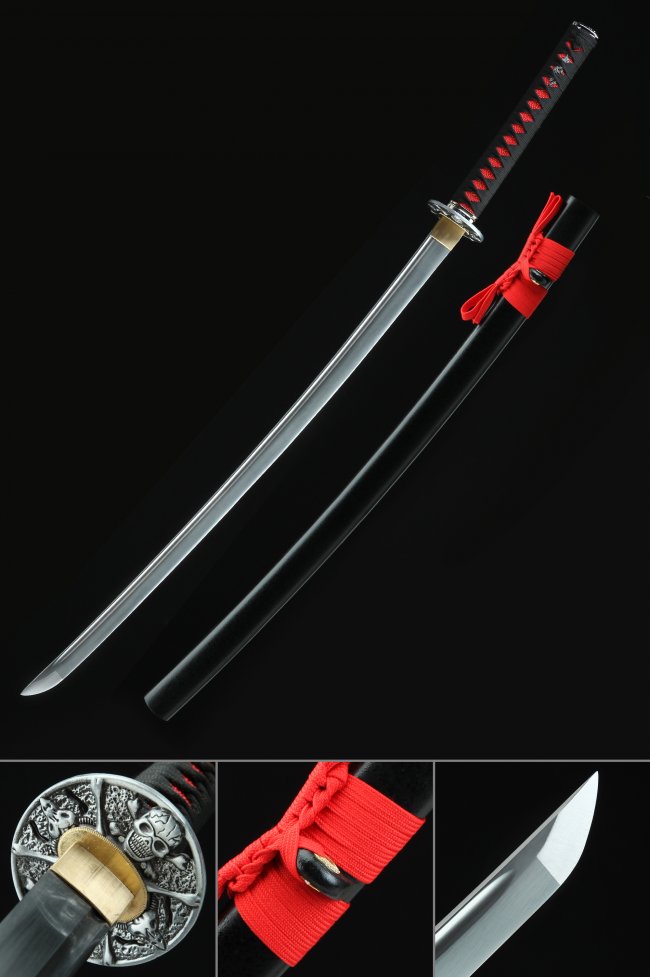
1065 Carbon Steel Full Tang Katana With Skull Tsuba In Black Saya And Red Sageo - Collectible Japanese Sword
6 Reviews
ON SALE 15% OFF
$169.00
$199.00
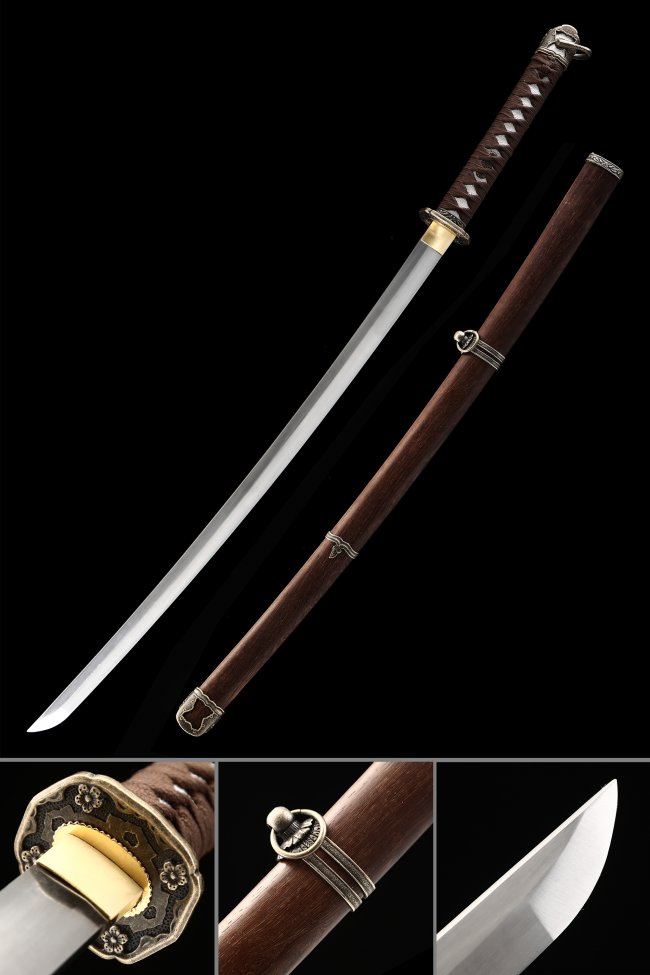
Wwii Type 98 Shin Gunto Officer Katana - 1065 Carbon Steel With Brown Rosewood Saya And Alloy Flower Tsuba
28 Reviews
ON SALE 15% OFF
$189.00
$219.00
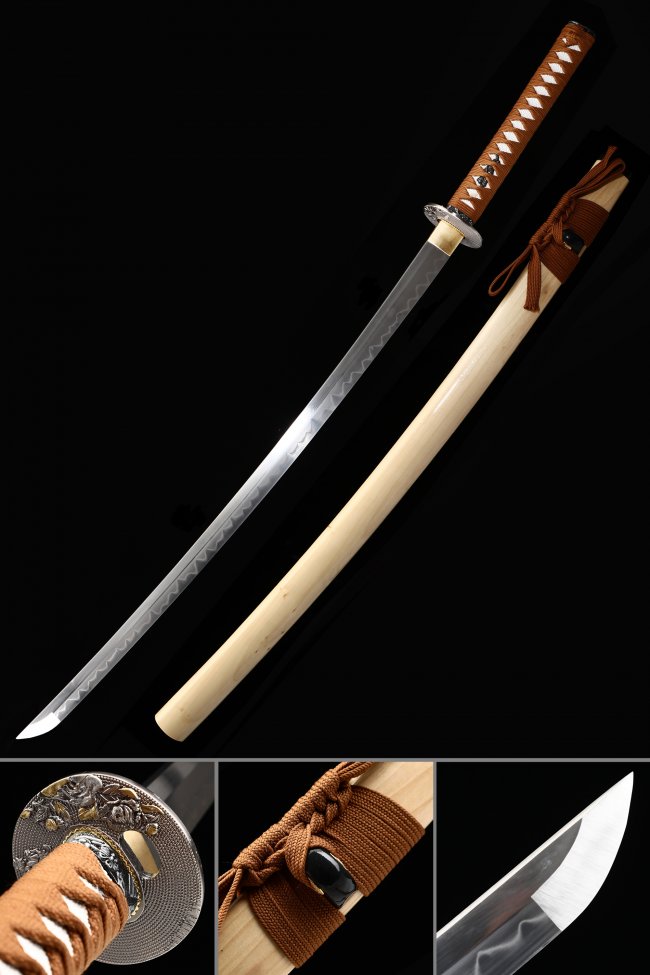
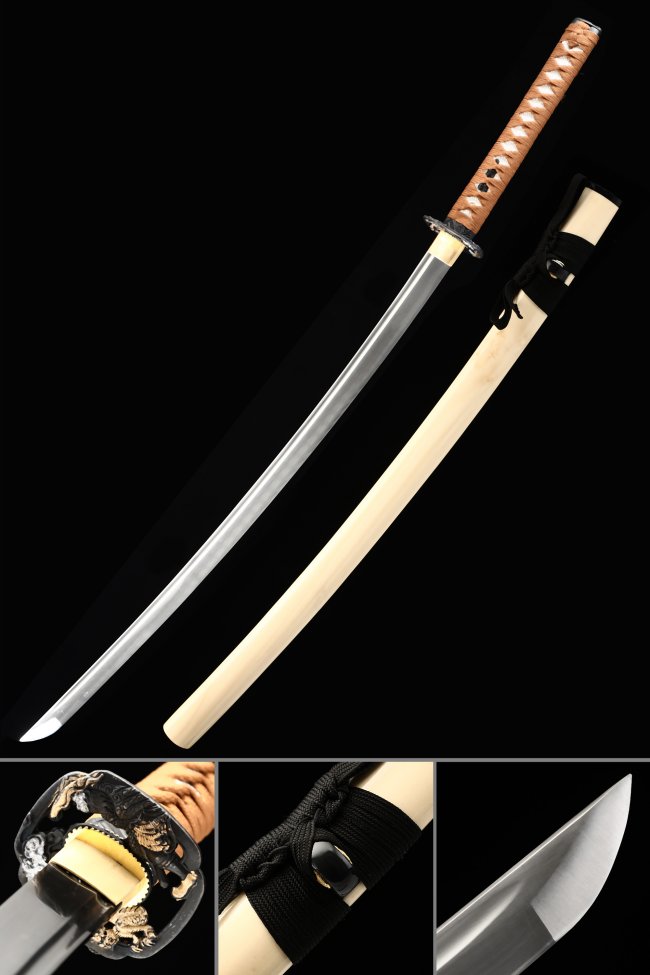
1065 Carbon Steel Japanese Katana With Clay-tempered Hamon And Natural Hardwood Saya In Brown Ito Wrap
15 Reviews
ON SALE 15% OFF
$179.00
$209.00
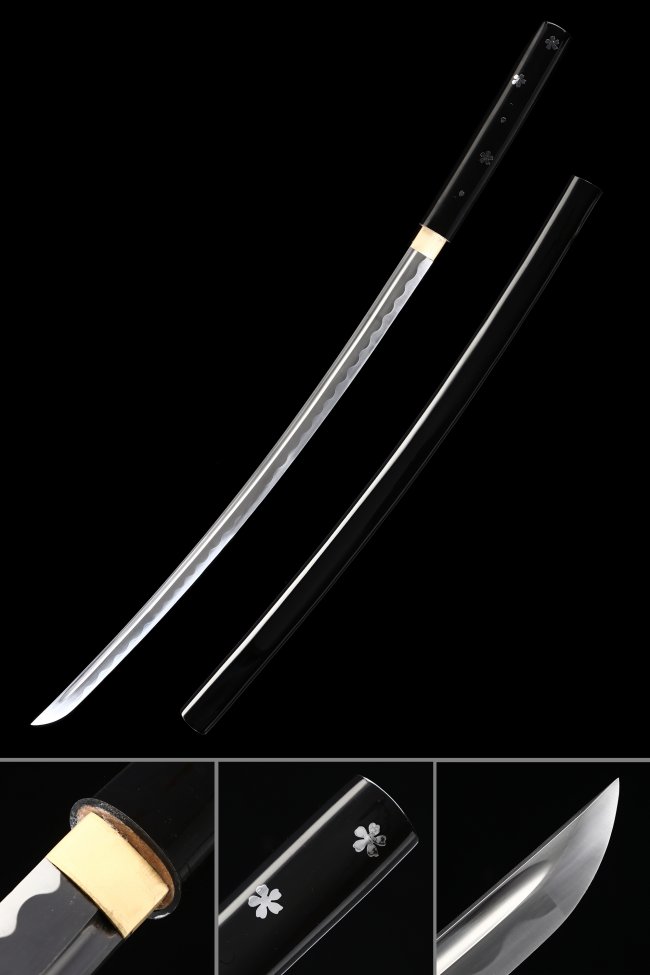
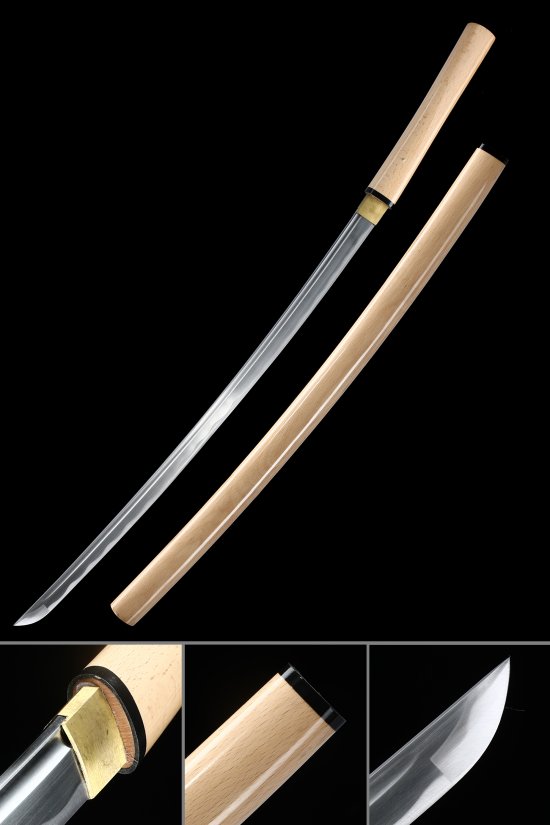
O-ren Ishii Sword - Kill Bill Shirasaya Katana Hattori Hanzo 1065 Carbon Steel Silver Flower Handle
15 Reviews
ON SALE 20% OFF
$179.00
$219.00
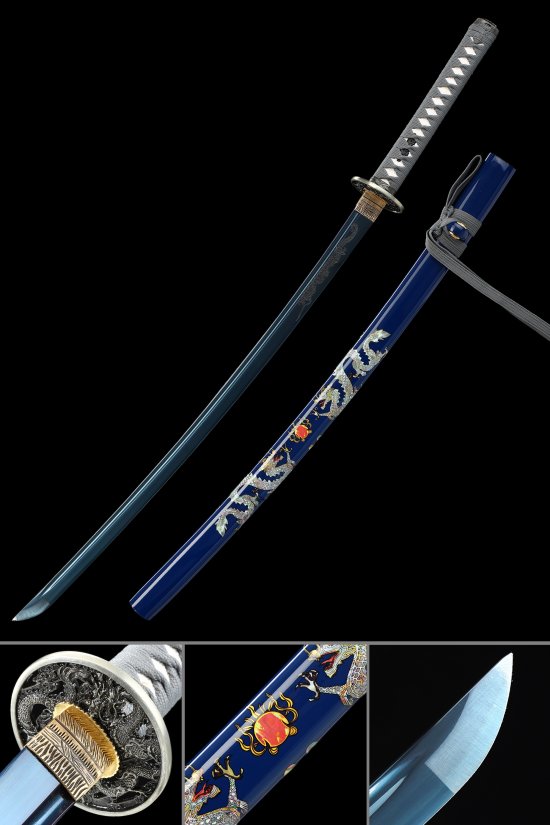
1065 Carbon Steel Blue Blade Katana With Dragon-themed Saya In Deep Blue Lacquer And Grey Cord Wrap
5 Reviews
ON SALE 20% OFF
$169.00
$209.00
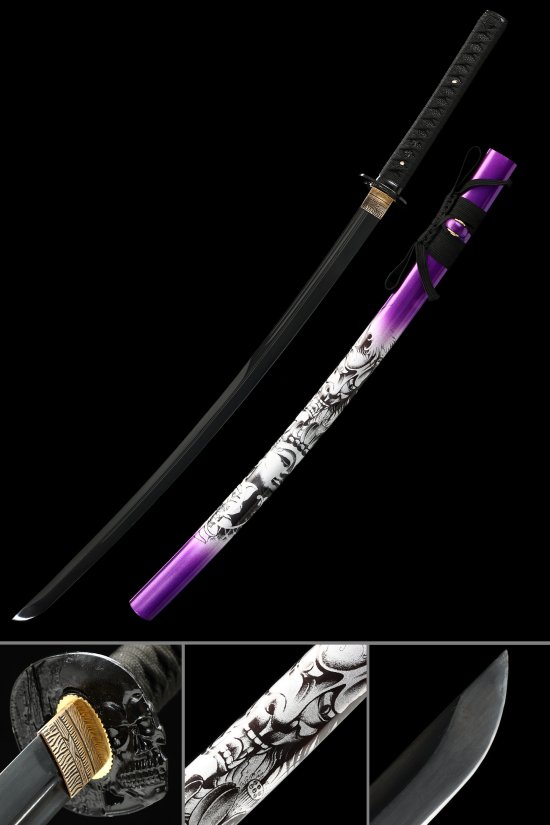
1065 Carbon Steel Katana With Black Blade And Purple Illustrated Saya - Skull Tsuba Collectible Sword
5 Reviews
ON SALE 20% OFF
$169.00
$209.00
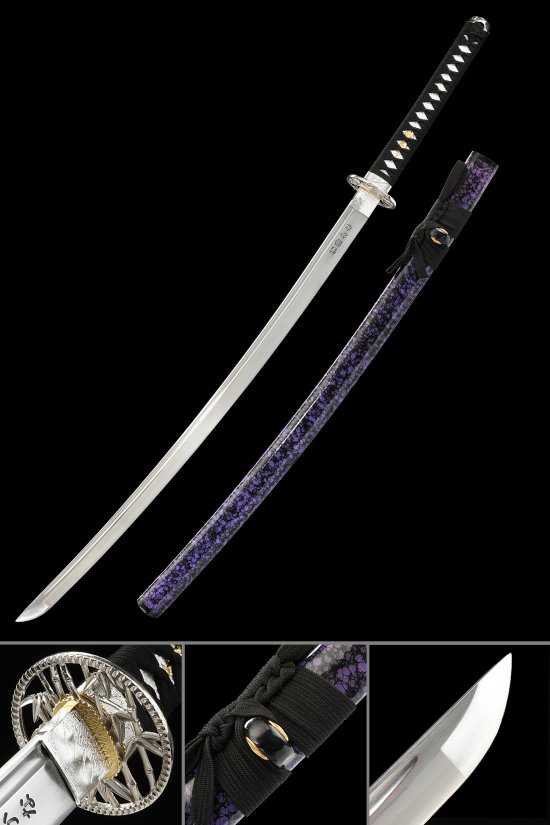
1065 Carbon Steel Japanese Katana With Purple Speckled Saya And Bamboo Theme Alloy Tsuba - Full Tang Collectible Sword
2 Reviews
ON SALE 20% OFF
$169.00
$209.00
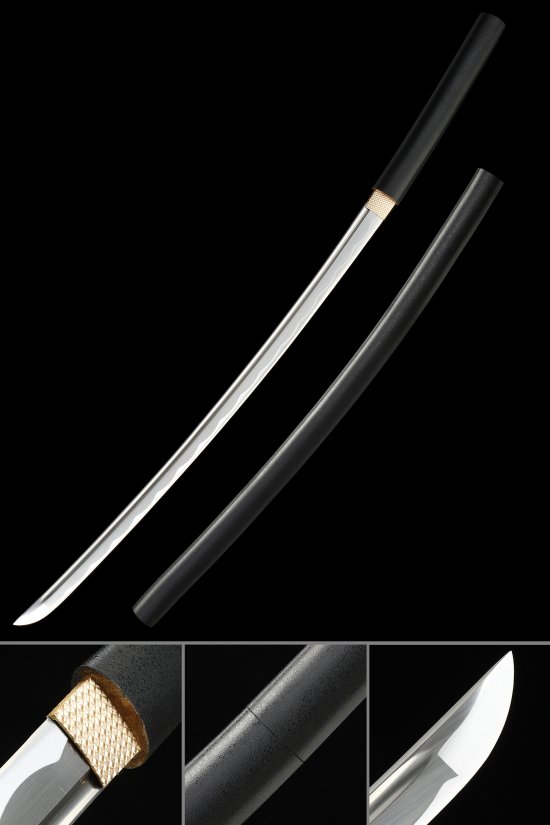
1065 Carbon Steel Shirasaya Katana With Black Matte Hardwood Saya And Gold Habaki Collar
9 Reviews
ON SALE 20% OFF
$149.00
$189.00
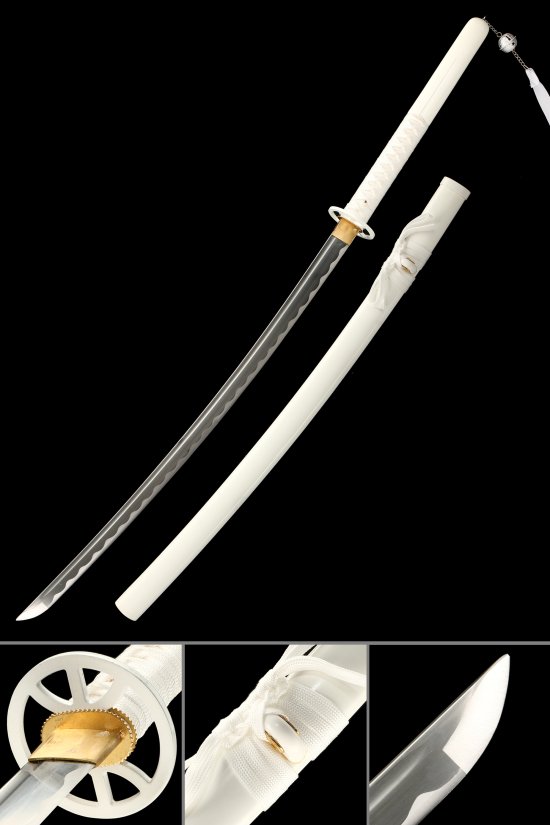
Sode No Shirayuki Rukia Kuchiki Katana In White - Clay-tempered 1065 Steel Bleach Replica Sword
3 Reviews
ON SALE 20% OFF
$139.00
$169.00
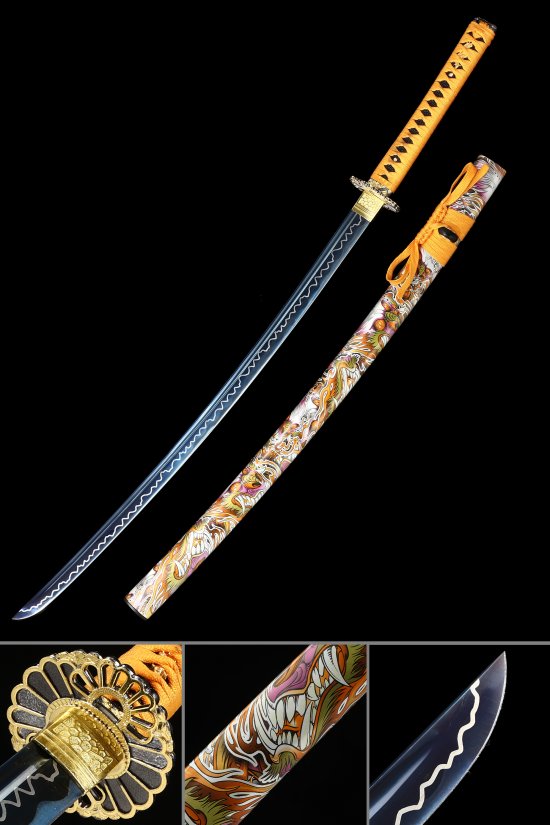
1065 Carbon Steel Blue Katana With Lightning Hamon In Graffiti Art Saya And Gold Flower Tsuba
1 Reviews
ON SALE 30% OFF
$159.00
$229.00
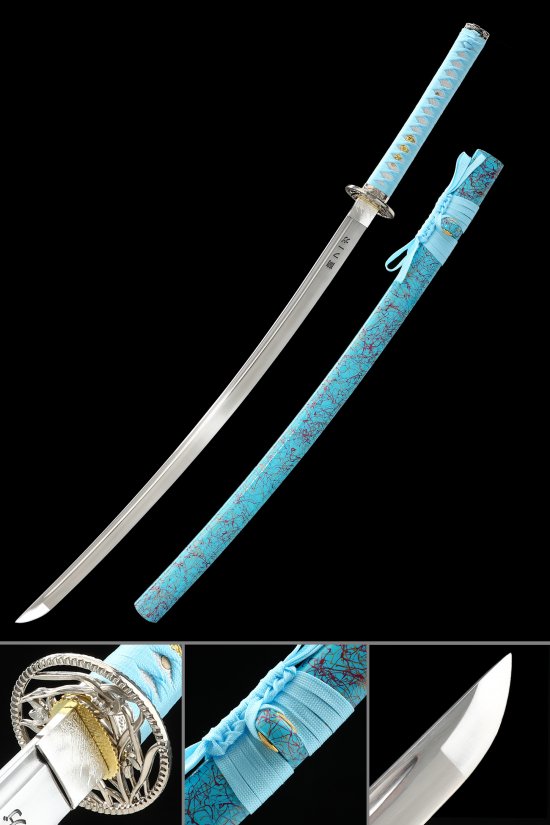
1065 Carbon Steel Full Tang Katana With Sky Blue Marble Saya And Silver-gold Floral Tsuba
3 Reviews
ON SALE 30% OFF
$149.00
$209.00
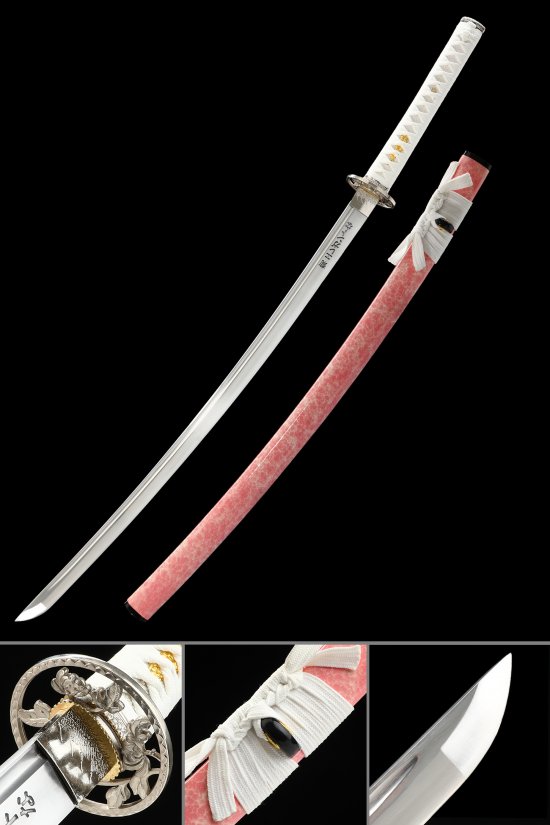
1065 Carbon Steel Full Tang Katana With Pink Lacquered Saya And White Cord Handle - Floral Tsuba Collectible Sword
1 Reviews
ON SALE 30% OFF
$149.00
$209.00
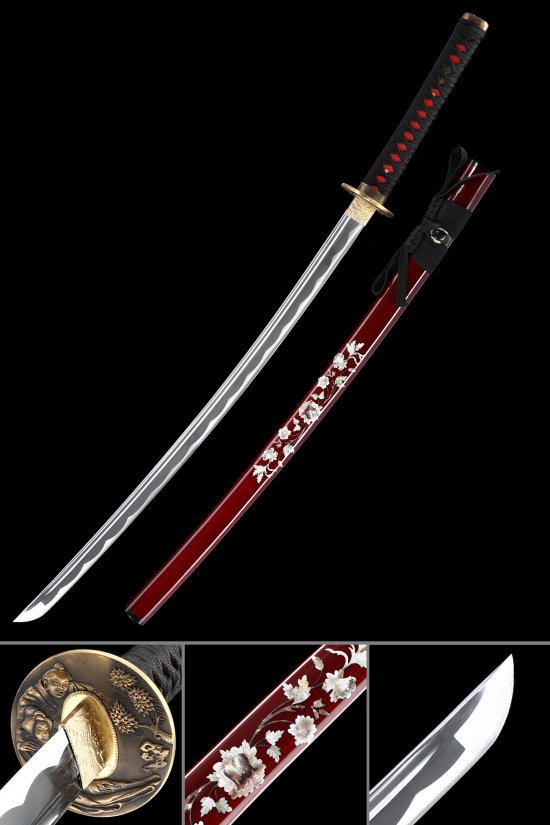
1065 Carbon Steel Katana With Dark Red Floral Saya - Gold Samurai Tsuba, Black-red Tsuka
4 Reviews
ON SALE 30% OFF
$129.00
$179.00
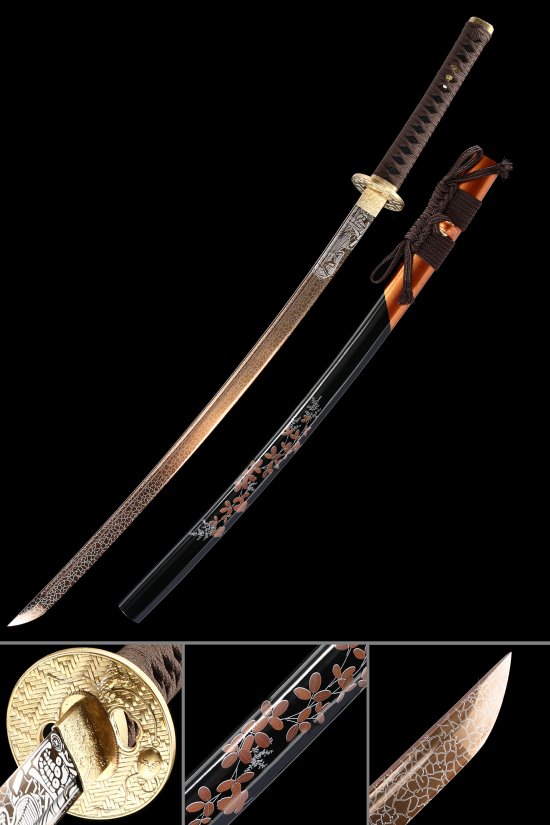
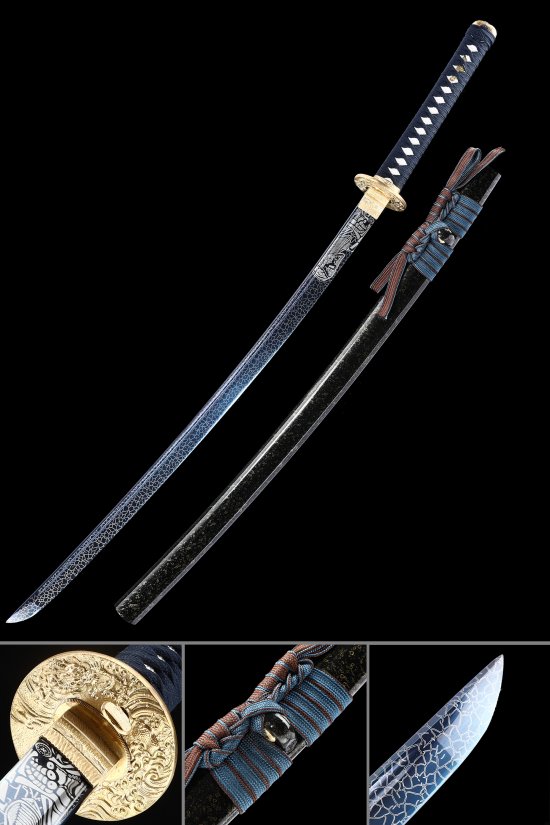
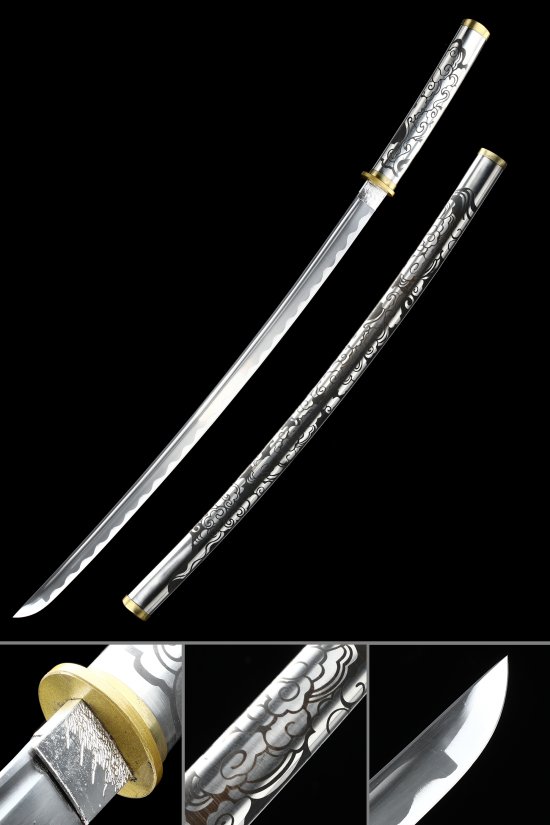
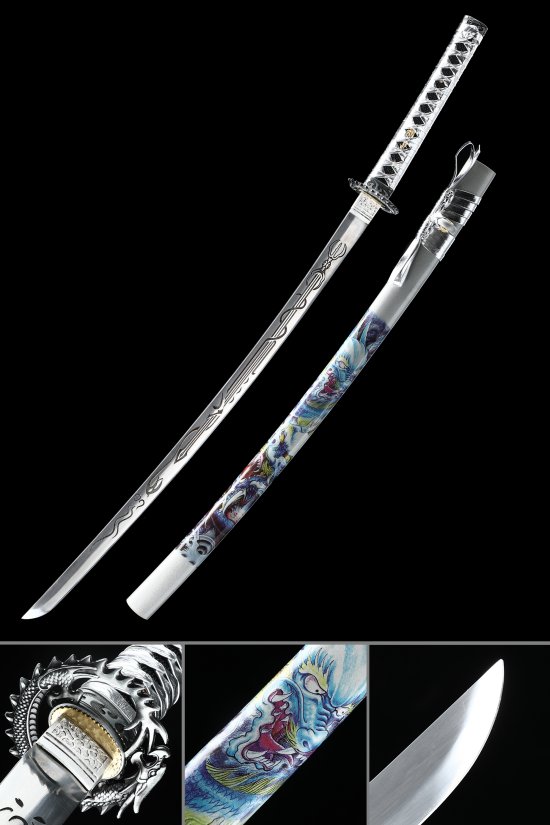
1065 Carbon Steel Katana With Dragon-engraved Blade In White Multicolor Dragon Saya
1 Reviews
ON SALE 30% OFF
$119.00
$169.00
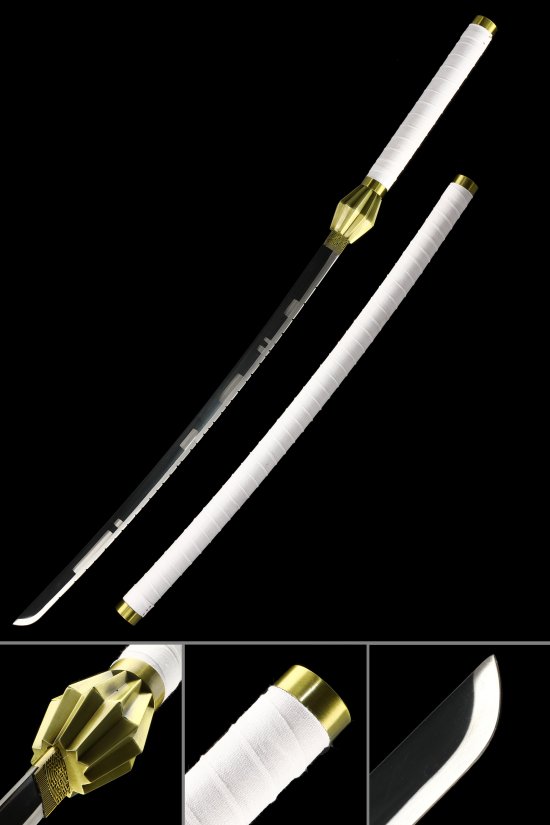
Nozarashi Zanpakuto 1065 Carbon Steel Replica With White Saya - Kenpachi Zaraki Sword From Bleach
3 Reviews
ON SALE 30% OFF
$119.00
$169.00
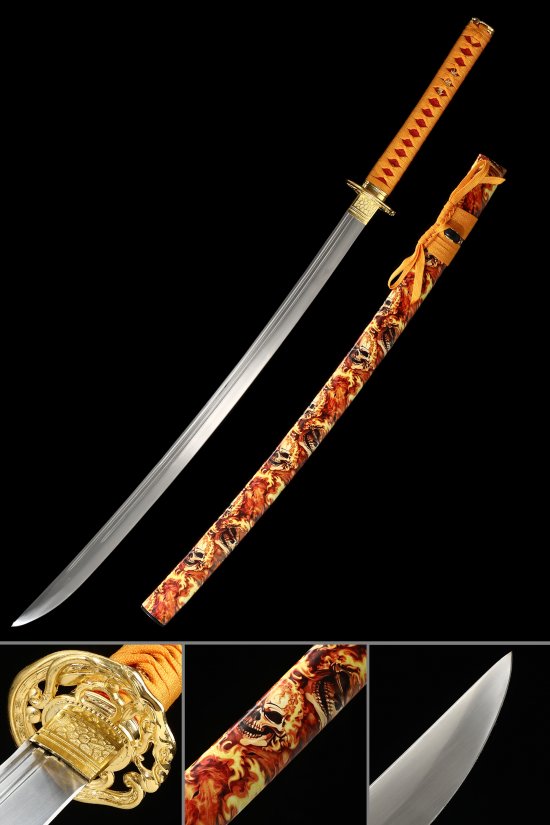
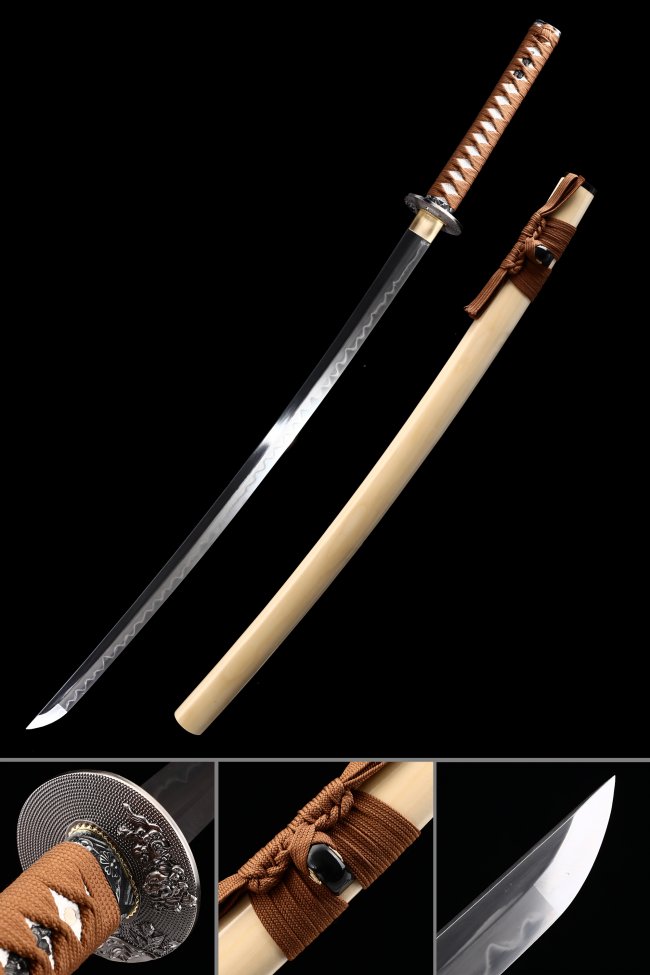
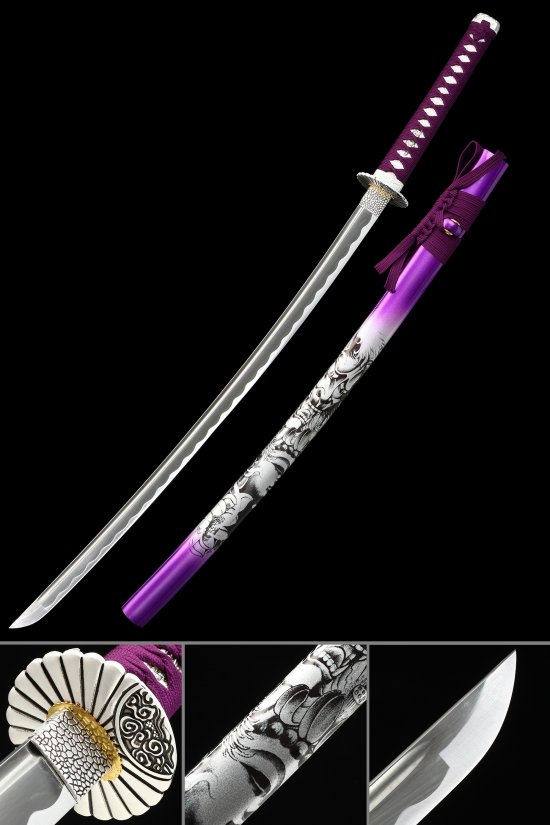
1065 Carbon Steel Katana With Dragon Saya In Purple-white - Chrysanthemum Tsuba
1 Reviews
ON SALE 30% OFF
$119.00
$169.00
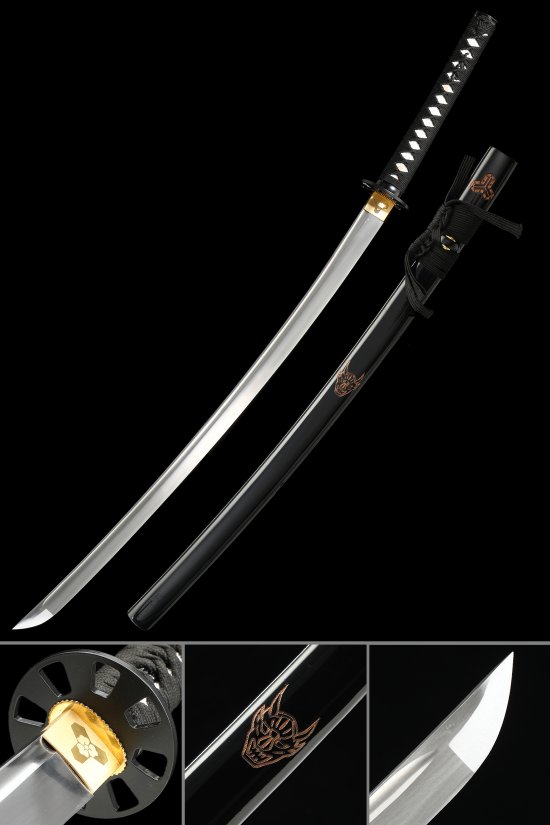
1065 Carbon Steel Katana With Black Piano Lacquer Saya - Dragon Engraving, Geometric Tsuba
ON SALE 30% OFF
$119.00
$169.00
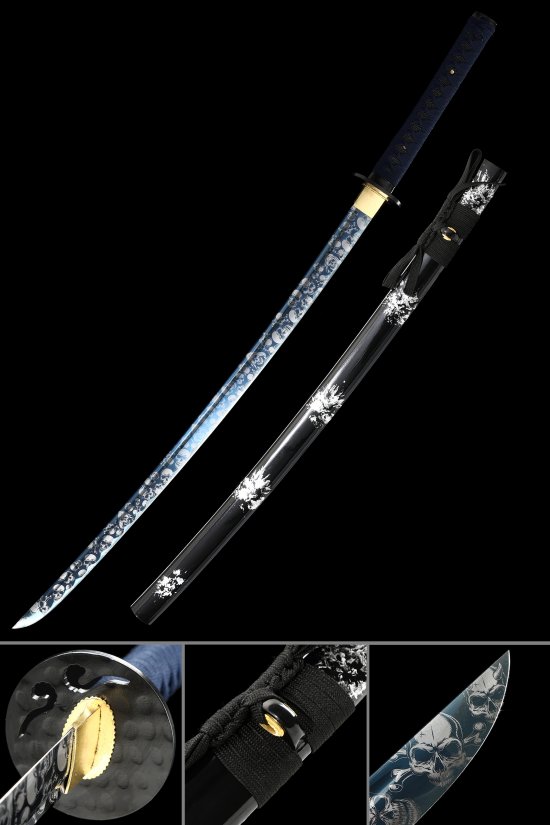
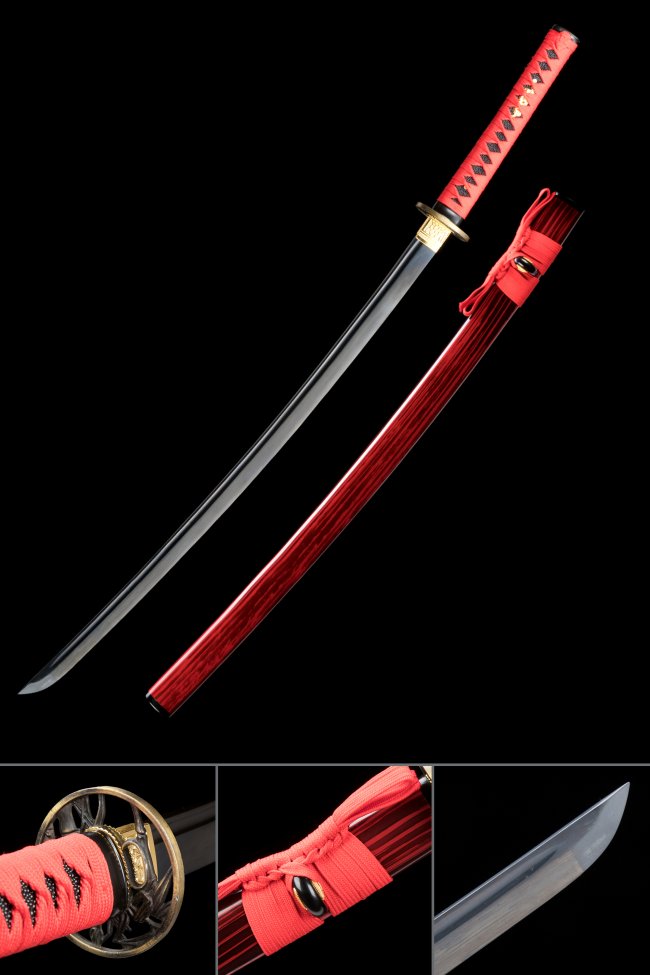
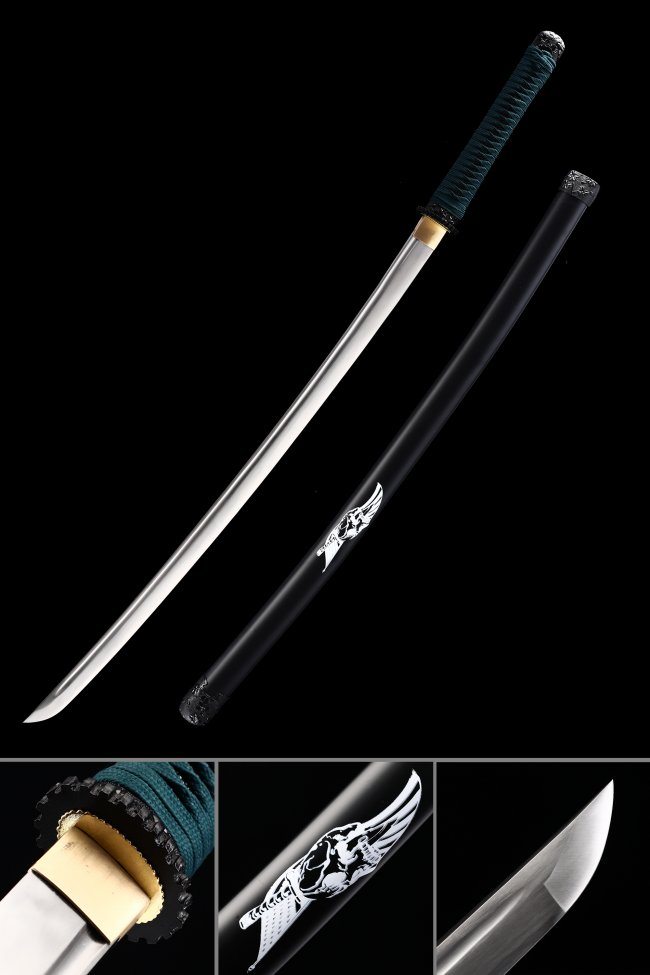
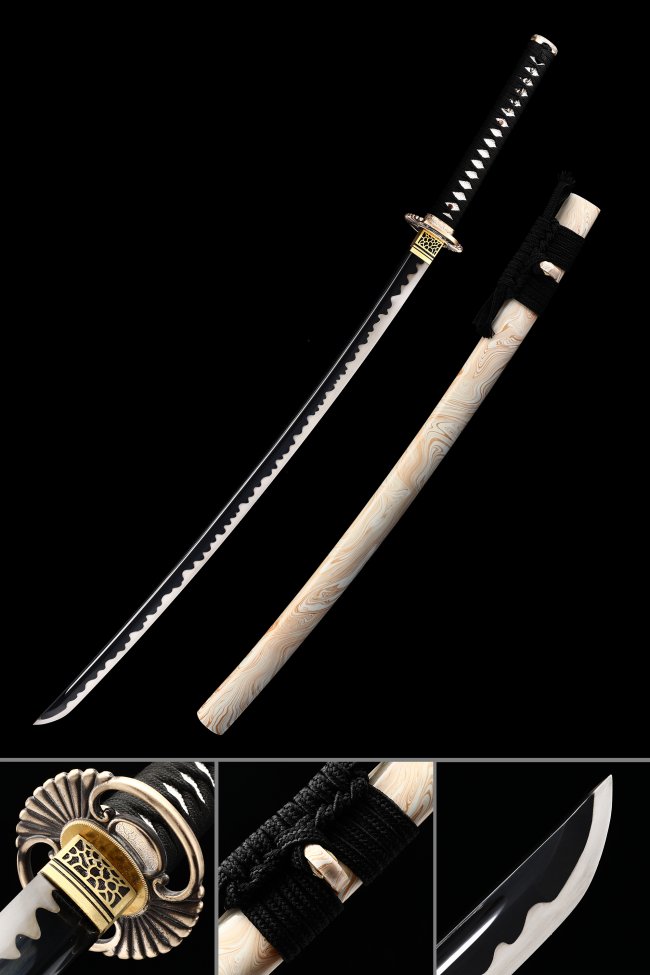
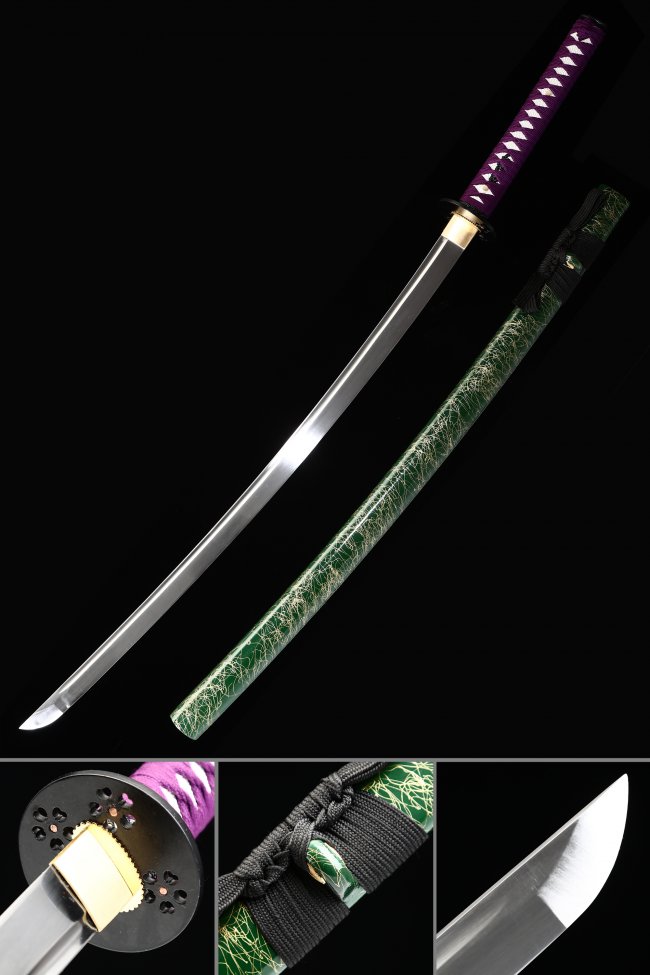
1065 Carbon Steel Katana With Green Piano Lacquer Saya And Purple Tsuka - Full Tang Samurai Sword
7 Reviews
ON SALE 15% OFF
$189.00
$219.00
Related Collections
Short Tanto 98 items
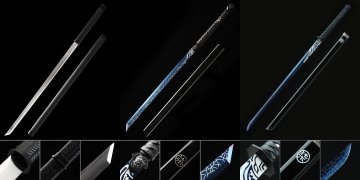
Full Tang Ninjato 56 items
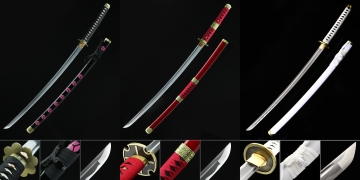
Roronoa Zoro Sword 10 items
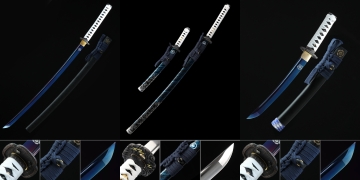
Ghost of Tsushima Sword 3 items
Customer Reviews
Overall great katana, the saya is nicely wrapped. Nothing around the tsuba is loose, the kashira could be a bit tighter but no problems. Only thing I personally don’t like is the sageo material and ito material but it probably something on my end I didn’t do but overall it’s my first katana and it’s a pretty good one.
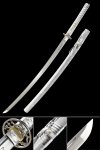 1065 Carbon Steel Full Tang Katana with Silver Saya, Floral Alloy Tsuba and White Cord Handle
Verified Purchase
1065 Carbon Steel Full Tang Katana with Silver Saya, Floral Alloy Tsuba and White Cord Handle
Verified Purchase
The Katana looked good well made for the price i have bought from store before. but was not expecting it to come from over seas but did give me a tracking so kept an eye on it. real sword but i just like to keep as a collector
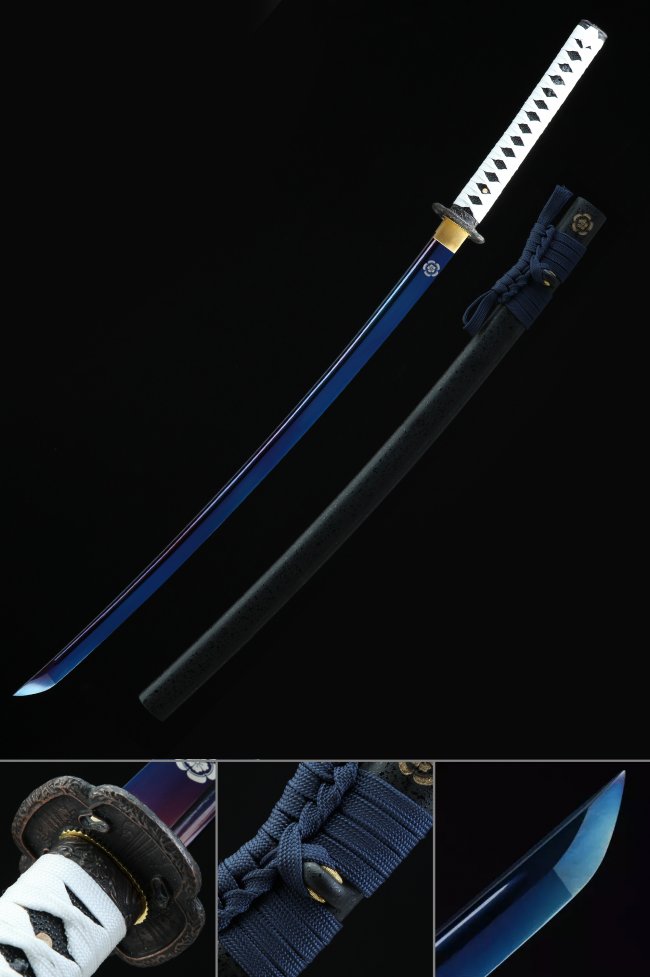
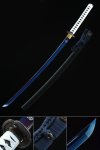 Ghost of Tsushima Katana - Jin Sakai Replica, 1065 Carbon Steel, Blue Blade, Black Saya
Verified Purchase
Ghost of Tsushima Katana - Jin Sakai Replica, 1065 Carbon Steel, Blue Blade, Black Saya
Verified Purchase
The product arrived quickly and was in good condition when arrived. My husband loves his katana, he was very pleased.
Ghost of Tsushima Katana - Jin Sakai Replica, 1065 Carbon Steel, Blue Blade, Black Saya
Verified Purchase
The sword looks awesome my son loves it. The packaging needs more. The sword shines from China and comes in a thin Styrofoam package. The tsuba ( gaurd) actually wore through Styrofoam.
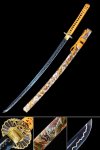 1065 Carbon Steel Blue Katana with Lightning Hamon in Graffiti Art Saya and Gold Flower Tsuba
Verified Purchase
1065 Carbon Steel Blue Katana with Lightning Hamon in Graffiti Art Saya and Gold Flower Tsuba
Verified Purchase
Well done quality and craftsmanship, but I was wondering if you guys could maybe add a sticker placement, on which way to open the sword box, thank you!
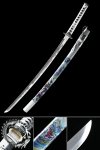 1065 Carbon Steel Katana with Dragon-Engraved Blade in White Multicolor Dragon Saya
Verified Purchase
1065 Carbon Steel Katana with Dragon-Engraved Blade in White Multicolor Dragon Saya
Verified Purchase
I love this sword, the quality is excellent and I will be buying more!!
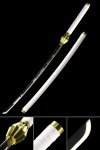 Nozarashi Zanpakuto 1065 Carbon Steel Replica With White Saya - Kenpachi Zaraki Sword From Bleach
Verified Purchase
Nozarashi Zanpakuto 1065 Carbon Steel Replica With White Saya - Kenpachi Zaraki Sword From Bleach
Verified Purchase
Love this katana blade. Gotta recommend being extremely careful with it, as it's extremely sharp. The blade got stuck in the cover, and when I tried to pull the blade out, it cut in between my thumb and pointer finger so deep, I need stitches! Beautiful cover, and love the shade of purple that is used. Great price for this absolutely true katana.
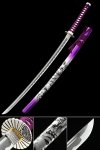 1065 Carbon Steel Katana with Dragon Saya in Purple-White - Chrysanthemum Tsuba
Verified Purchase
1065 Carbon Steel Katana with Dragon Saya in Purple-White - Chrysanthemum Tsuba
Verified Purchase
"Absolutely an awesome katana. I'm very impressed with the quality, fit and finish. First time purchase for me
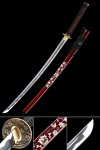 1065 Carbon Steel Katana with Dark Red Floral Saya - Gold Samurai Tsuba, Black-Red Tsuka
Verified Purchase
1065 Carbon Steel Katana with Dark Red Floral Saya - Gold Samurai Tsuba, Black-Red Tsuka
Verified Purchase
It was beautiful and came in great shape and I would buy again.
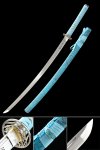 1065 Carbon Steel Full Tang Katana with Sky Blue Marble Saya and Silver-Gold Floral Tsuba
Verified Purchase
1065 Carbon Steel Full Tang Katana with Sky Blue Marble Saya and Silver-Gold Floral Tsuba
Verified Purchase
Great quality, I'm very happy to have placed this order and definitely will be coming around again for more! I really like that you get to track the package and it was well protected that there would be no issue in the product getting damaged or stolen. Very happy with the Service and product!
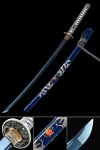 1065 Carbon Steel Blue Blade Katana with Dragon-Themed Saya in Deep Blue Lacquer and Grey Cord Wrap
Verified Purchase
1065 Carbon Steel Blue Blade Katana with Dragon-Themed Saya in Deep Blue Lacquer and Grey Cord Wrap
Verified Purchase
Genuinely surprised at what I have here. Now Im no expert but I like how this came especially for the price great for starters.
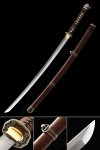 WWII Type 98 Shin Gunto Officer Katana - 1065 Carbon Steel with Brown Rosewood Saya and Alloy Flower Tsuba
Verified Purchase
WWII Type 98 Shin Gunto Officer Katana - 1065 Carbon Steel with Brown Rosewood Saya and Alloy Flower Tsuba
Verified Purchase
Over not bad Ito is slightly loose but overall good sword pretty sharp
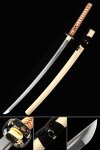 1065 Carbon Steel Katana Sword with Natural Wood Saya and Dragon Alloy Tsuba - Brown Ito Wrap
Verified Purchase
1065 Carbon Steel Katana Sword with Natural Wood Saya and Dragon Alloy Tsuba - Brown Ito Wrap
Verified Purchase
It looks great. Shiny, good quality, I would buy another one.
1065 Carbon Steel Full Tang Katana with Silver Saya, Floral Alloy Tsuba and White Cord Handle
Verified Purchase
This thing is awesome. Great display piece; the craftsmanship is beautiful. It’s also so sharp, I could probably use it in a duel, but I won’t.
1065 Carbon Steel Full Tang Katana with Silver Saya, Floral Alloy Tsuba and White Cord Handle
Verified Purchase
This sword is really nice and sharp. its a pretty blue tent to the blade. The only small complaint would be the container that holds the sword. The inside is like wood maybe if they color that black instead of raw material I guess it’s not really a complaint. It’s more of a suggestion honestly there there’s really no complaints really it’s a nice product.😅 I bought it for my brothers birthday! I want one myself!💛
Ghost of Tsushima Katana - Jin Sakai Replica, 1065 Carbon Steel, Blue Blade, Black Saya
Verified Purchase
Loading more reviews...