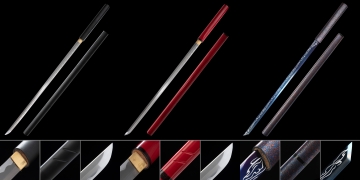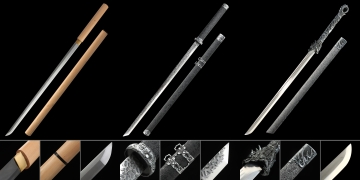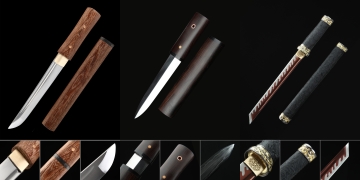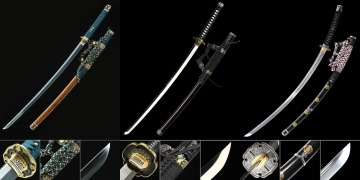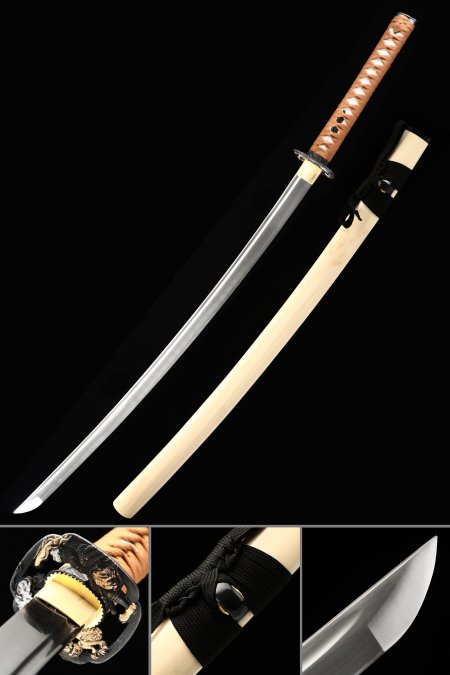
Natural-wood 1065 Carbon Steel Katana

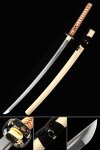
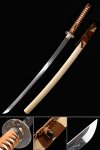
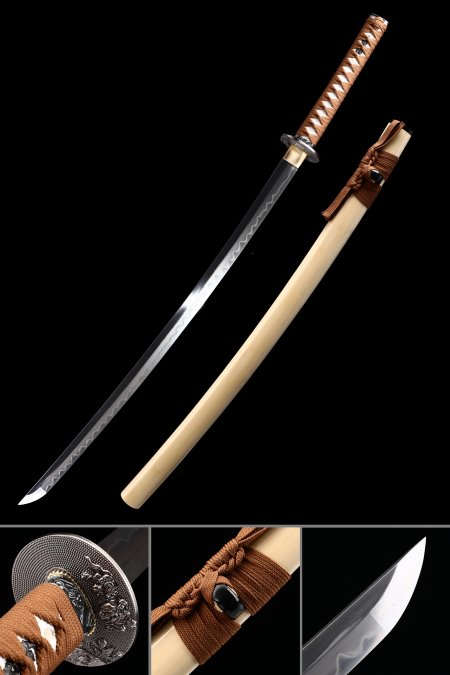
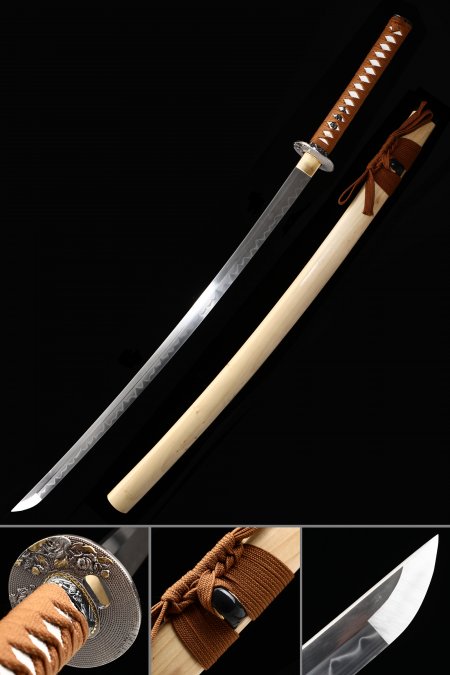
Each blade in this collection is hand-forged from 1065 high-carbon steel and paired with a natural hardwood saya, bringing together raw organic warmth and traditional Japanese craftsmanship. The steel's visible hamon line - achieved through careful clay tempering - gives every piece a distinct, one-of-a-kind character that collectors genuinely value. Whether displayed on a stand or stored in its fitted sheath, each katana is a study in authentic construction. Enjoy free shipping on your order, plus hassle-free returns.
Showing 4 Products

Frequently Asked Questions

What makes 1065 carbon steel a good choice for display katana?
1065 carbon steel contains approximately 0.65% carbon, placing it in the medium-to-high carbon range. For collectible and display use, this composition offers meaningful advantages: the steel polishes to a clean, reflective surface that showcases forging detail, and it is less prone to the brittleness sometimes associated with higher-carbon steels like 1095. It also develops a natural patina over time that many collectors find aesthetically appealing. While stainless alloys resist surface rust more easily, they cannot replicate the visual depth or the authentic hamon that carbon steel produces during differential tempering - which is why 1065 remains a preferred choice among collectors who value traditional construction over purely low-maintenance options.
How is a real hamon formed on a 1065 blade?
A genuine hamon is produced through a process called differential hardening, or tsuchioki in Japanese. The bladesmith applies a clay mixture along the spine and flat of the blade, leaving the cutting edge relatively bare. When the blade is heated and then quenched in water, the exposed edge cools rapidly and hardens, while the clay-insulated spine cools more slowly and remains comparatively tough. The boundary between these two zones becomes the hamon - a visual line of crystalline contrast visible on the polished steel surface. Because the clay application is done by hand and the quench introduces unpredictable variables, every hamon is unique. A hamon formed this way is fundamentally different from the acid-etched or wire-brushed lines found on lower-cost decorative swords, which are surface treatments rather than structural evidence of the forging process.
What is a shirasaya, and how does it differ from standard koshirae?
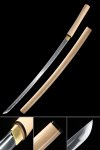
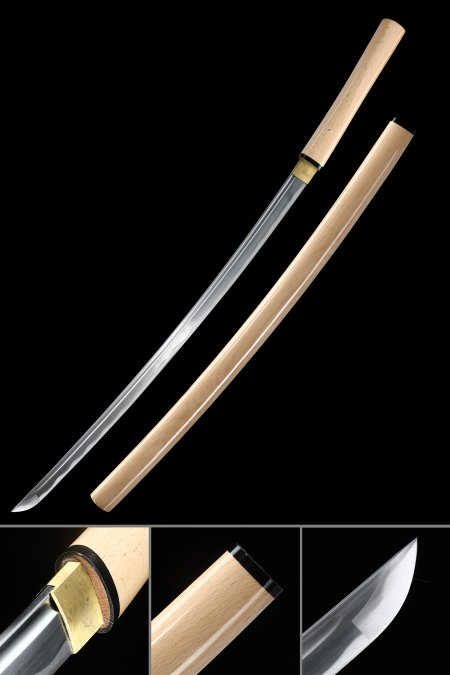
Shirasaya refers to a plain, unadorned mounting style consisting of a simple wooden handle (tsuka) and matching wooden saya, typically left in a natural or lightly finished state without wrapping, tsuba, or metal fittings. Historically, shirasaya was used in Japan for storing blades when they were not in active use, as the minimal fittings reduce the risk of moisture-trapping and allow easy inspection of the blade. Standard koshirae, by contrast, features a wrapped tsuka, a decorative tsuba, menuki, and often lacquered or fitted saya. For collectors, shirasaya mounts place all visual focus on the blade itself - its geometry, polish, and hamon - while fully mounted koshirae offer a richer display of traditional ornamental craft. Both styles hold legitimate places in a thoughtfully assembled collection.
How should I store and maintain a natural hardwood saya?
Natural hardwood saya should be stored in a stable environment with moderate, consistent humidity - roughly 45-55% relative humidity is ideal. Extremes in either direction cause problems: very dry conditions can cause the wood to contract and loosen its fit around the blade, while high humidity encourages both wood swelling and surface oxidation on the carbon steel blade inside. Never store a carbon steel blade in its saya for extended periods without first applying a light coat of choji oil or a dedicated blade preservation oil along the full surface. Remove the blade every few months to inspect for any moisture or surface discoloration. Avoid direct sunlight on the saya, as UV exposure fades the natural grain finish over time. A horizontal display rack or a padded storage drawer both work well for long-term care.
Is a 1065 carbon steel katana a good gift for a sword collector?
A hand-forged 1065 carbon steel katana with a natural hardwood saya is a genuinely considered gift for someone interested in Japanese sword history or East Asian decorative arts. Unlike mass-produced decorative swords, a piece with a real clay-tempered hamon and fitted hardwood saya reflects actual craft knowledge and is something a knowledgeable collector can appreciate and discuss. When selecting a gift, consider the recipient's existing display aesthetic - if they favor clean, minimal presentations, a shirasaya-style piece is a natural fit; if they collect mounted pieces with ornamental hardware, a dragon tsuba version with brown ito wrap offers more visual richness. Pairing the katana with a proper display stand and a small bottle of blade oil makes the gift complete and shows thoughtfulness about long-term care.

Customer Reviews

Richard Duff South Carolina, United States

I purchased this sword as a gift. The online ordering experience was straightforward and easy. The sword shipped quickly and it was very well packaged, encased in a styrofoam block. It arrived without damage and in great condition. I was very pleased with the quality and it was above what I had expected. The blade was straight, sharp, and well oiled. The engraving on the guard had surprising detail that I did not appreciate in the online photos. The handle was well wrapped with cord. The scabbard was polished and high quality. I would recommend this for anyone interested in a katana.

1065 Carbon Steel Japanese Katana with Clay-Tempered Hamon and Natural Hardwood Saya in Brown Ito Wrap 1065 Carbon Steel Japanese Katana with Clay-Tempered Hamon and Natural Hardwood Saya in Brown Ito Wrap