1090 Carbon Steel Ninjato
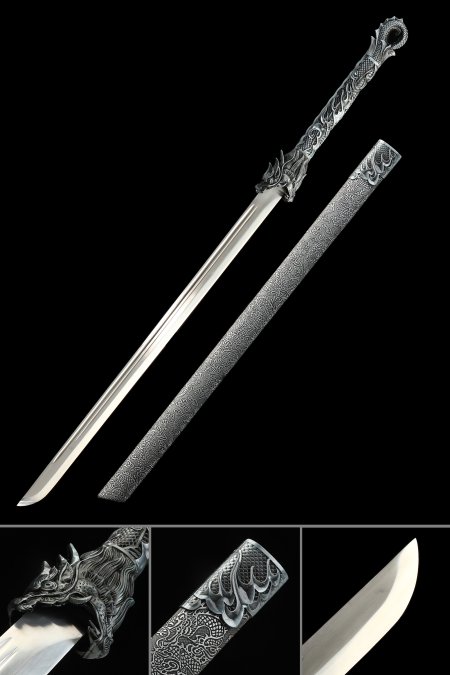
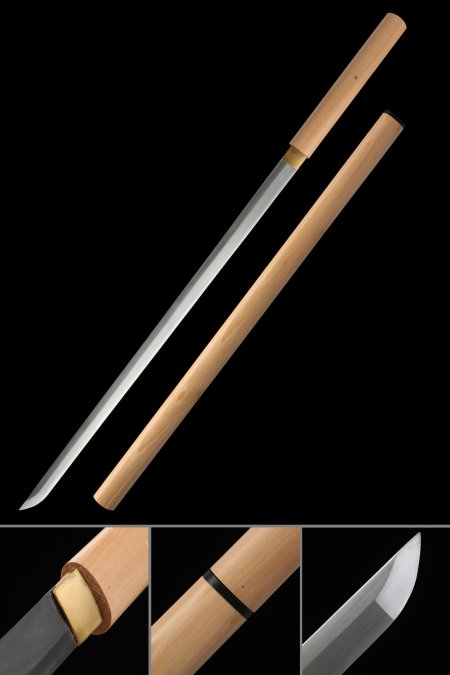
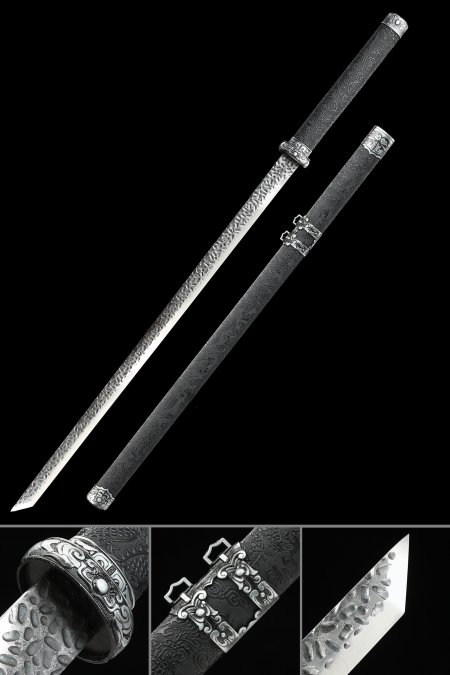
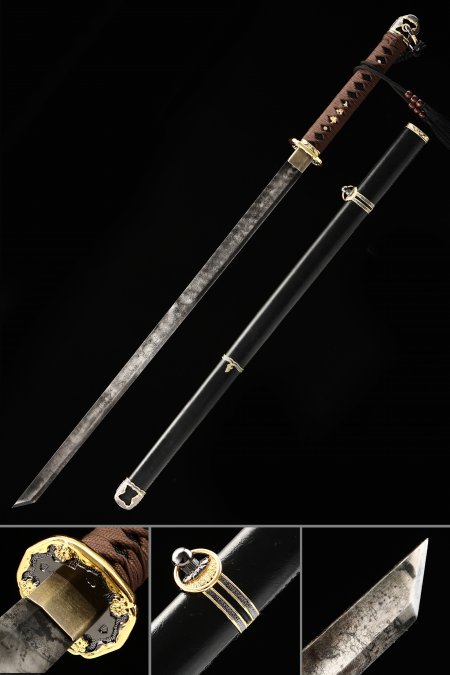
Straight-bladed, shadow-born, and built for the serious collector — our 1090 carbon steel ninjato collection brings together hand-forged craftsmanship and authentic Japanese-inspired aesthetics. Each piece features a high-carbon 1090 steel blade, chosen for its balance of edge retention and resilience, mounted in traditionally styled fittings that range from dragon-engraved saya to clay-tempered hamon finishes. These are display-grade collectibles made with genuine attention to detail — not mass-produced replicas. Every order ships free, and we stand behind each piece with a hassle-free return policy.
Related Collections
Frequently Asked Questions
What makes 1090 carbon steel a good choice for a ninjato?
How does a ninjato differ from a katana in terms of design?
What is a clay-tempered hamon, and why do collectors value it?
How should I store and maintain a 1090 carbon steel ninjato?
Is a 1090 carbon steel ninjato a good gift for a Japanese sword enthusiast?
Customer Reviews
Really happy with the purchase. Great craftsmanship for the price, and customer service got back to me quickly.
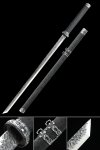 |
Ninjato 1090 Carbon Steel Hand-Hammered Blade with Black Dragon-Engraved Saya and Silver Scroll Tsuba |
Really happy with this purchase. Great craftsmanship for the price, and customer service was quick to respond.
|
Ninjato 1090 Carbon Steel Hand-Hammered Blade with Black Dragon-Engraved Saya and Silver Scroll Tsuba |
Very impressive. I would purchase this functional work of art again.
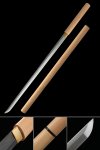 |
Shikomizue Stick Sword in 1090 Carbon Steel with Natural Hardwood Saya and Clay-Tempered Hamon |
Little scratches at the bottom of the sword handle but if that wasn’t a thing 5 stars all around
|
Shikomizue Stick Sword in 1090 Carbon Steel with Natural Hardwood Saya and Clay-Tempered Hamon |
Love it, sword comes nice and sharp. Feels great, great craftsman ship. All in all very happy with this product.
|
Shikomizue Stick Sword in 1090 Carbon Steel with Natural Hardwood Saya and Clay-Tempered Hamon |
Awesome sword, it came very sharp too! I'm not that familiar with Manganese steel but from what I've read it's quite strong. I'll be making another purchase for sure!. Great Experience with True Katana.
|
Shikomizue Stick Sword in 1090 Carbon Steel with Natural Hardwood Saya and Clay-Tempered Hamon |
Maybe my expectations were a little high because I thought that there was inventory in the California factory but I had to wait some time for them to be shipped from China which took a while. After review I noticed a notch on the blade of the Shikomizue Sword and some small defects in design. Overall an Ok product.
|
Shikomizue Stick Sword in 1090 Carbon Steel with Natural Hardwood Saya and Clay-Tempered Hamon |