Purple 1065 Carbon Steel Katana

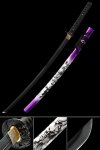
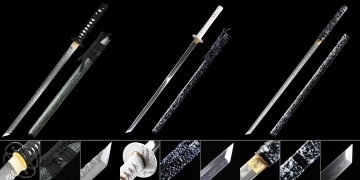
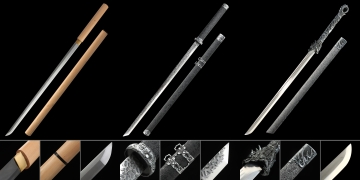
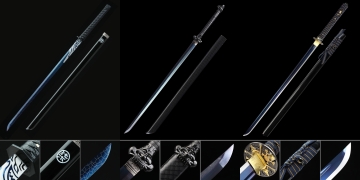
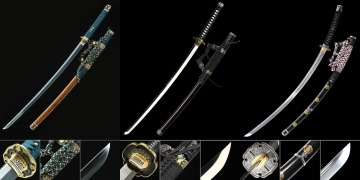
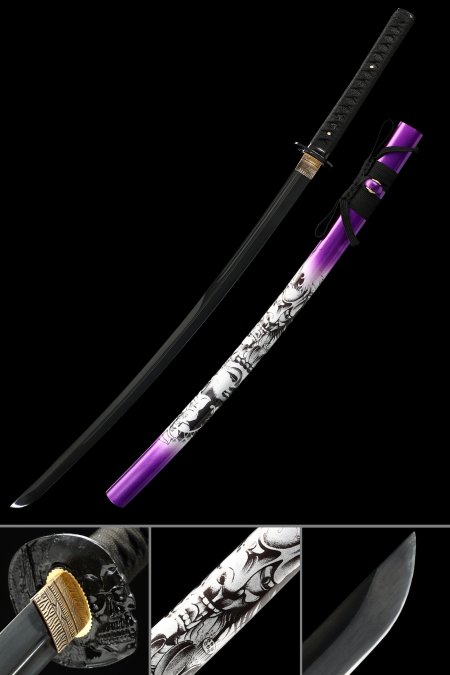
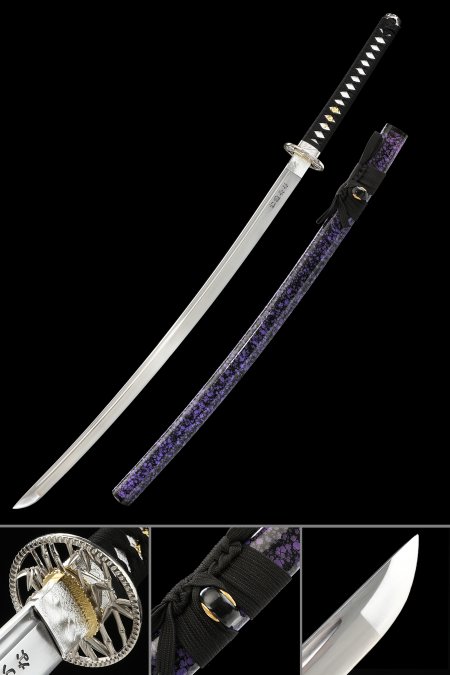
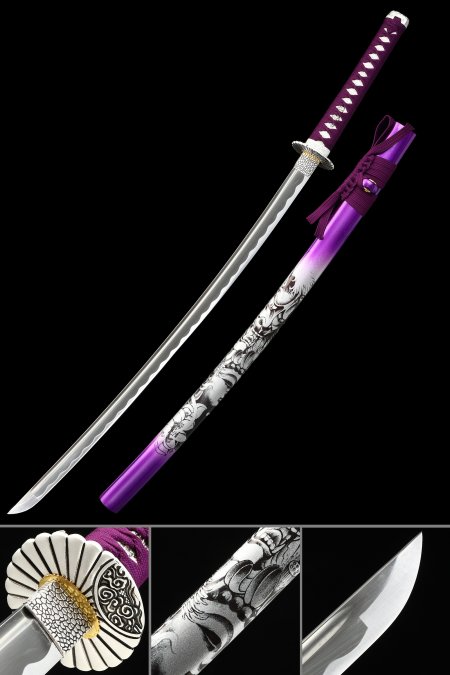
The Purple 1065 Carbon Steel Katana collection brings together hand-forged blades with distinctive purple-accented mountings — from dragon-carved saya to bamboo-themed tsuba. Each piece is crafted from 1065 high-carbon steel with a full-tang construction, balancing authentic sword-making tradition with bold visual artistry. Built for display and serious collectors alike. Enjoy free shipping and hassle-free returns on every order.
Showing 3 Products

Frequently Asked Questions

What makes 1065 carbon steel a good choice for a display katana?
1065 carbon steel sits at approximately 0.65% carbon content, placing it in a range where the steel responds well to heat treatment without becoming excessively brittle. For a collectible or display katana, this means the blade can be properly hardened and shaped to hold accurate sword geometry — including a defined hamon temper line — while remaining stable under normal handling and display conditions. It is not stainless steel, so it requires basic maintenance, but that same quality means it behaves and finishes much closer to how traditional Japanese blades were constructed. Collectors who care about material authenticity tend to prefer carbon steel pieces precisely because the steel tells a more honest story about the craft behind the blade.
How does purple saya lacquer hold up over time on display?
Purple lacquer on a saya is a surface coating applied over a wood core, and its longevity depends heavily on display conditions. The primary threats are prolonged exposure to direct sunlight, which causes fading and color shift over months, and significant humidity fluctuation, which can cause the wood core to expand and contract and eventually crack the lacquer surface. For indoor display, keeping the piece away from windows and out of rooms with extreme seasonal humidity changes will preserve both the color depth and the surface finish. A display case with a controlled environment is ideal. The lacquer itself does not require oiling or polishing — light dusting with a soft cloth is sufficient for routine upkeep.
What is the difference between a chrysanthemum tsuba and a skull tsuba design?
The tsuba is the hand guard seated between the blade and handle, and its design is one of the most expressive elements in Japanese sword fitting. A chrysanthemum tsuba draws from classical Japanese floral symbolism — the chrysanthemum has historical associations with the imperial family and seasonal motifs in traditional art. It reads as refined and formally rooted in Japanese aesthetic tradition. A skull tsuba, by contrast, pulls from a more contemporary and internationally influenced design vocabulary, often favored by collectors who want a piece with an edge of dark visual character. Neither is more "authentic" in terms of construction — both can be well-made fittings — but they signal very different collecting sensibilities and suit different display contexts.
Is full-tang construction important for a collectible katana?
For a collectible, full-tang construction matters more as a quality indicator than a functional one. A full-tang blade means the steel runs continuously from the tip of the blade through the entire length of the handle, held in place by the handle components rather than being inserted only partway. This approach reflects how traditionally constructed Japanese swords were built, and it results in a more solid, balanced feel when the piece is taken down from display for closer examination. Collectors familiar with sword construction can often detect partial-tang pieces by the way the handle feels hollow or light in hand. Full-tang katana in this collection provide that reassuring solidity and structural honesty that distinguishes a serious collectible from a purely decorative reproduction.
How should I care for the blade between display periods?
Carbon steel blades require periodic maintenance to prevent surface oxidation, especially in humid climates. Every two to three months, remove the blade from the saya, wipe the surface clean with a soft cloth, and apply a very light coat of choji oil — a traditional mineral oil blend used in Japanese sword care. The oil should be applied sparingly with a dedicated cloth or cotton pad and then buffed to a thin, even film. Avoid leaving fingerprints on the blade after handling, as skin oils accelerate surface rust. When reinserting the blade into the saya, do so slowly and without forcing the fit. Store the assembled piece horizontally or on an angled stand with the edge facing upward, which is the traditional orientation for katana display.

Customer Reviews

Nicholas Grandon Virginia, United States

I was sceptical when I first found this website,but I gave it a try and im so happy I did, Everything came on time, and the blade and handle is in great quality, the pricing is also very affordable for somthing like a katana. I'm not an employee or anything like that, I'm just a happy satisfied customer. Truly recommend this to anyone. Thank you TrueKatana. Respect.
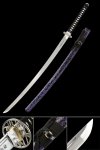
1065 Carbon Steel Japanese Katana with Purple Speckled Saya and Bamboo Theme Alloy Tsuba - Full Tang Collectible Sword 1065 Carbon Steel Japanese Katana with Purple Speckled Saya and Bamboo Theme Alloy Tsuba - Full Tang Collectible Sword