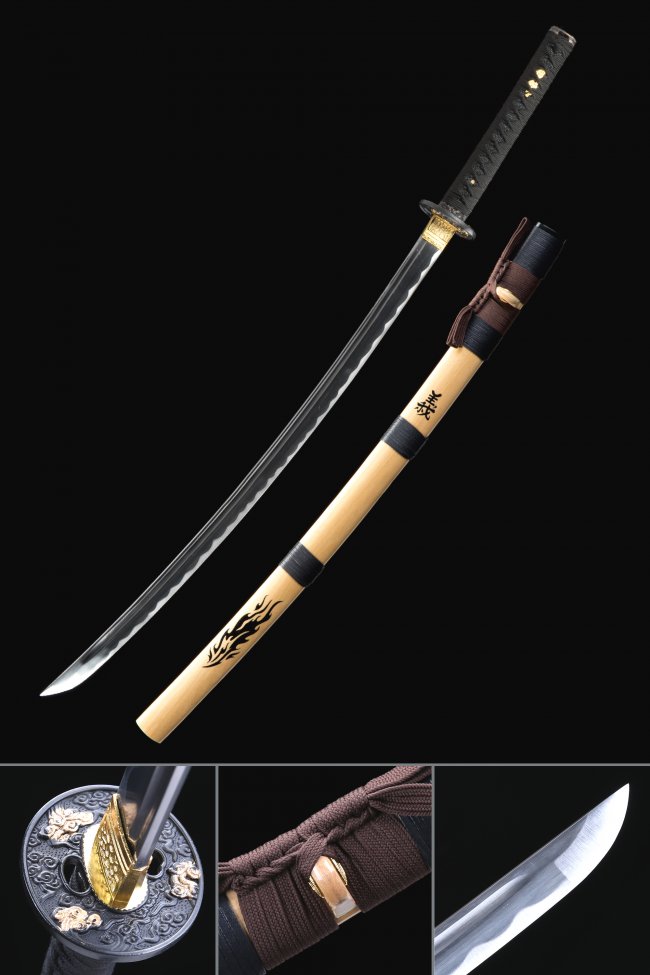
Handmade Katana
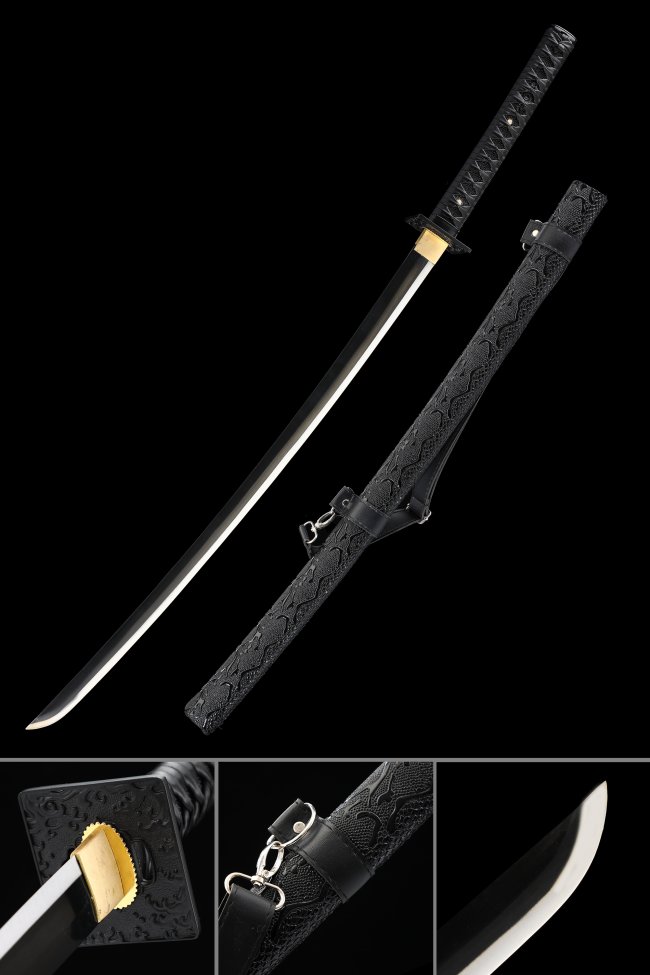
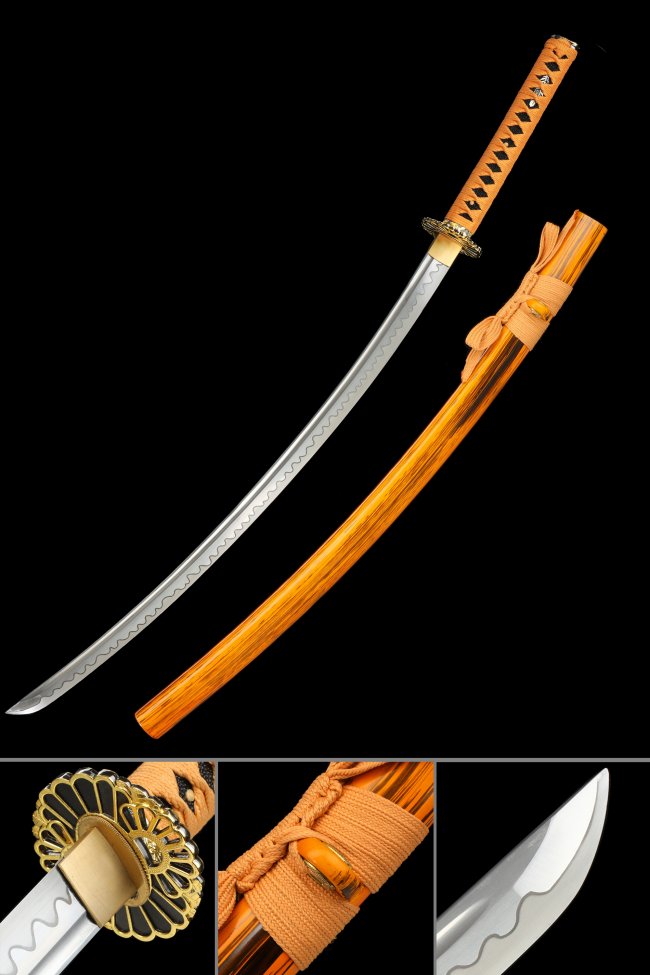
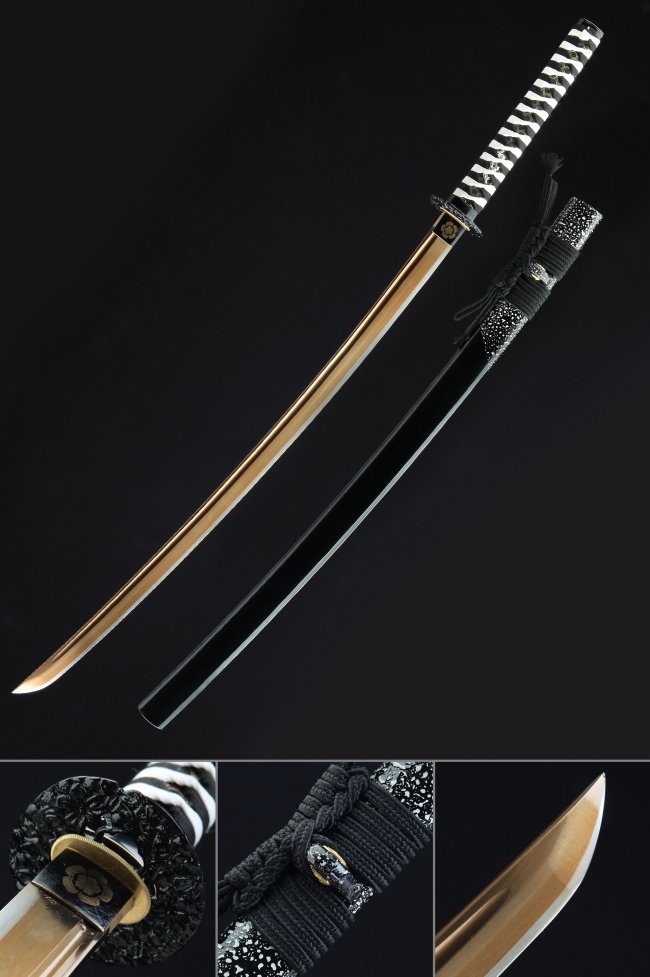
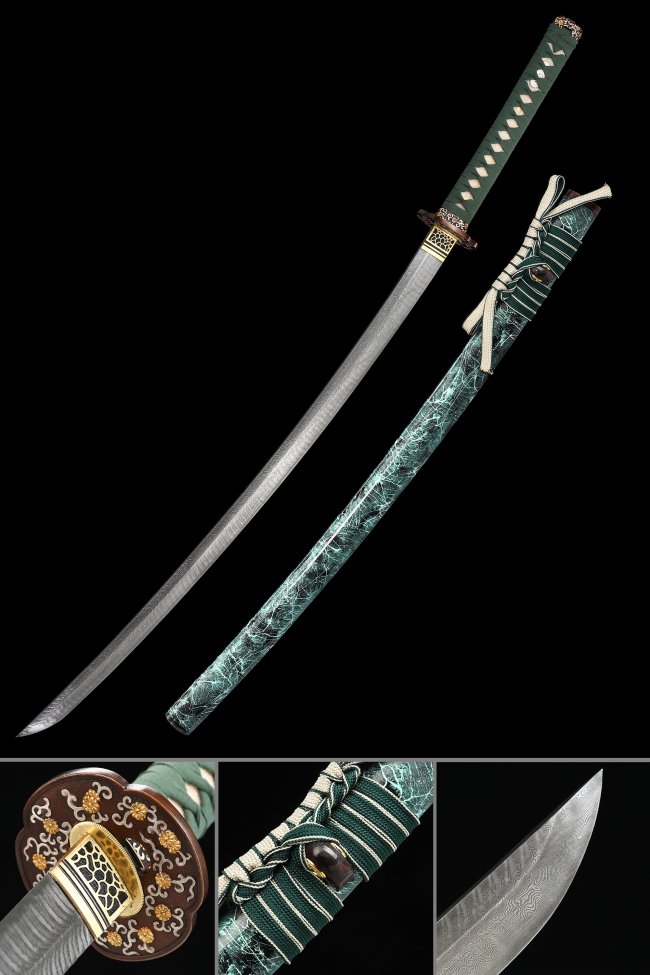
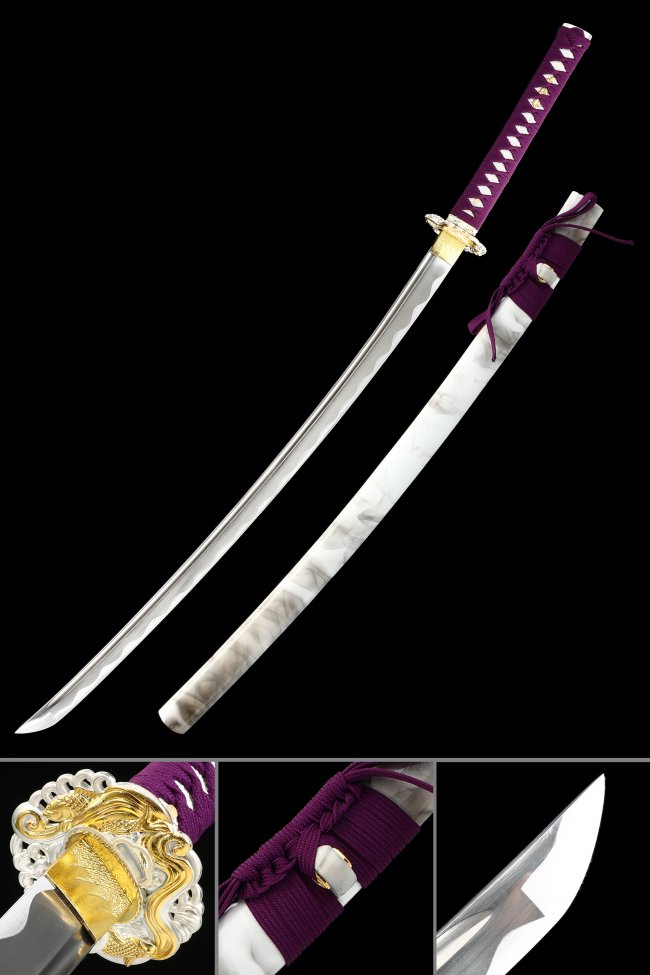
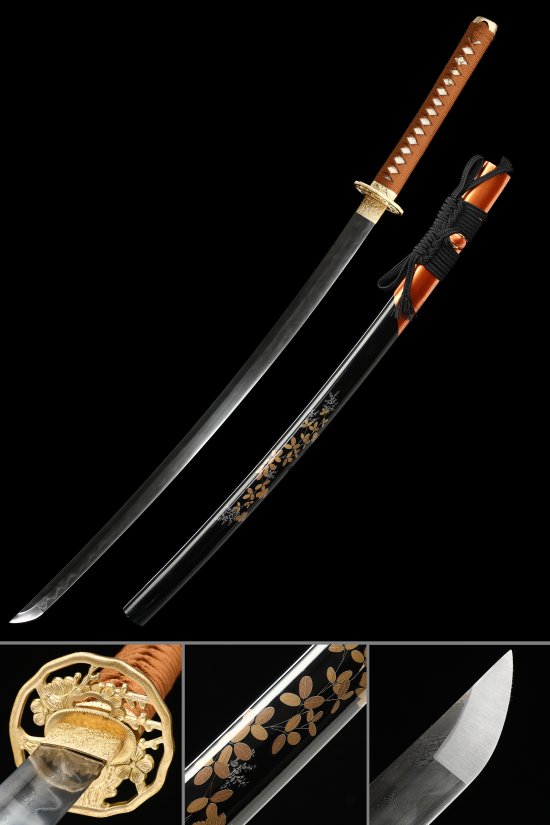
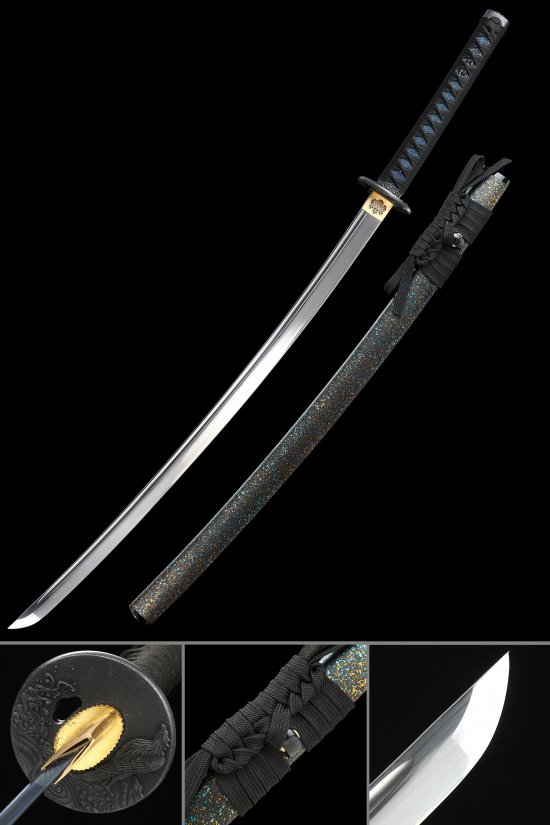
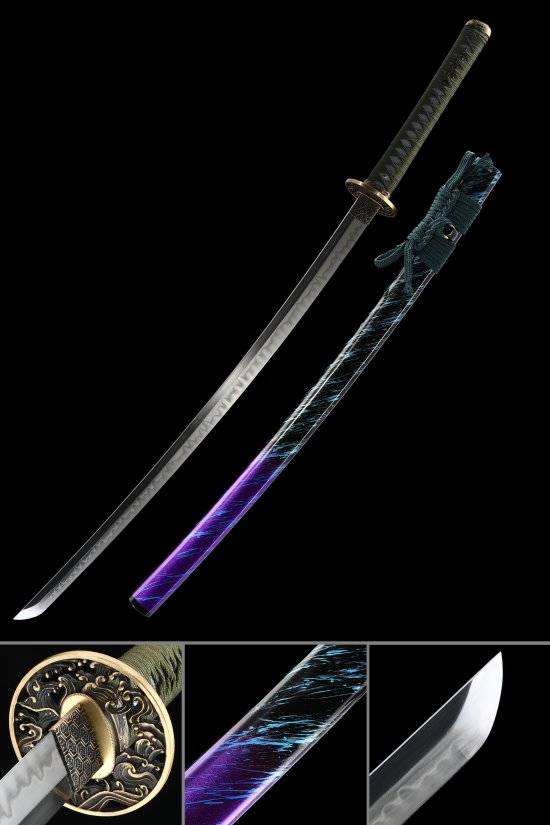
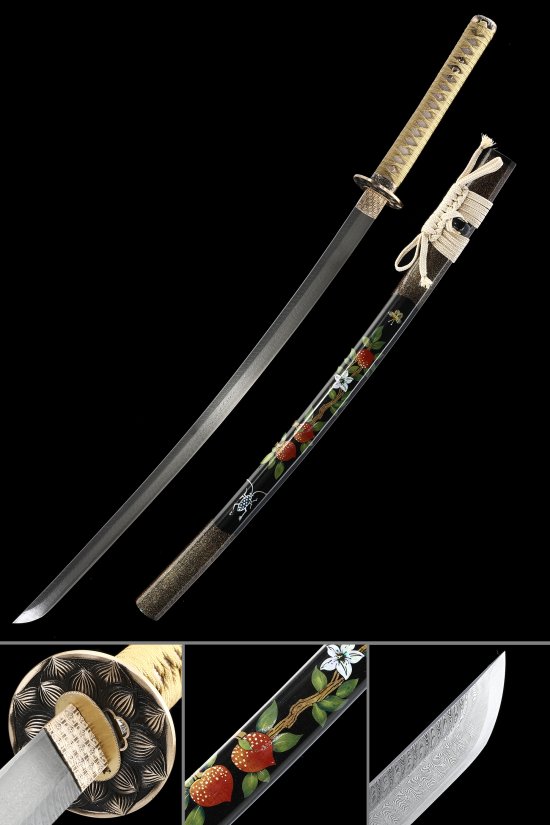
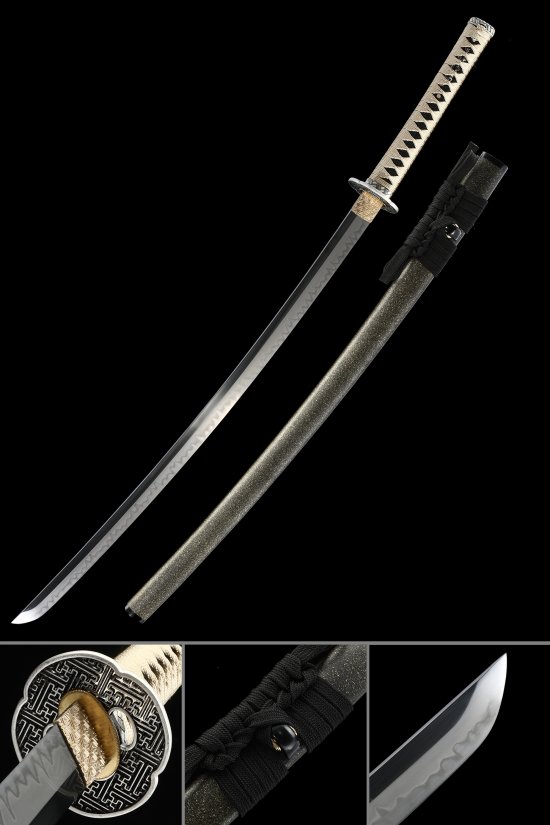
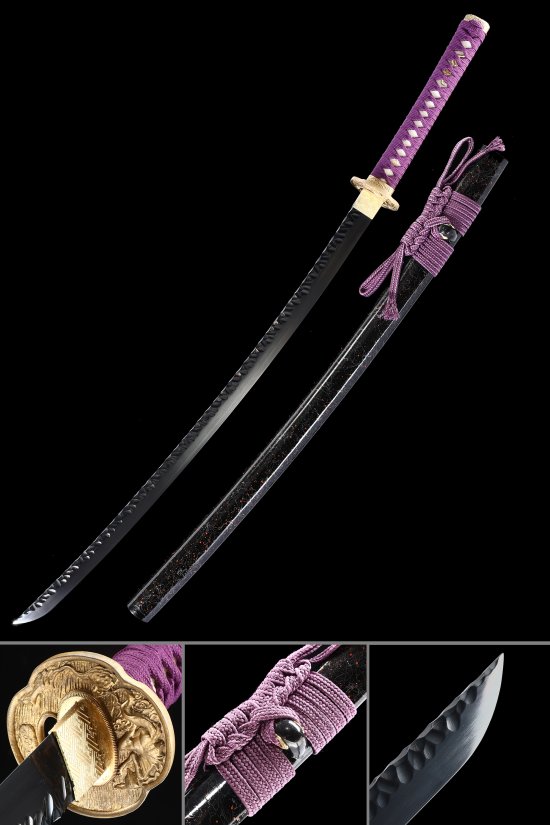
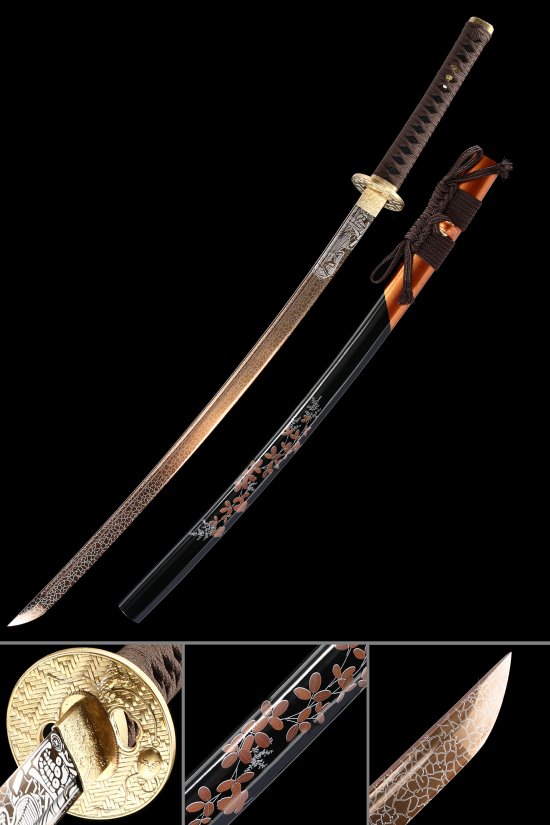
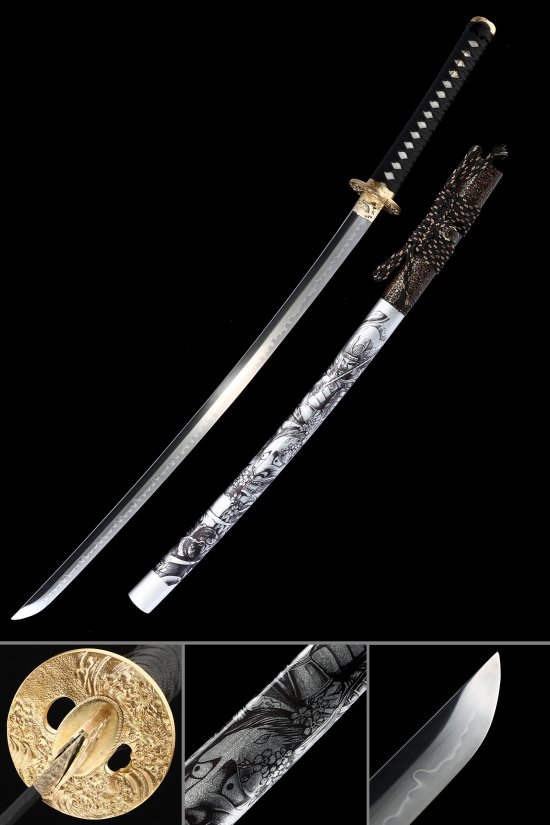
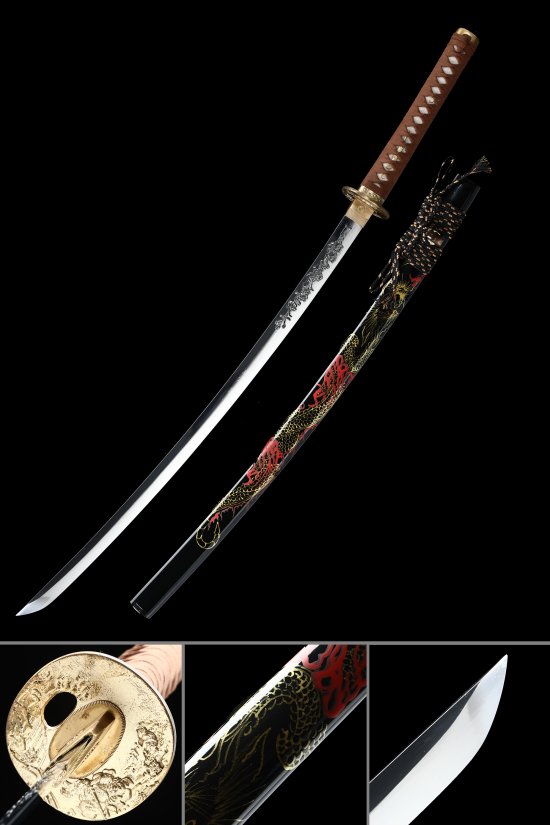
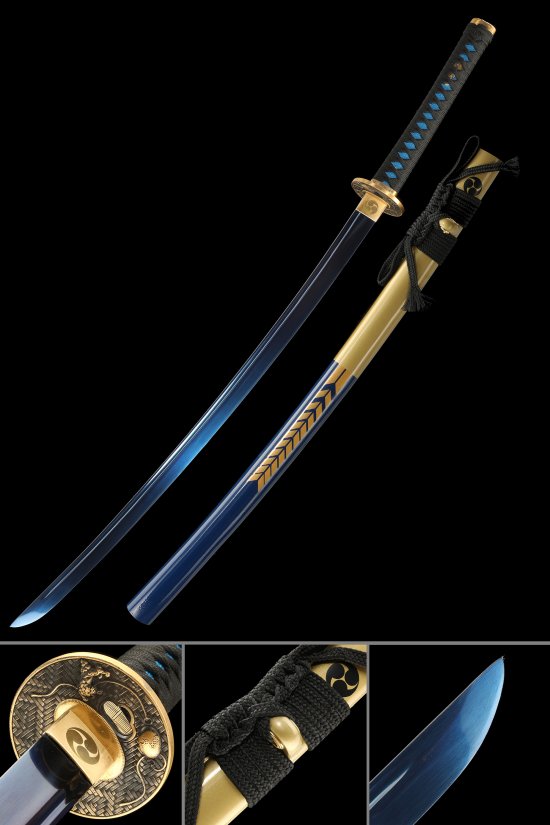
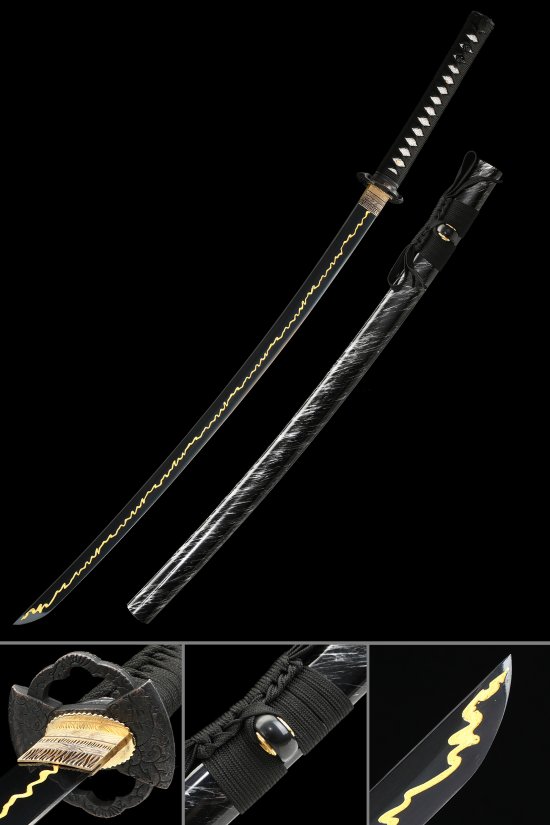
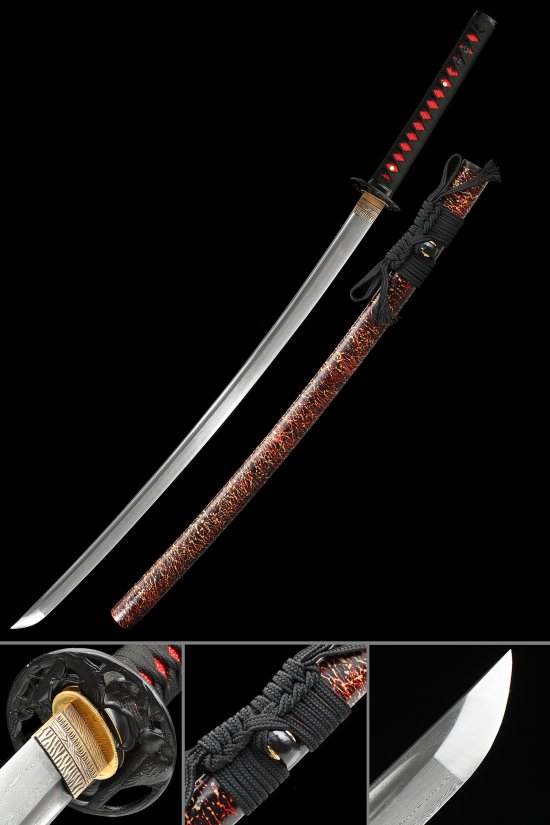
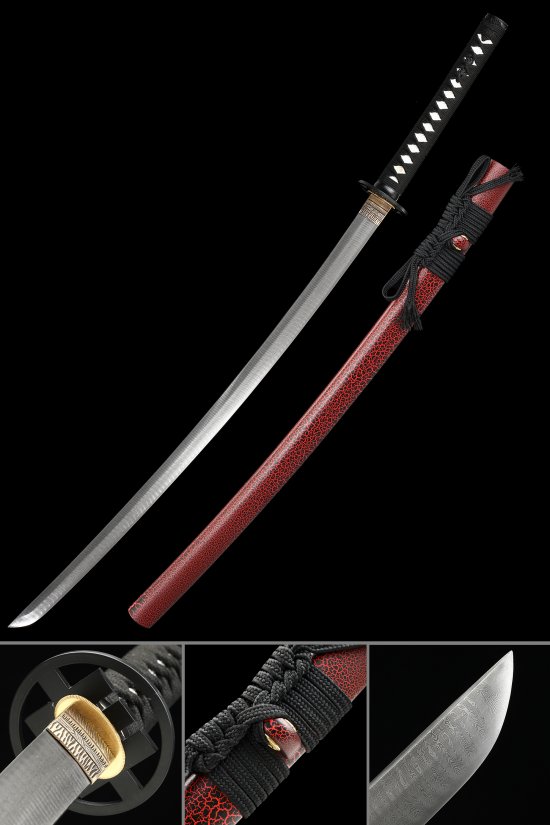
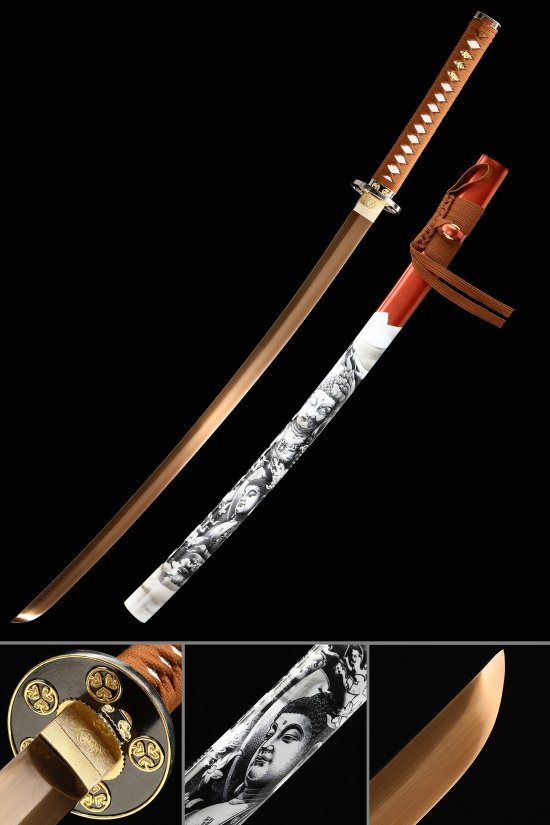
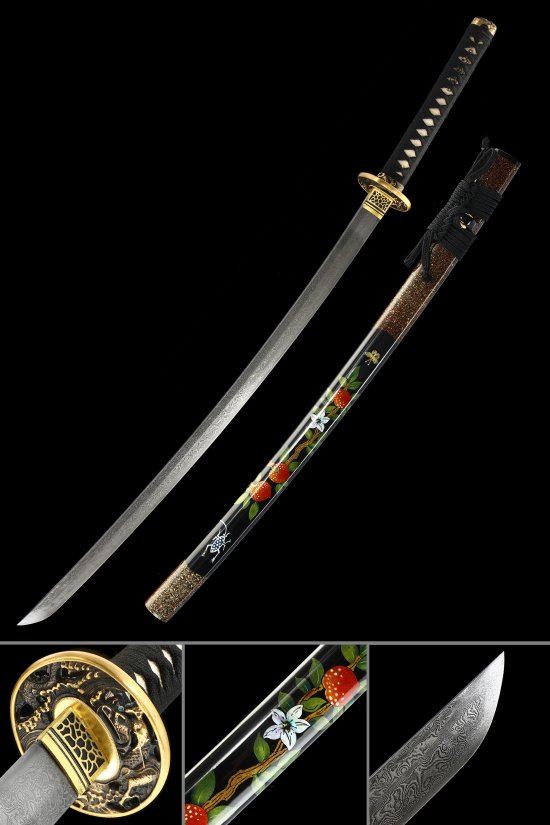
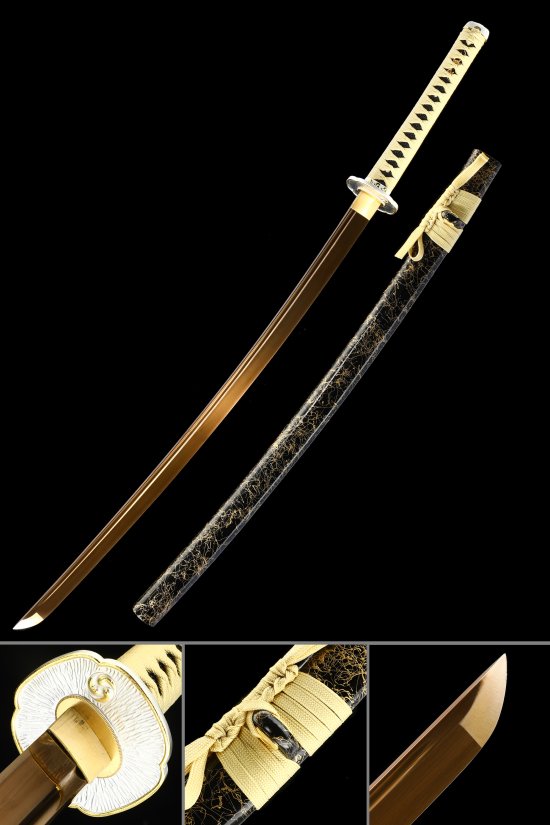
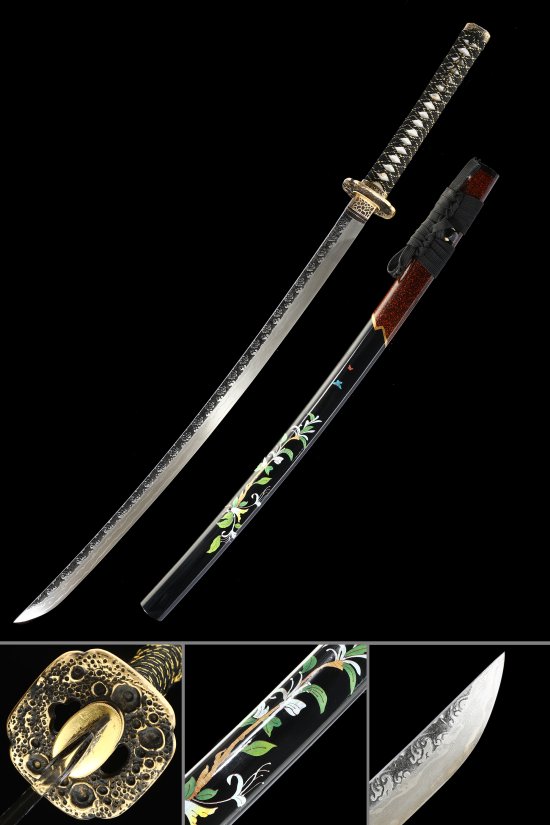
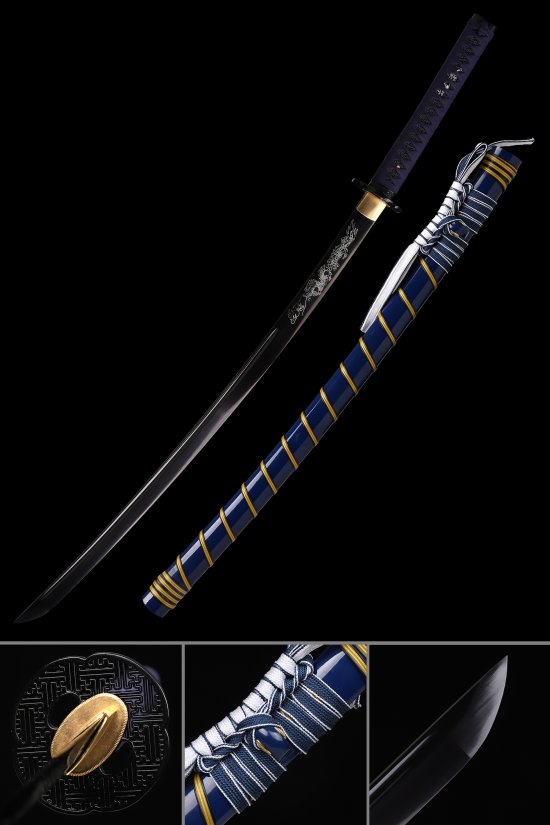
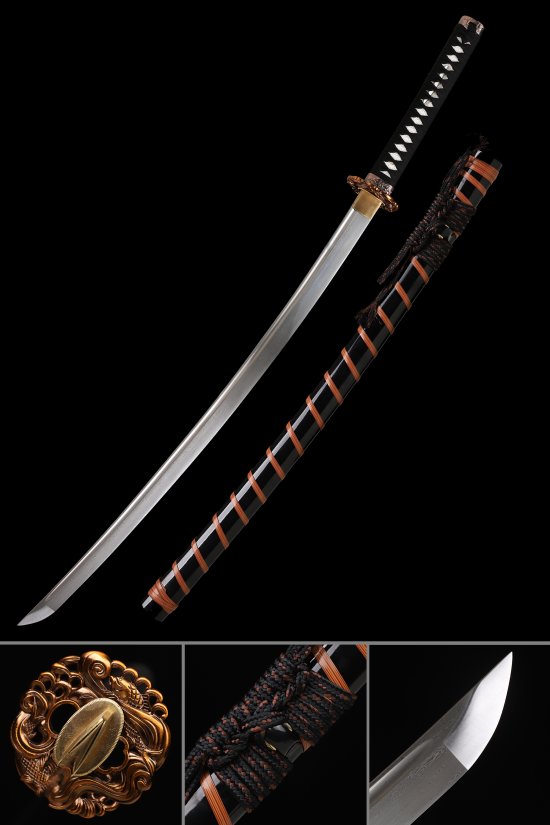
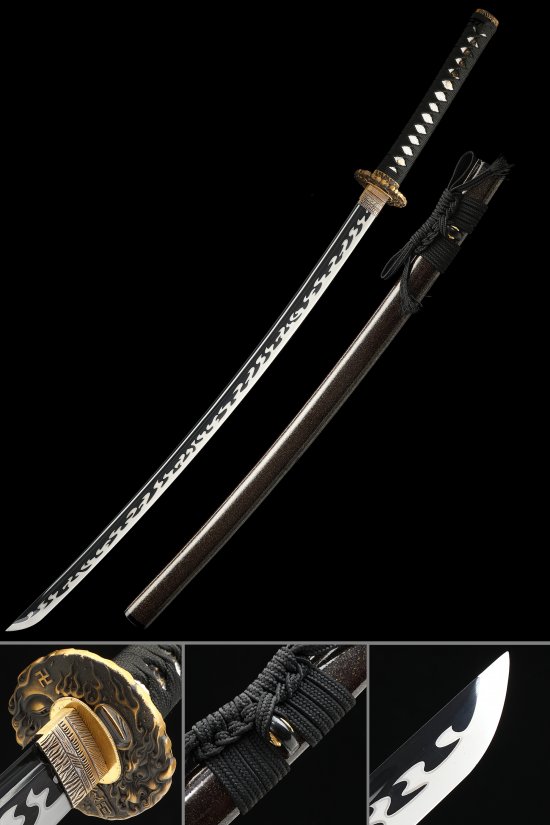
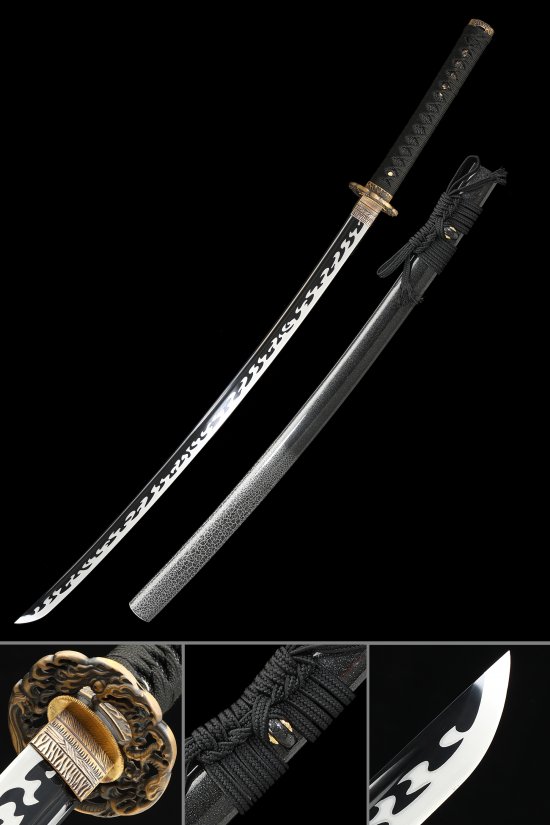
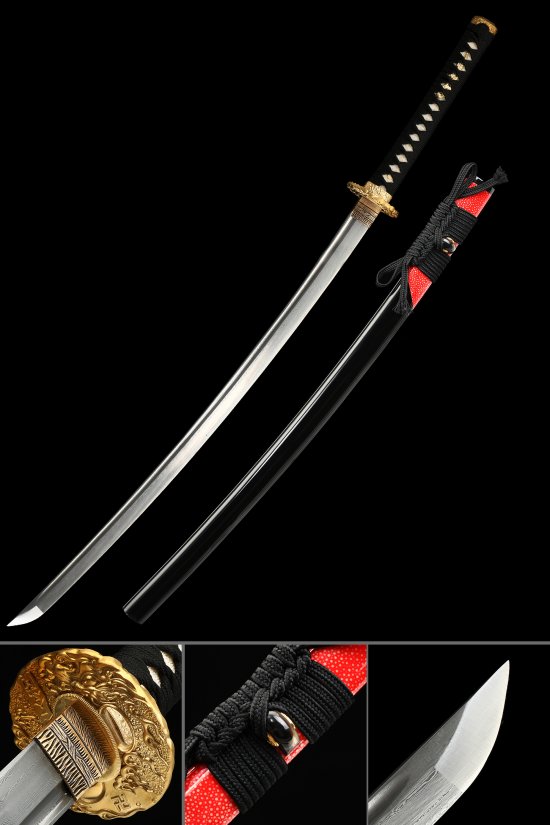
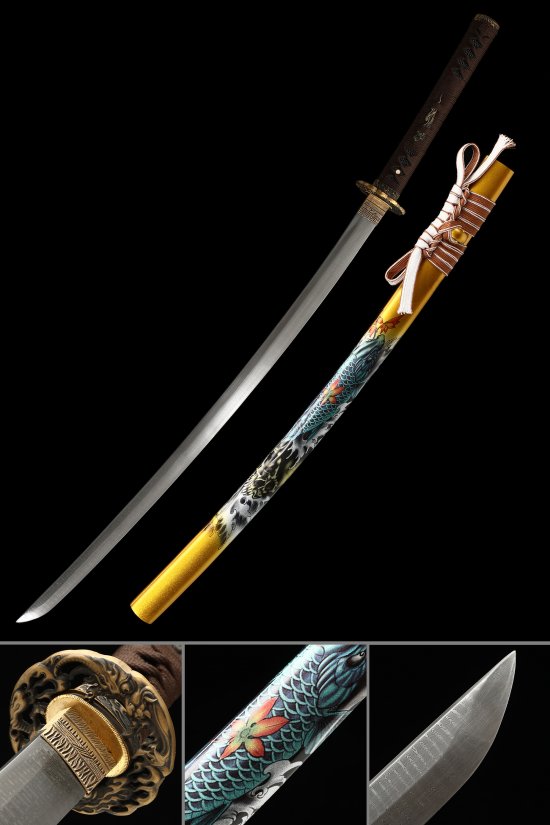
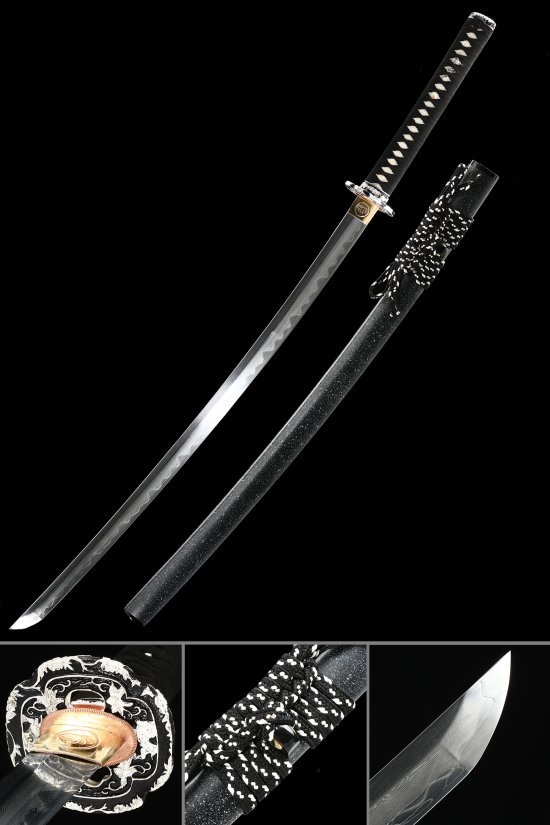
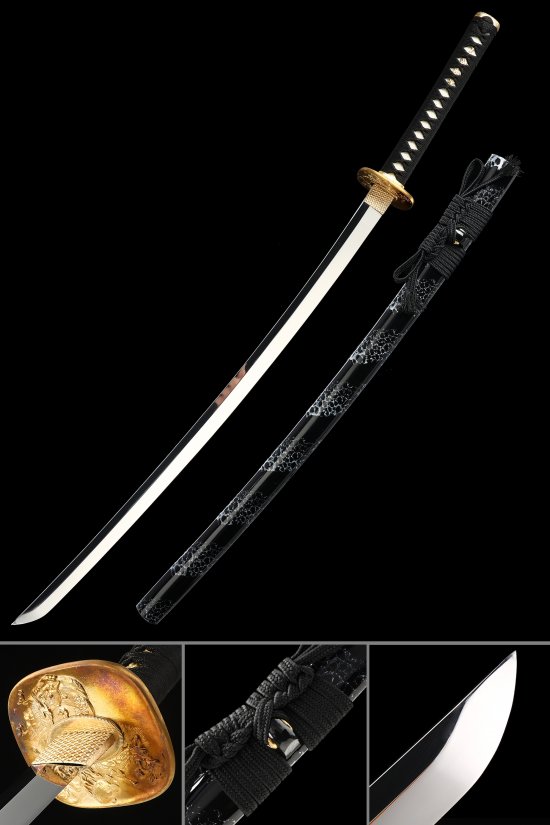
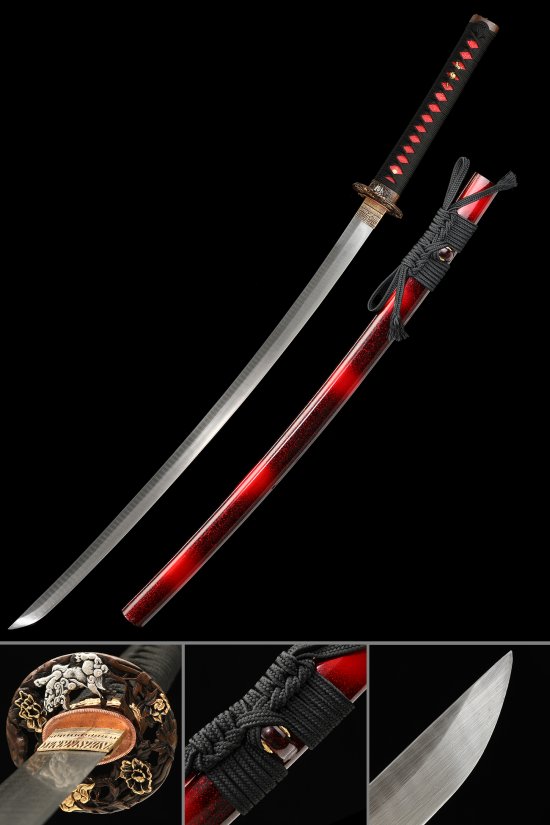
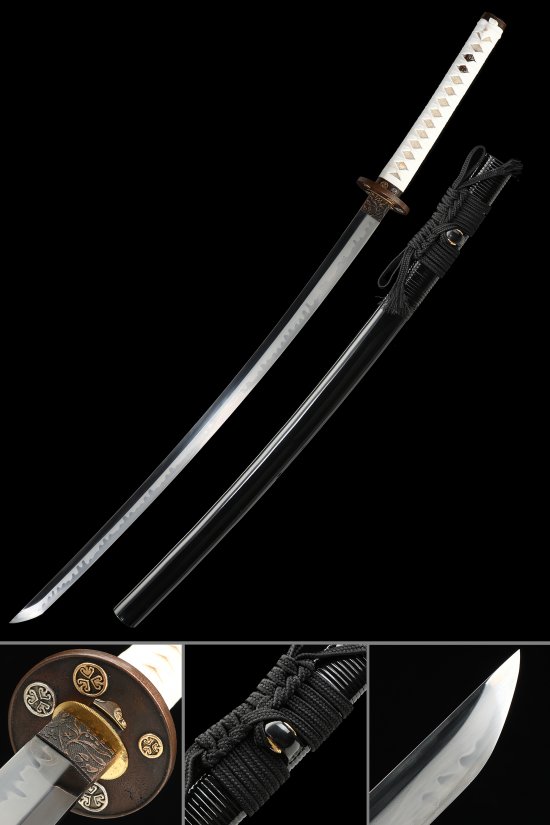
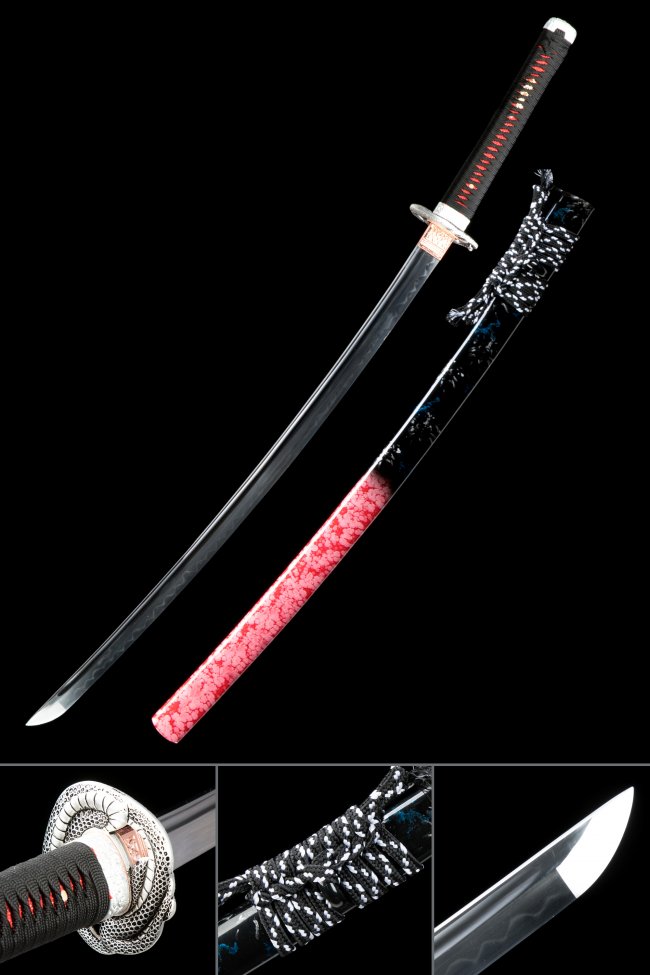
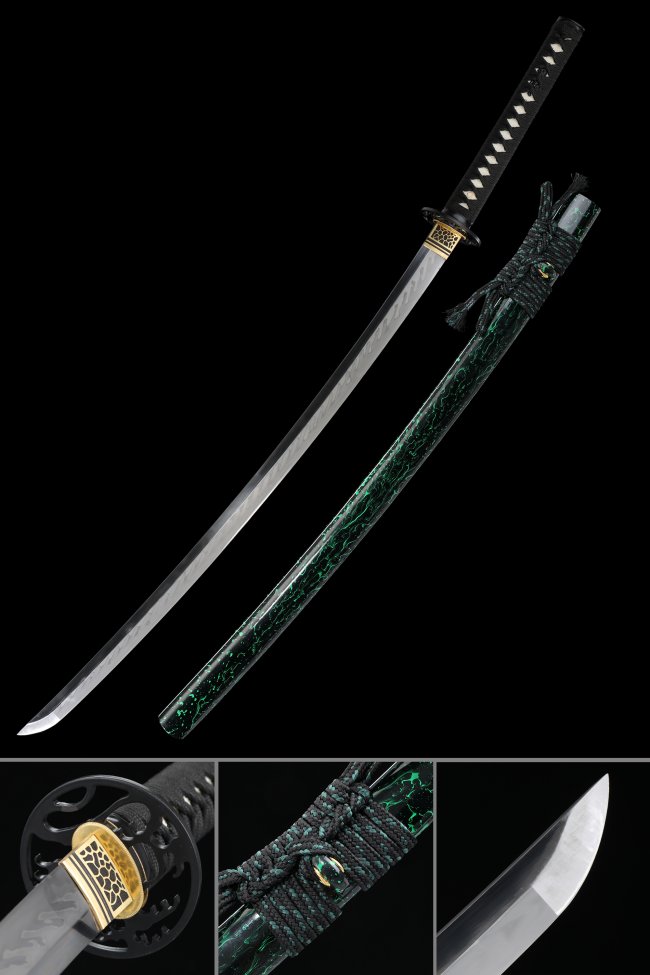
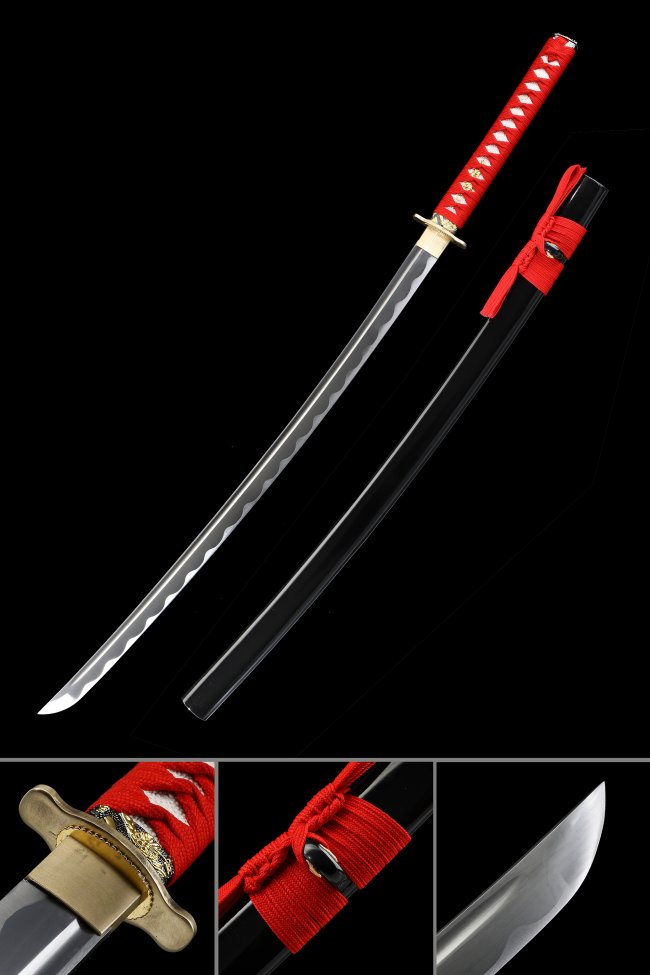
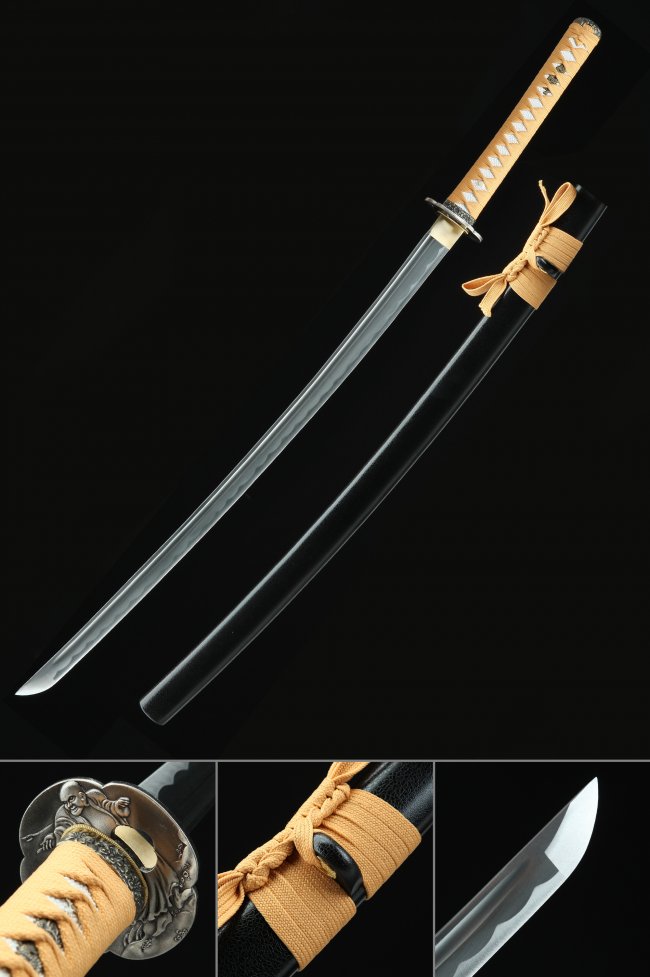
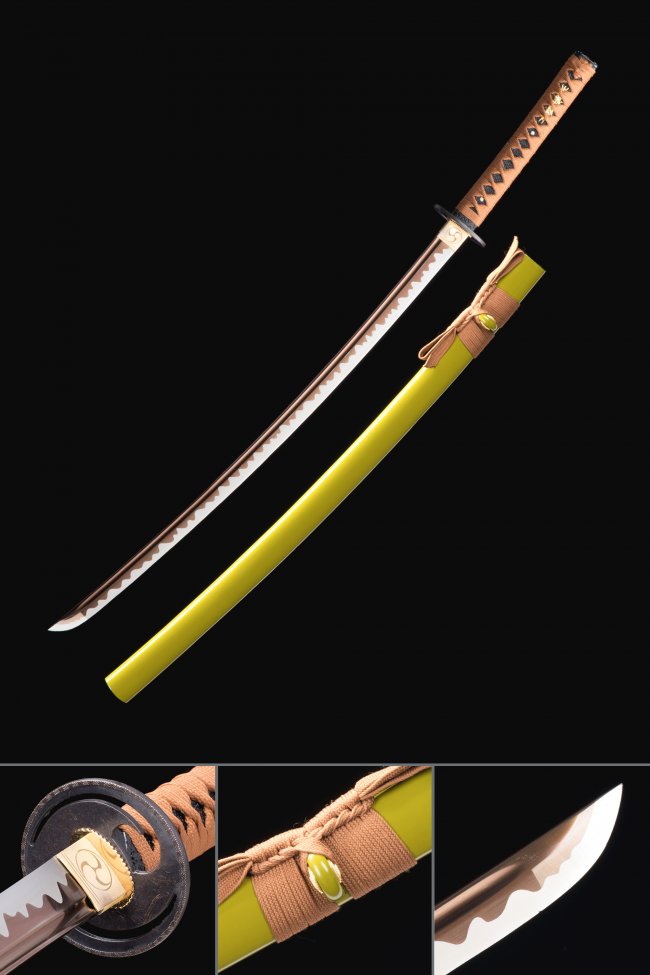
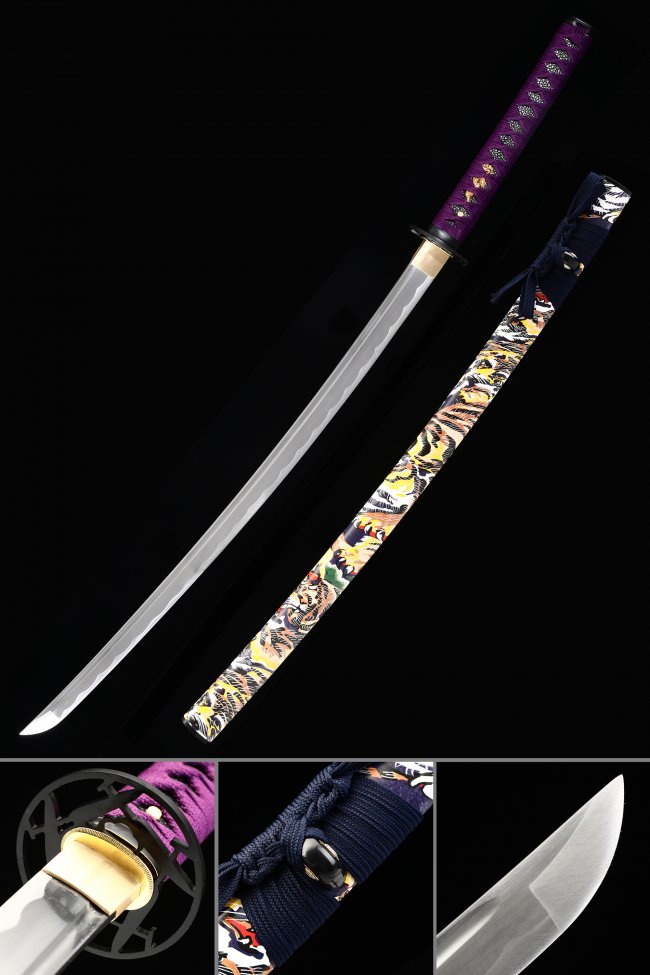
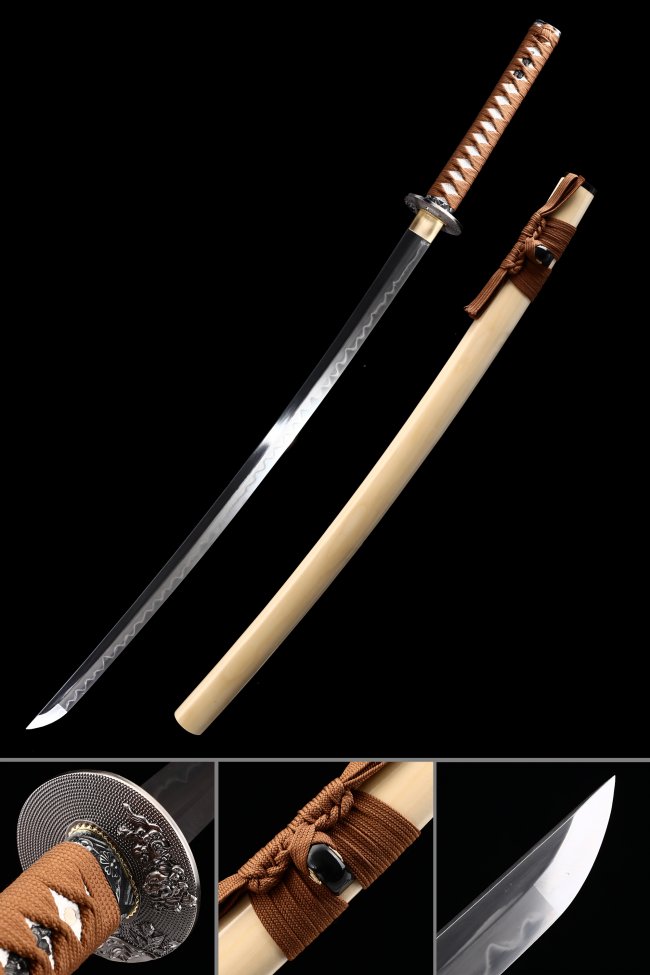
"Handmade" gets used loosely, so it's worth being specific about what it actually means here. Every handmade katana in this collection is forged, ground, and finished by hand — the geometry comes from someone who knows what a properly made blade is supposed to feel like, not from a machine set to repeat the same profile indefinitely. The hamon is real. The balance is the result of decisions made during the process, not an accident of production. Whether you're a collector who knows the difference, a practitioner who wants a blade built with that kind of attention, or someone buying for the long term — take a look at what we have below.
Loading more products...
Related Collections
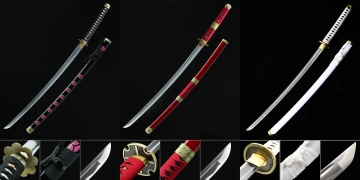
One Piece Sword 13 items
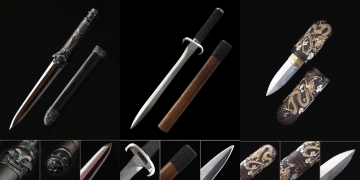
Double Edged Tanto 4 items
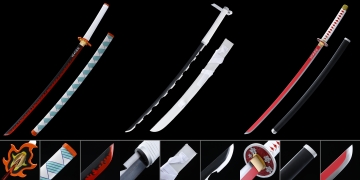
Nichirin Sword 12 items
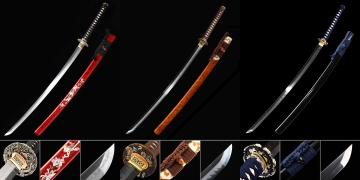
High-performance Katana 118 items
Customer Reviews
Ok quality for what you pay. Would be nice if it came in its own box instead of just styrofoam.
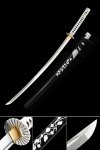 1060 Carbon Steel Katana with White Tsuka, Black Lacquer Saya in Floral Pattern
Verified Purchase
1060 Carbon Steel Katana with White Tsuka, Black Lacquer Saya in Floral Pattern
Verified Purchase
First katana, I’ve already sliced so many things open! I love this katana it’s awesome and super sharp. I would buy from this store again!
1060 Carbon Steel Katana with White Tsuka, Black Lacquer Saya in Floral Pattern
Verified Purchase
Regarding my order,r
r
Overall I am happy and would order from TrueKatana again. I think they are a great value for they price they ask. A great gift idea for any man with a decent amount of testosterone.r
r
Could anything be improved..?r
r
I got a cut and paste answer to a question I asked, that wasn't really a real answer.r
r
Also when I purchased I got an email thanking me for the order and saying I would receive another email that would tell me it had shipped and approx arrival time. That email never came. But I got my very bad-ass sword pretty quick anyway, about the time I was starting to wonder.r
r
I would recommend this company, and will likely buy again.r
r
Chad
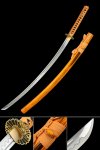 Orange Katana with Manganese Steel Blade - Chrysanthemum Gold-Black Tsuba, Hardwood Saya
Verified Purchase
Orange Katana with Manganese Steel Blade - Chrysanthemum Gold-Black Tsuba, Hardwood Saya
Verified Purchase
Outstanding! Fast delivery. Beautiful craftsmanship.
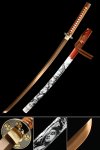 Ornate Scroll Tsuba 1095 Carbon Steel Katana, Full Tang, Handmade & Red White Saya
Verified Purchase
Ornate Scroll Tsuba 1095 Carbon Steel Katana, Full Tang, Handmade & Red White Saya
Verified Purchase
Amazing customer service would answer my numerous emails even before I ordered the Katana almost instantly. Shipping was even better probably the fastest shipping for any international order I have ever placed. Ordered on Sunday got the package that following Friday. The quality of the sword is beyond amazing.....
Orange Katana with Manganese Steel Blade - Chrysanthemum Gold-Black Tsuba, Hardwood Saya
Verified Purchase
Shipment was fast and both swords are amazing works of art... definitely will be purchasing more...
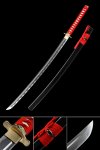 1045 Carbon Steel Katana with Red Cord Handle, Dragon Tsuba in Black Lacquer Saya
Verified Purchase
1045 Carbon Steel Katana with Red Cord Handle, Dragon Tsuba in Black Lacquer Saya
Verified Purchase
Everything is tight and the blade is sharp. The black blade was a surprise but it looks awesome! Had a small issue with the payment on the website and it was quickly resolved. Over all is was a very good value for a medium quality blade. It makes for a beautiful display. Shipping time was also very good from out of the country.
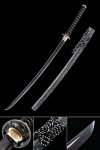 T10 Carbon Steel Katana with Crane Eagle Tsuba - Black-Silver Marble Saya, Black-White Cord Handle
Verified Purchase
T10 Carbon Steel Katana with Crane Eagle Tsuba - Black-Silver Marble Saya, Black-White Cord Handle
Verified Purchase
What a wonderful experience well package quickly shipped arrived. Great what a beautiful, beautiful sword thank you so much. Will do business again wonderful thank you
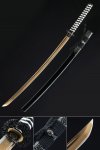 1060 Carbon Steel Katana with Golden Blade - Black Lacquer Saya, Flower Tsuba, Black-White Tsuka
Verified Purchase
1060 Carbon Steel Katana with Golden Blade - Black Lacquer Saya, Flower Tsuba, Black-White Tsuka
Verified Purchase
This sword looks and feels amazing!!! I'm so happy to add it to my collection
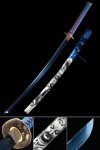 Blue Manganese Steel Katana with Buddha-Print White Saya - Blue-Red Tsuka Ito, Bronze Alloy Tsuba
Verified Purchase
Blue Manganese Steel Katana with Buddha-Print White Saya - Blue-Red Tsuka Ito, Bronze Alloy Tsuba
Verified Purchase
Finally got my katana from truekatana.com I am absolutely in love with it! The craftsmanship is great, the quality is amazing and I'm very happy with it overall. If your looking to buy your own I recommend truekatana.com you won't be disappointed! The price you pay for the quality sword you get is amazing. I will be buying another in the near future! Go get yours, you will be very happy! Truly a beautiful piece of art! I am very happy with my purchase! Thank guys your the best!
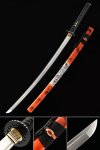 Folded Melaleuca Steel Katana with Orange Dragon-Painted Saya - Black Tsuka, Geometric Tsuba
Verified Purchase
Folded Melaleuca Steel Katana with Orange Dragon-Painted Saya - Black Tsuka, Geometric Tsuba
Verified Purchase
2nd sword from here. Happy’
All good except carrier was being silly, not their fault but hence the 4 stars.
1060 Carbon Steel Katana with White Tsuka, Black Lacquer Saya in Floral Pattern
Verified Purchase
Both items arrived packaged extremely well and in good shape. They both appear and feel to be of outstanding quality, and I'm very happy with my purchases!!
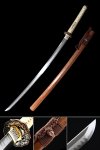 T10 Carbon Steel Katana with Real Hamon in Natural Hardwood Saya - Dragon Tsuba, White Ito
Verified Purchase
T10 Carbon Steel Katana with Real Hamon in Natural Hardwood Saya - Dragon Tsuba, White Ito
Verified Purchase
Lightning fast shipment and transit. Got here EARLY!!! So happy with purchase and quality
T10 Carbon Steel Katana with Real Hamon in Natural Hardwood Saya - Dragon Tsuba, White Ito
Verified Purchase
Lovely,Fast,simple
I know that not will be only this one.
Second one is on the way :-)
I can it only recomanding.Beatiful.
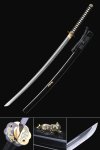 Black Katana with Tiger & Dragon Copper Tsuba - 1060 Carbon Steel, Piano Lacquer Saya
Verified Purchase
Black Katana with Tiger & Dragon Copper Tsuba - 1060 Carbon Steel, Piano Lacquer Saya
Verified Purchase
Super cool sword, feels amazing, sharp and sturdy. Money well spent
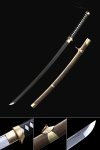 Damascus Steel Katana with Gold Copper Tsuba - Folded Blade, Black Ito, Brown Hardwood Saya
Verified Purchase
Damascus Steel Katana with Gold Copper Tsuba - Folded Blade, Black Ito, Brown Hardwood Saya
Verified Purchase
Loading more reviews...