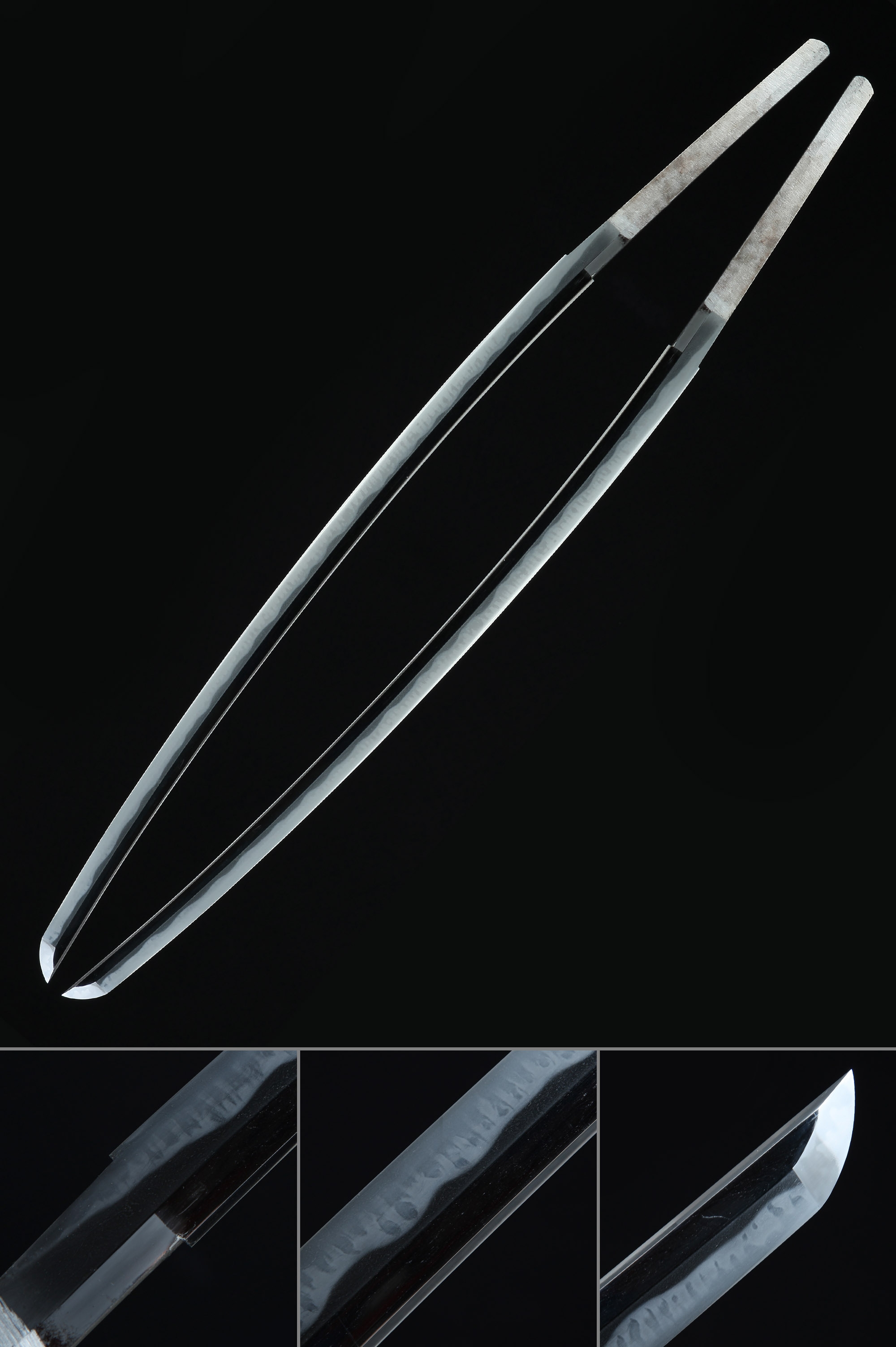
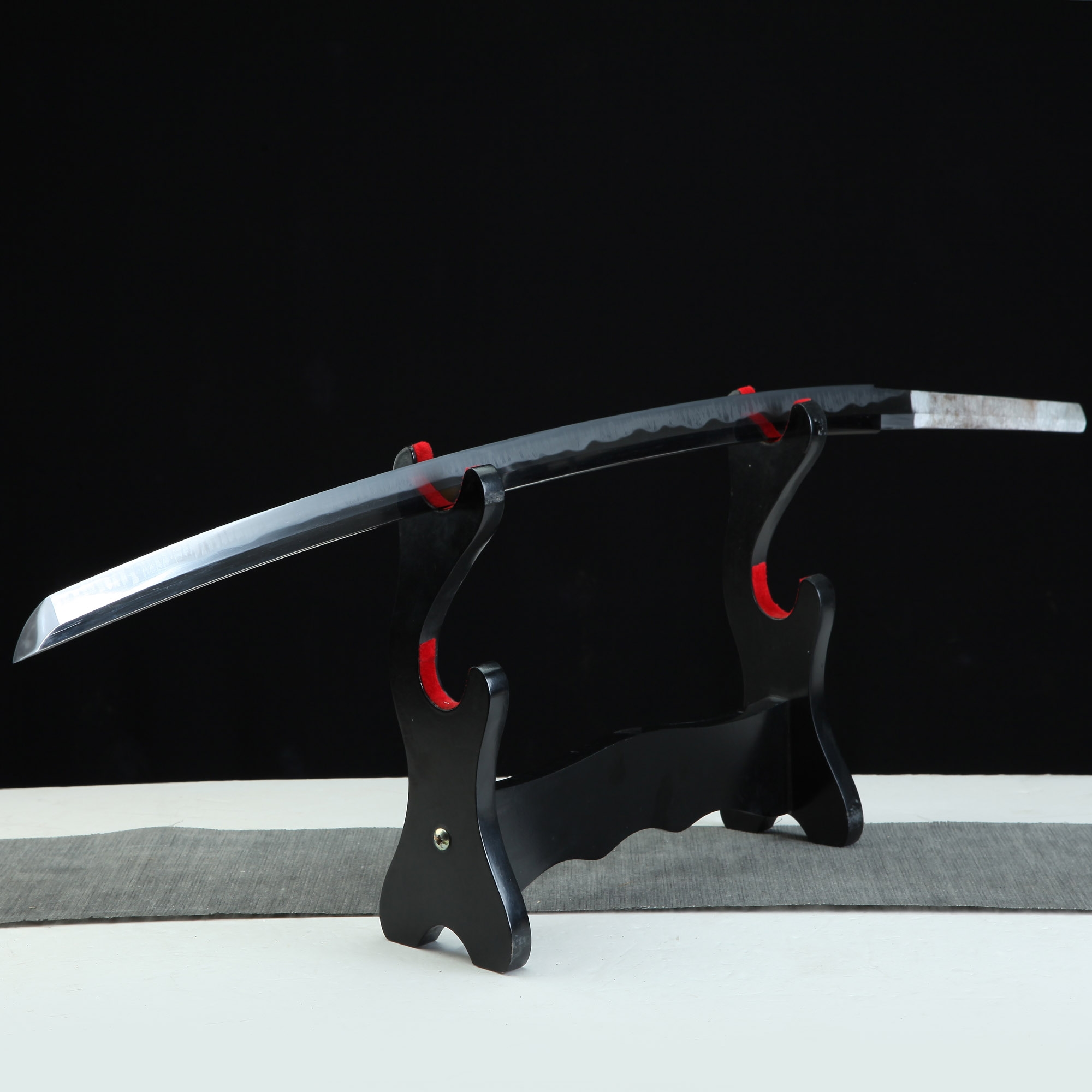
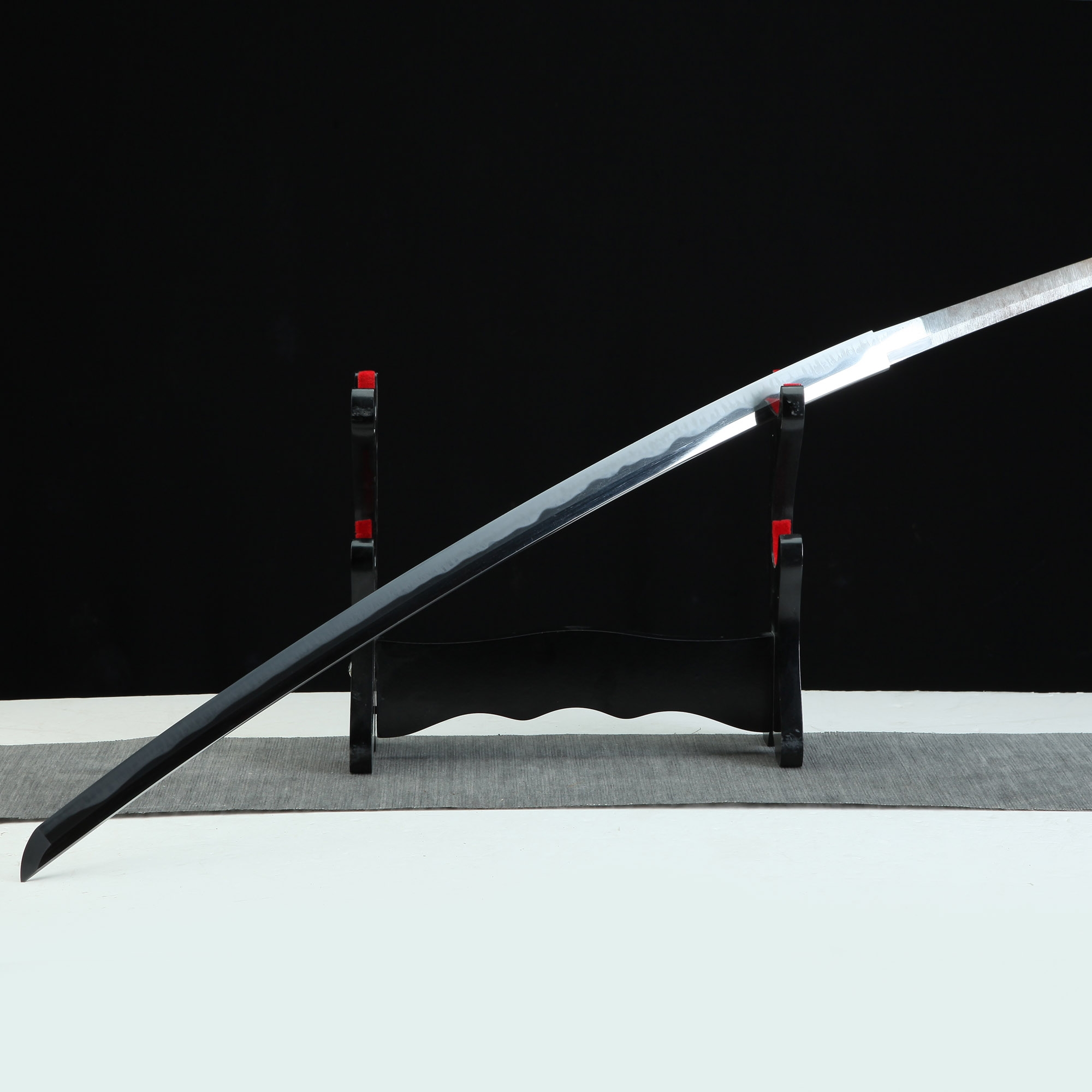
Tamahagane Katana Blade - Handforged 28.3-Inch, Real Hamon, Jihada, Full Tang No Holes
2,719.00 USD
10% OFF
Apply code: TK10OFF at the checkout page when you spend 129+
In-stock
- 28.3-inch tamahagane blade, 37.8 inches overall with a 9.5-inch nakago - standard katana proportions.
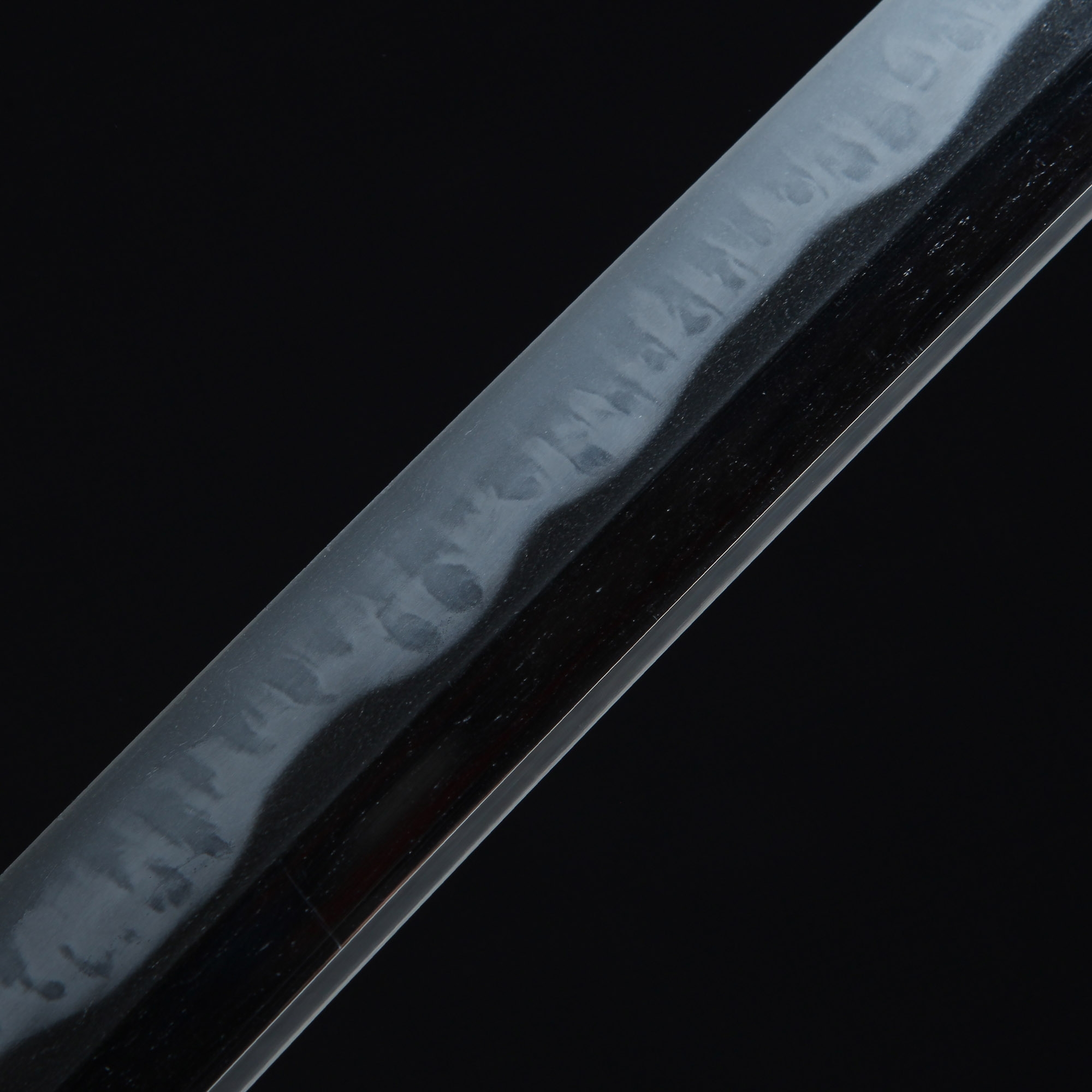
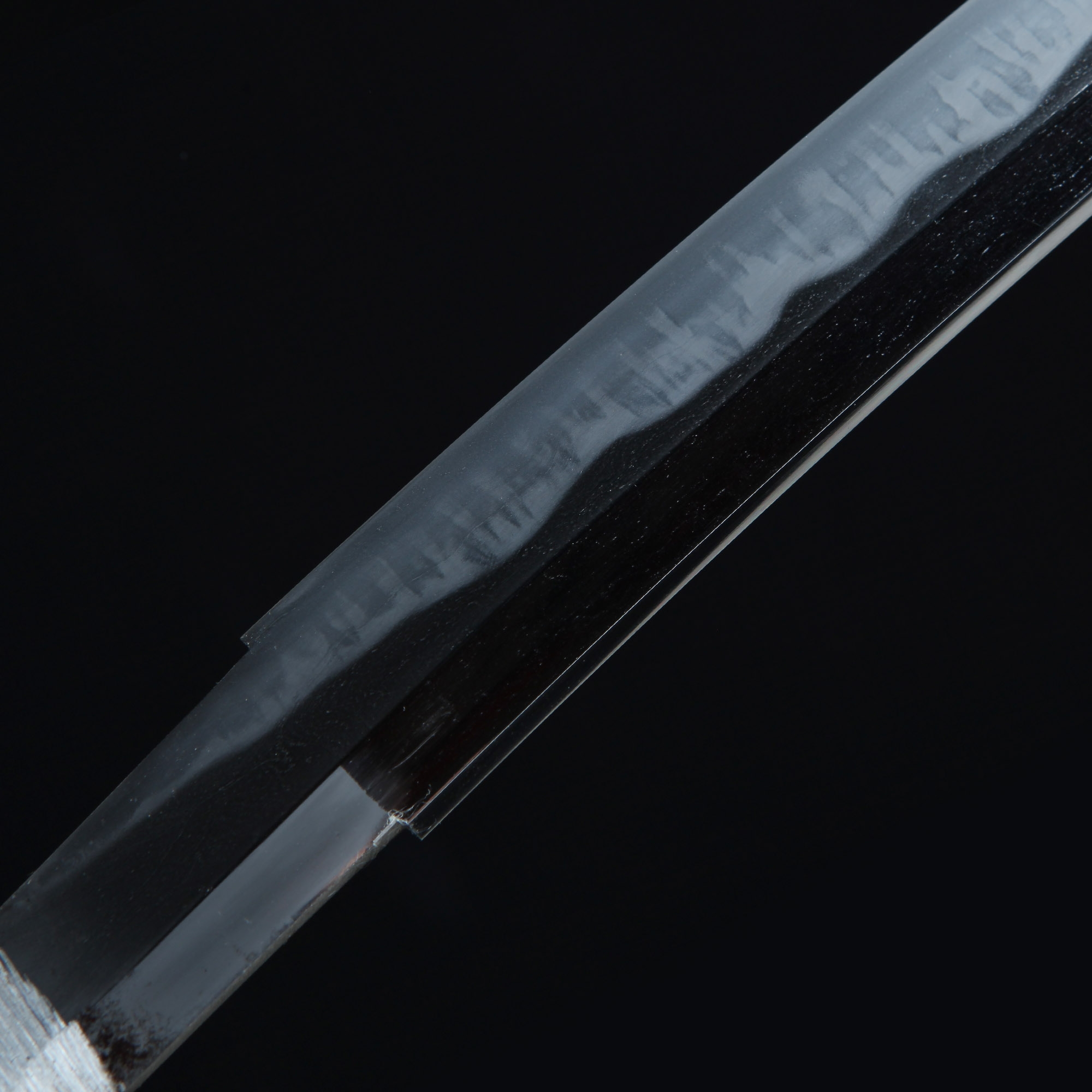
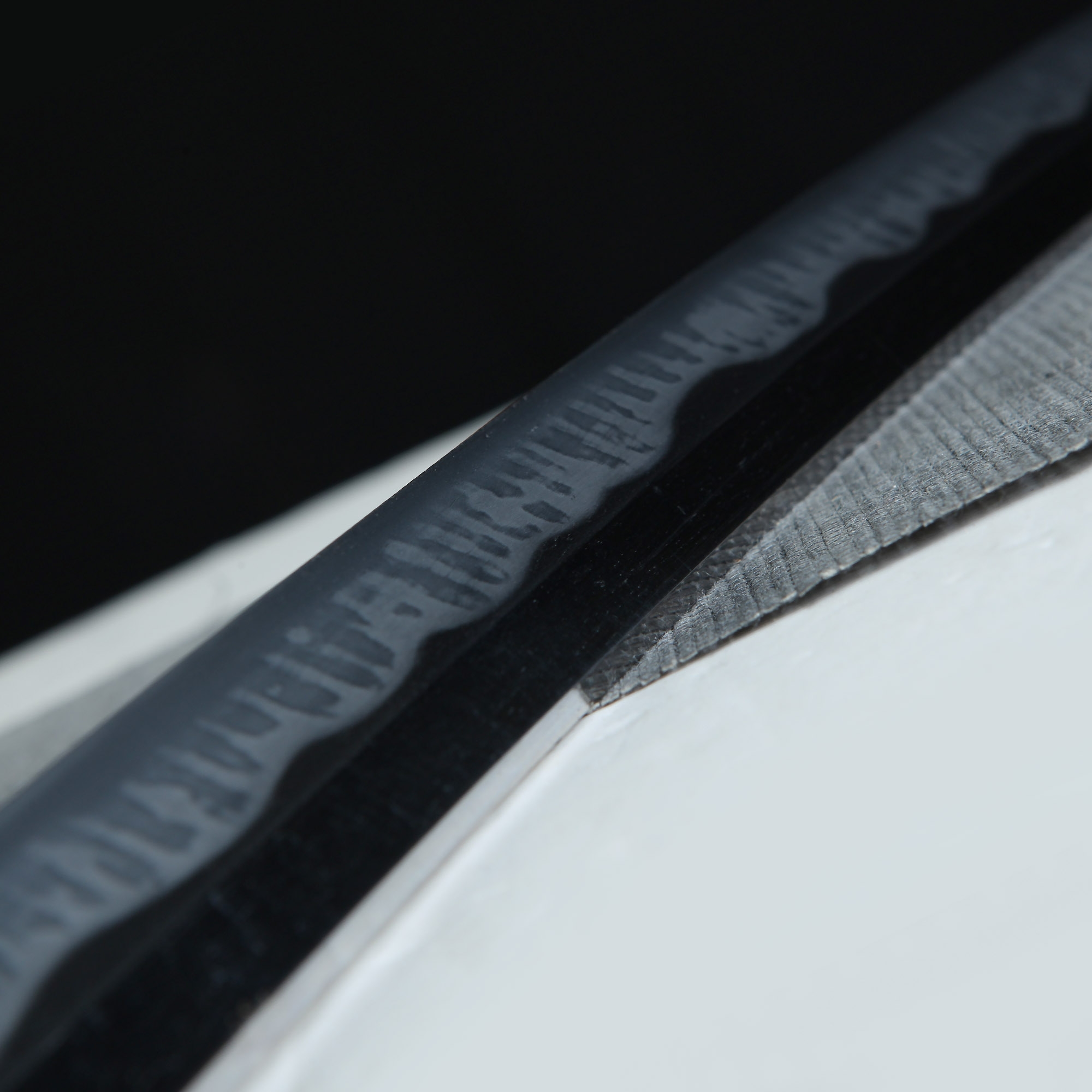
- Real folded hamon: the crystalline edge line formed by differential hardening during clay tempering.
- Jihada surface grain across the flat - the folded steel pattern inherent to tamahagane forging.
- Nakago carries natural black-rust patina - the deliberate preservation Japanese sword-smiths built in.
- Full tang with no pre-drilled holes; buyer drills mekugi-ana to their own tsuka configuration.
- 1.26-inch width, 0.75-inch sori, 1.76 lbs - proportions consistent with traditional katana geometry.
 | Handmade by seasoned sword-smiths. |
 | Free U.S. express shipping. |
 | 30 day money back guarantee! |
 | SSL end-to-end encrypted secure payments. |
 | Trusted by 150,000+ purchased customers. |
Product Details
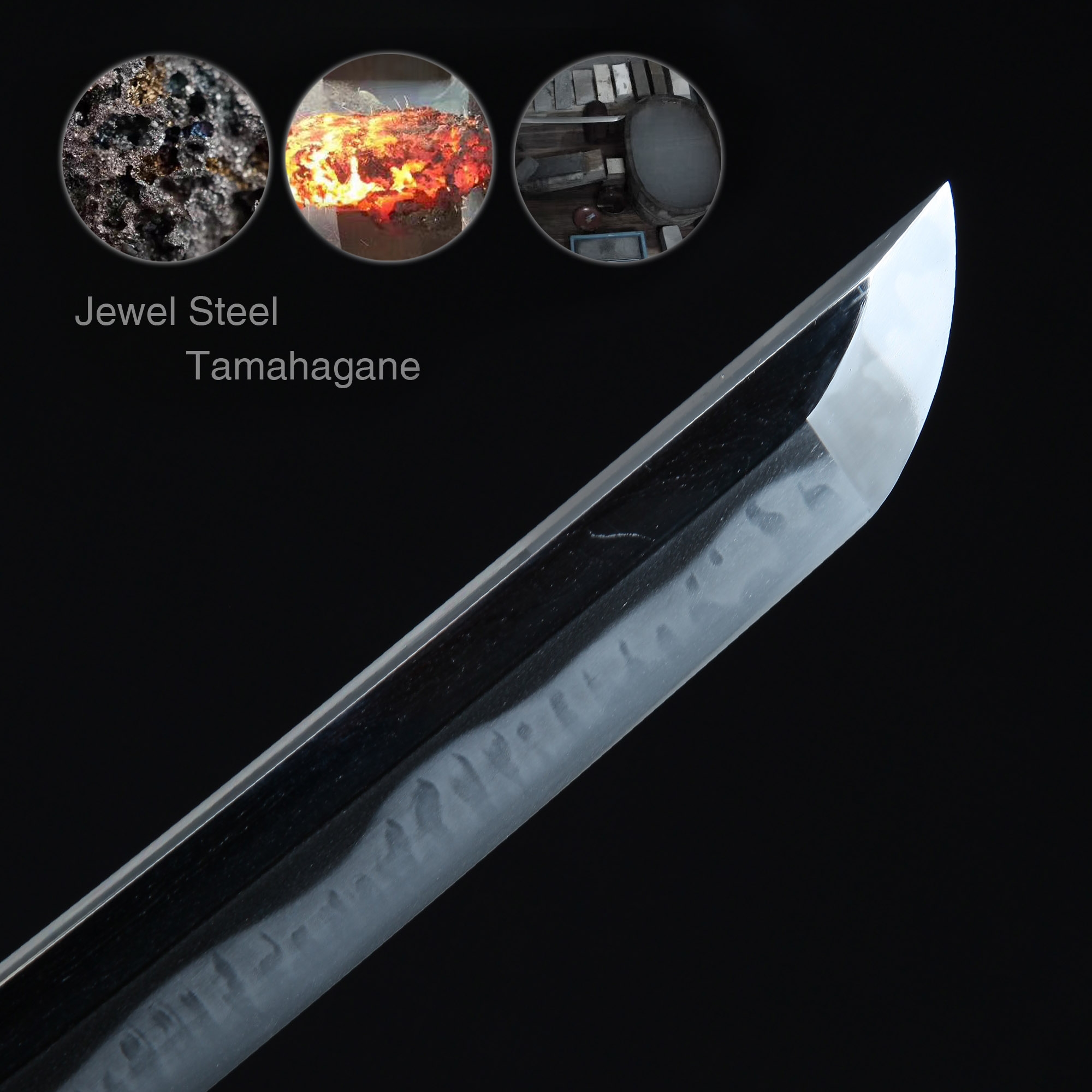
Tamahagane is where Japanese sword-making begins - not a steel alloy selected from a catalog, but a material produced specifically for sword forging through a process unchanged in over a thousand years. Iron sand (satetsu) and charcoal are smelted together in a traditional tatara furnace, their carbon and iron elements fusing into the raw ore that Japanese smiths call tamahagane - jewel steel. What comes out of the furnace is sorted by carbon content, folded, and worked into a blade with differentiated hardness across its cross-section.
This handforged blade runs 28.3 inches from tip to habaki-moto, 37.8 inches overall. The 9.5-inch full-tang nakago extends beyond the blade base - the same steel, uninterrupted, that the tsuka will eventually enclose. Proportions: 1.26-inch width, 0.75-inch sori, 1.76 lbs, consistent with traditional katana geometry.
The hamon is the crystalline boundary formed where clay-coated steel meets the quench at different speeds - the hard edge zone cooling faster than the clay-insulated spine. Its specific form is unique to this forging, shaped by the smith's clay application, temperature, and quench variables. The jihada - the folded grain pattern across the flat - is the surface evidence of the forging process, visible to the eye and distinct to tamahagane. Both are preserved intact.
The nakago's black-rust patina arrives as forged. Japanese smiths preserved this deliberately: the patina protects bare steel from red rust when enclosed in a handle, and its color variation over time serves as a dating marker. No holes are pre-drilled on the tang - the buyer places and drills mekugi-ana to match their own tsuka dimensions and chosen fittings. Browse the tamahagane blade collection for the full range. Free shipping, 30-day money-back guarantee.
- 28.3-inch tamahagane blade, 37.8 inches overall with a 9.5-inch nakago - standard katana proportions.
- Real folded hamon: the crystalline edge line formed by differential hardening during clay tempering.
- Jihada surface grain across the flat - the folded steel pattern inherent to tamahagane forging.
- Nakago carries natural black-rust patina - the deliberate preservation Japanese sword-smiths built in.
- Full tang with no pre-drilled holes; buyer drills mekugi-ana to their own tsuka configuration.
- 1.26-inch width, 0.75-inch sori, 1.76 lbs - proportions consistent with traditional katana geometry.
Specification
| Item Number | TK-JP-G10460 |
|---|---|
| Primary Color | Steel |
| Primary Material | Tamahagane Steel |
| Nagasa Color | Chrome |
| Nagasa Hamon | Yes |
| Style | Shirasaya |