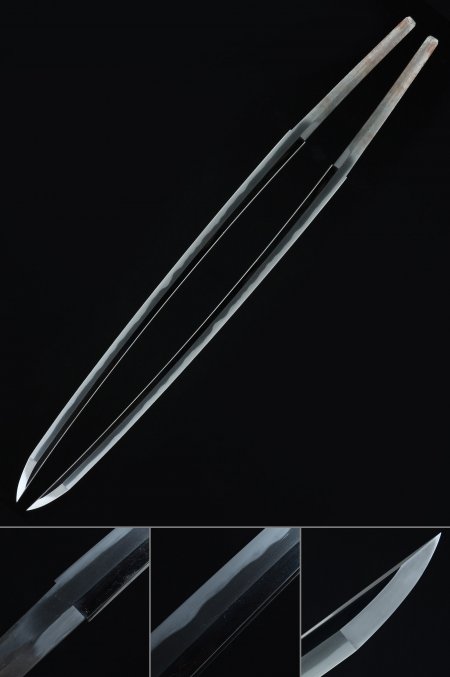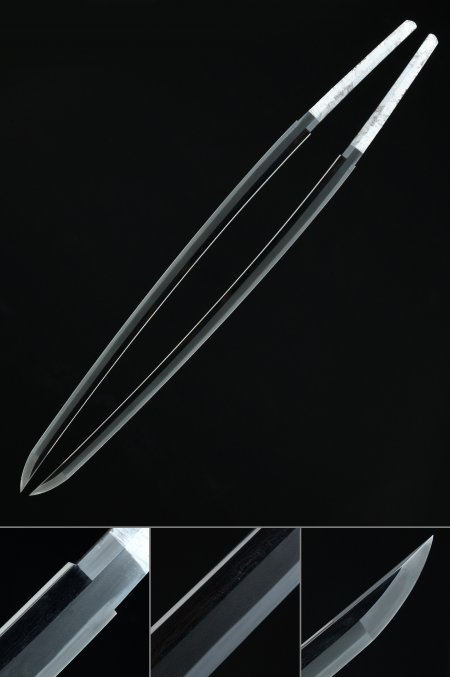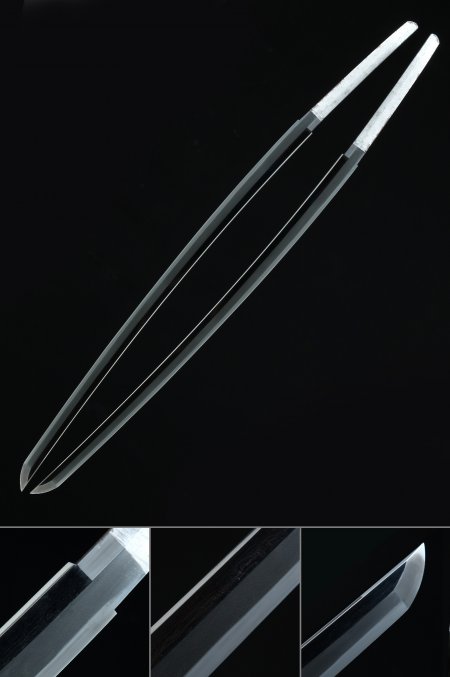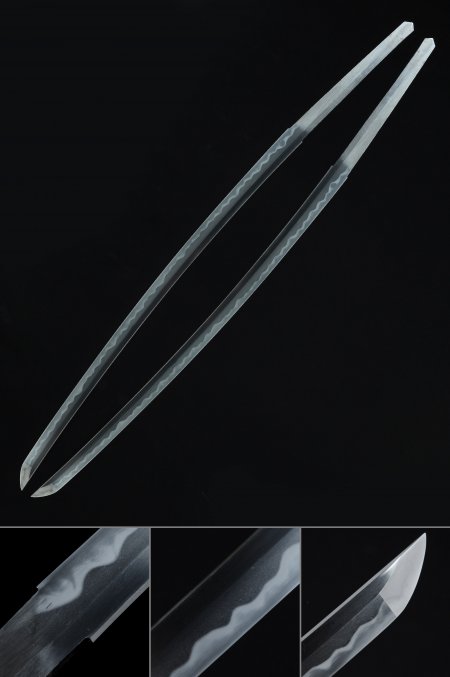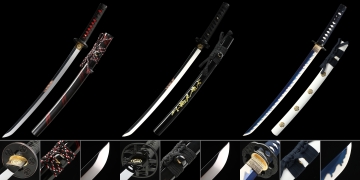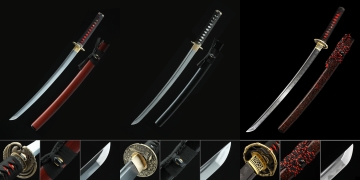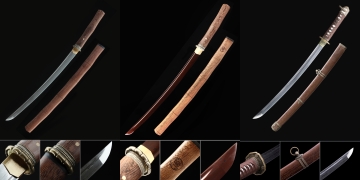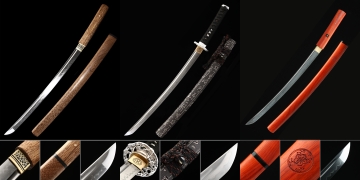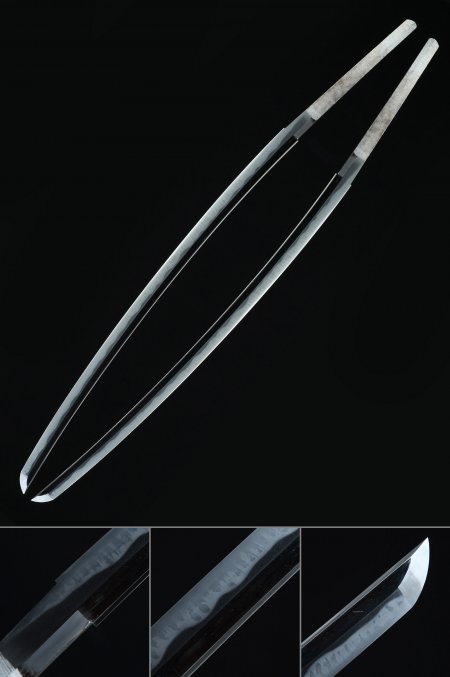
Tamahagane Steel Katana Blade

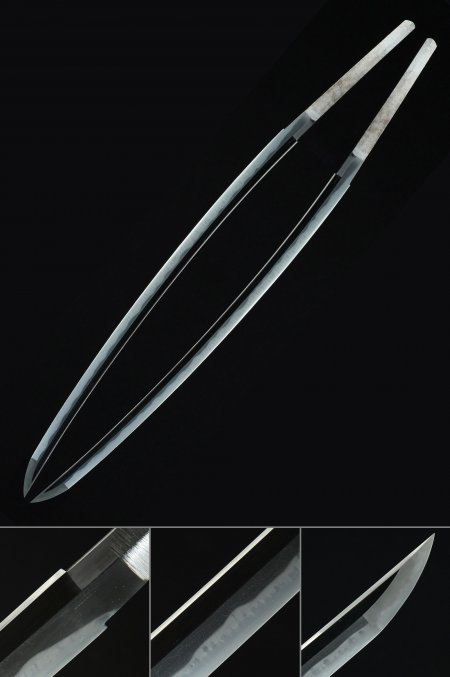
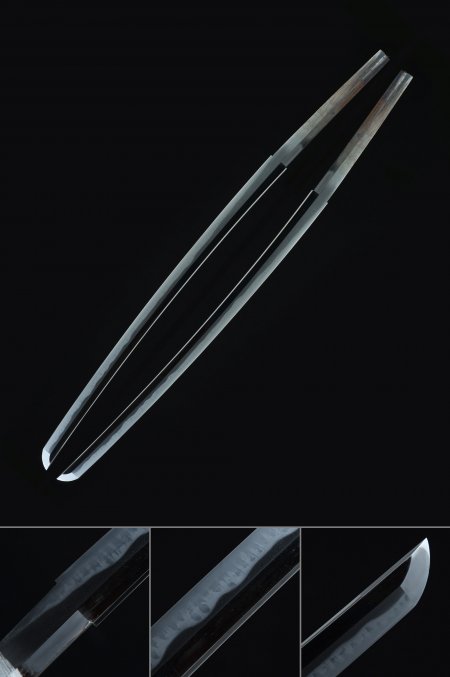
Tamahagane steel katana blades represent the pinnacle of traditional Japanese swordsmithing — each one hand-forged from the same iron sand smelted material that master smiths have used for centuries. Our blades display authentic hamon temper lines, visible jihada grain patterns, and full-tang construction, making them exceptional pieces for serious collectors and display enthusiasts alike. Every blade ships free with easy returns, so adding one of these rare forged pieces to your collection is completely risk-free.
Showing 7 Products

Related Collections

1095 Wakizashi10 items


12 Reviews

1060 Wakizashi41 items


150 Reviews

Damascus Wakizashi25 items


88 Reviews

T10 Wakizashi43 items


206 Reviews

Frequently Asked Questions

What makes tamahagane steel different from modern high-carbon steel?
Tamahagane is produced through the tatara smelting process, where iron sand and charcoal are layered inside a clay furnace and burned over multiple days. The resulting bloom contains steel with naturally varied carbon content across its mass — some zones higher, some lower — rather than a uniform alloy composition. When a smith hand-forges tamahagane, folding and consolidating the bloom, this variable carbon distribution creates the visible jihada grain pattern on the polished blade surface. Modern high-carbon steel like 1095 or T10 is manufactured to a precise, uniform specification. It can be heat-treated and polished beautifully, but it will never exhibit authentic jihada because it lacks that internal structural complexity. For collectors, this distinction is fundamental: tamahagane jihada is a record of the material's origin, not a cosmetic finish applied afterward.
What is jihada, and how do I identify it on a blade?
Jihada refers to the surface grain pattern visible on a polished tamahagane blade — the visual result of folded steel layers expressing themselves through differential light reflection. Depending on how the smith folded and oriented the steel during forging, jihada can appear as itame (wood-burl pattern), masame (straight grain), or mokume (more pronounced burl). To identify it, examine the blade under a single directional light source — natural daylight at a shallow angle works well. The grain will appear as a subtle flowing texture across the flat (ji) of the blade, distinct from the hamon and from any surface scratches. On lower-quality pieces, what looks like jihada may simply be a surface etch applied chemically. Authentic tamahagane jihada will be consistent in depth and orientation and will not disappear with light polishing.
Should I choose a preserved nakago or a no-hole full-tang configuration?
The choice depends on your collecting intent. A preserved nakago blade retains the tang exactly as it left the forge — unworked, undrilled, showing the natural forge-finished surface with visible hammer marks and original oxidation. This configuration is prized by collectors focused on historical authenticity and documentary value; it presents the blade as a study object, complete in itself, typically displayed in a shirasaya or on a stand. A no-hole full-tang configuration, by contrast, gives custom assemblers a clean starting point: the tang is finished and structurally sound, but without pre-drilled mekugi-ana holes, so you can position your own handle fittings precisely. If your goal is pure display and study, preserved nakago. If you are planning a DIY koshirae assembly with custom tsuka, no-hole full-tang is the practical choice.
How should I store and maintain a tamahagane blade for display?
Tamahagane, like all high-carbon steel, is susceptible to oxidation if left unprotected. For display storage, apply a thin, even coat of choji oil (traditional clove-infused mineral oil) or a quality Renaissance Wax to the blade surface every three to six months, or more frequently in humid climates. Always handle the blade with clean cotton gloves — fingerprint acids will etch into the polished surface and can permanently mark the jihada area within weeks. Store horizontally or at a shallow angle in a wooden shirasaya or display stand, away from direct sunlight and heating vents, both of which cause wood fittings to crack and accelerate moisture fluctuation. Avoid airtight cases without a silica gel desiccant pack; trapped humidity is more damaging than ambient air. A stable environment between 45–55% relative humidity is ideal for long-term preservation.
Are tamahagane blades a good choice as collector gifts?
Tamahagane blades rank among the most distinctive gifts available in the Japanese sword collectible category, specifically because they represent a material and process that most people have heard of but few have actually encountered. For a recipient who collects Japanese edged pieces, a hand-forged tamahagane blade with visible hamon and jihada is immediately recognizable as something above the common market tier. For someone newer to the hobby, it serves as an excellent entry point into understanding why material provenance matters in sword collecting. Pairing a bare blade with a quality display stand, or combining it with complementary pieces from our Antique Ninja Sword collection, creates a cohesive gift set with lasting display value. Because these blades are individually hand-forged, no two are identical — a detail that adds meaningful personal character to a gift.
Cart 0 Items

Your cart is empty