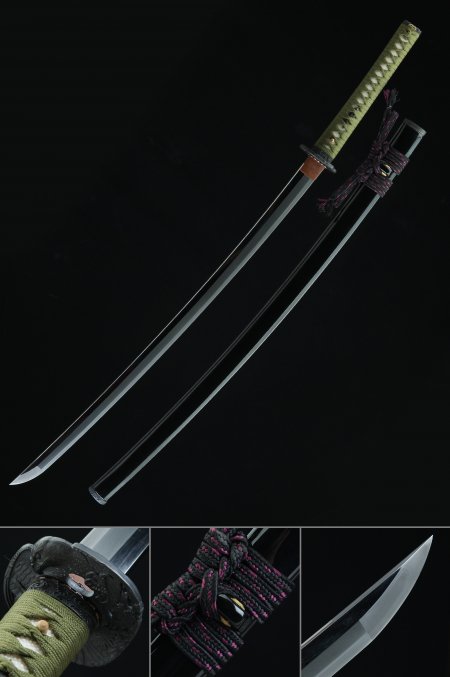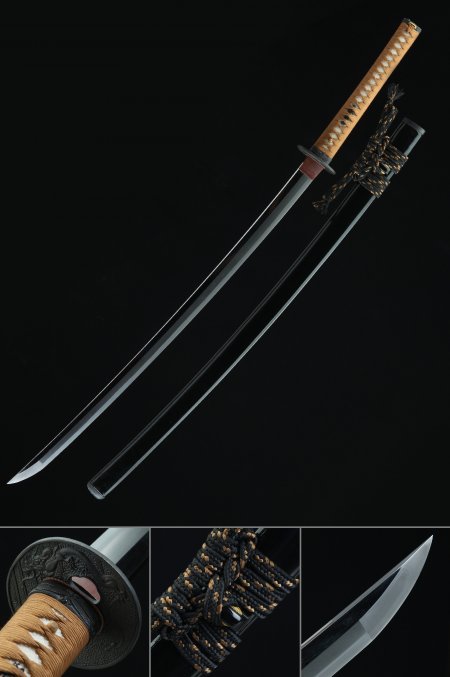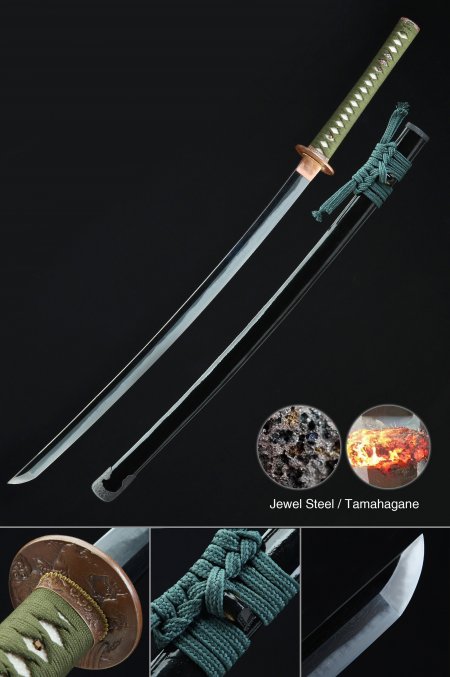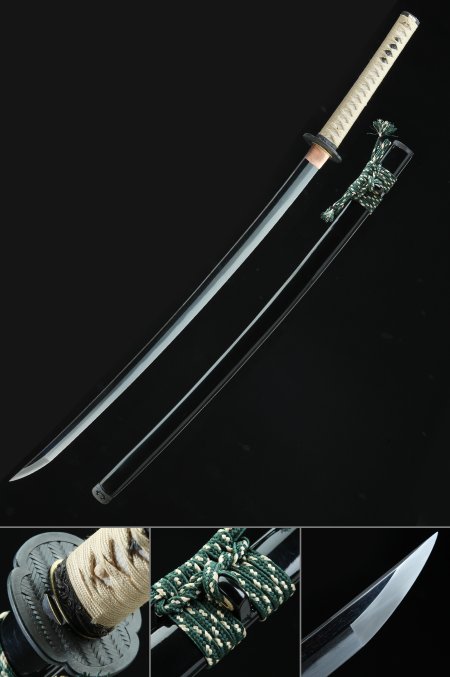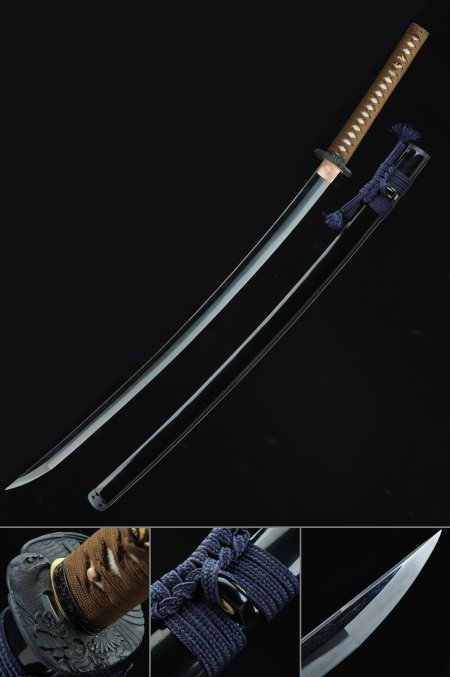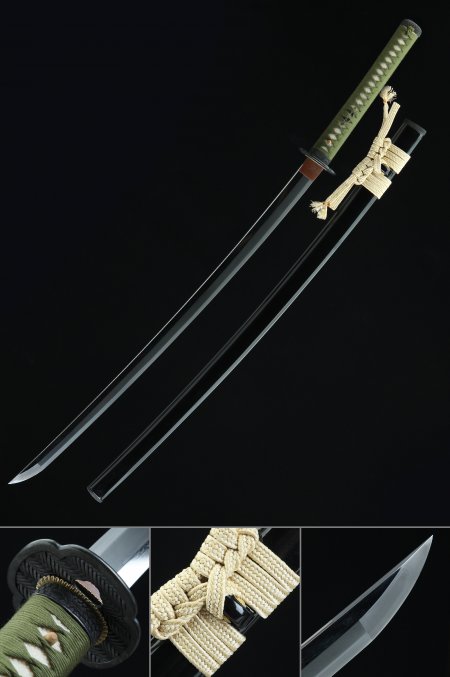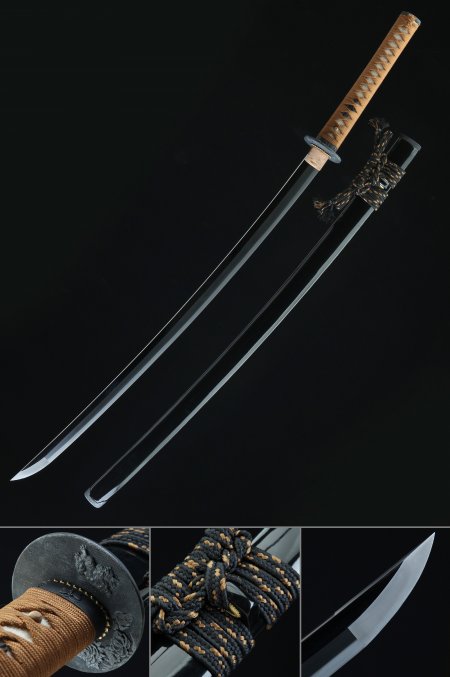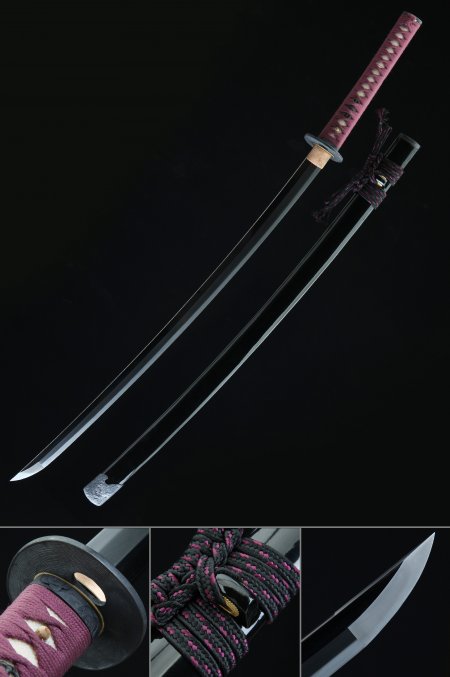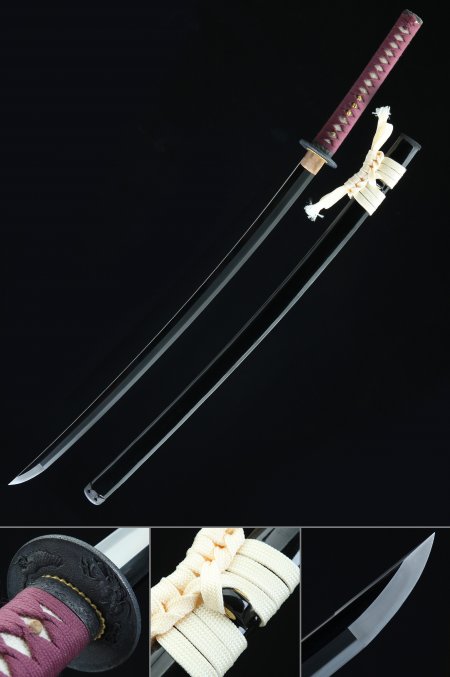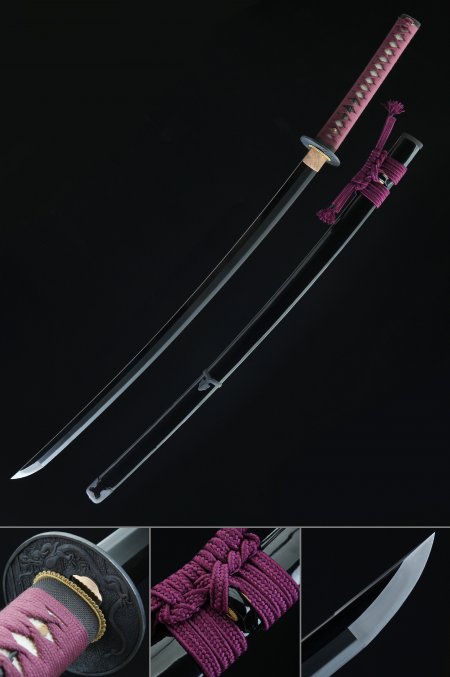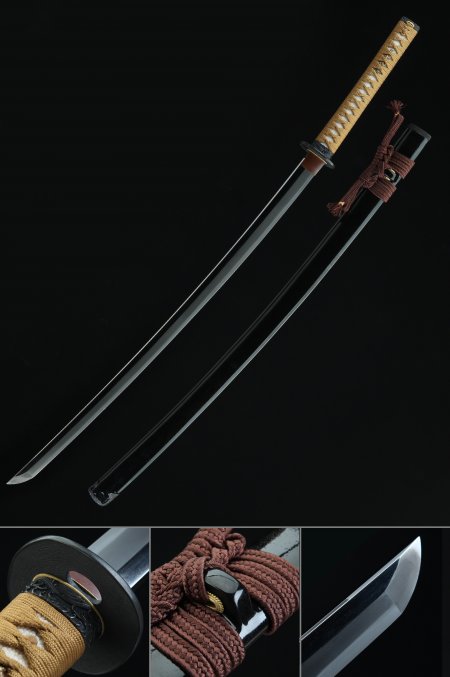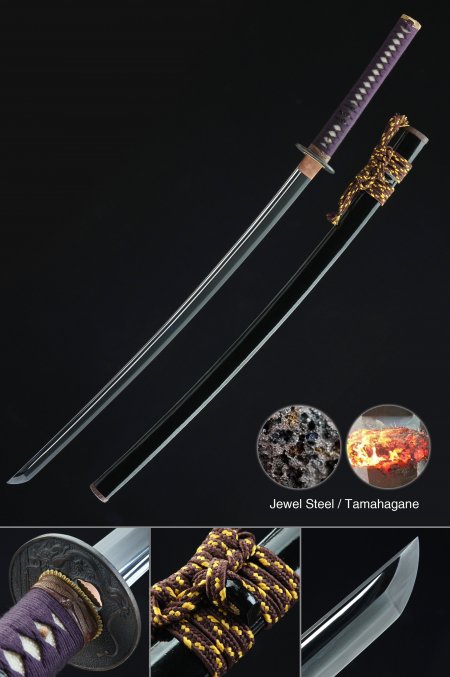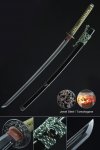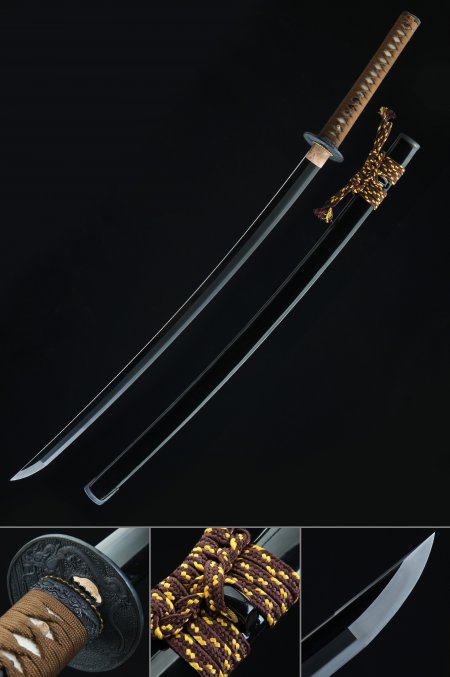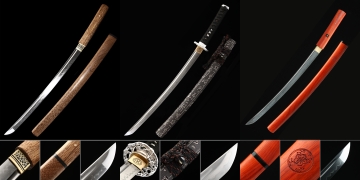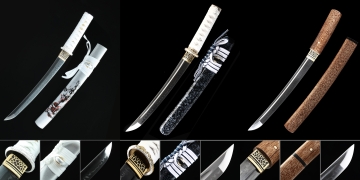
Black Tamahagane Steel Katana

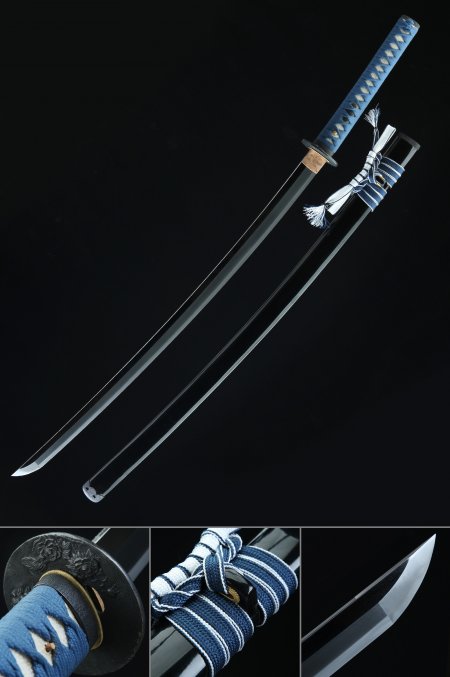
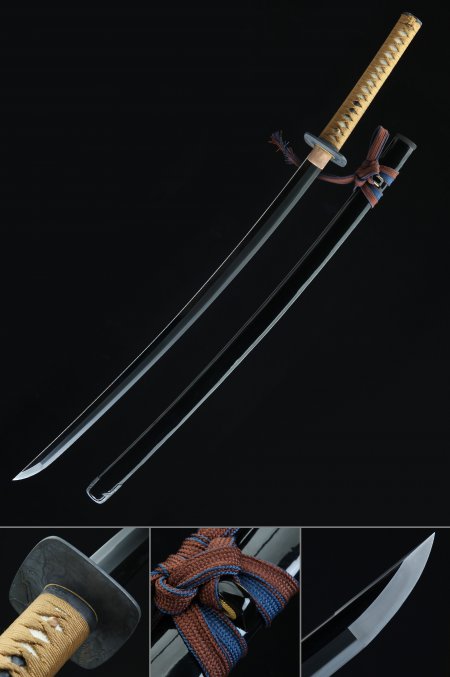
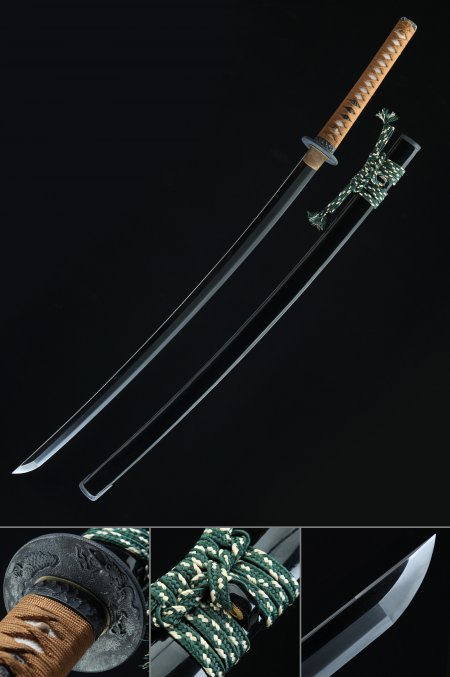
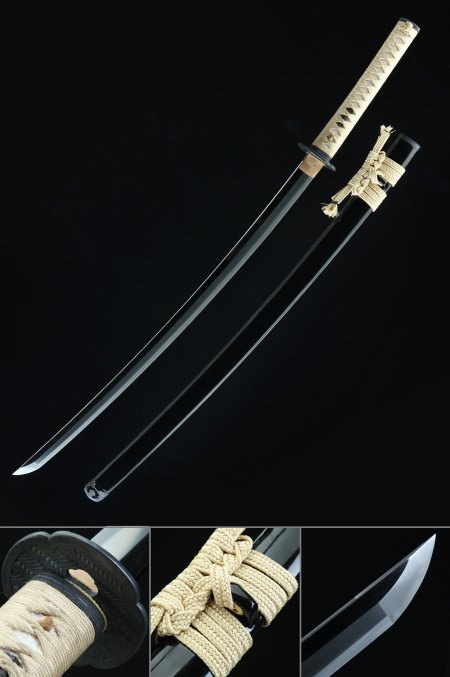
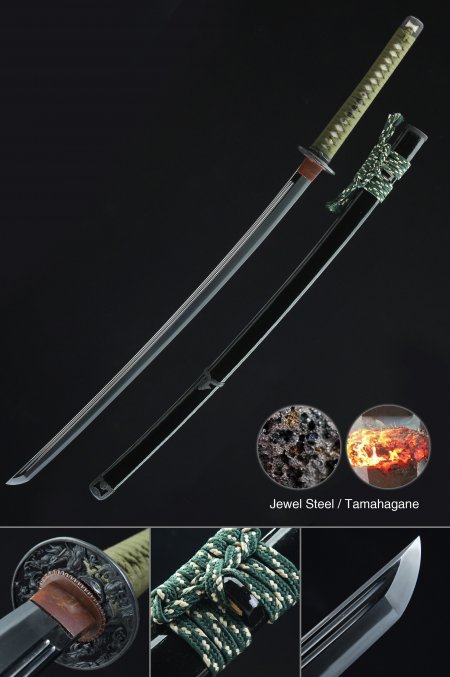
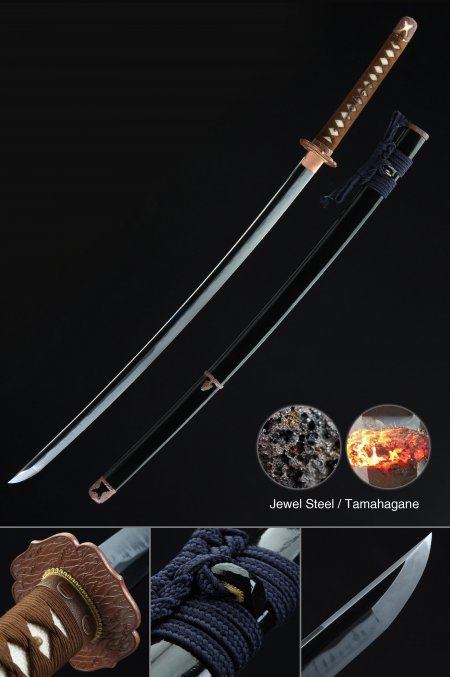
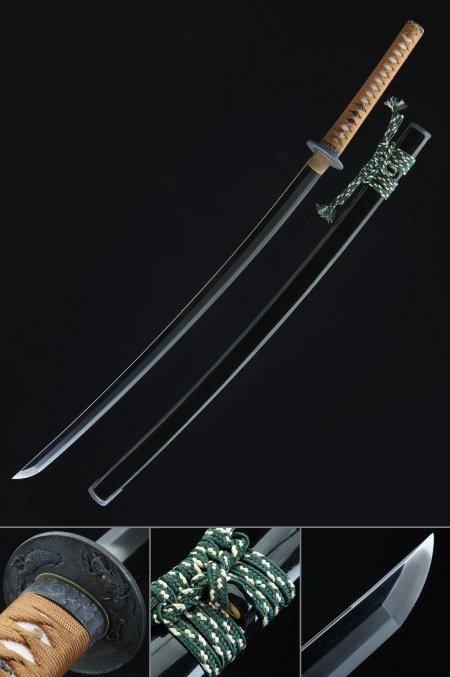
Forged from authentic tamahagane-style steel and finished in deep black lacquer, each katana in this collection is a hand-crafted display piece that honors centuries of Japanese sword-making tradition. From dragon tsuba fittings to vivid ito wraps in green, purple, and brown, every detail reflects thoughtful koshirae craftsmanship. Enjoy free shipping on your order, plus hassle-free returns — because finding the right collectible should be as refined as the piece itself.
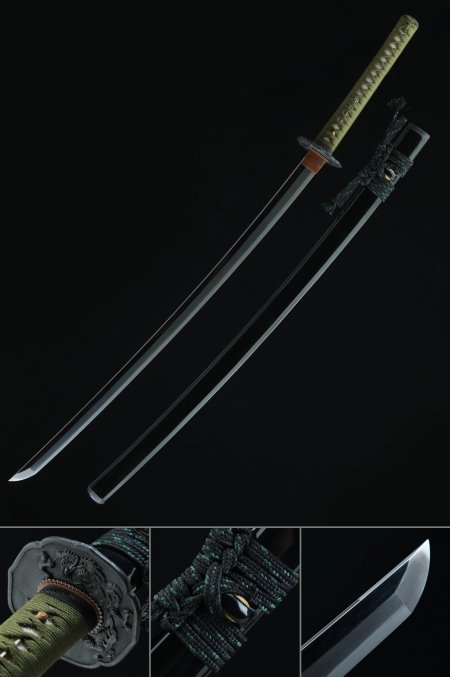
Showing 22 Products

Related Collections

Damascus Tanto46 items


55 Reviews

1095 Wakizashi10 items


12 Reviews

T10 Wakizashi43 items


206 Reviews

T10 Tanto52 items


209 Reviews

Frequently Asked Questions

What makes tamahagane steel different from other katana steels?
Tamahagane is a traditional Japanese steel produced by smelting iron sand (satetsu) in a clay furnace called a tatara. The process creates a heterogeneous bloom with naturally varying carbon content throughout the material. Swordsmiths then fold and work this bloom to consolidate it, producing the characteristic grain pattern known as hada. This internal structure differs fundamentally from modern mono-steel or spring-steel blades, which are homogeneous by design. The variation in carbon distribution within tamahagane-style steel allows for a genuine activity in the hamon — the temper line visible along the edge — making each blade's appearance unique. For collectors, this means owning a piece where the visual character of the steel is a direct record of the forging process, rather than a surface treatment applied afterward.
How is the hamon formed on a tamahagane katana?
The hamon is created through a process called tsuchioki, where the swordsmith applies a clay mixture unevenly along the blade before the hardening quench. The edge, coated in thinner clay, cools rapidly in the water quench and forms a hard crystalline structure called martensite, while the spine, insulated by thicker clay, cools more slowly and remains comparatively softer and more flexible. The boundary between these two zones is the hamon. On tamahagane steel, the natural carbon variation within the steel interacts with this differential cooling to produce especially lively activity — small formations called nie (individual martensite crystals visible to the naked eye) and nioi (a misty, diffuse line) appear along the temper boundary. Each hamon is unrepeatable, which is a primary reason collectors prize authentic tamahagane blades over chemically etched or acid-treated imitations.
What does koshirae mean, and why does it matter for collectors?
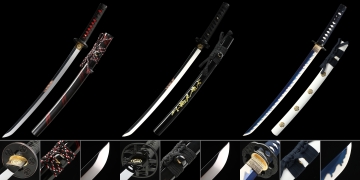
Koshirae refers to the full mounting of a Japanese sword — the complete set of fittings that dress the blade, including the tsuka (handle), tsuba (guard), fuchi and kashira (collar and pommel), menuki (ornamental grip accents), saya (scabbard), and sageo (suspension cord). A well-matched koshirae is considered an art form in its own right, separate from the blade itself. Historically, a samurai might commission multiple koshirae for the same blade to suit different occasions. For modern collectors, the koshirae style determines both the aesthetic character and the cultural narrative of the piece. A dragon tsuba with green ito evokes a very different sensibility than a flower tsuba with blue-white cord — and matching these elements coherently is a mark of quality assembly. When evaluating a display katana, examining the koshirae craftsmanship is just as important as assessing the blade.
How should I care for the black lacquer saya on my katana?
Black lacquer sayas are finished with urushi-style lacquer that is both decorative and protective, but they do require some straightforward maintenance. Avoid prolonged exposure to direct sunlight, which can cause the lacquer to fade or develop hairline cracking over time. Do not store the sword in an airtight case without occasional ventilation, as trapped humidity accelerates deterioration of both the lacquer and the underlying wood. When handling the saya, hold it by the koiguchi (mouth opening) area rather than gripping the body tightly, which can eventually leave impression marks in softer lacquer finishes. For cleaning, a soft, lint-free cloth used dry is sufficient — avoid solvents or furniture polish entirely. If you notice the saya becoming slightly loose around the blade, a qualified sword restorer can re-fit the interior wood without damaging the exterior finish.
Is a black tamahagane katana a good gift for a Japanese culture enthusiast?
A black tamahagane katana is one of the most distinctive and culturally layered gifts you can give to someone with a serious interest in Japanese history, martial arts, or artisanal craftsmanship. Unlike generic decorative swords, tamahagane blades carry an authentic connection to the methods that defined Japanese sword-making for centuries. The variety of koshirae available — different ito colors, tsuba motifs, and sageo combinations — means you can select a configuration that reflects the recipient's personal aesthetic. For display purposes, pairing the katana with a coordinated short blade from the Black Japanese Tanto collection creates a daisho-inspired presentation set that has strong visual and historical resonance. Including a dedicated sword stand and a small bottle of camellia oil as part of the gift package shows an understanding of proper care, which any knowledgeable collector will genuinely appreciate.

Customer Reviews

Kevin Ruffin Maryland, United States

Very nice looking sword with good balance and weight. However, the blade was not evenly sharpened as I requested. Moreover, the blade is not razor sharp like I wanted it to be. Therefore, I would not describe it as "Battle Ready" as advertised. r
r
The upper half of the blade is sharp enough to remove some hairs on my arm, but does not shave the skin. The lower half of the blade is not sharp enough to remove any hairs on my arm. Will have to buy some fine ceramic wet stones to finish the sharpening myself, because I want the blade to razor sharp across the full length of the blade. Swords can't be shipped back to China to correct the poor full blade sharpening.
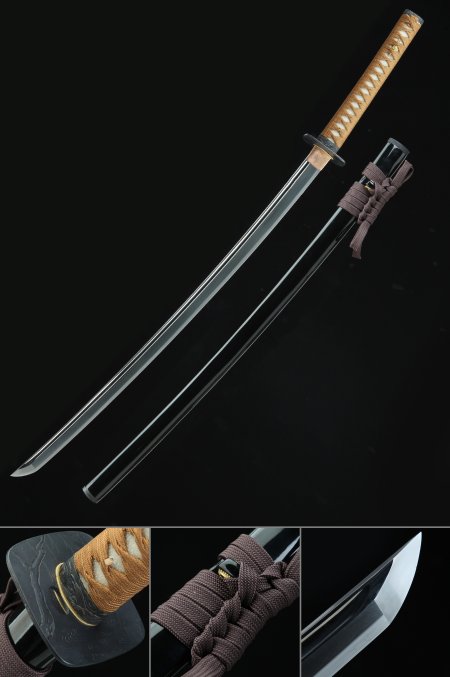
Tamahagane Steel Katana with Hamon Blade, Brown Cord Tsuka in Black Hardwood Saya Tamahagane Steel Katana with Hamon Blade, Brown Cord Tsuka in Black Hardwood Saya
Cart 0 Items

Your cart is empty