The Characteristics of cold weapon:
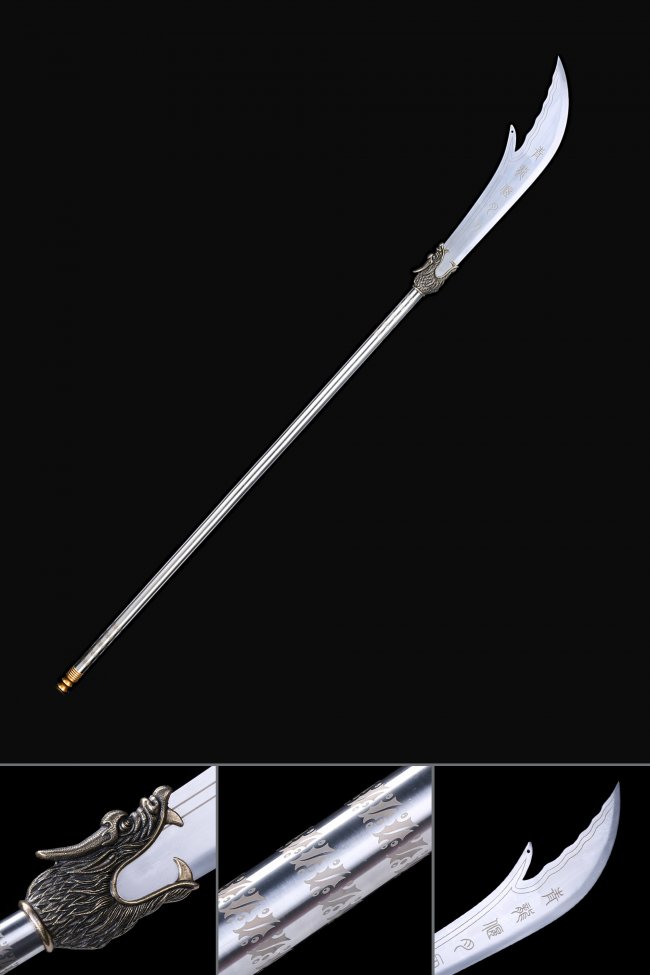
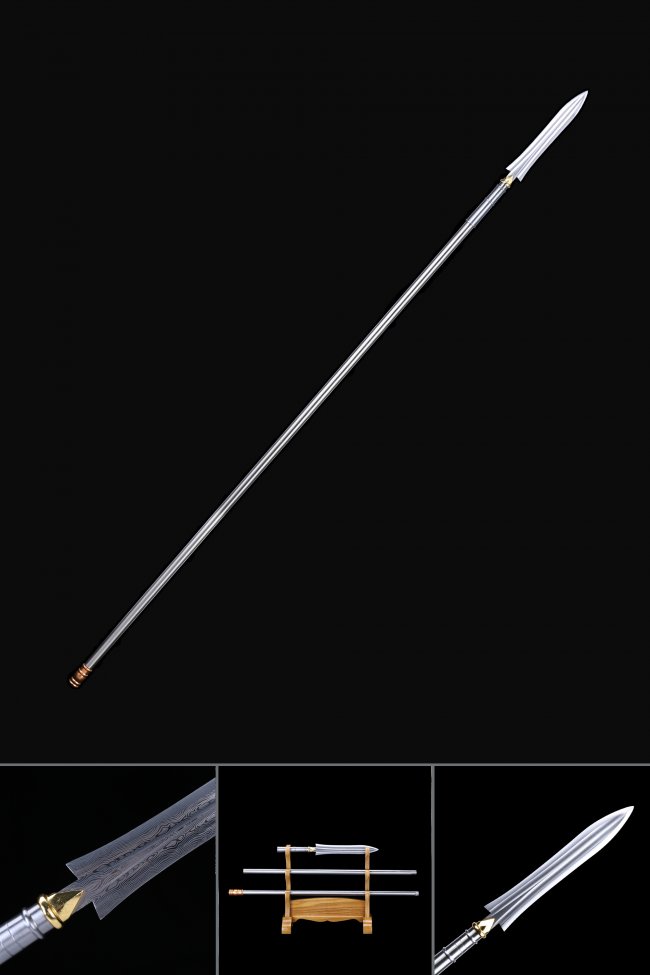
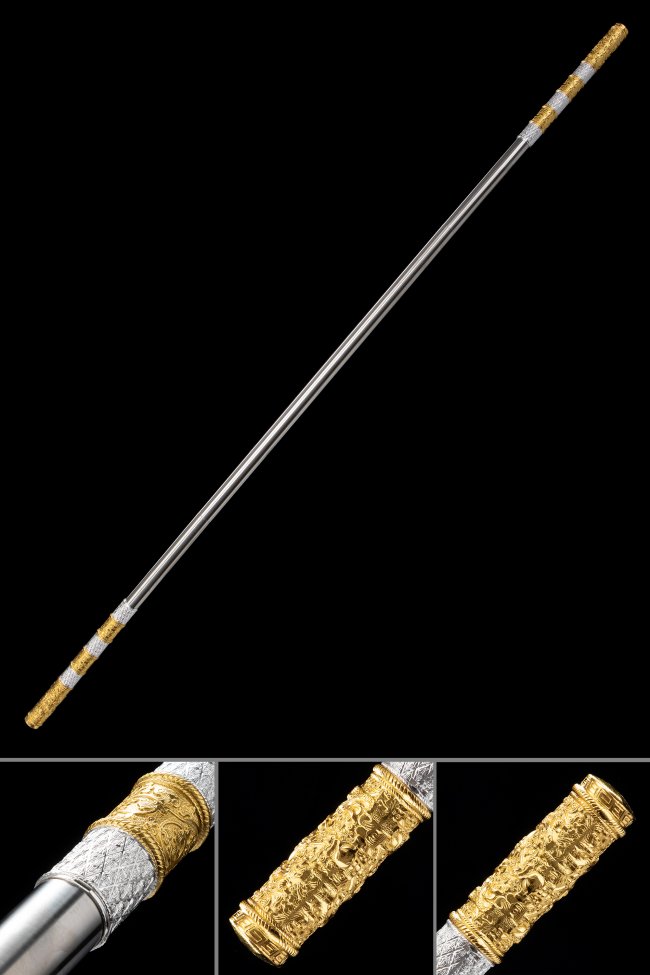
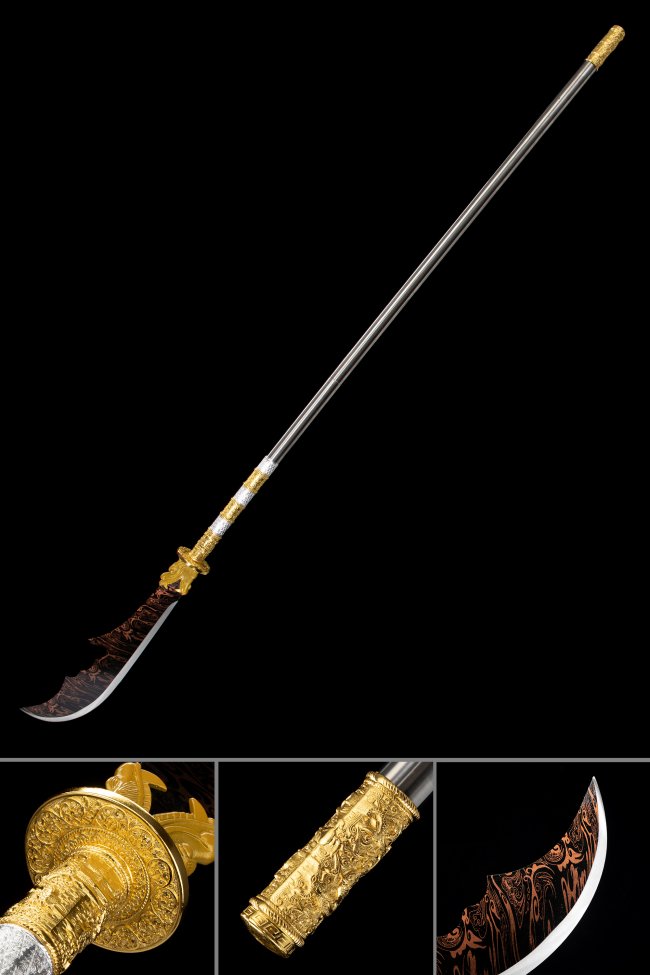
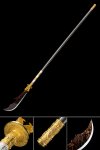
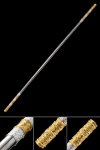
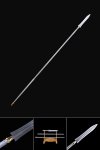
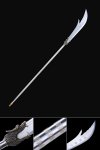
Chinese cold weapons encompass a wide array of extraordinary weapons that exemplify the consummate craftsmanship and unwavering dedication of the skilled artisans who create them. These weapons possess distinct characteristics that make them formidable in battle and cherished as cultural artifacts. Meticulously crafted with precision, they showcase intricate designs and exquisite detailing, reflecting the artisan's mastery and artistry. From the imposing broadswords to the agile spears and elegant halberds, each weapon is expertly balanced, allowing for optimal control and devastating strikes. Crafted from high-quality materials, these cold weapons exhibit exceptional durability, sharpness, and resilience, ensuring reliable performance even in the most demanding combat scenarios. The craftsmanship on display, from the intricately carved hilts to the ornate fittings, reflects the artisan's profound respect for tradition and commitment to excellence. Chinese cold weapons stand as enduring symbols of heritage and skill, embodying the essence of martial arts and representing the rich cultural legacy of ancient China.
Uses of Chinese Cold Weapon:
1. Combat and Warfare: Chinese cold weapons were historically employed in battles and warfare. Examples include swords, spears, axes, halberds, and many other weapons used by foot soldiers, cavalry, and martial artists.
2. Martial Arts Training: Many traditional Chinese martial arts systems incorporate the use of cold weapons in their training curricula. Practitioners learn techniques, forms, and strategies specific to weapons like the staff, sword, spear, or whip chain.
3. Self-Defense: Cold weapons can be used for self-defense, although their practicality for modern self-defense may be limited due to legal restrictions and the availability of more practical options.
4. Hunting and Survival: In earlier times, some Chinese cold weapons, such as bows and arrows, crossbows, or spears, were utilized for hunting game and survival in the wilderness.
5. Cultural Performances and Demonstrations: Chinese cold weapons are often featured in cultural performances, traditional dances, or demonstrations that highlight martial arts techniques and celebrate Chinese heritage.
6. Collection: Chinese cold weapons, particularly antique or rare pieces, are sought after by collectors for their historical value, craftsmanship, and artistic merits.
7. Art and Decoration: Chinese cold weapons, with their unique designs and craftsmanship, can be displayed as decorative pieces in homes, martial arts schools, or cultural centers, showcasing their aesthetic appeal and cultural heritage.