What does clay tempering actually do to the blade?
Updated Feb 2026
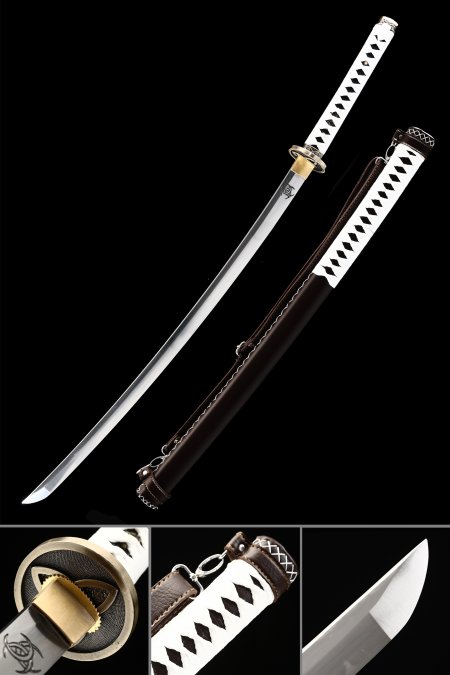
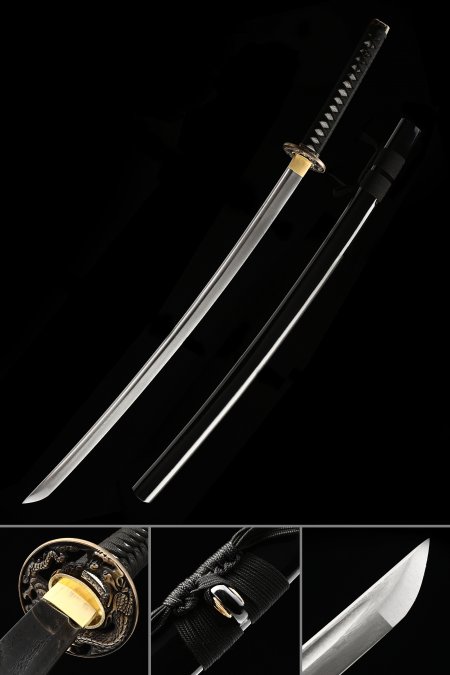
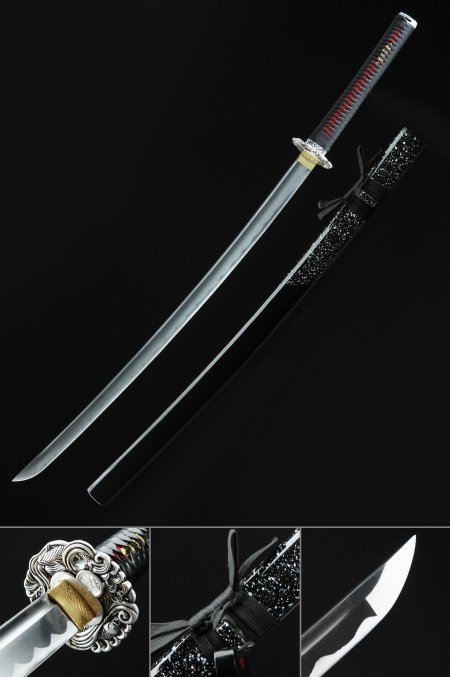
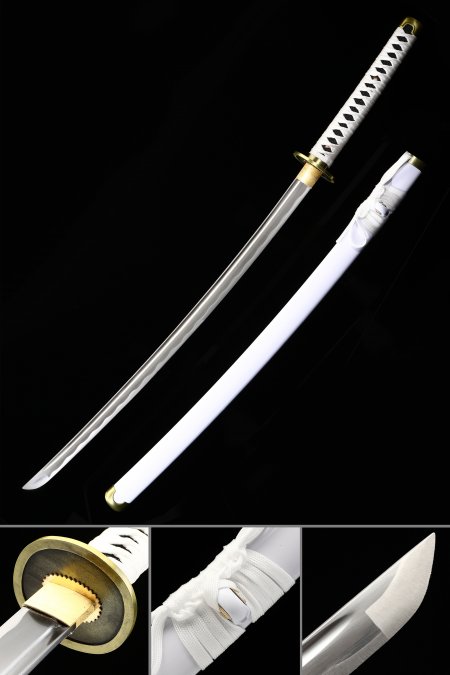
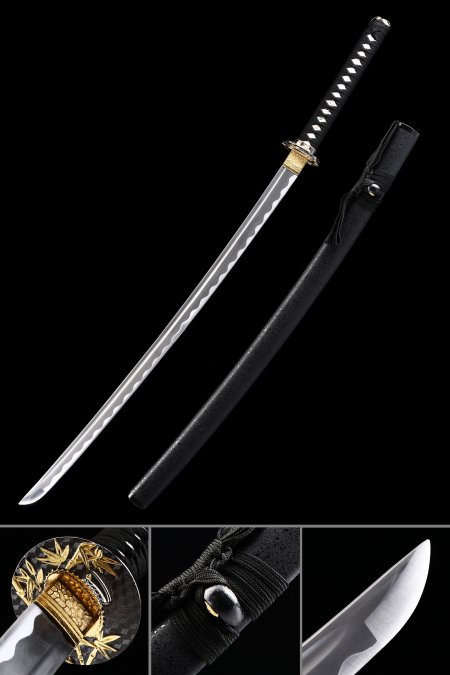
Clay tempering — known in Japanese as tsuchioki — is the process of applying a refractory clay mixture to the blade before the final quench. The smith coats the spine and flat with a thicker layer while leaving the edge zone with a thinner coat or no coat at all. When the blade is heated to critical temperature and quenched in water or oil, the thinly clad edge cools rapidly and transforms into hard martensite, while the heavily clad spine cools more slowly and retains a tougher, more flexible grain structure. The boundary between these two zones is what collectors see as the hamon — the undulating temper line that runs the length of the blade and is considered one of the primary aesthetic and authenticity markers in Japanese sword collecting. No two clay-tempered blades produce an identical hamon pattern, which means every piece in this collection carries a genuinely unique detail that cannot be replicated by machine grinding or acid etching.