How does Damascus pattern steel affect a nodachi's collectible value?
Updated Feb 2026
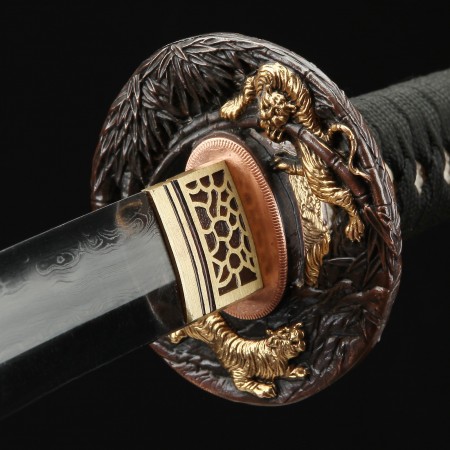
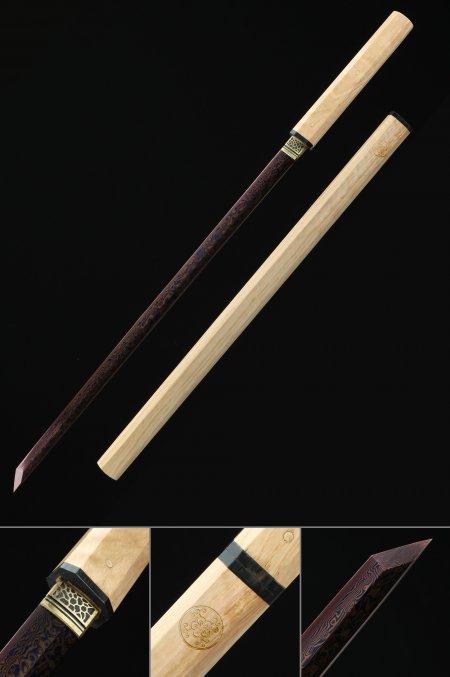
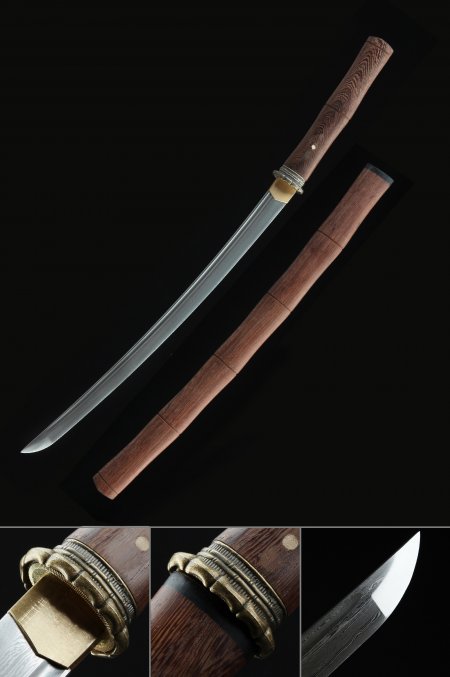
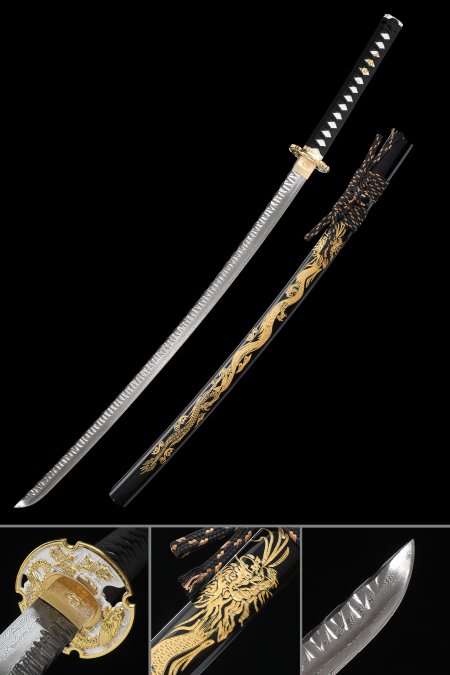
Damascus, or pattern-welded steel, is produced by forge-welding multiple layers of steel together and manipulating the billet to create surface patterns — often flowing lines, ladder patterns, or tight grain ripples — that become visible after acid etching. On a nodachi-length blade, the extended surface area turns this patterning into a substantial visual statement that is difficult to achieve on shorter forms. For collectors, Damascus blades are valued for the visible evidence of the smith's technique: each pattern is a record of the layering and manipulation process. It is worth noting that Damascus pattern steel is primarily a collector and display consideration; its metallurgical properties vary depending on the steels used in the billet, so collectors should evaluate the specific alloy composition when comparing pieces.