How do T10 steel and Damascus steel katanas differ?
Updated Mar 2026
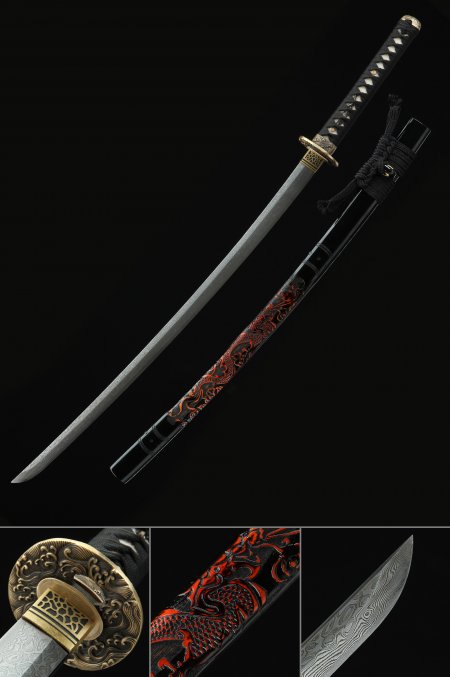
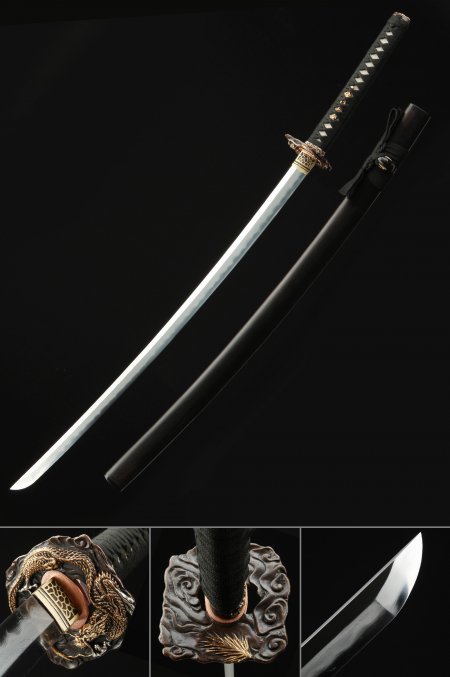
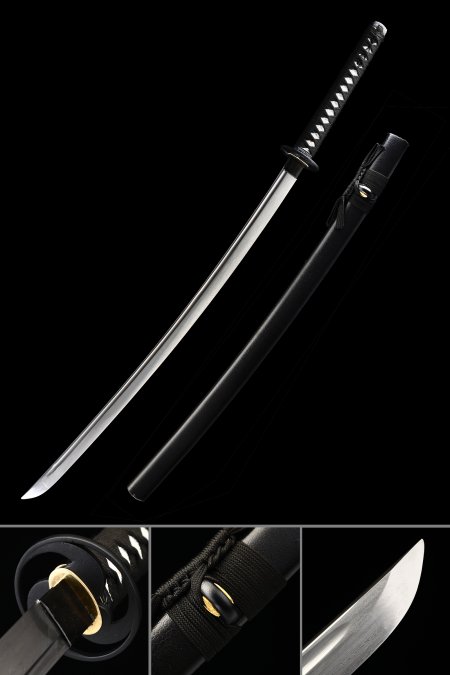
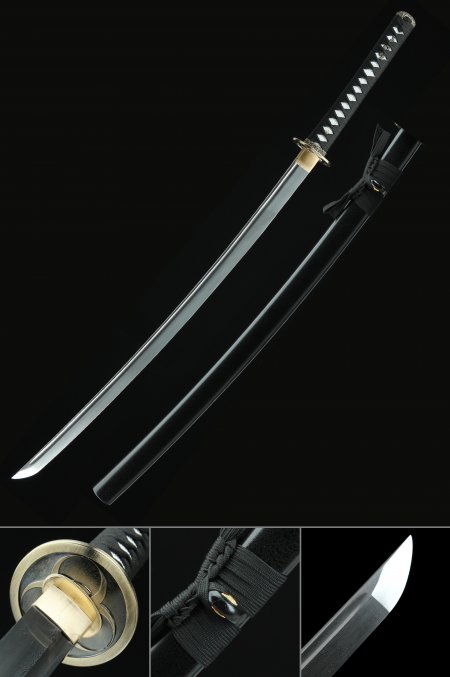
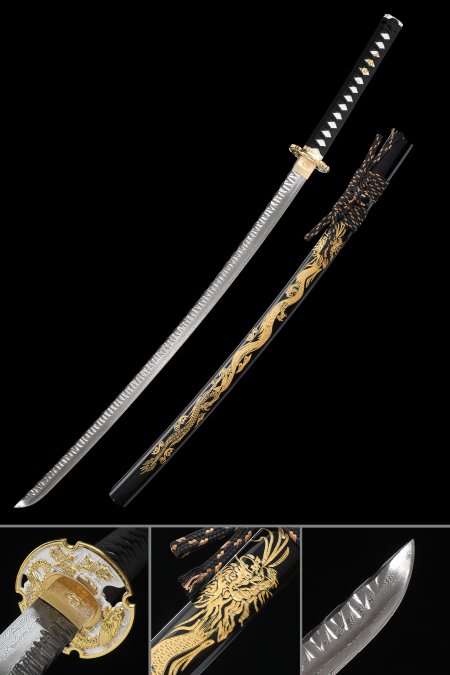
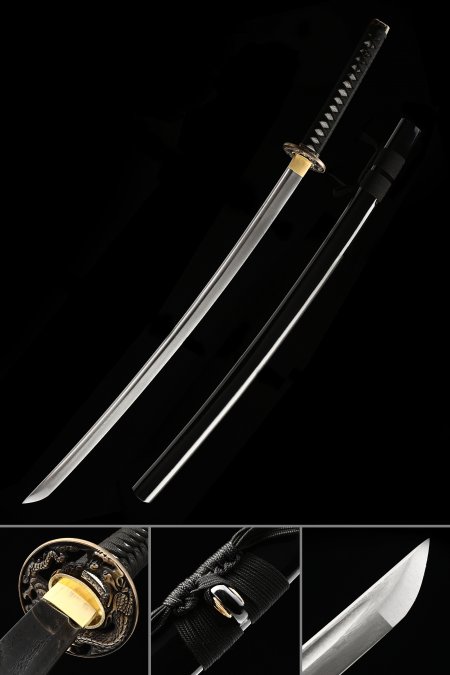
T10 is a high-carbon tool steel with approximately 1.0% carbon content and trace tungsten, which contributes to wear resistance and edge retention. When clay tempered, it produces a sharply defined hamon with a bright, mirror-like polish on the edge. Collectors who appreciate a clean, classical aesthetic tend to favor T10. Damascus steel - as used in modern katana production - refers to a billet of two or more steel alloys that are folded and forge-welded together, creating a layered structure visible as a grain or flow pattern across the blade surface. The visual complexity of Damascus appeals to collectors who want a blade that is as interesting to examine at close range as it is to display at a distance. Neither is objectively superior; they represent different priorities in steel aesthetics and surface character.