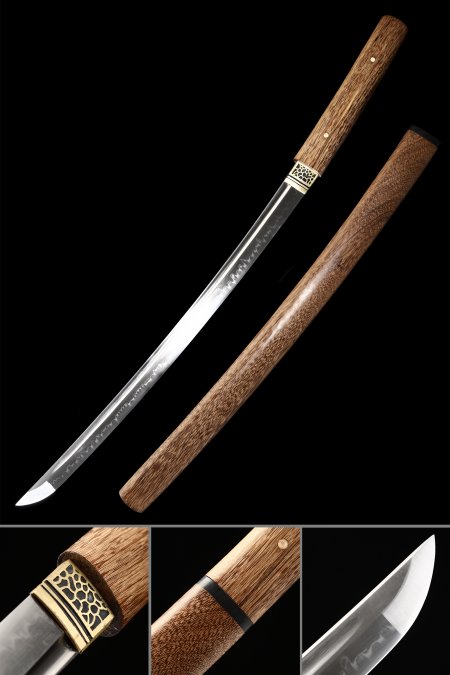
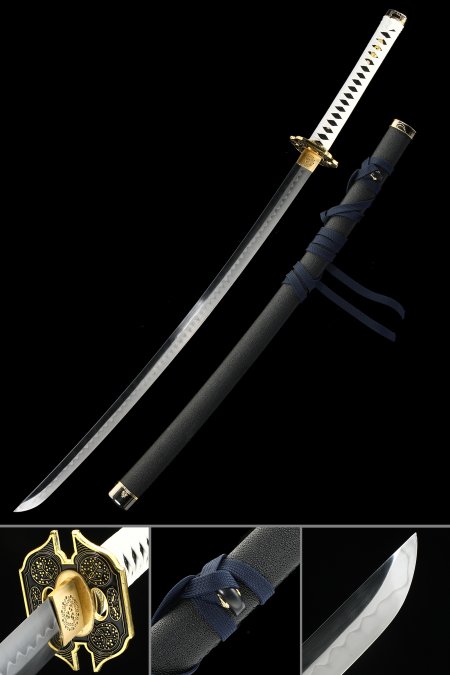
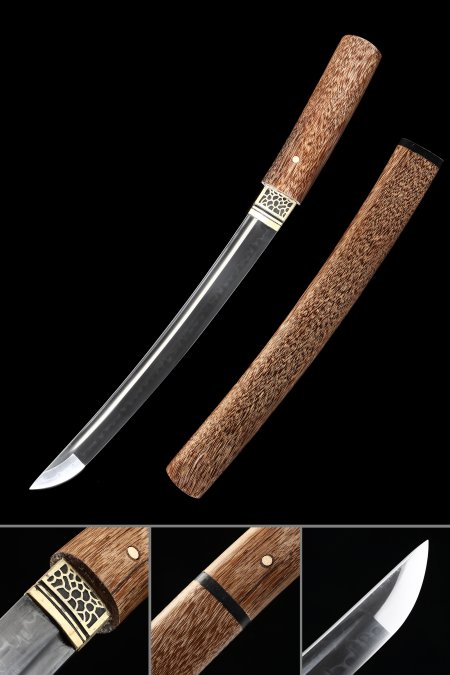
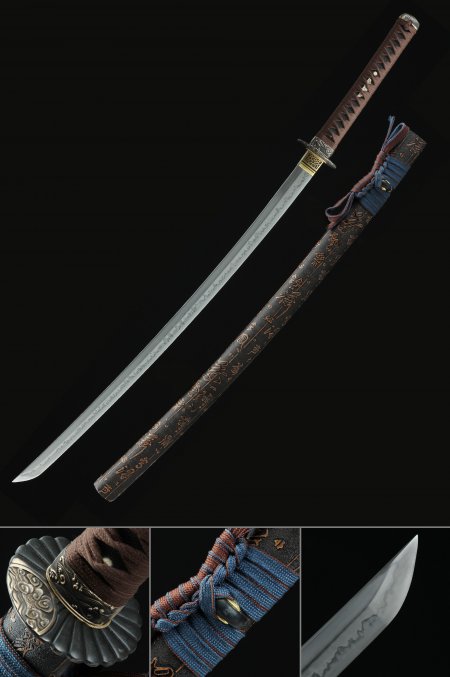
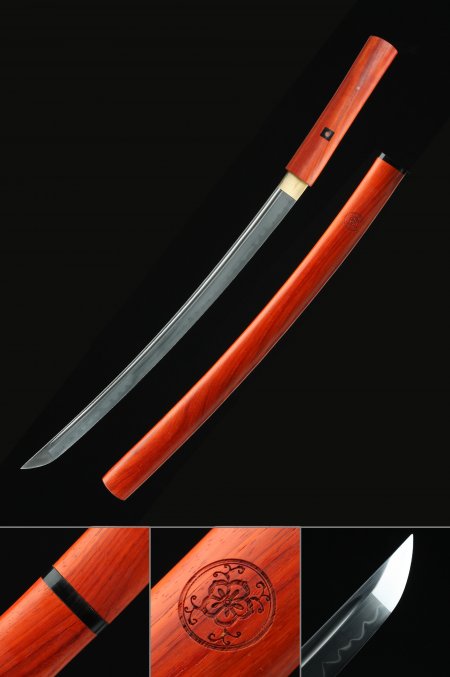
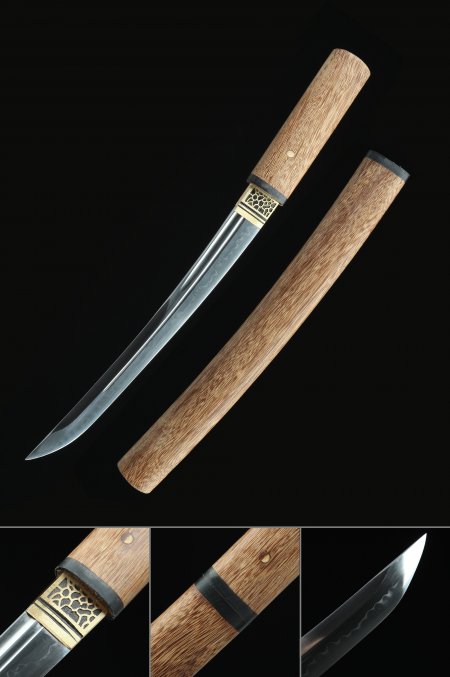
How does clay tempering affect the appearance of these blades?

 Updated Mar 2026

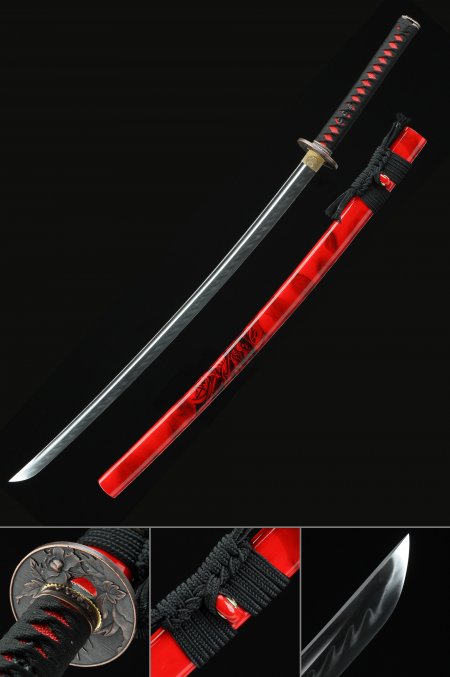
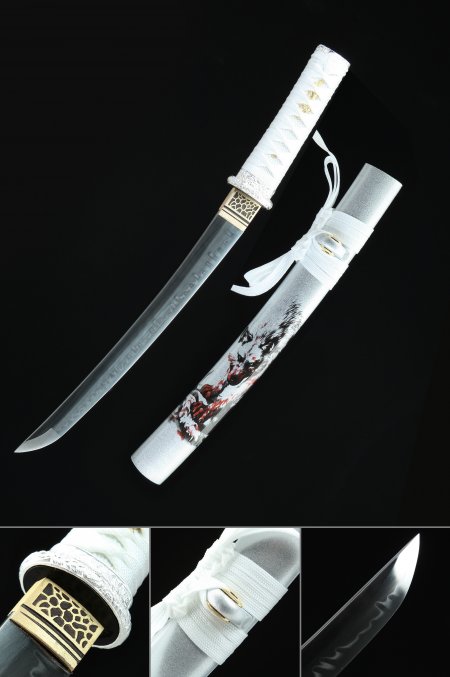
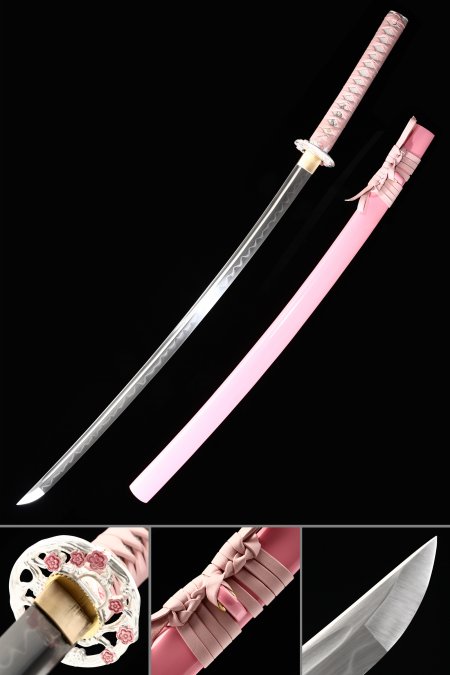
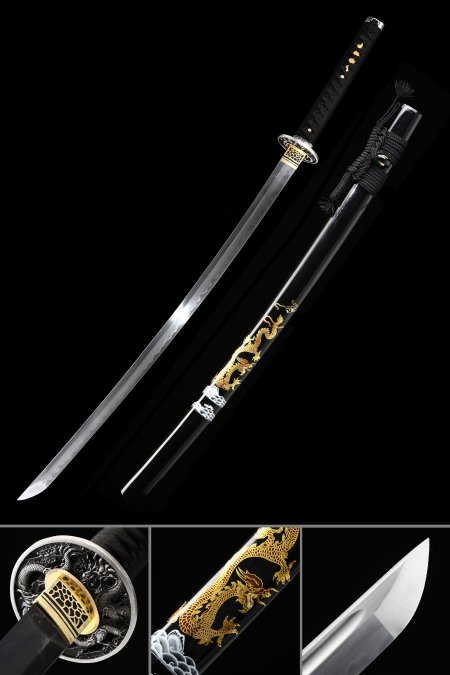
Clay tempering - known in Japanese as tsuchioki - is a traditional heat-treatment method in which a mixture of clay, ash, and other materials is applied to the blade before the final quench. The spine receives a thicker clay coat, cooling slowly and remaining relatively soft and flexible, while the edge cools rapidly, hardening into a highly dense crystalline structure. The boundary between these two zones, revealed after polishing, is the hamon: a visible temper line that appears as a mist, wave, or irregular pattern depending on the clay application style. On T10 and 1095 carbon steel blades in this collection, the hamon is a genuine metallurgical feature - not an etched or cosmetic simulation - making it one of the most meaningful details a collector can look for when evaluating display-grade Japanese swords.
Popular Products

20% OFFblack katana
209.00 USD
259.00 USD
20% OFFwakizashi sword
219.00 USD
279.00 USD
20% OFFshirasaya wakizashi
179.00 USD
219.00 USD
20% OFF
259.00 USD
329.00 USD
15% OFFshirasaya tanto
149.00 USD
179.00 USD
20% OFFfull tang katana
319.00 USD
399.00 USD
15% OFFred katana
199.00 USD
229.00 USD
15% OFFtanto sword
149.00 USD
179.00 USD
15% OFFpink katana
189.00 USD
219.00 USD
20% OFFjapanese katana
169.00 USD
209.00 USD
20% OFFshirasaya wakizashi
219.00 USD
269.00 USD
15% OFFshirasaya tanto
149.00 USD
179.00 USD
20% OFFblack katana
209.00 USD
259.00 USD
20% OFFwakizashi sword
219.00 USD
279.00 USD
20% OFFshirasaya wakizashi
179.00 USD
219.00 USD
20% OFF
259.00 USD
329.00 USD
15% OFFshirasaya tanto
149.00 USD
179.00 USD
20% OFFfull tang katana
319.00 USD
399.00 USD
15% OFFred katana
199.00 USD
229.00 USD
15% OFFtanto sword
149.00 USD
179.00 USD
15% OFFpink katana
189.00 USD
219.00 USD
20% OFFjapanese katana
169.00 USD
209.00 USD
20% OFFshirasaya wakizashi
219.00 USD
269.00 USD
15% OFFshirasaya tanto
149.00 USD
179.00 USD

Explore Our Collections