Is Damascus steel or T10 carbon steel better for a display collection?
Updated Mar 2026
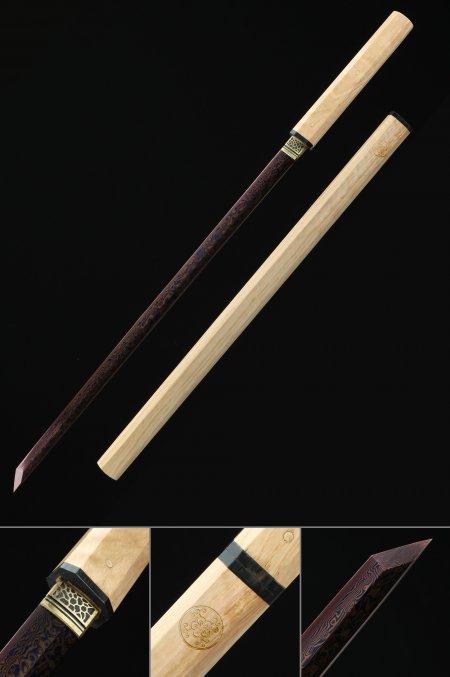
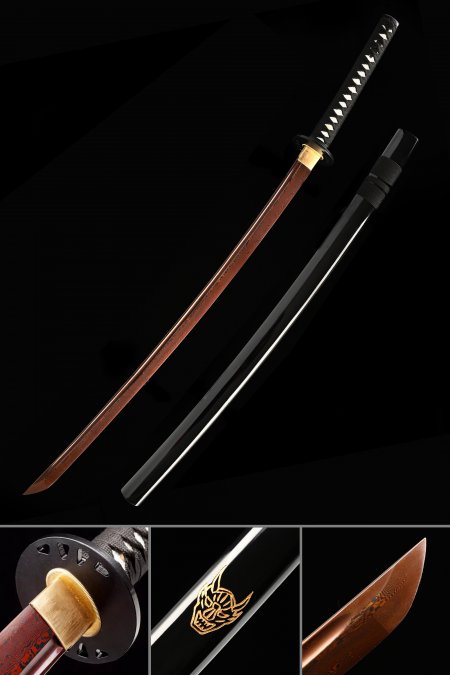
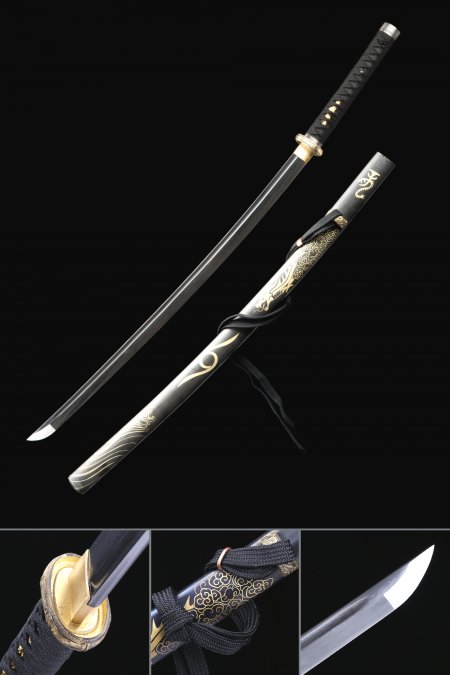
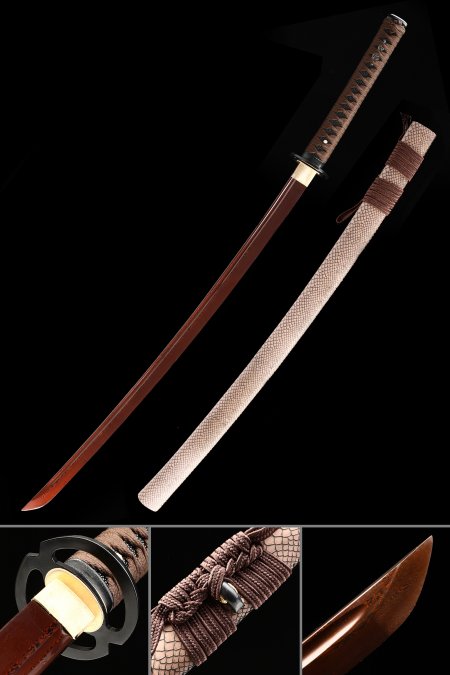
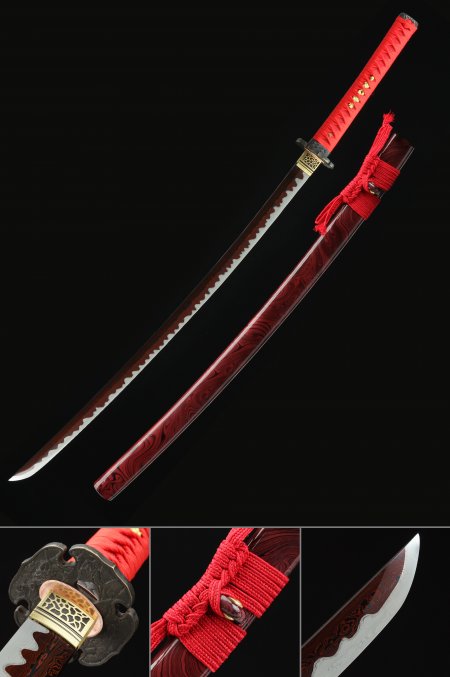
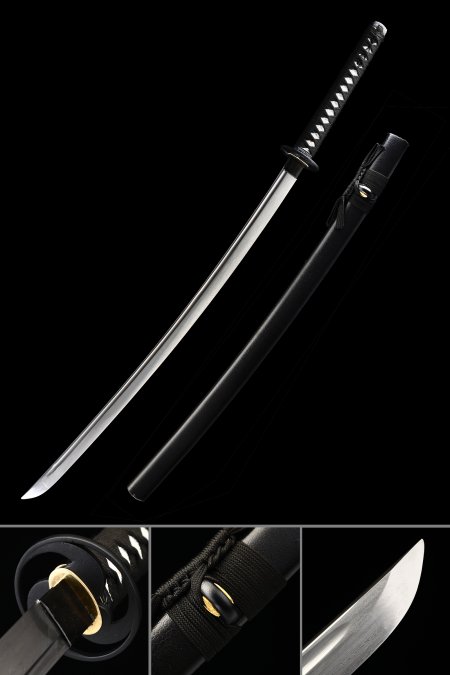
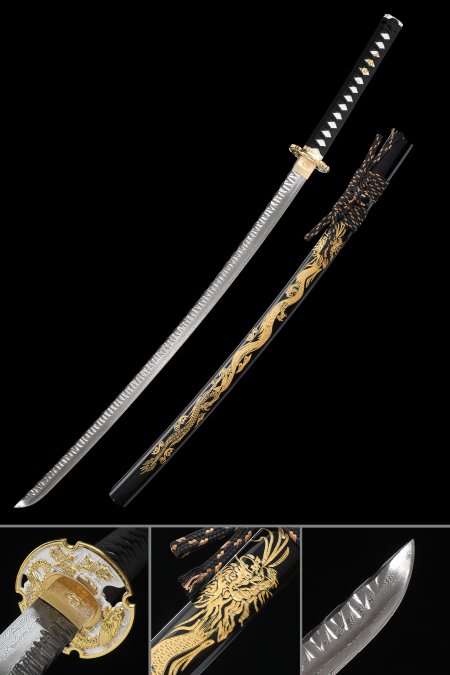
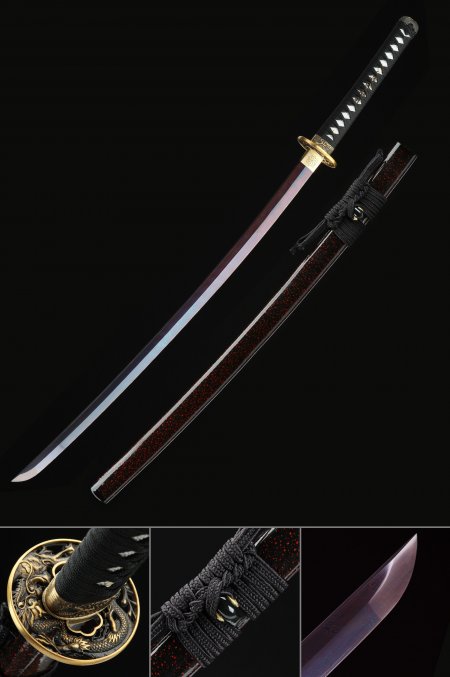
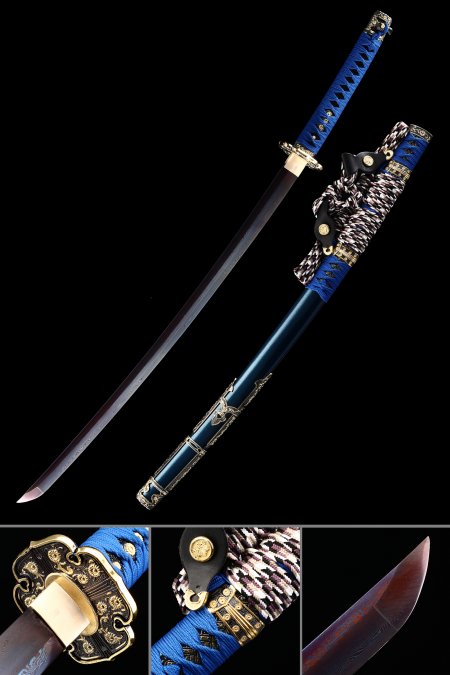
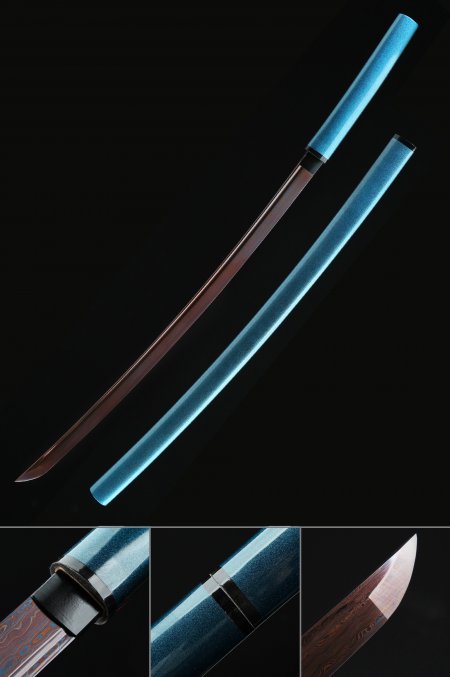
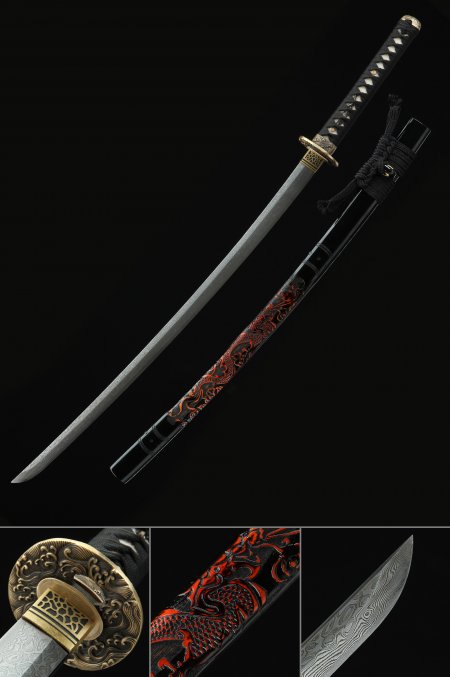
Both are excellent collectible choices, but they offer distinctly different visual experiences. Damascus steel - produced by folding and forge-welding multiple layers of steel - displays a flowing, organic grain pattern across the blade surface that makes each piece visually unique. The pattern is revealed through acid etching and varies from subtle ripples to dramatic watered-silk swirls. T10 tool steel, by contrast, is valued for its purity and responsiveness to clay tempering: it produces a crisp, well-defined hamon that is the hallmark of classical Japanese blade craft. For collectors focused on traditional Japanese aesthetics, T10 with a genuine hamon often reads as more historically authentic. For those drawn to bold, dramatic surface character, Damascus steel is unrivaled. Many serious collectors find both types represent different chapters of a complete collection.