How does clay tempering affect a katana's appearance and quality?

 Updated Mar 2026

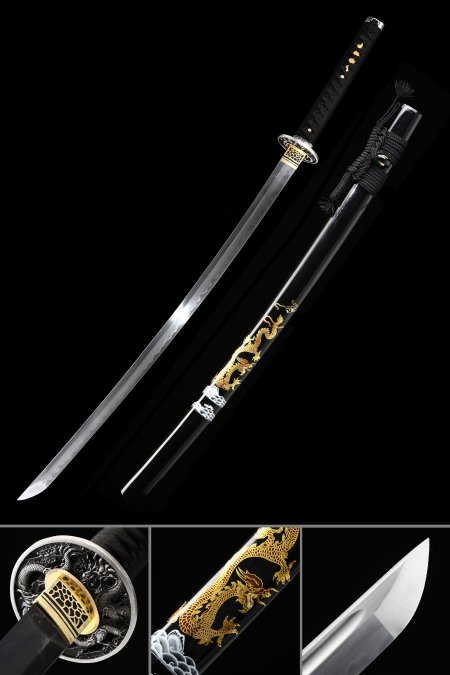
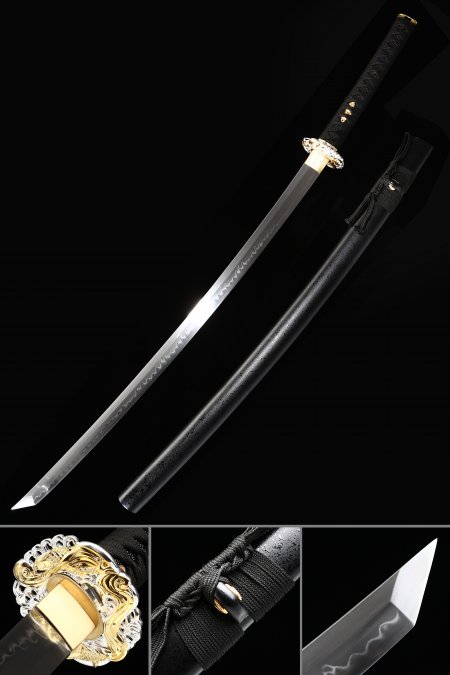
Clay tempering is a heat-treatment process in which a layer of clay paste is applied to the spine of the blade before the final quench. The clay insulates the spine, allowing it to cool slowly and remain relatively soft and flexible, while the exposed edge cools rapidly and hardens. This differential quench produces the hamon - the visible temper line - as well as microscopic crystalline structures called nie and nioi that experienced collectors look for under magnification or raking light. On a T10 blade, this process is especially effective because the steel's carbon content responds predictably to the quench, producing a consistent and aesthetically expressive hamon. The result is a blade whose surface tells the story of how it was made, which is precisely what distinguishes a thoughtful collectible from a decorative reproduction.
Popular Products

20% OFF
259.00 USD
329.00 USD
20% OFFshirasaya wakizashi
179.00 USD
219.00 USD
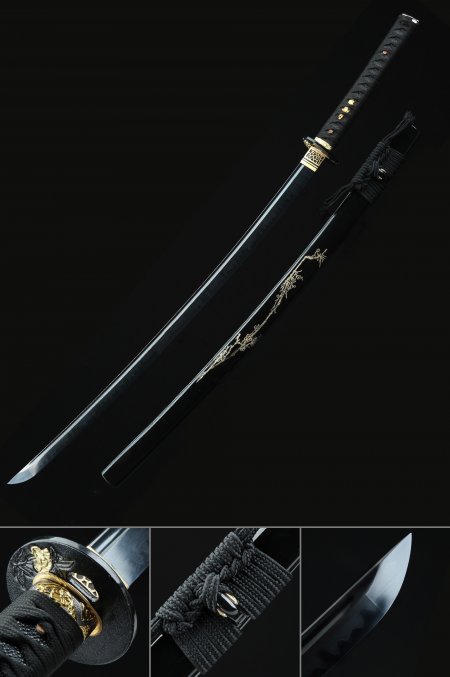
20% OFFblack katana
209.00 USD
259.00 USD
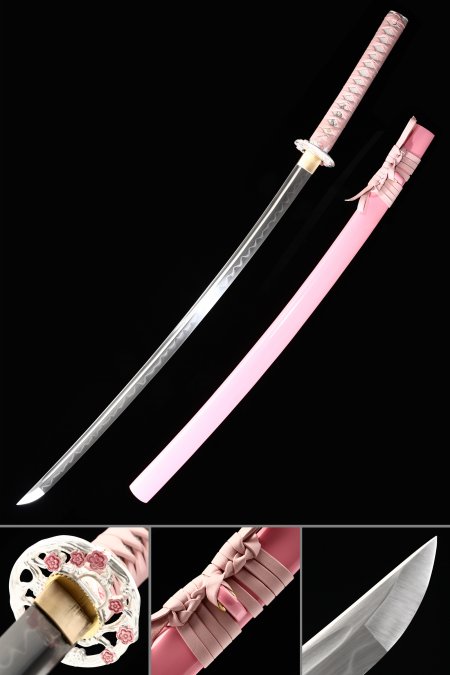
15% OFFpink katana
189.00 USD
219.00 USD
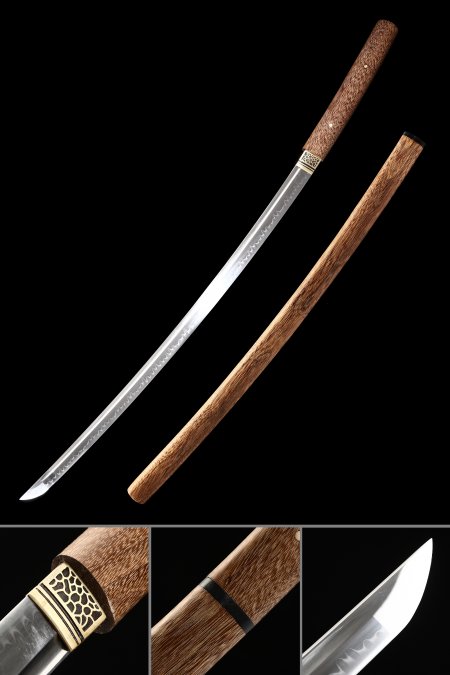
20% OFFshirasaya katana
209.00 USD
259.00 USD
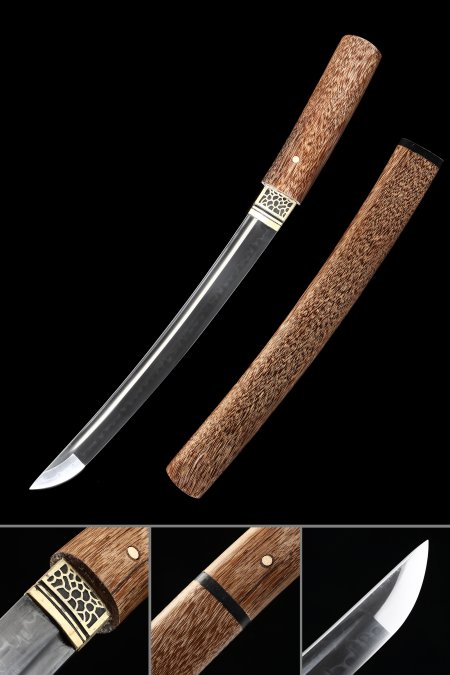
15% OFFshirasaya tanto
149.00 USD
179.00 USD
15% OFFwhite katana
209.00 USD
249.00 USD
15% OFFtanto sword
149.00 USD
179.00 USD
20% OFFwakizashi sword
219.00 USD
279.00 USD
20% OFFjapanese katana
209.00 USD
259.00 USD
20% OFFjapanese katana
169.00 USD
209.00 USD
15% OFFblack katana
199.00 USD
229.00 USD
20% OFF
259.00 USD
329.00 USD
20% OFFshirasaya wakizashi
179.00 USD
219.00 USD
20% OFFblack katana
209.00 USD
259.00 USD
15% OFFpink katana
189.00 USD
219.00 USD
20% OFFshirasaya katana
209.00 USD
259.00 USD
15% OFFshirasaya tanto
149.00 USD
179.00 USD
15% OFFwhite katana
209.00 USD
249.00 USD
15% OFFtanto sword
149.00 USD
179.00 USD
20% OFFwakizashi sword
219.00 USD
279.00 USD
20% OFFjapanese katana
209.00 USD
259.00 USD
20% OFFjapanese katana
169.00 USD
209.00 USD
15% OFFblack katana
199.00 USD
229.00 USD

Explore Our Collections