What does full-tang construction mean for a display naginata?
Updated Mar 2026
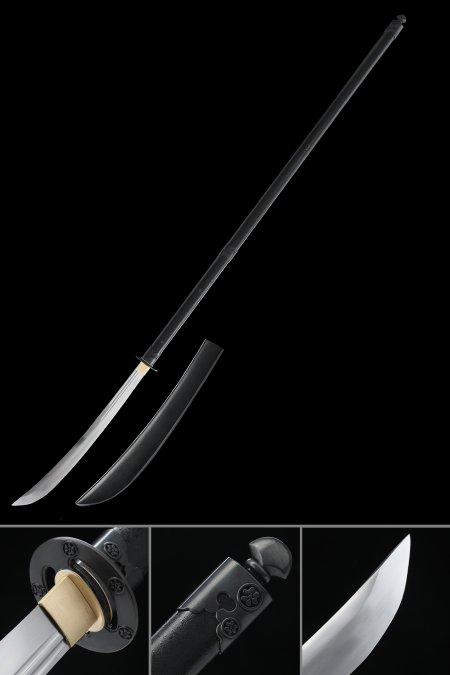
Full-tang construction means the steel of the blade extends continuously through the entire length of the handle, rather than terminating at the handle collar with a short stub or rat-tail attachment. In collectible and display naginata, full-tang design matters for two reasons. First, it reflects the construction standard of historically significant Japanese polearms, giving the piece authenticity of form. Second, it ensures the handle assembly remains structurally sound over years of display and occasional handling - the weakest point on any polearm is the blade-to-handle junction, and a full tang distributes any incidental stress along the full handle length rather than concentrating it at a single attachment point. For collectors who intend to handle their naginata regularly during photography, repositioning displays, or inspection, full-tang construction provides meaningful peace of mind. It is one of the key indicators that separates a well-made collectible from a purely decorative piece with no structural integrity.