What does clay tempering do, and can I see it on the blade?
Updated Mar 2026
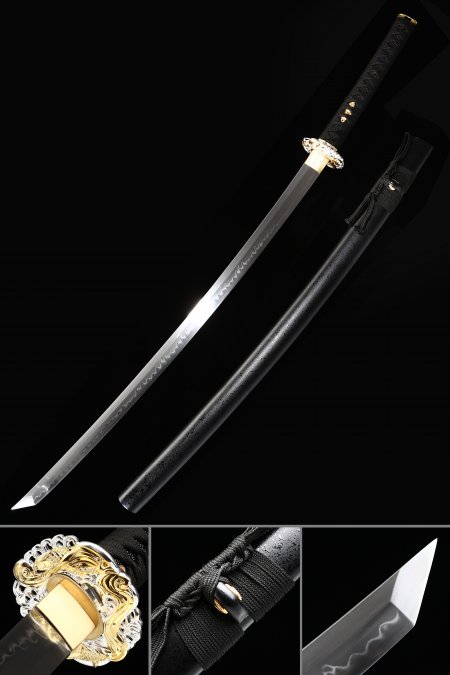
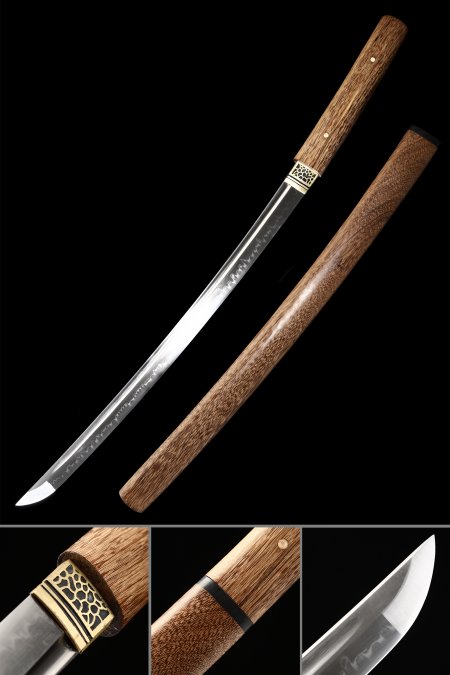
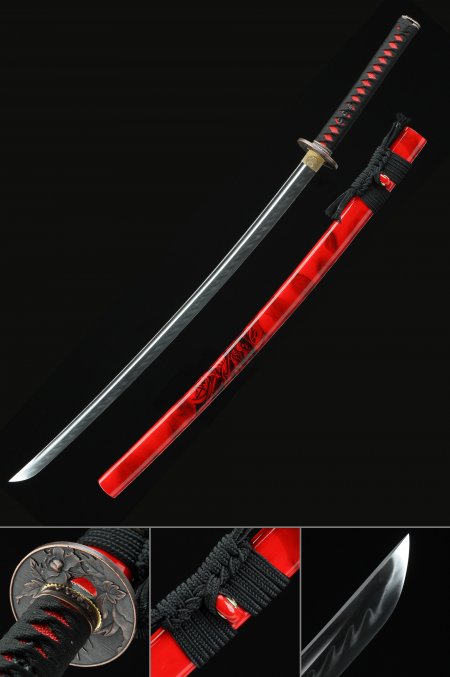
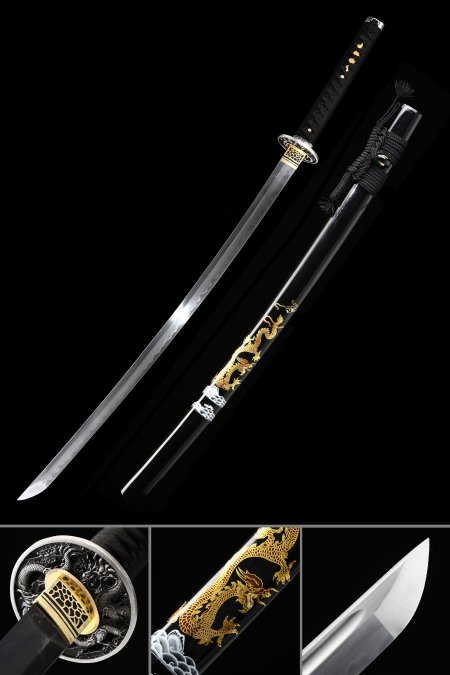
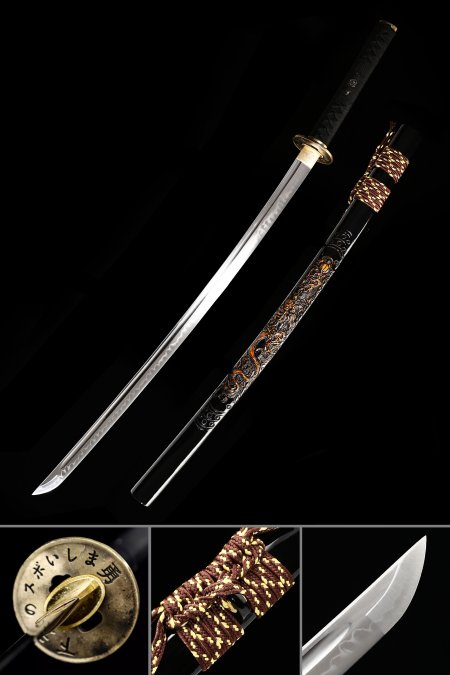
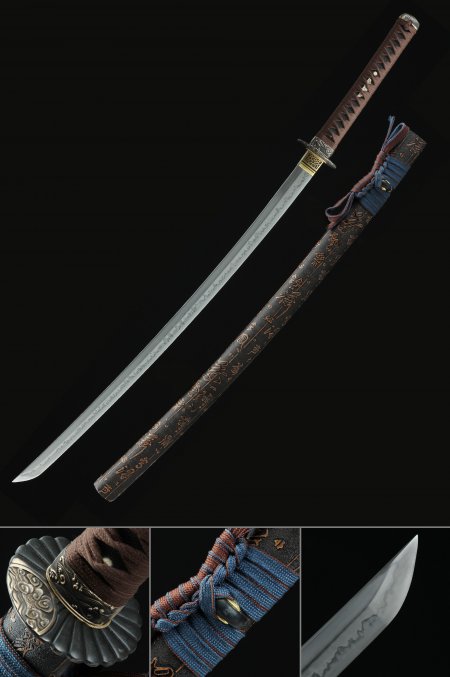
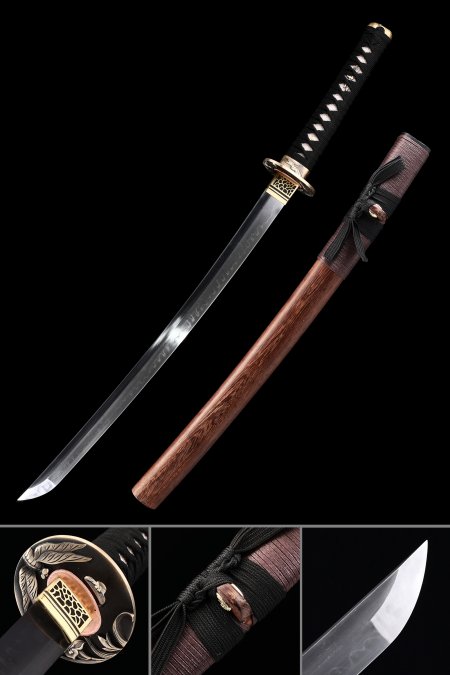
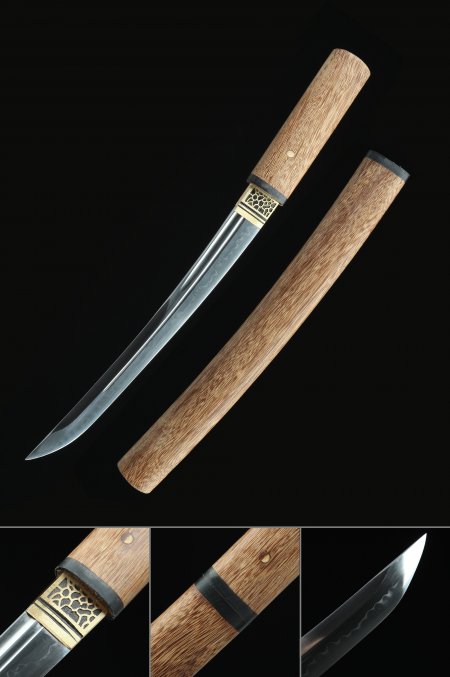
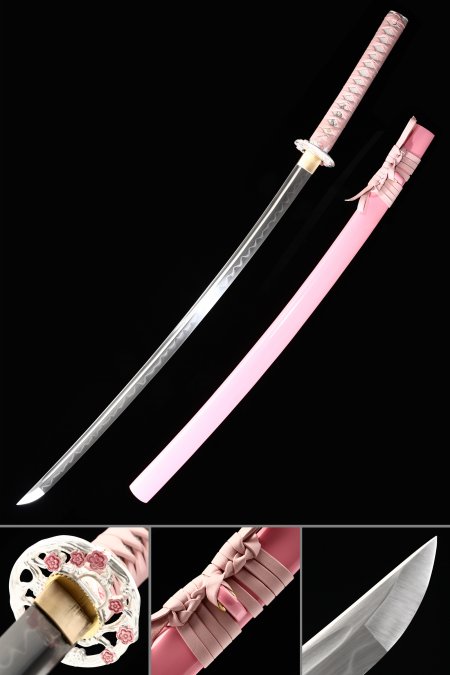
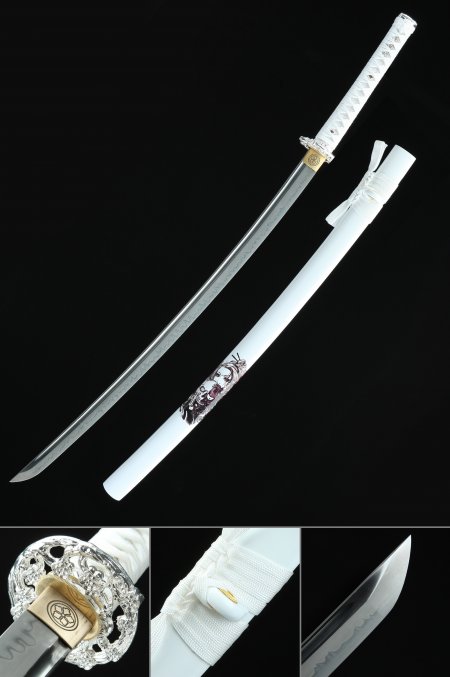
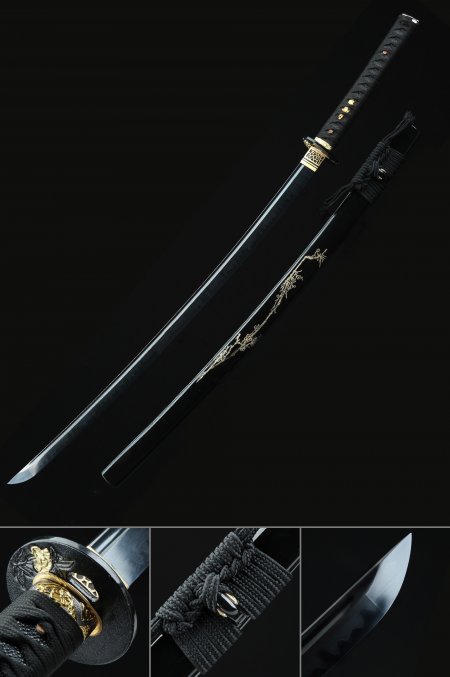
Clay tempering is a traditional Japanese heat-treatment technique where a mixture of clay is applied unevenly along the blade before the final quench. The clay-coated spine cools more slowly than the exposed edge, creating a differential hardness across the blade. The boundary between these two zones becomes the hamon - a visible, irregular line that runs along the lower portion of the blade. On T10 steel, the hamon appears as a misty, undulating pattern sometimes described as an 'activity line.' It is one of the most sought-after features among katana collectors because it cannot be etched or faked on a properly forged piece - it is a direct record of the heat-treatment process itself.