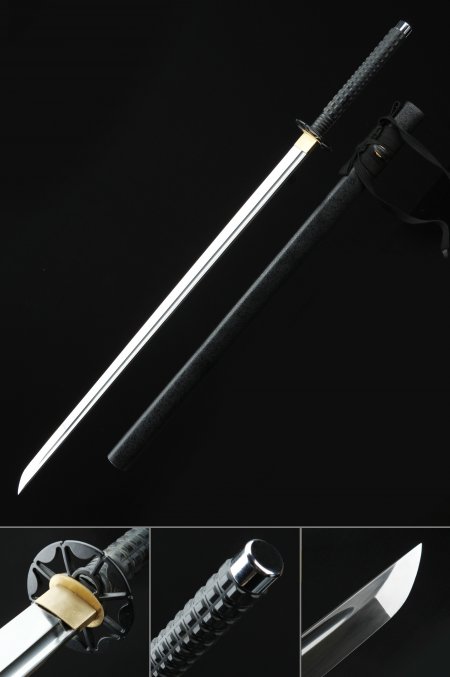
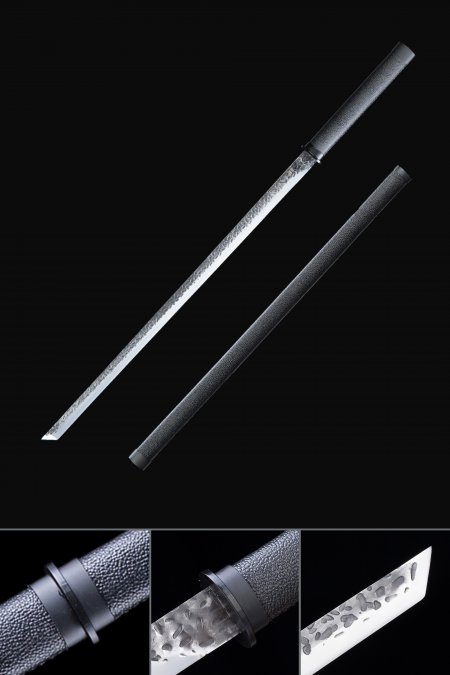
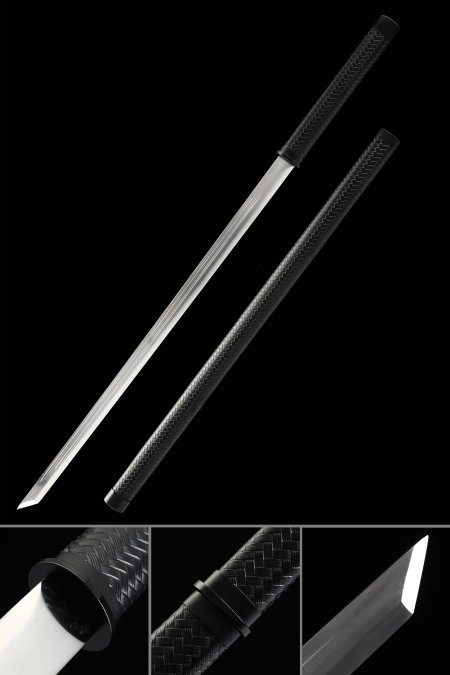
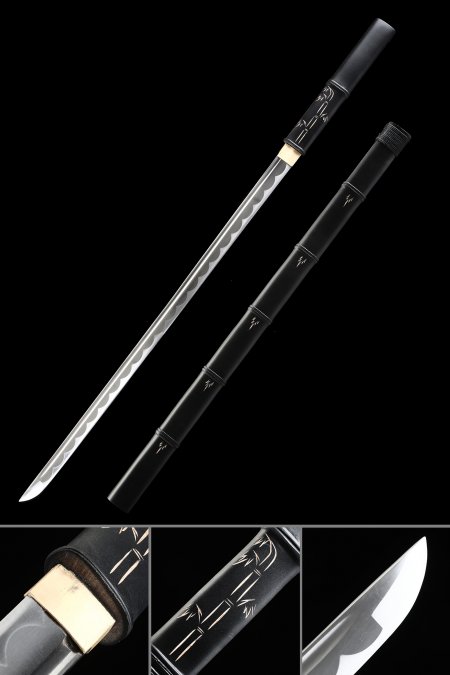
Is a full-tang ninjato a better collectible than a partial-tang version?
Updated Mar 2026
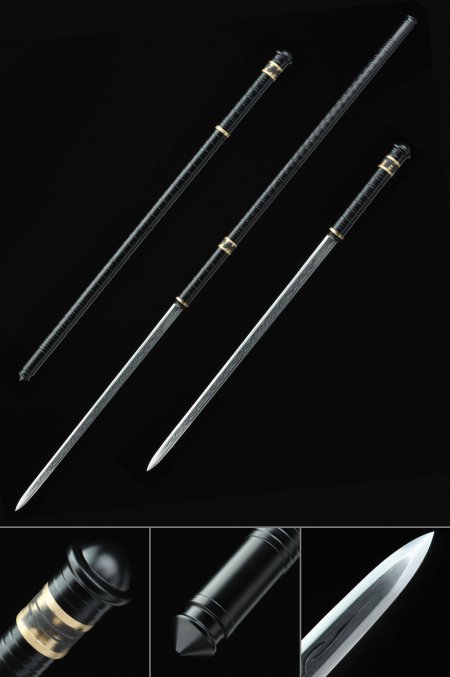
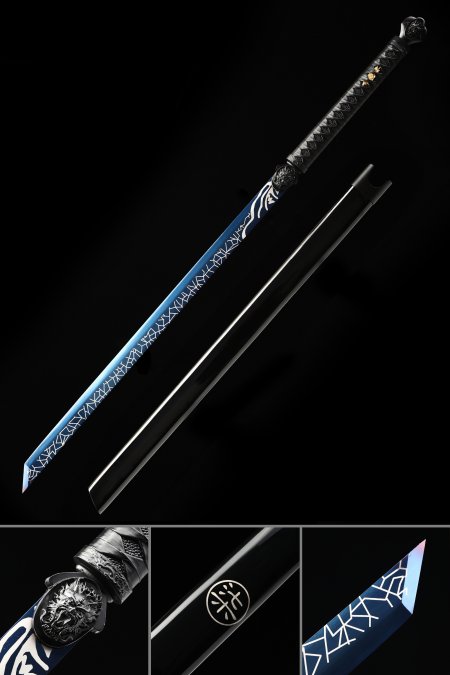
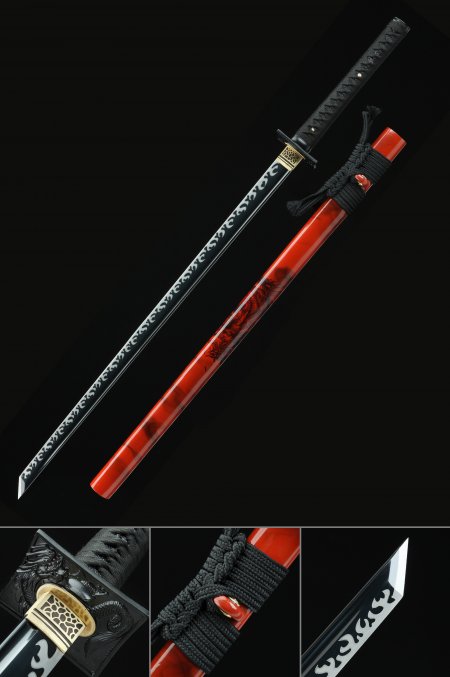
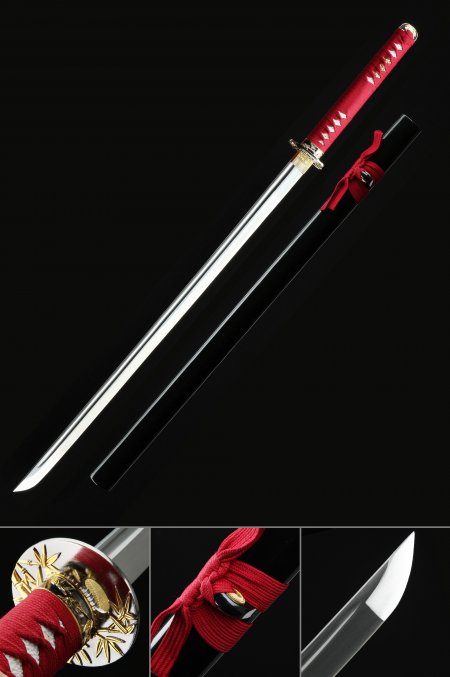
From a collector's standpoint, full-tang construction signals higher build integrity and typically correlates with better overall fit and finish throughout the koshirae. A full tang means the steel runs the complete length of the tsuka, secured by mekugi pegs through both the tang and the handle core. This affects display durability - a full-tang piece can be mounted, repositioned, and handled without risk of the blade separating from the handle over time. Partial-tang or rat-tail tang construction is more common in lower-cost decorative pieces and tends to loosen with temperature cycling. For any ninjato intended as a long-term display collectible or a gift meant to hold value, full-tang construction is the baseline worth insisting on.