What makes a flower tsuba different from other tsuba styles?
Updated Mar 2026
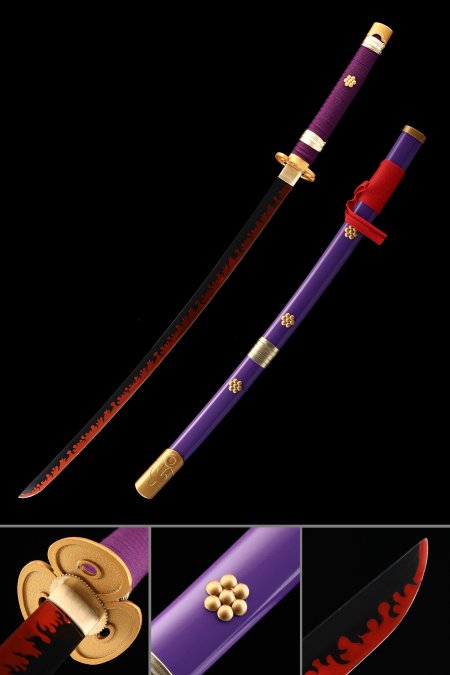
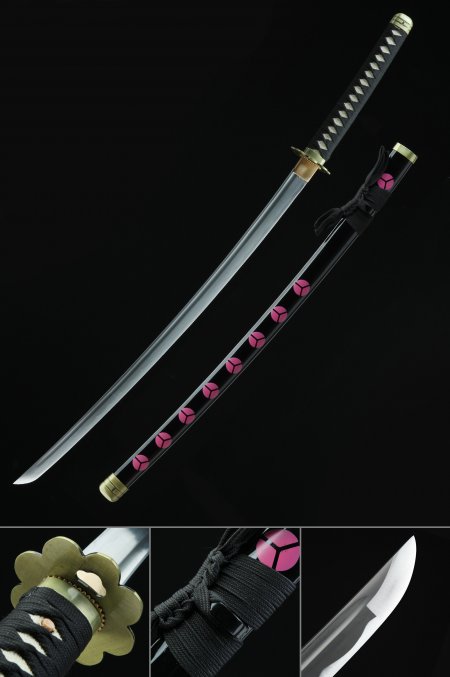
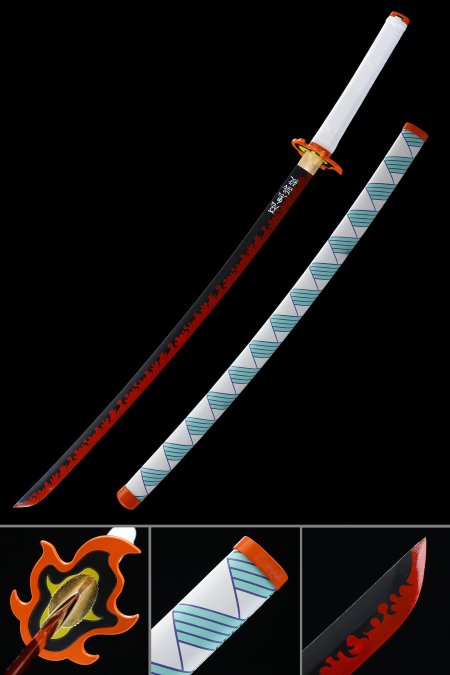
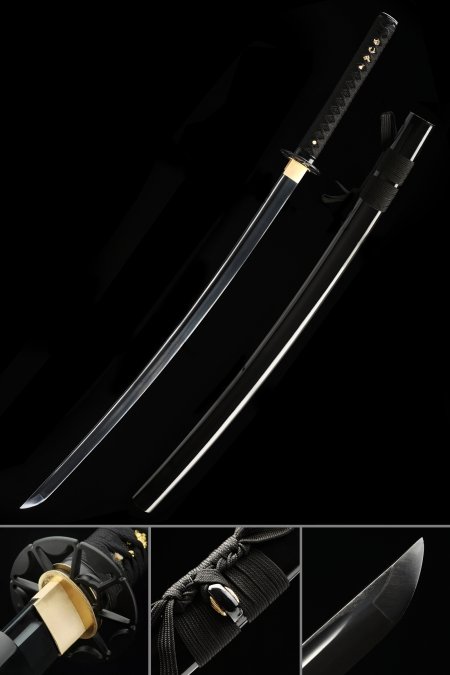
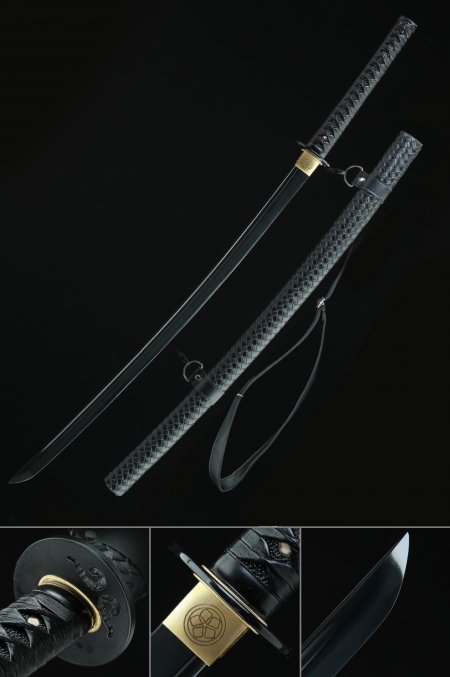
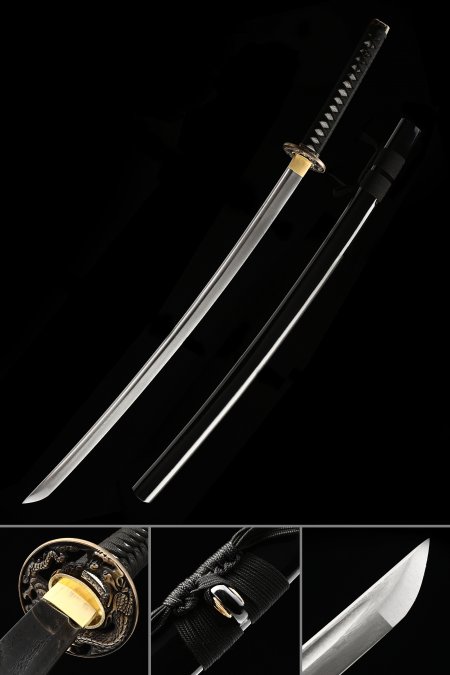
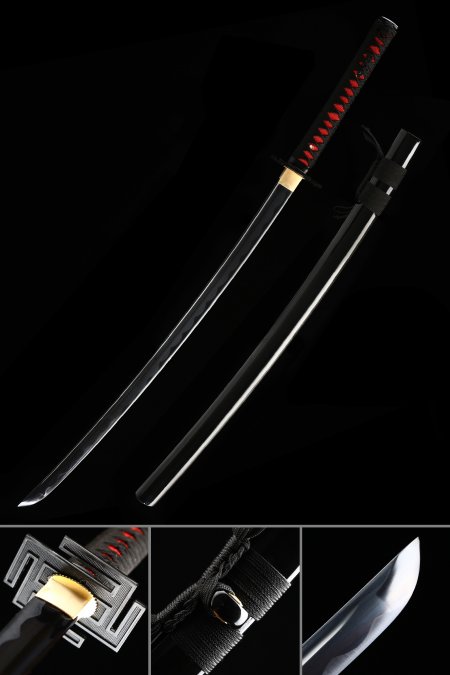
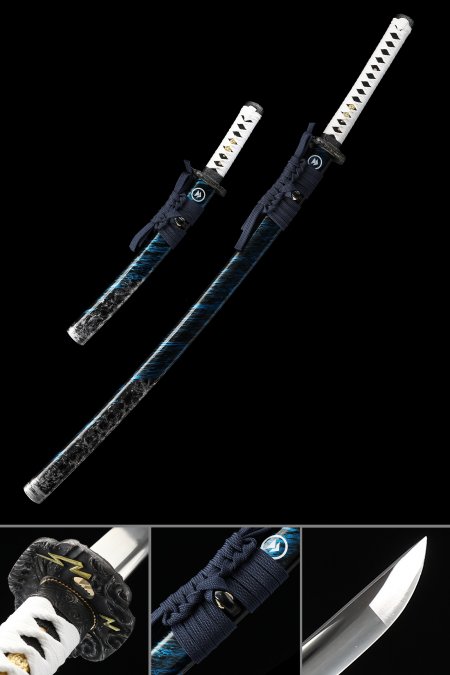
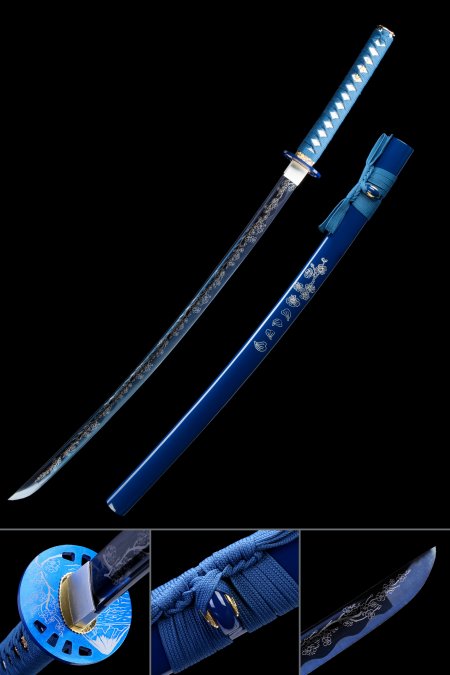
Tsuba design falls into several broad categories - geometric, figural, landscape, and floral. Flower tsuba distinguish themselves through organic, relief-carved or cast motifs drawn from nature: cherry blossoms, orchids, chrysanthemums, and peonies are the most recurring subjects. Unlike pierced (sukashi) tsuba that achieve elegance through negative space, flower tsuba typically feature positive relief work, where petals and stems rise from the guard's surface in layered depth. The metalworking tradition behind them - called kinzogan when inlay is involved - was considered a fine art in the Edo period, practiced by dedicated tsuba artisans distinct from swordsmiths. On modern collectible katana, floral guards are cast in copper alloy or iron, preserving the visual language of the originals at an accessible price point for today's collector.