What is a hamon, and how do I identify a real one?
Updated Mar 2026
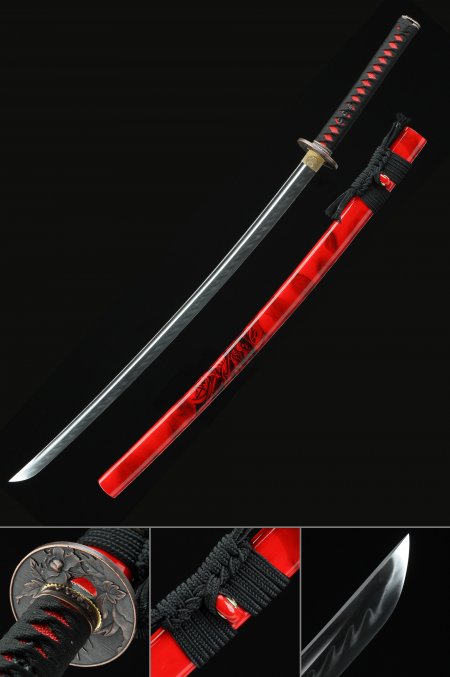
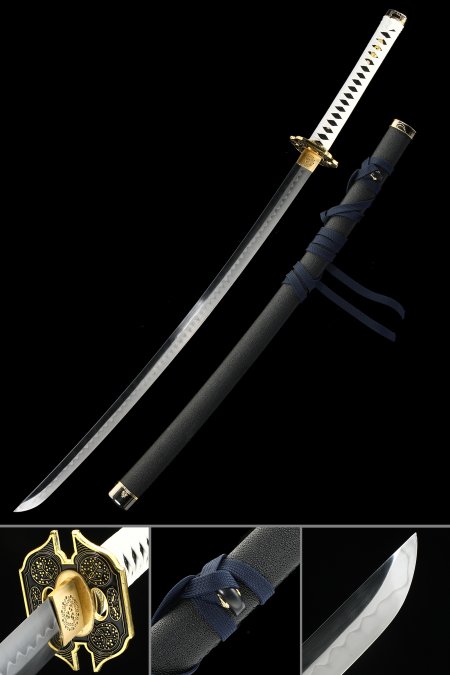
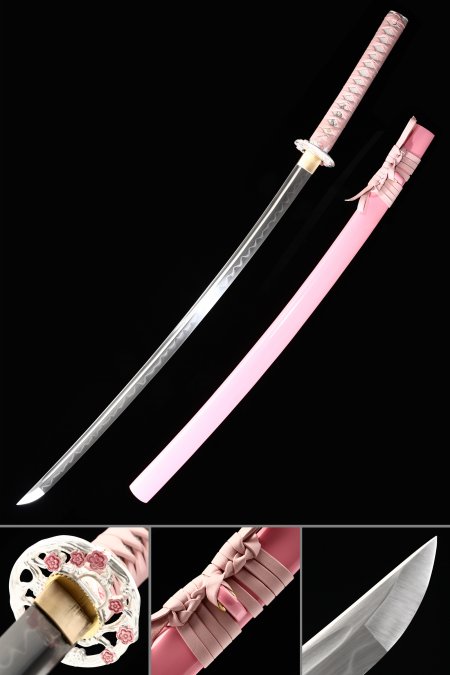
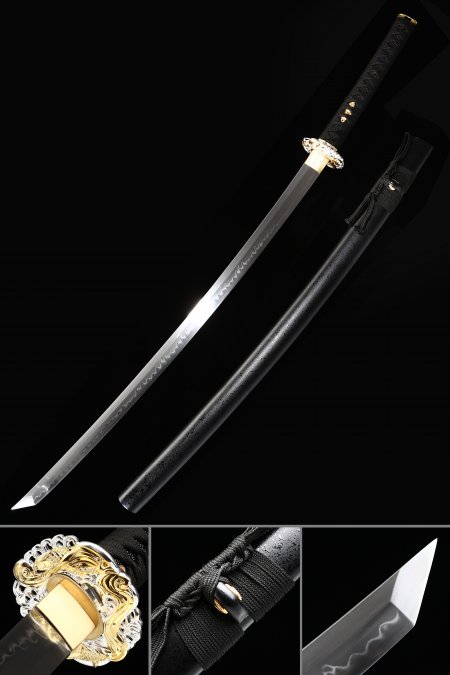
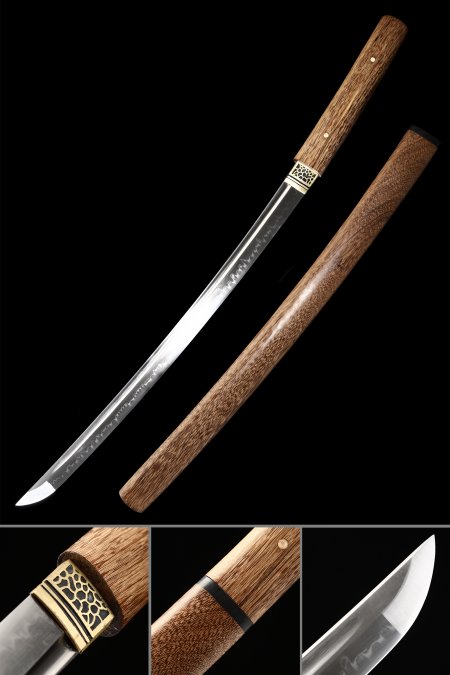
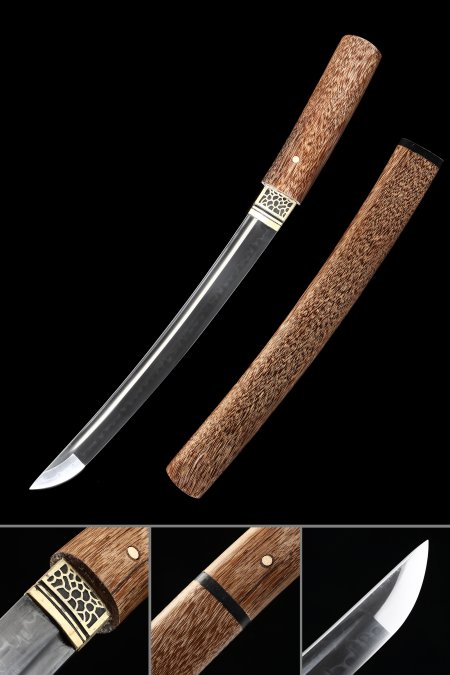
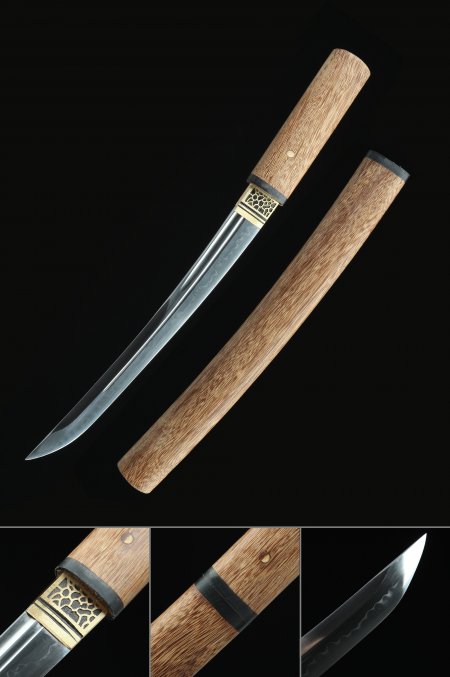
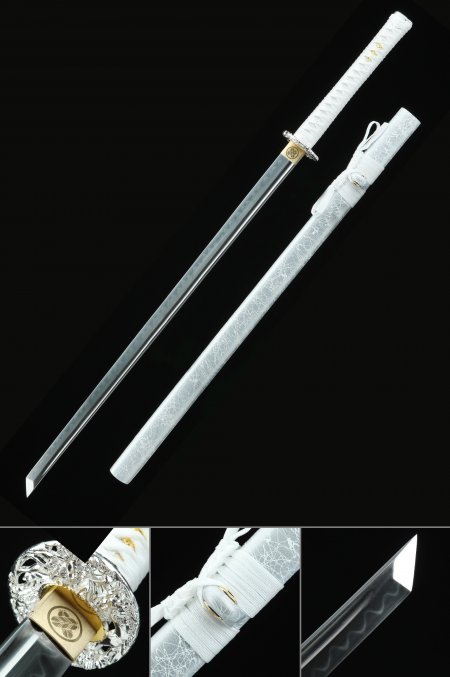
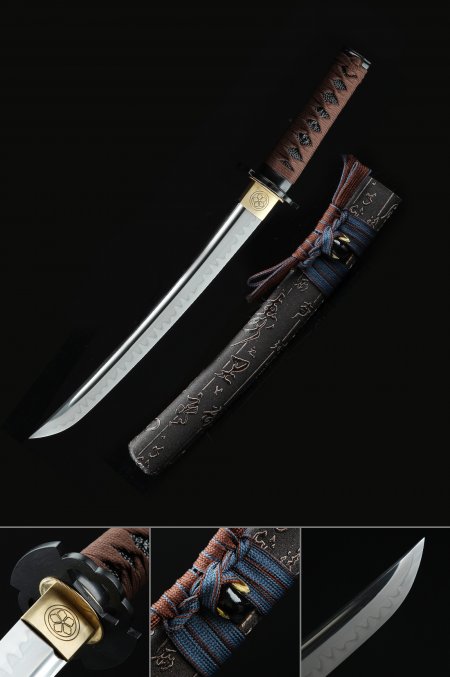
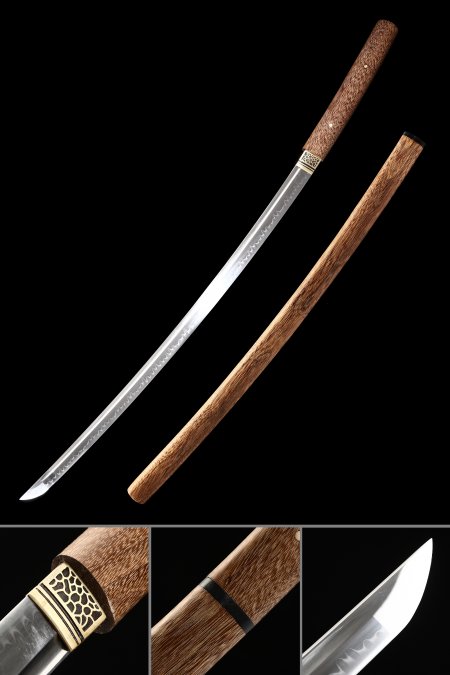
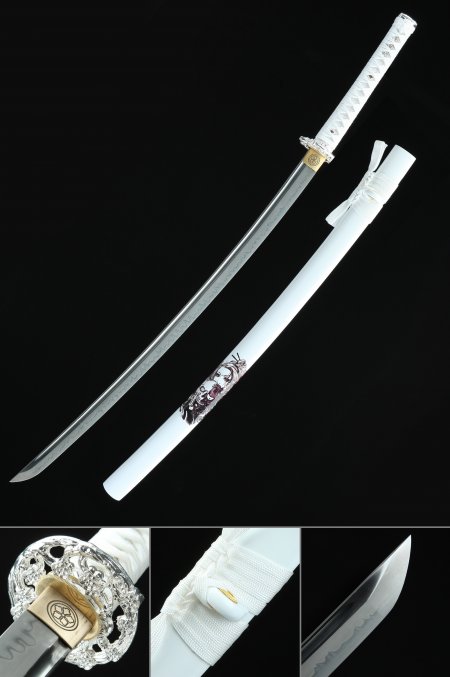
A hamon is the visible temper line that appears along the edge of a blade that has been clay tempered and quenched. During clay tempering, a refractory clay mixture is applied along the spine and left off the edge before the blade is heated and plunged into water. The edge cools rapidly and becomes hard martensitic steel, while the clay-insulated spine cools slowly into softer pearlitic steel. The boundary between these two zones appears as a white, cloud-like line running the length of the blade — the hamon. On T10 tanto in this collection, the hamon is produced through this actual differential hardening process, making each one unique in its pattern. A genuine hamon has depth and variation when examined in raking light; a simulated (acid-etched) hamon, by contrast, looks flat and uniform under close inspection.