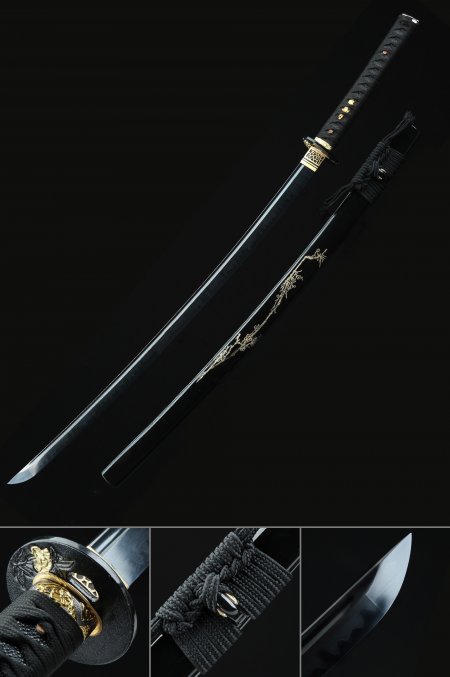
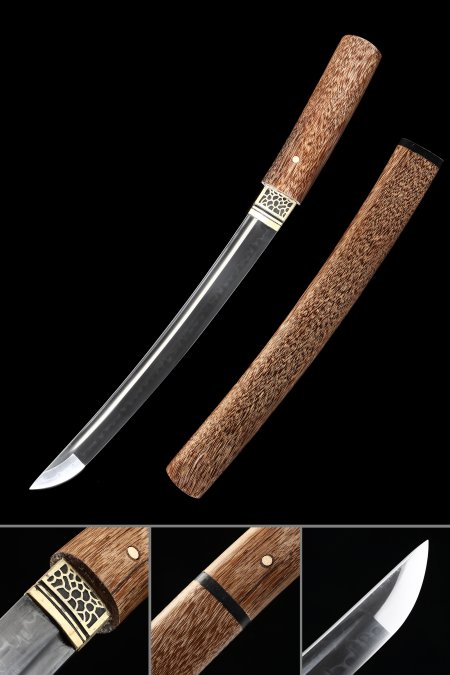
What makes a hamon on a T10 tanto genuine vs. etched?

 Updated Mar 2026

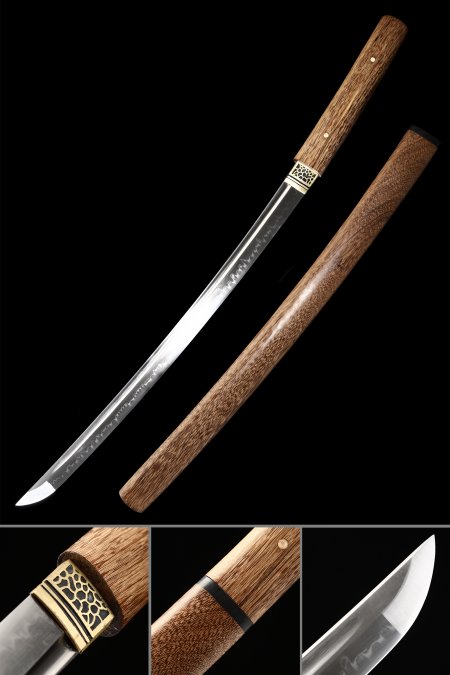
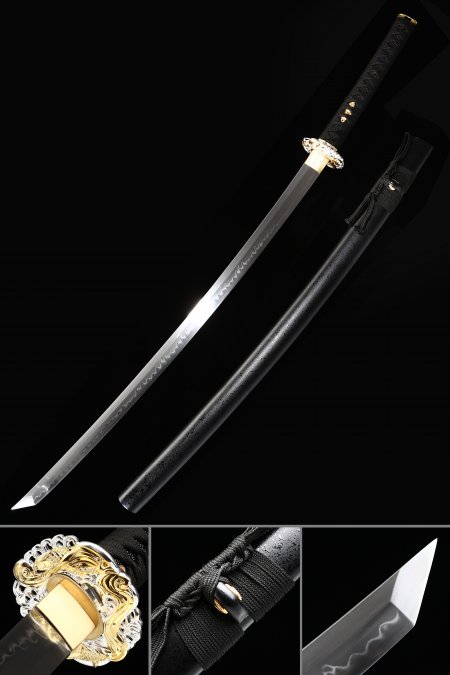
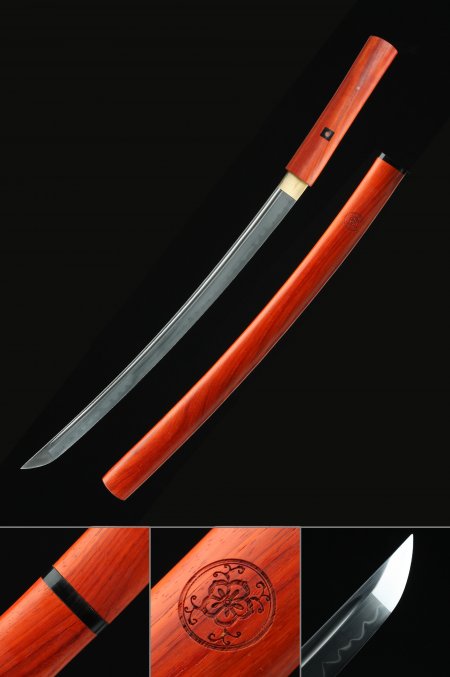
A genuine hamon forms during clay tempering, when the blade is coated with differential clay, heated, and quenched. The clay insulates the spine, causing the edge to cool faster and harden at a higher level - the hamon is the visible boundary between these two zones. It will show activity, nie (crystalline granules), and natural irregularity when examined under light. An etched or acid-washed hamon, by contrast, is applied after the fact to mimic the appearance without the underlying metallurgical change. On a T10 tanto in this collection, the hamon is the result of the actual tempering process, meaning it reflects real differential hardness along the blade - a meaningful distinction for collectors who value authenticity over cosmetic appearance.
Popular Products

20% OFFshirasaya katana
209.00 USD
259.00 USD
15% OFFpink katana
189.00 USD
219.00 USD
20% OFFshirasaya wakizashi
179.00 USD
219.00 USD
15% OFFblack katana
199.00 USD
229.00 USD
20% OFFjapanese katana
209.00 USD
259.00 USD
20% OFF
259.00 USD
329.00 USD
15% OFFwhite katana
209.00 USD
249.00 USD
15% OFFred katana
199.00 USD
229.00 USD
20% OFFshirasaya wakizashi
219.00 USD
269.00 USD
20% OFFfull tang katana
319.00 USD
399.00 USD
20% OFFblack katana
209.00 USD
259.00 USD
15% OFFshirasaya tanto
149.00 USD
179.00 USD
20% OFFshirasaya katana
209.00 USD
259.00 USD
15% OFFpink katana
189.00 USD
219.00 USD
20% OFFshirasaya wakizashi
179.00 USD
219.00 USD
15% OFFblack katana
199.00 USD
229.00 USD
20% OFFjapanese katana
209.00 USD
259.00 USD
20% OFF
259.00 USD
329.00 USD
15% OFFwhite katana
209.00 USD
249.00 USD
15% OFFred katana
199.00 USD
229.00 USD
20% OFFshirasaya wakizashi
219.00 USD
269.00 USD
20% OFFfull tang katana
319.00 USD
399.00 USD
20% OFFblack katana
209.00 USD
259.00 USD
15% OFFshirasaya tanto
149.00 USD
179.00 USD

Explore Our Collections