How does a ninjato differ from a katana in terms of design?
Updated Mar 2026
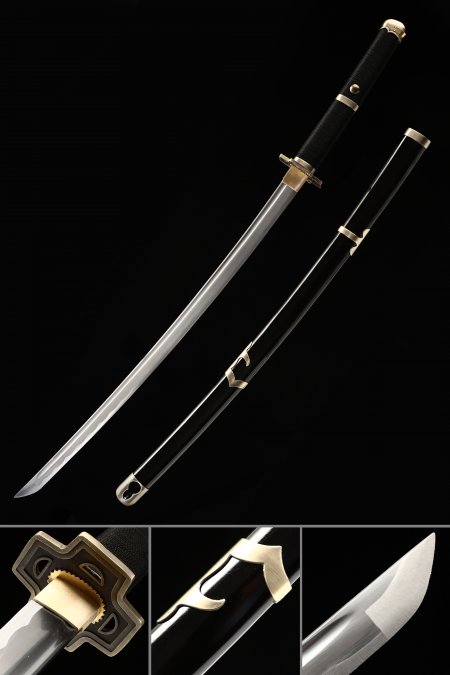
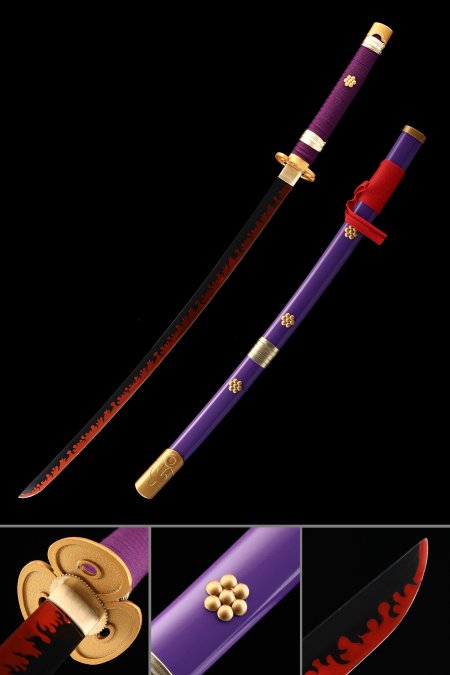
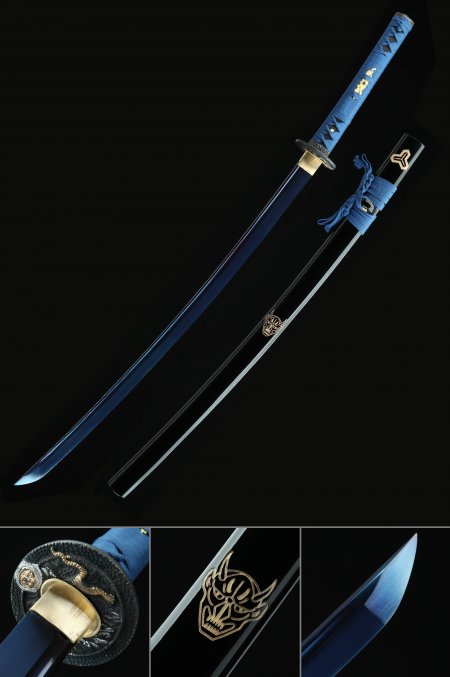
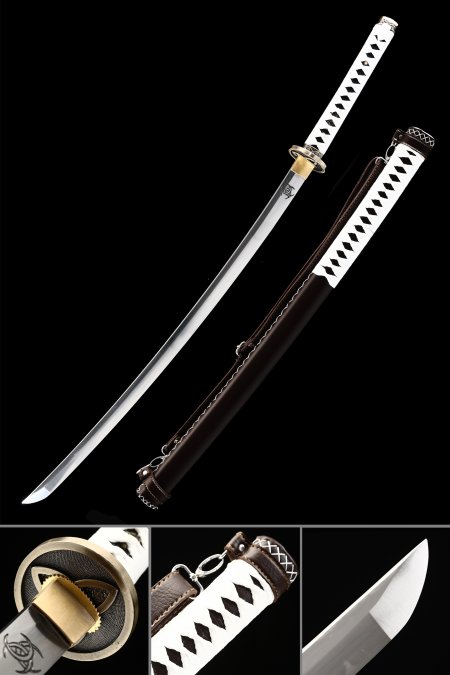
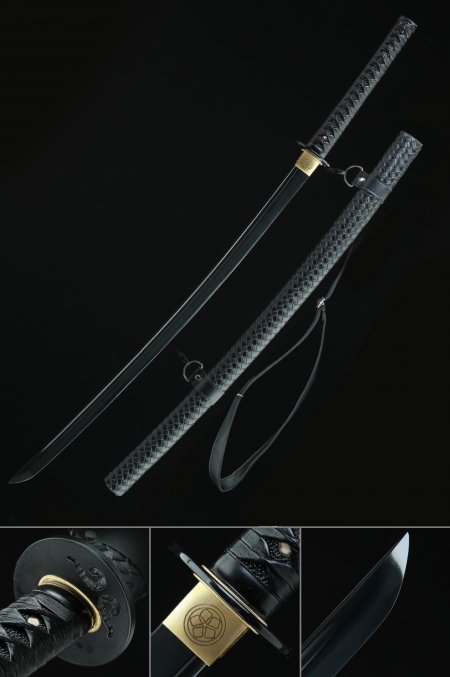
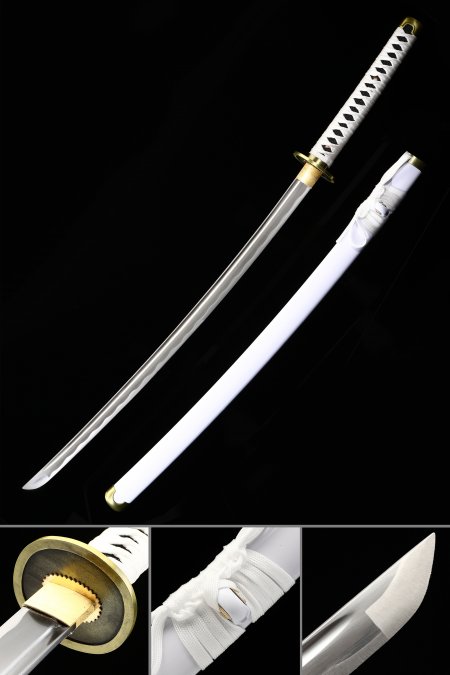
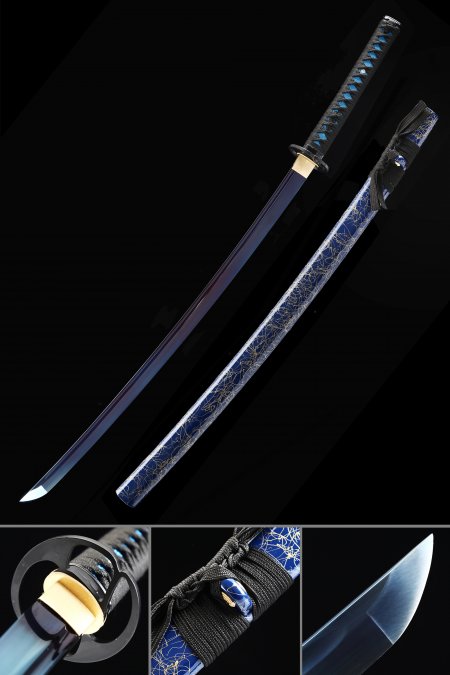
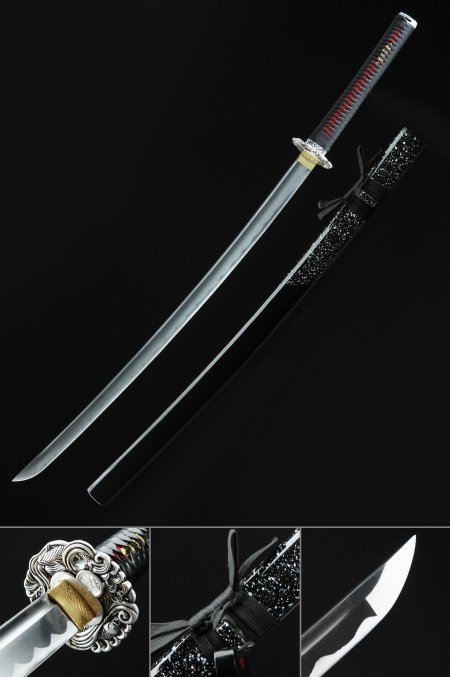
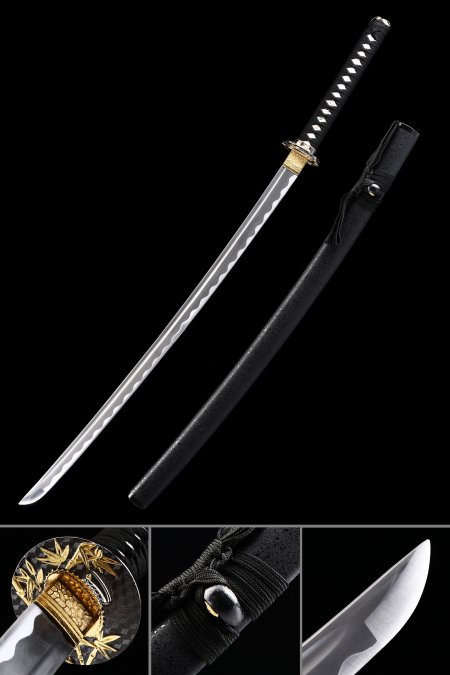
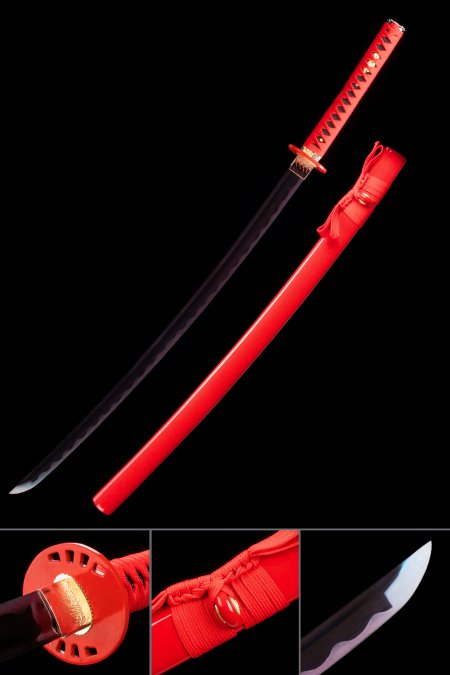
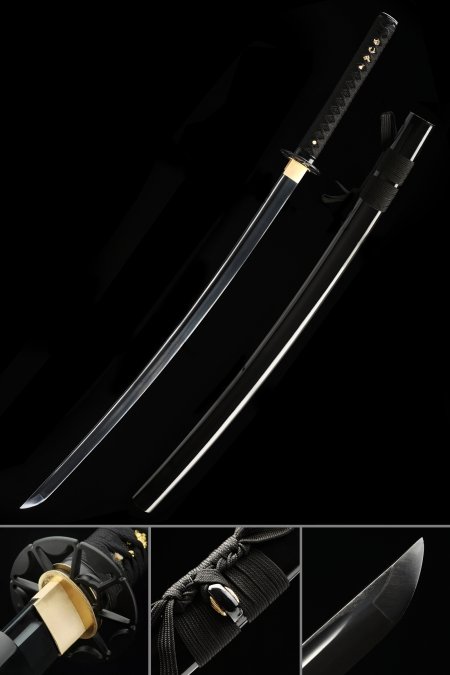
The most immediate distinction is geometry. A katana features a pronounced curvature - the sori - that develops during the differential hardening process as the edge contracts slightly faster than the spine. A ninjato, by contrast, presents a straight or very slightly curved blade profile with a squared or compact kissaki (tip). The straight silhouette historically associated with the shinobi aesthetic also tends to pair with a shorter overall length and a squared tsuba, which contrasts with the round or oval iron tsuba more common on classical katana mounts. For collectors, these differences translate directly into display aesthetics: a ninjato reads as geometric and minimal on a rack, while a katana communicates the flowing arc that defines classical Japanese blade design. Neither is superior - they represent distinct visual vocabularies within the broader world of Japanese edged collectibles.