How does T10 clay tempering differ from standard folded steel?
Updated Mar 2026
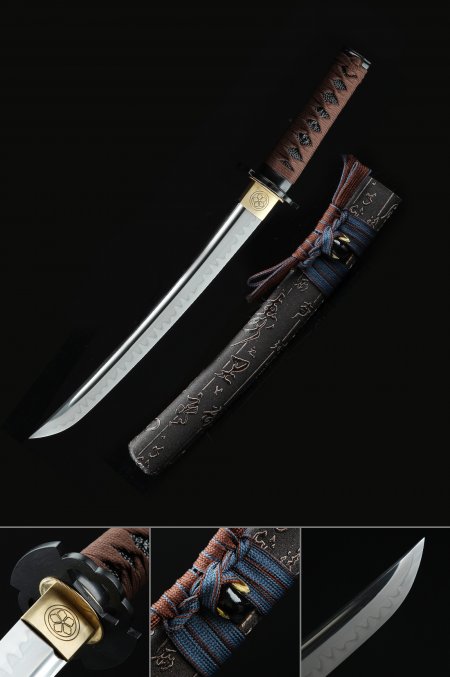
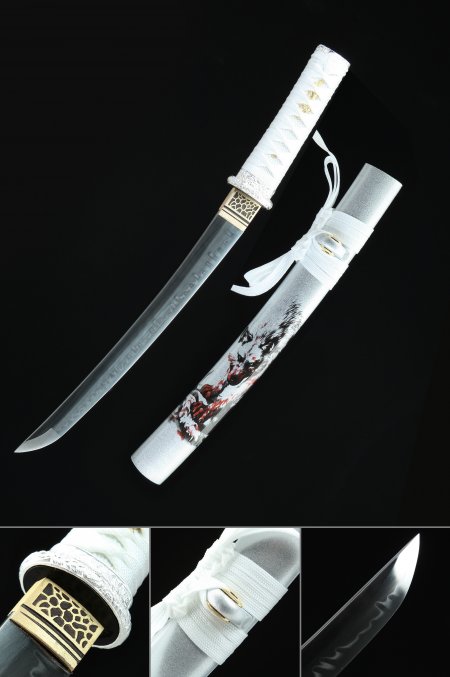
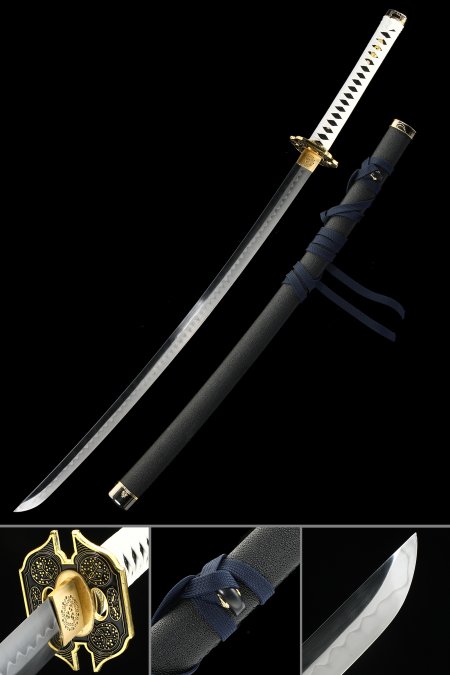
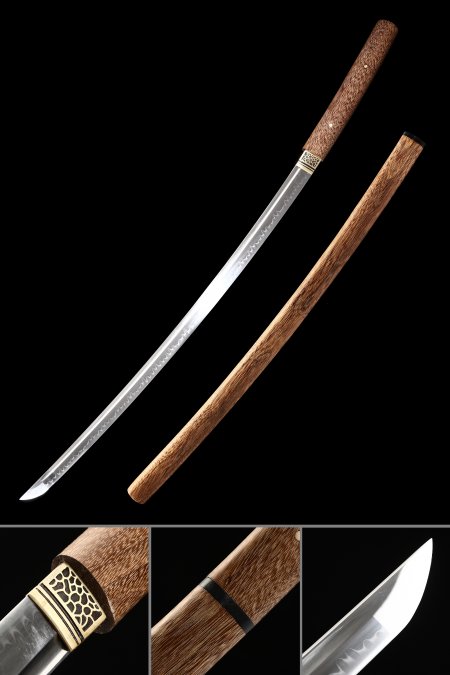
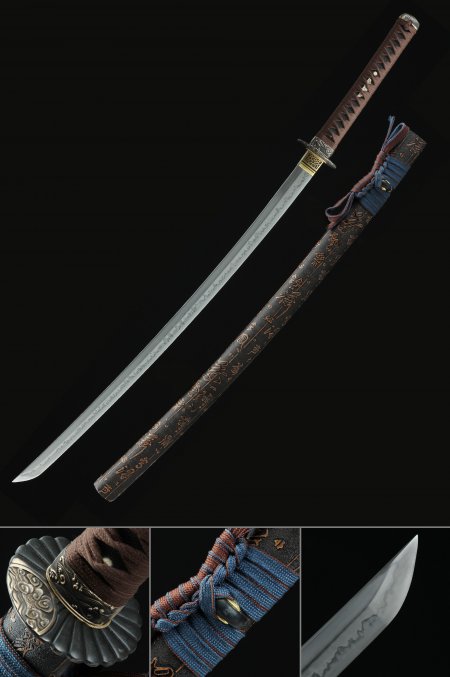
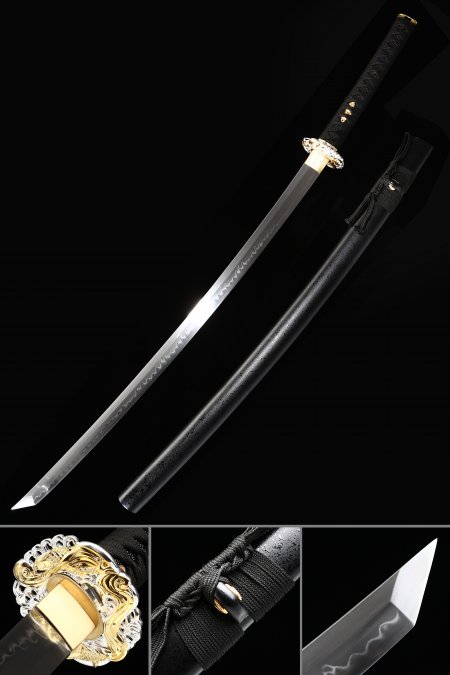
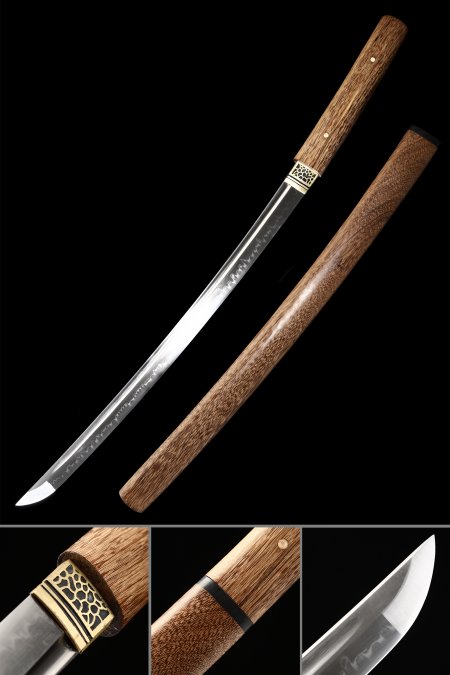
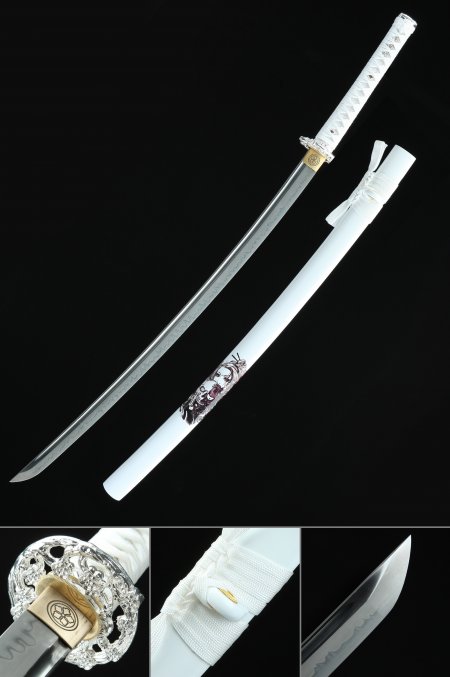
T10 tool steel is a high-carbon steel known for fine carbide distribution and good wear resistance. When clay tempering is applied, the smith coats the blade's spine with an insulating clay mixture before the final quench. This causes the edge to cool rapidly and harden to a higher degree, while the spine remains relatively softer and more resilient. The boundary between these two zones produces the hamon — the visible temper line prized by collectors as proof of authentic differential hardening. Standard folded steel constructions may not undergo clay tempering, so they display the melaleuca grain pattern without the additional hamon detail. Both approaches are distinct art forms, and many collectors pursue examples of each.