How does Damascus steel differ from clay-tempered 1095 in a tachi?
Updated Mar 2026
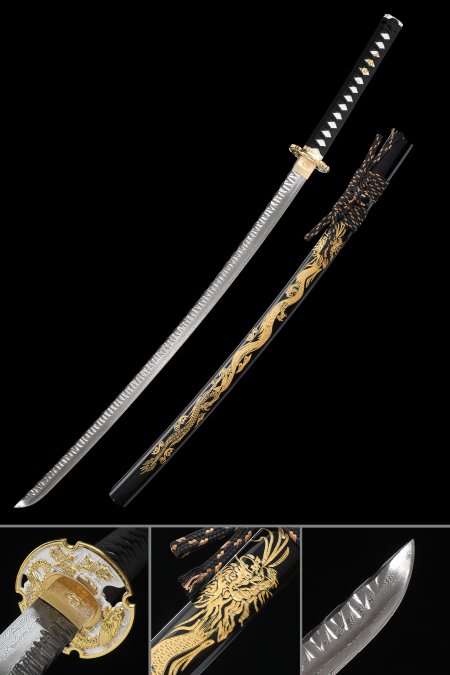
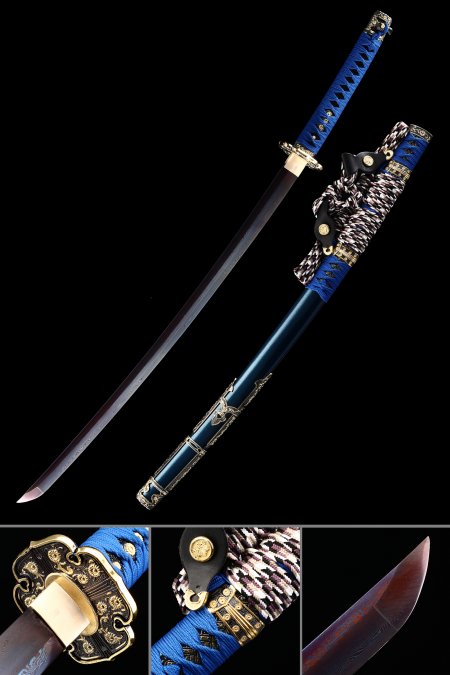
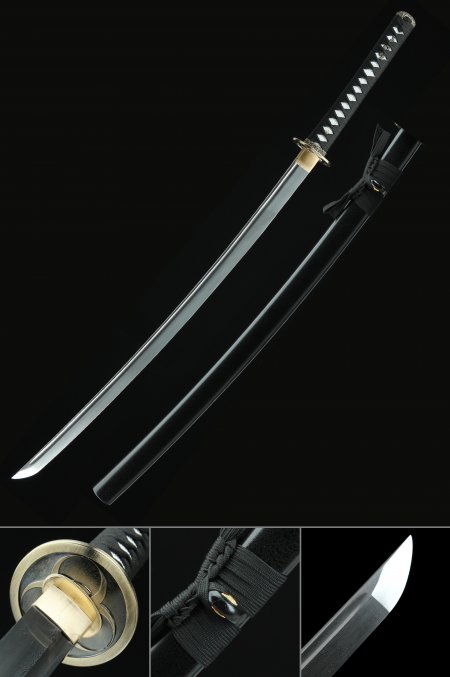
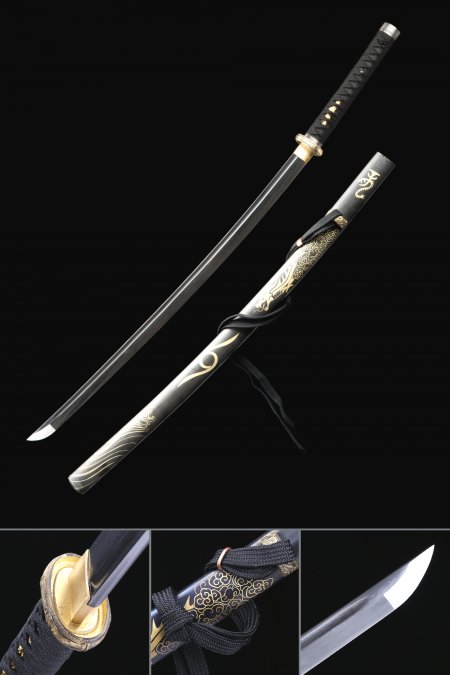
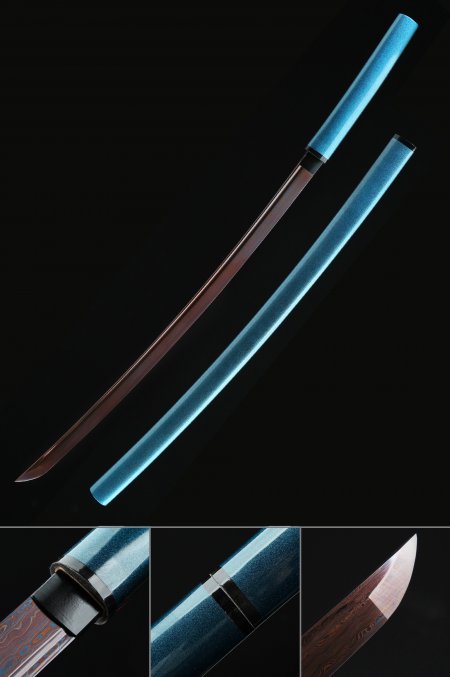
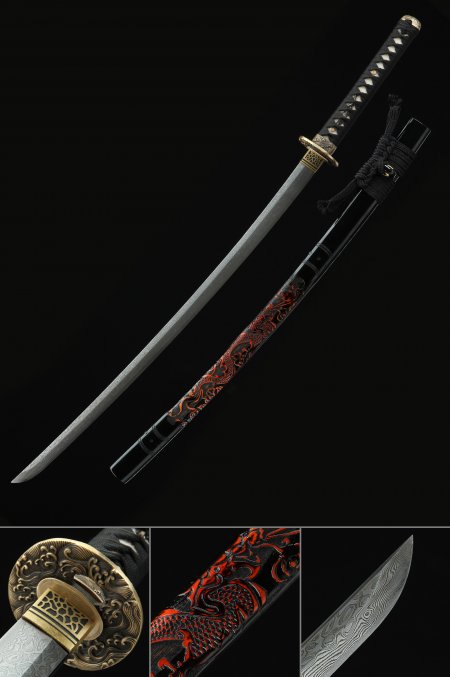
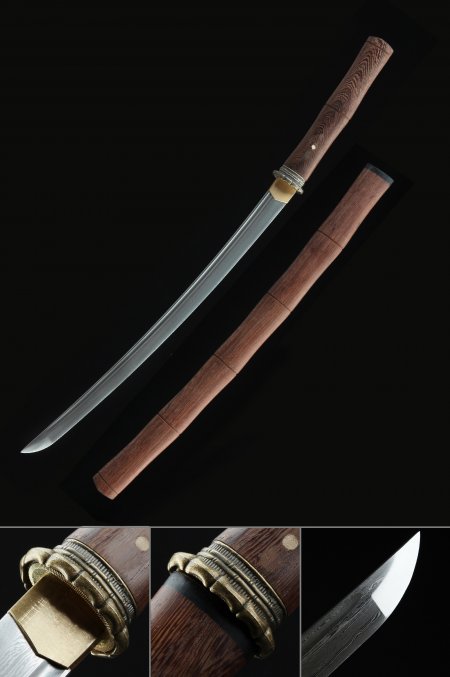
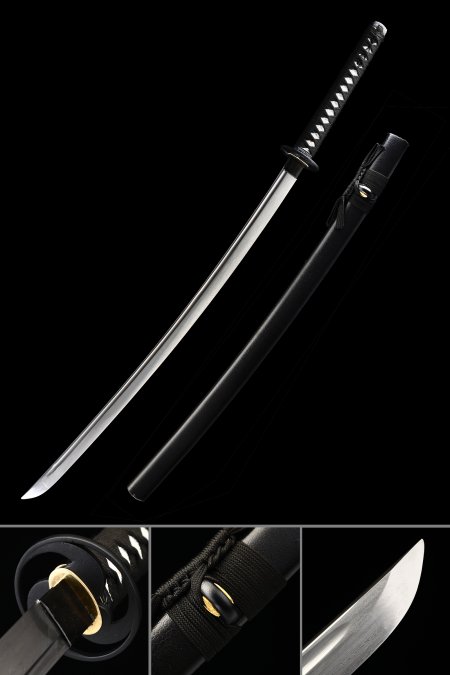
Damascus steel tachi are produced by forge-welding two or more steel types and repeatedly folding the billet, creating layered grain patterns visible across the flat of the blade. The aesthetic is bold - flowing wood-grain or water patterns depending on the folding method. Clay-tempered 1095 carbon steel follows a Japanese differential hardening tradition: a clay slurry is applied before quenching so the edge cools faster than the spine, producing a genuine hamon line. The hamon is an organic, one-of-a-kind feature that varies piece to piece. Damascus offers visual drama from the pattern; clay-tempered 1095 offers metallurgical authenticity and a blade geometry that directly references Japanese smithing heritage. Neither is superior - they satisfy different collector priorities.