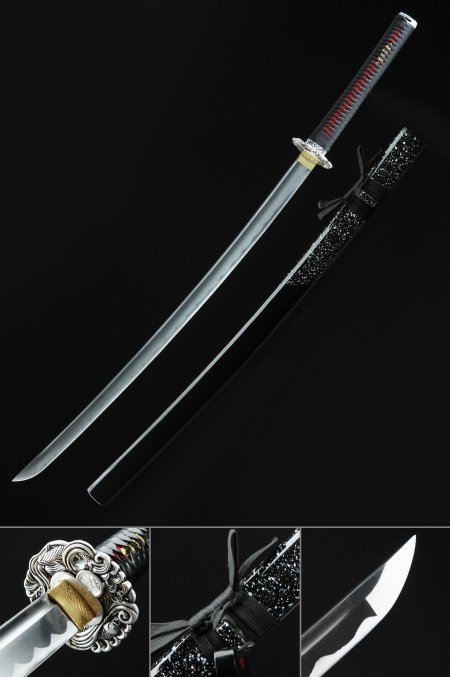
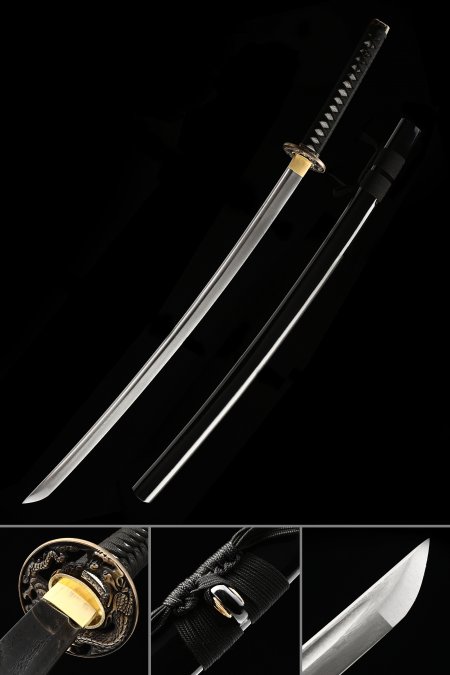
What materials are gray tsuba typically made from?
Updated Mar 2026
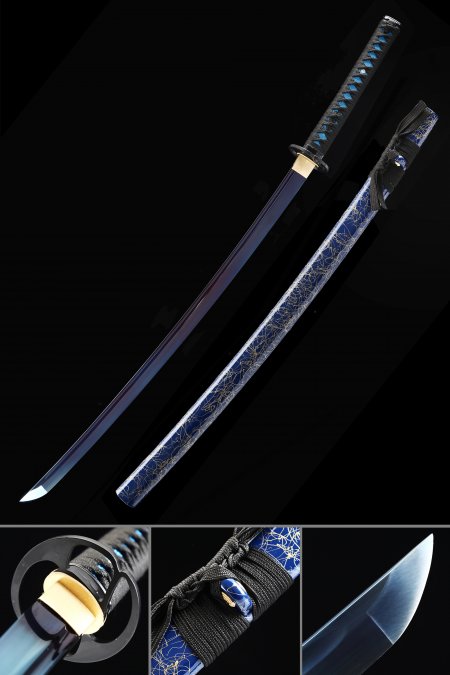
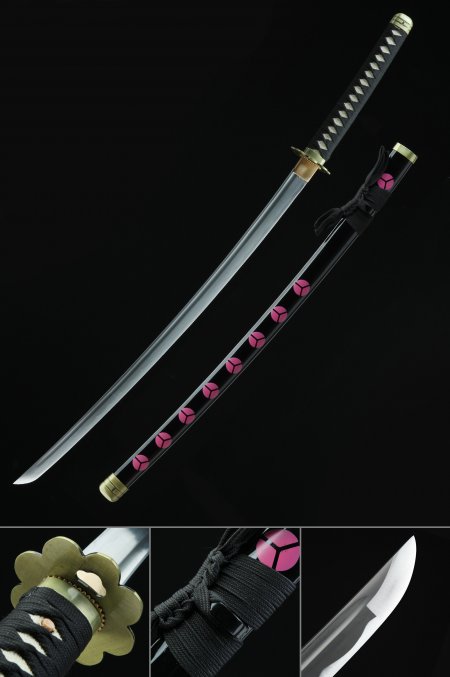
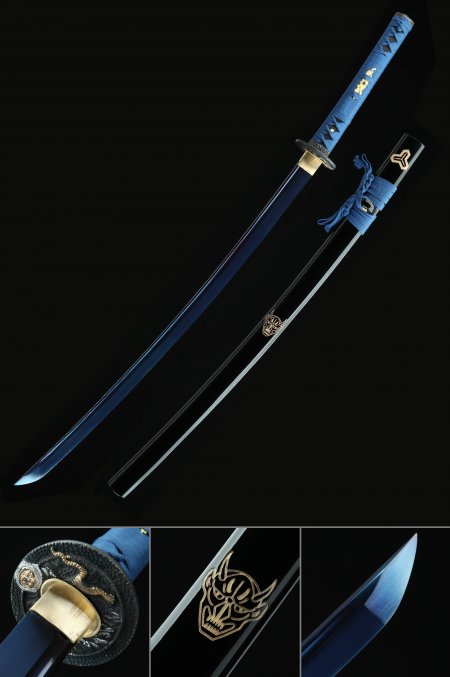
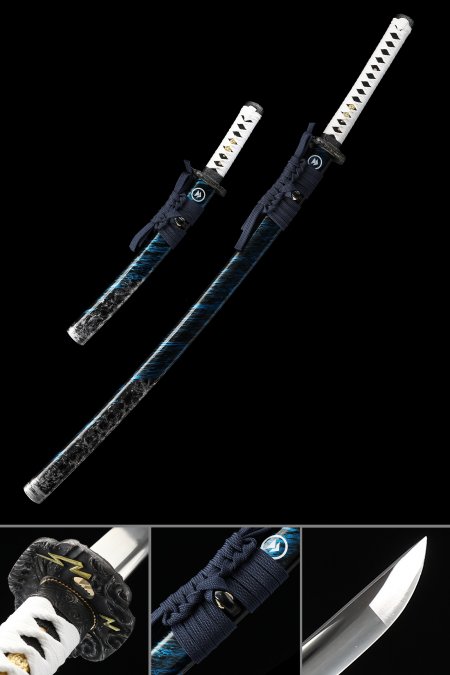
Gray tsuba in quality collectible katanas are most commonly crafted from three materials: iron, alloy blends, or treated copper. Iron tsuba develop their gray tone through controlled oxidation — a traditional Japanese finishing method involving oil or vinegar exposure that produces a charcoal-gray patina considered a mark of quality during the Edo period. Alloy tsuba achieve a similar muted finish through casting and surface treatment, offering excellent durability and consistency in modern reproductions. Treated copper guards are less common but appear in decorative pieces where subtle color variation within the gray spectrum adds visual depth. The material choice affects not just appearance but also weight distribution at the guard, which influences how a katana balances in hand during display handling.