How does a gray tsuba differ from a black iron tsuba?
Updated Mar 2026
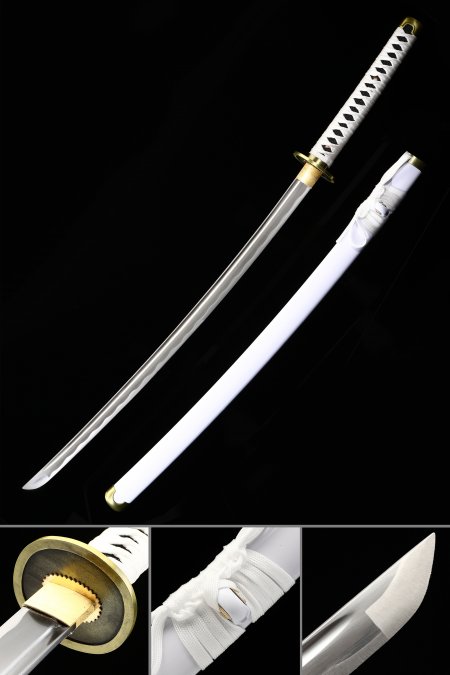
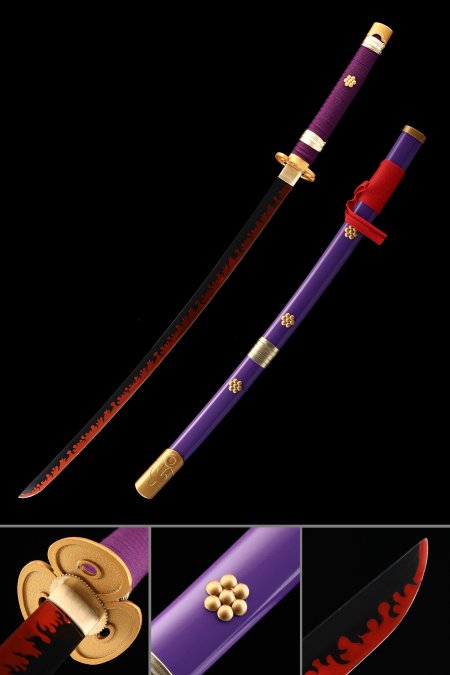
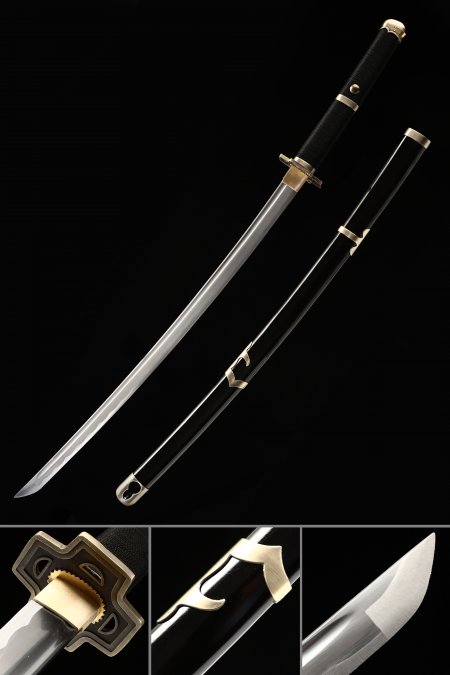
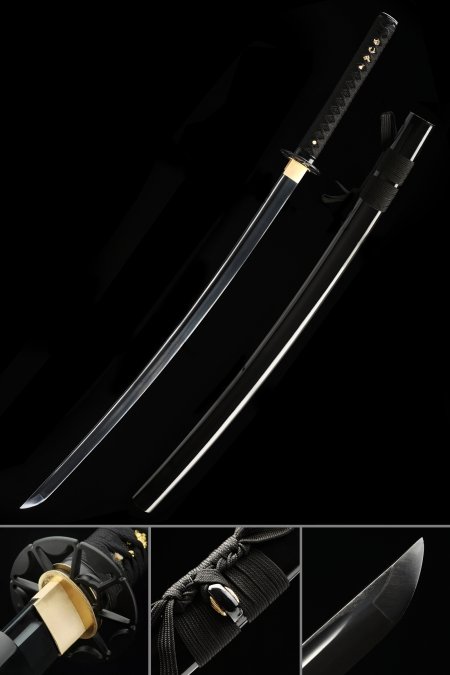
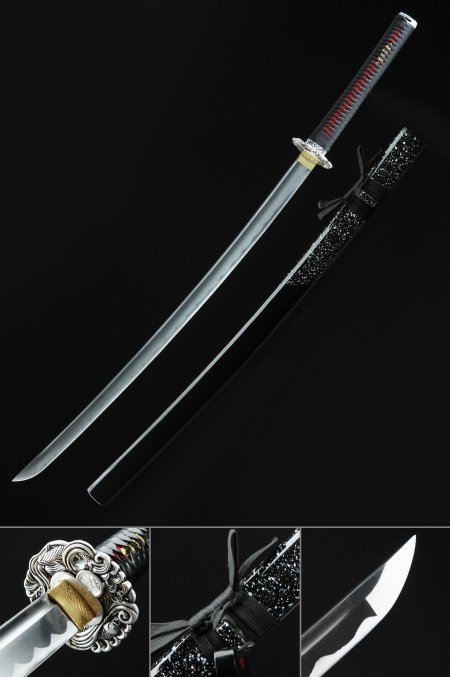
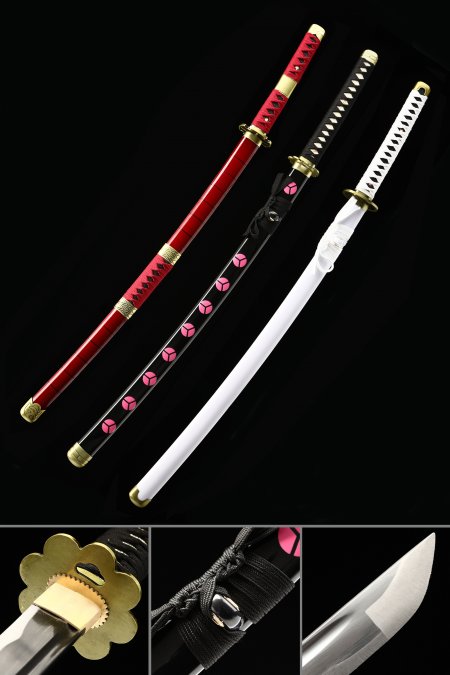
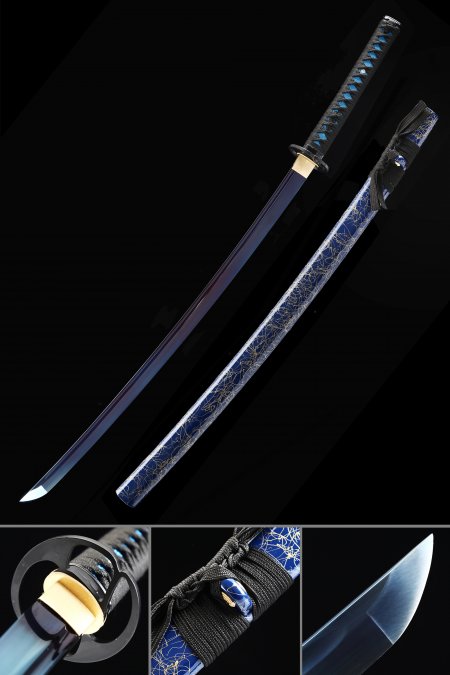
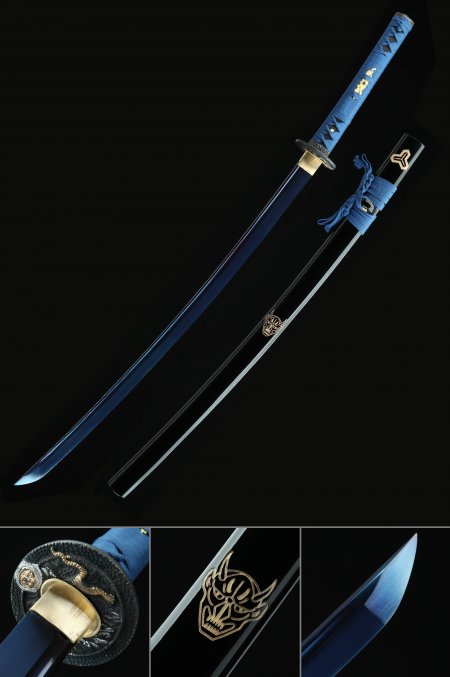
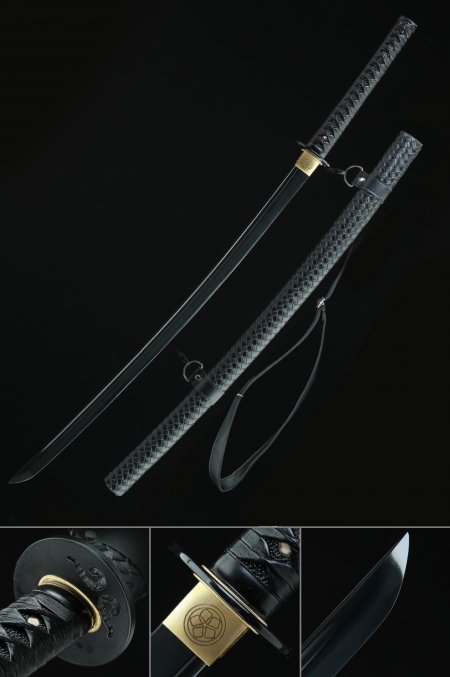
The distinction is more nuanced than it might initially appear. A fully black iron tsuba — known as a 'kuro-tetsu' style — is typically achieved through deep oxidation or lacquer application that creates a near-uniform dark surface with little reflective quality. A gray tsuba, by contrast, retains more of the underlying metal's natural reflectivity, resulting in a surface that shifts between slate, charcoal, and silver depending on lighting angle. This tonal variability makes gray guards particularly effective in display settings because they interact with ambient light rather than simply absorbing it. From a collector's standpoint, gray tsuba also tend to pair more versatilely with saya lacquer colors — they complement both high-contrast combinations like black-and-white tsuka wraps and warmer palettes featuring lacquered hardwood in natural tones.