How does Damascus steel differ from T10 steel in these tantos?
Updated Mar 2026
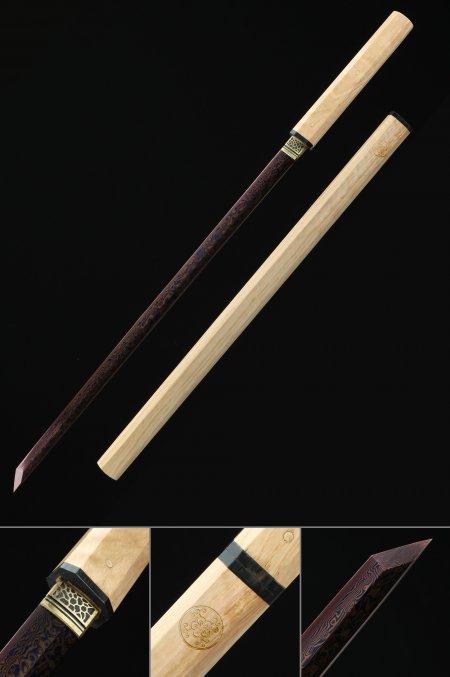
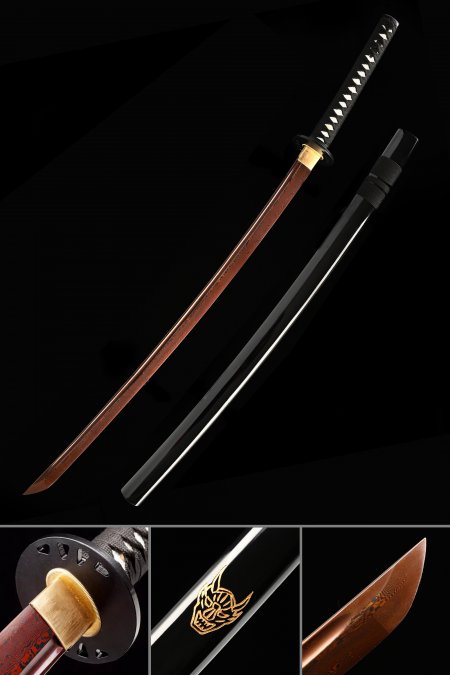
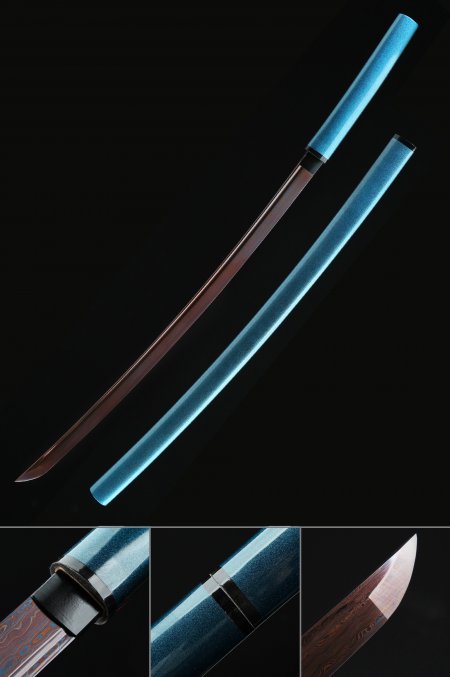
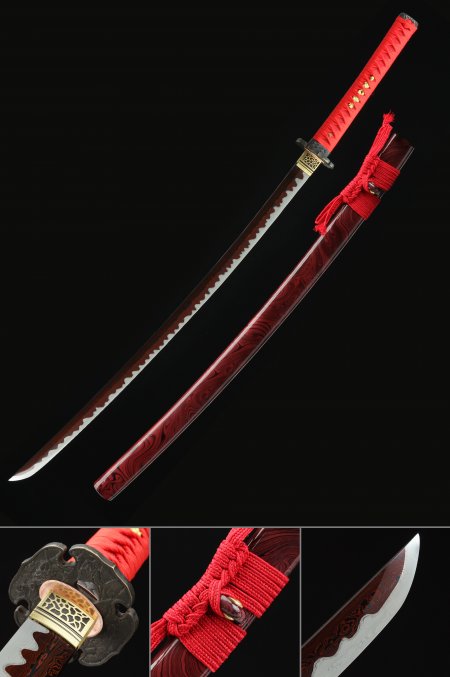
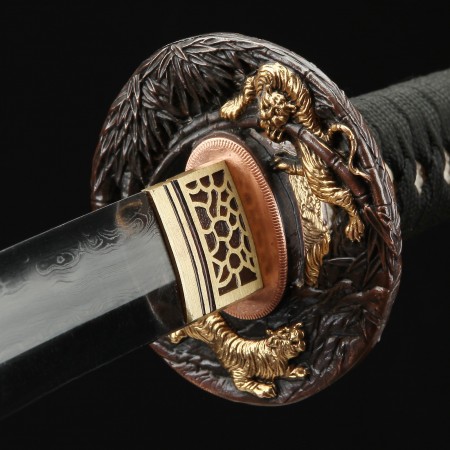
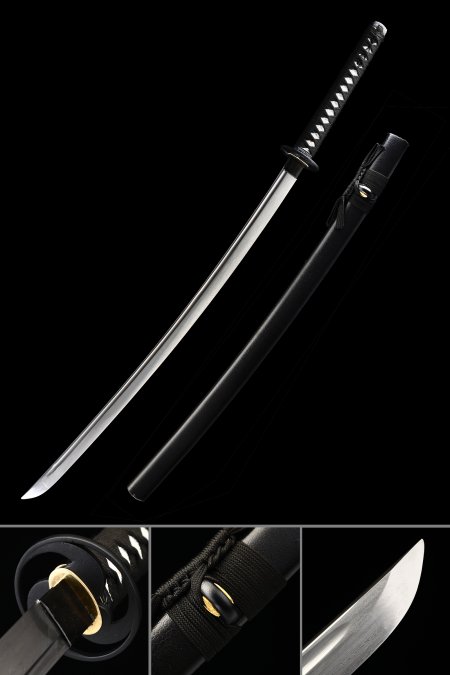
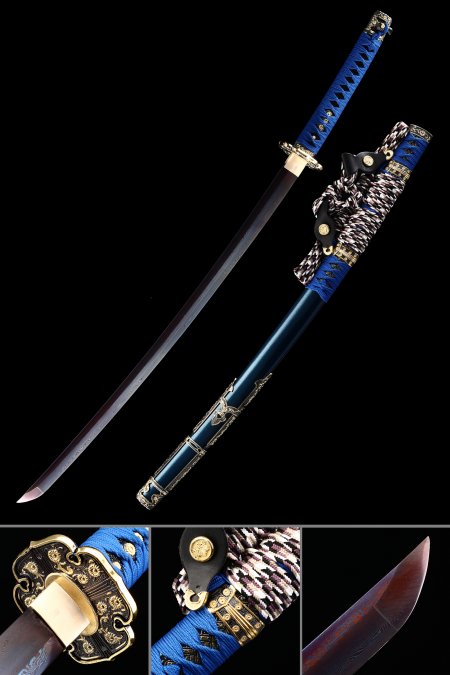
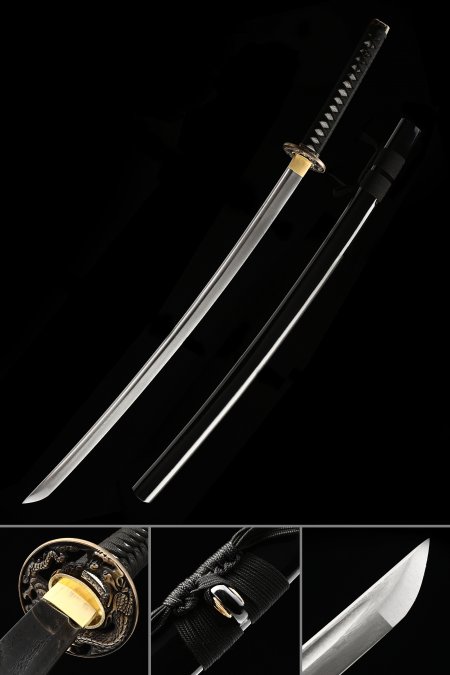
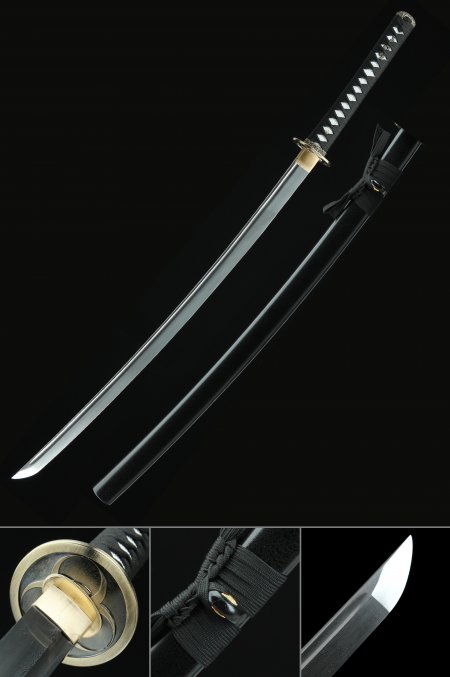
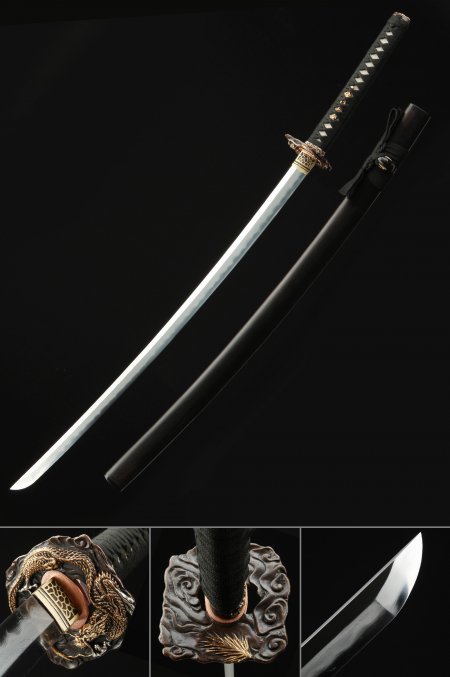
Damascus steel and T10 steel represent two very different approaches to blade craft, each with its own visual and structural signature. Damascus is produced by forge-welding multiple layers of high and low-carbon steel, then folding and manipulating the billet to create flowing surface patterns — every blade is visually unique. The layering process also creates subtle variations in surface texture that collectors find compelling up close. T10, by contrast, is a high-carbon tool steel known for its ability to develop a genuine hamon — the misty temper line that forms along the blade edge after differential clay-tempering and quenching. A real hamon is a mark of traditional heat-treatment technique and is highly sought after by serious collectors. If you prioritize dramatic visual patterning in the steel itself, Damascus is the natural choice. If you value classical Japanese blade aesthetics and the evidence of traditional tempering craft, T10 with a real hamon is particularly rewarding to study and display.