What makes a lightning hamon different from a regular hamon?
Updated Mar 2026
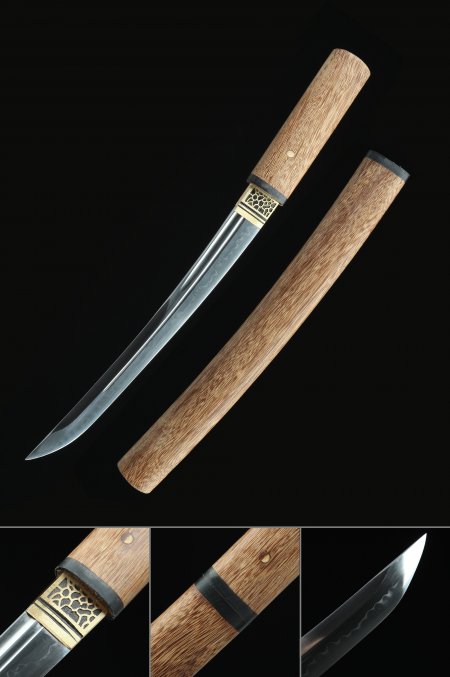
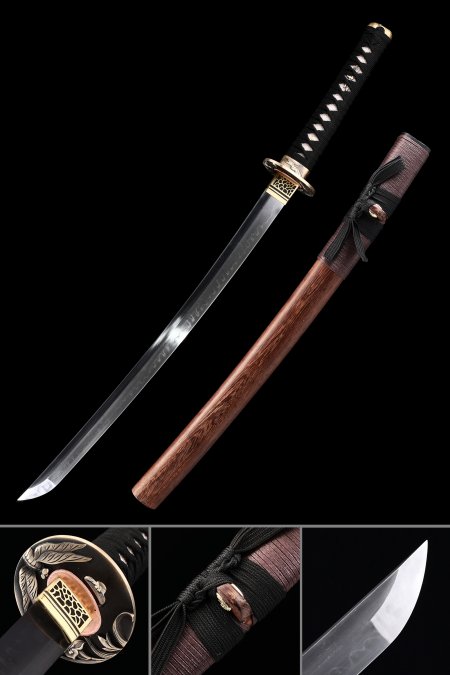
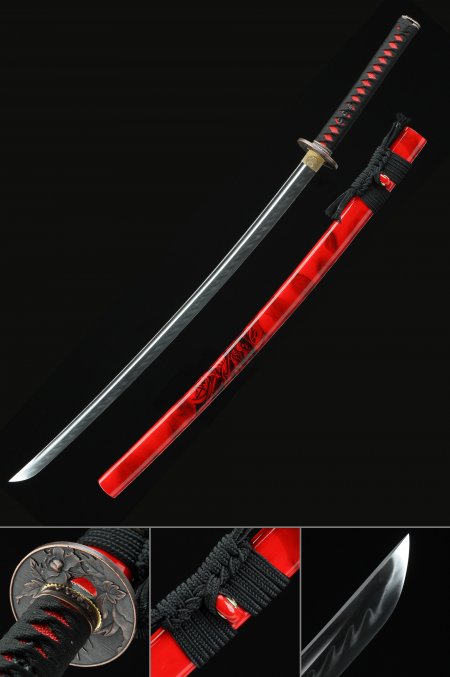
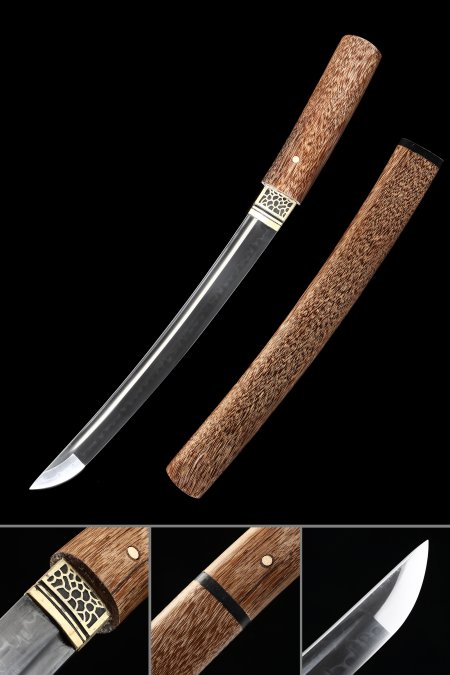
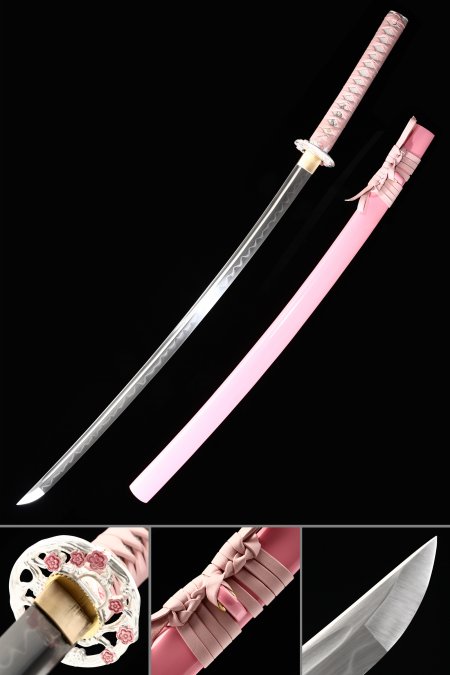
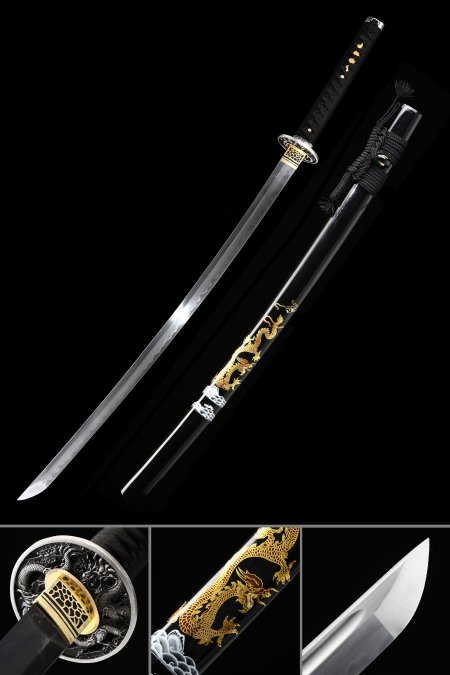
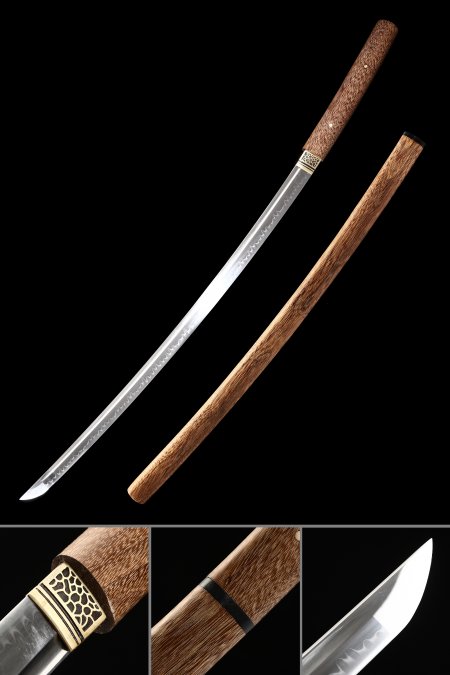
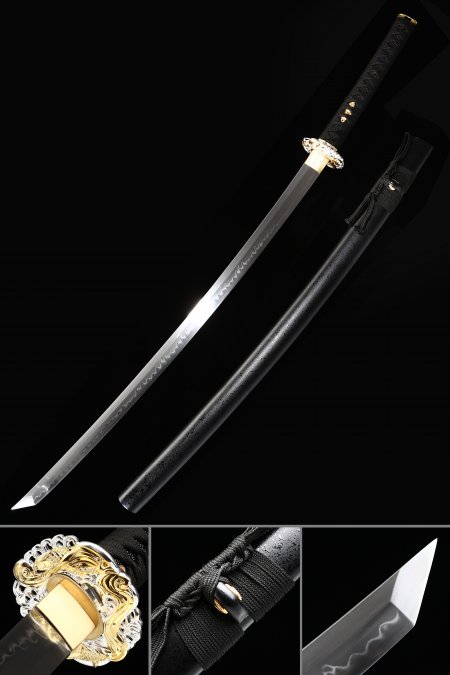
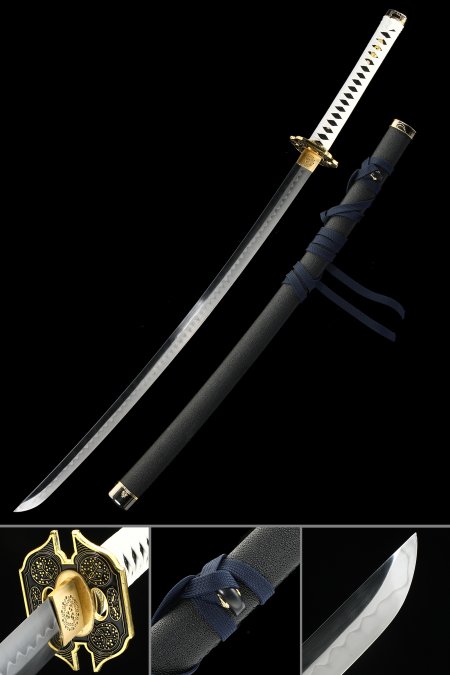
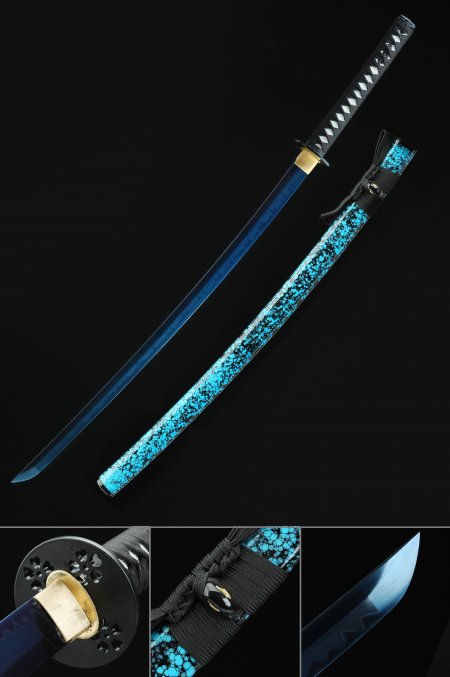
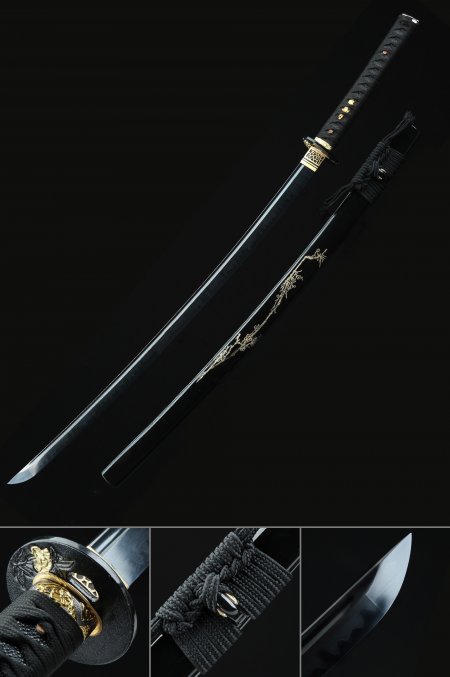
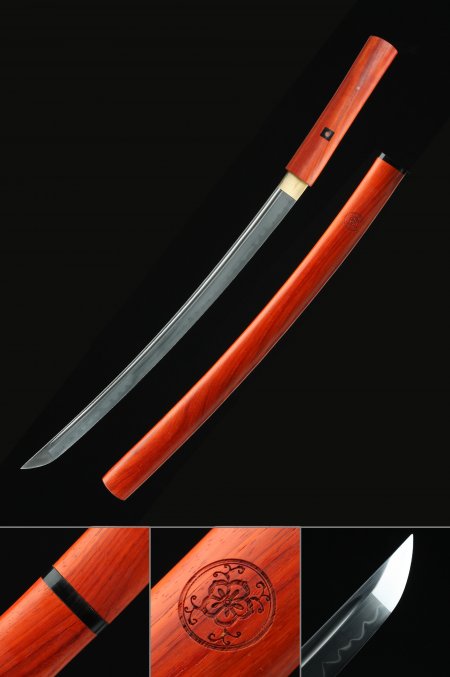
A traditional hamon is the temper line that forms when a blade is differentially hardened - clay is applied to the spine before quenching, causing the edge to cool faster and develop a harder martensitic structure. A lightning hamon specifically refers to a hamon with a jagged, zigzag profile that visually mimics a lightning bolt. On clay-tempered blades like the T10 carbon steel variant in this collection, this pattern occurs organically based on how the clay is applied before the quench. On other pieces, the lightning aesthetic is achieved through surface engraving or etching rather than the hardening process itself. The distinction matters to collectors: a genuine clay-tempered lightning hamon is a functional metallurgical feature, while an engraved lightning pattern is a decorative treatment applied after forging. Both are valued for display purposes, but they represent different craftsmanship traditions.