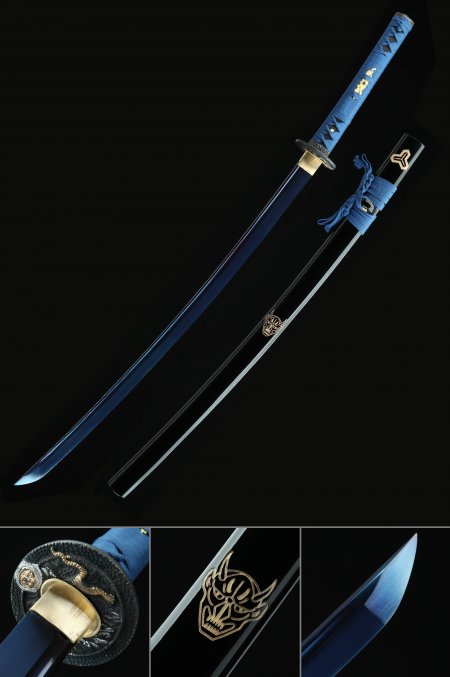
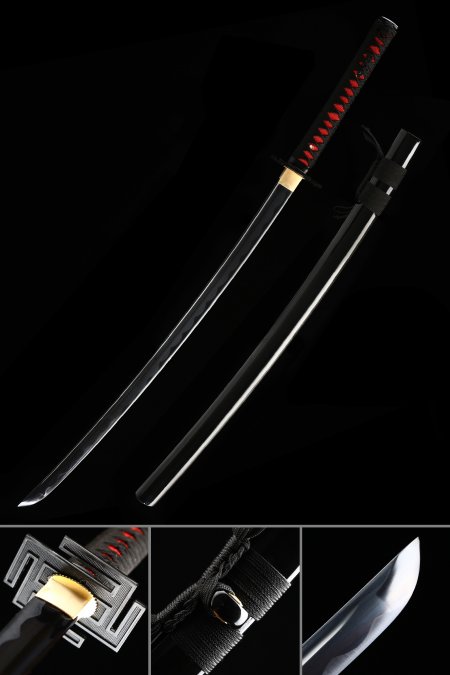
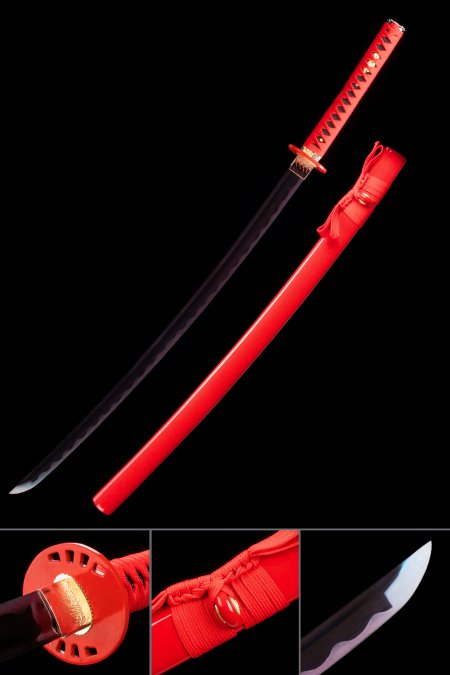
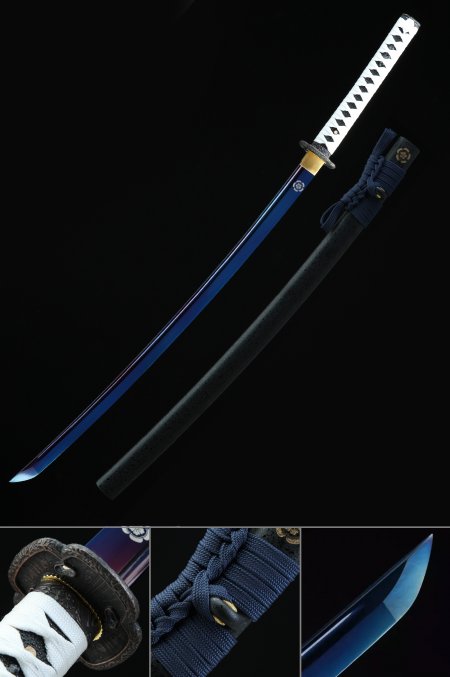
How does bronze differ from iron or copper for tsuba fittings?
Updated Mar 2026
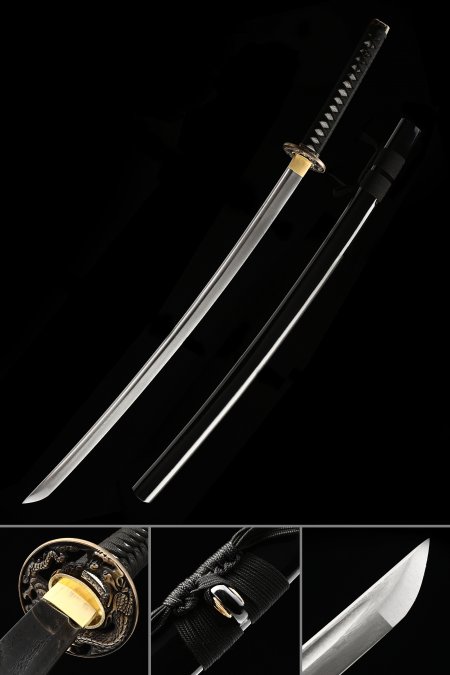
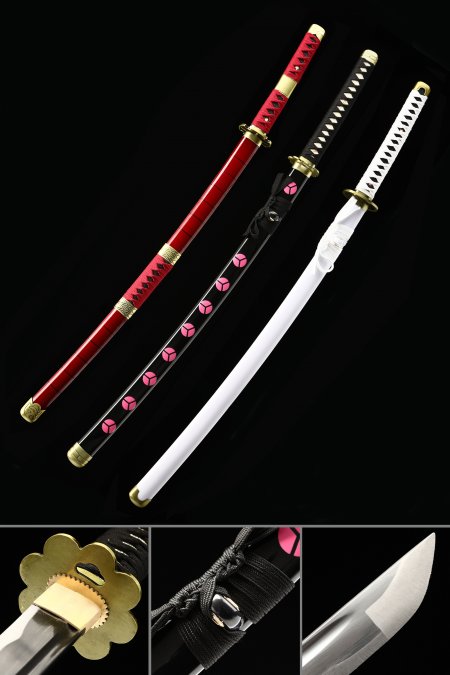
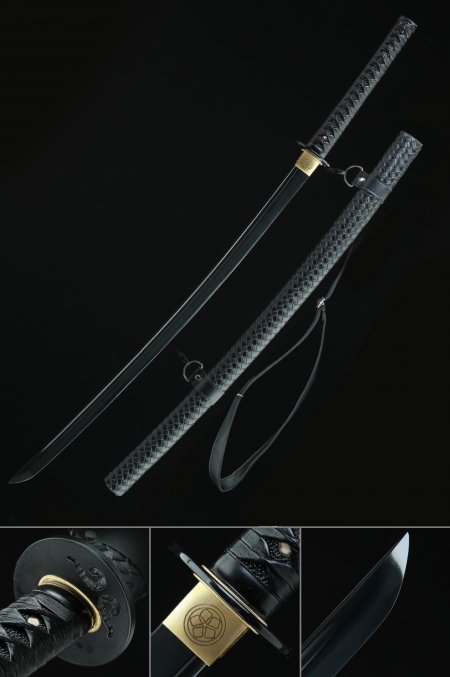
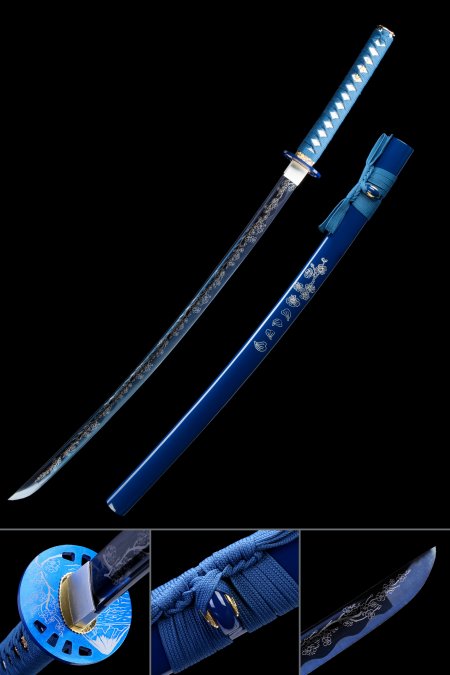
Iron tsuba, the most historically common type, develop a dark rust patina that was often deliberately induced through chemical treatments. Copper tsuba are softer and show a greenish oxidation over time. Bronze sits between those two: it is harder than copper, more resistant to corrosion than iron, and develops a rich amber-to-brown patina that many collectors find more visually harmonious with lacquered saya and silk or cotton ito wraps. On collector-grade pieces, bronze fittings are often cast rather than stamped, which allows for crisper relief detail in motifs like chrysanthemums, scrollwork, or geometric patterns. That casting sharpness holds up well over decades of display without the green bloom that copper can develop in humid environments.