What is clay tempering and why does it matter for collectors?

 Updated Mar 2026

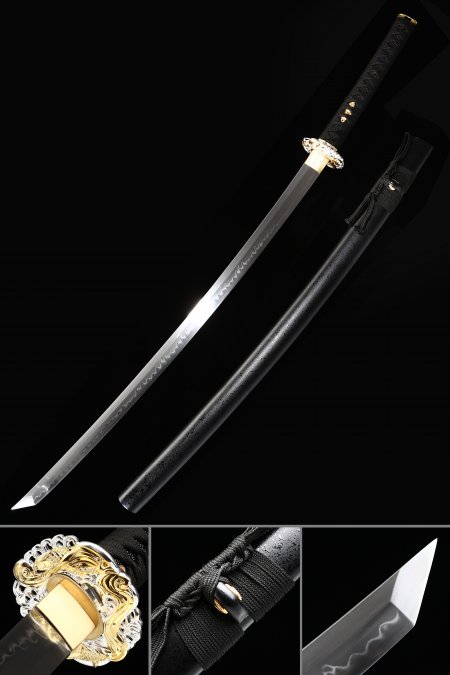
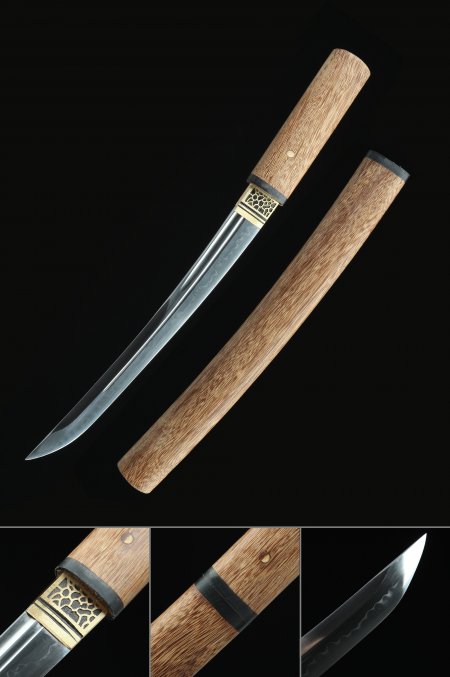
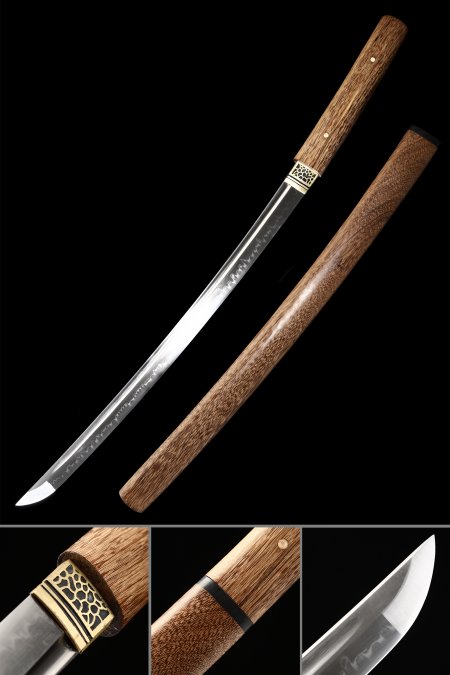
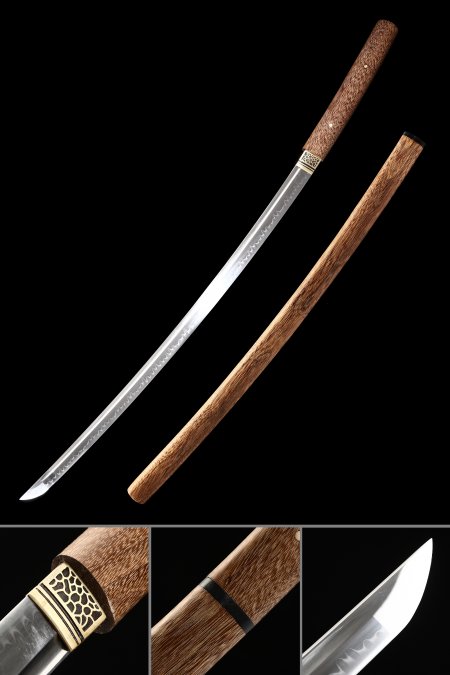
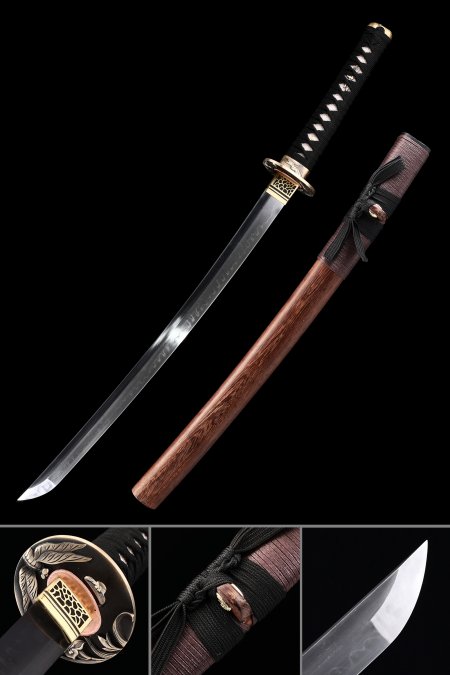
Clay tempering — known in Japanese as tsuchioki — involves coating the spine of the blade with clay before the final quench. Because the clay insulates the spine during rapid cooling, the spine cools more slowly and remains relatively soft and flexible, while the exposed edge hardens more fully. This differential hardening produces a visible hamon, the wavy temper line near the edge that is one of the most prized visual features in Japanese sword collecting. For display pieces, the hamon adds authenticity and visual interest that no surface treatment can replicate. T10 tool steel responds especially well to this process and is the standard choice for collectors who want a pronounced, activity-rich hamon on a collectible katana.
Popular Products

20% OFFjapanese katana
169.00 USD
209.00 USD
15% OFFpink katana
189.00 USD
219.00 USD
20% OFFjapanese katana
209.00 USD
259.00 USD
20% OFFblue katana
209.00 USD
259.00 USD
15% OFFshirasaya tanto
149.00 USD
179.00 USD
15% OFFjapanese katana
199.00 USD
239.00 USD
15% OFFshirasaya tanto
149.00 USD
179.00 USD
15% OFFwhite katana
209.00 USD
249.00 USD
20% OFFshirasaya wakizashi
219.00 USD
269.00 USD
15% OFFtanto sword
149.00 USD
179.00 USD
15% OFFtanto sword
179.00 USD
209.00 USD
20% OFFwakizashi sword
219.00 USD
279.00 USD
20% OFFjapanese katana
169.00 USD
209.00 USD
15% OFFpink katana
189.00 USD
219.00 USD
20% OFFjapanese katana
209.00 USD
259.00 USD
20% OFFblue katana
209.00 USD
259.00 USD
15% OFFshirasaya tanto
149.00 USD
179.00 USD
15% OFFjapanese katana
199.00 USD
239.00 USD
15% OFFshirasaya tanto
149.00 USD
179.00 USD
15% OFFwhite katana
209.00 USD
249.00 USD
20% OFFshirasaya wakizashi
219.00 USD
269.00 USD
15% OFFtanto sword
149.00 USD
179.00 USD
15% OFFtanto sword
179.00 USD
209.00 USD
20% OFFwakizashi sword
219.00 USD
279.00 USD

Explore Our Collections