What makes a hamon on a tanto real vs. decorative?
Updated Mar 2026
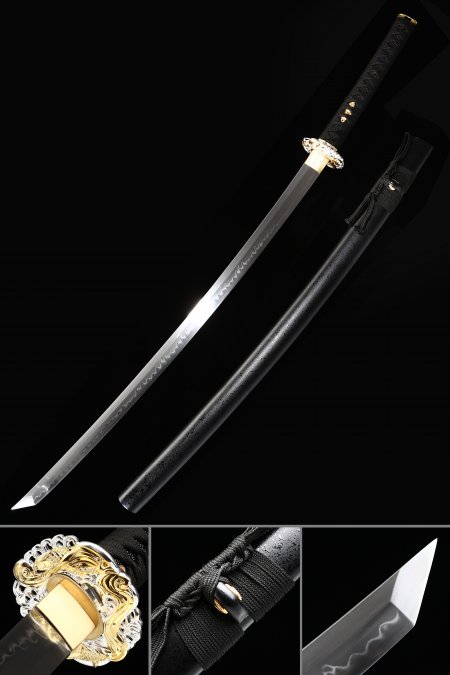
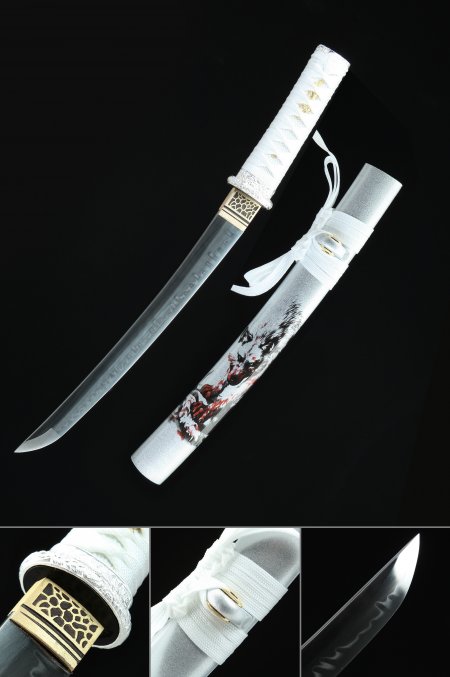
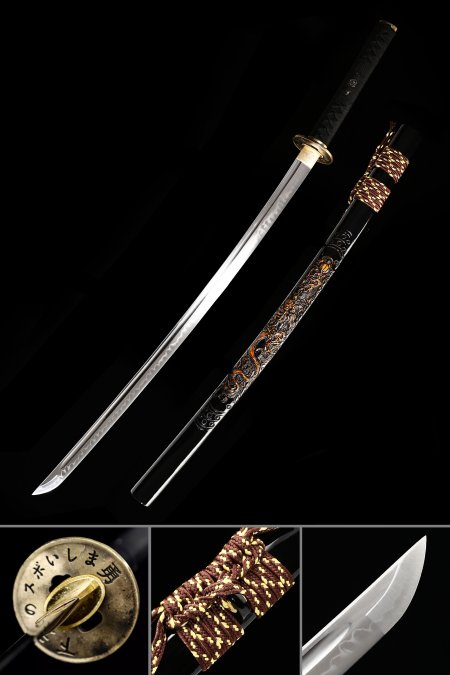
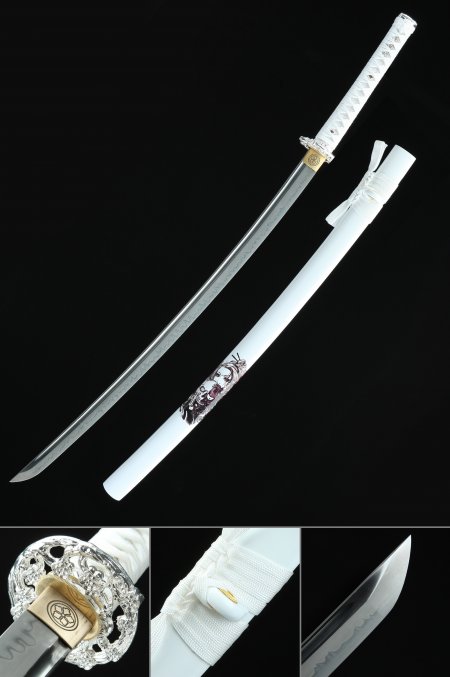
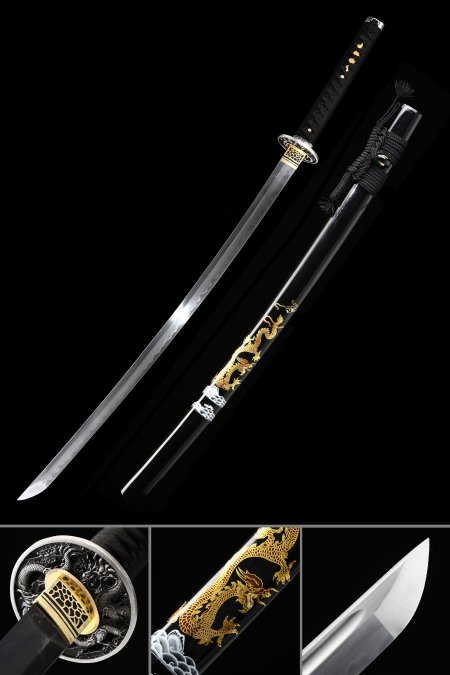
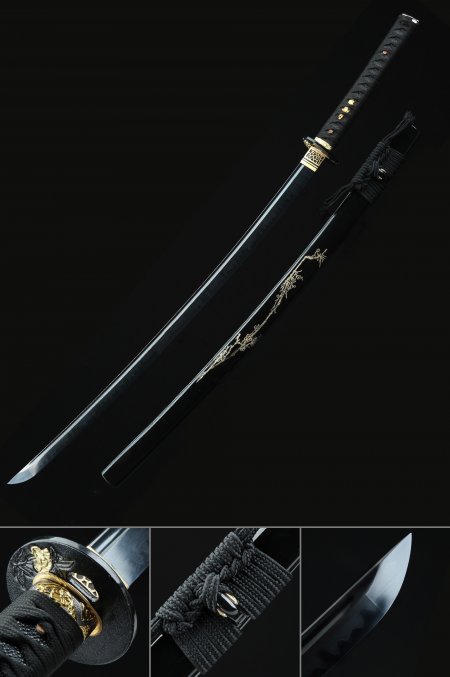
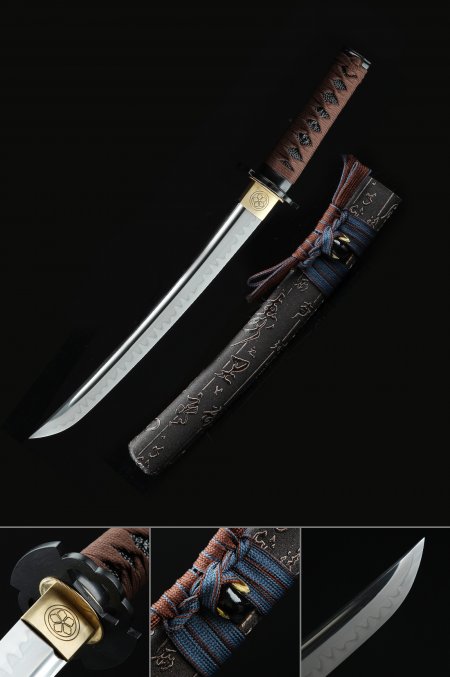
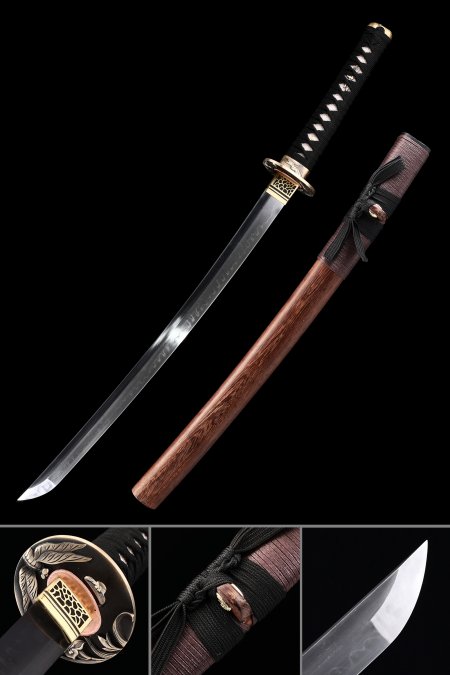
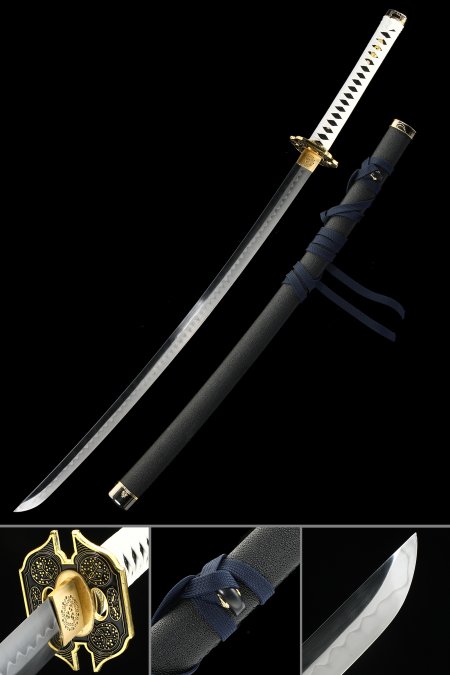
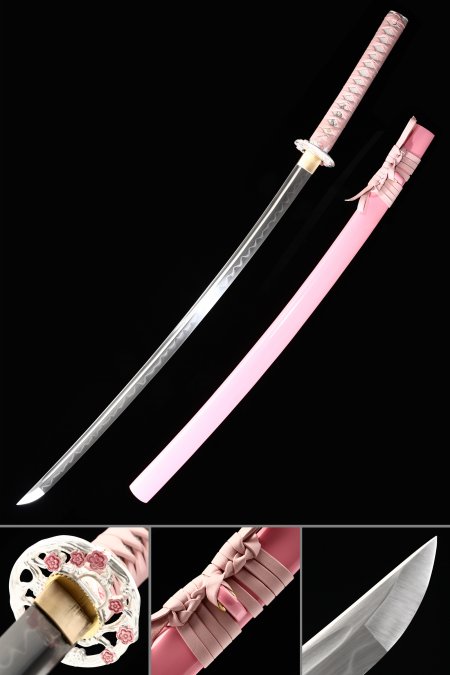
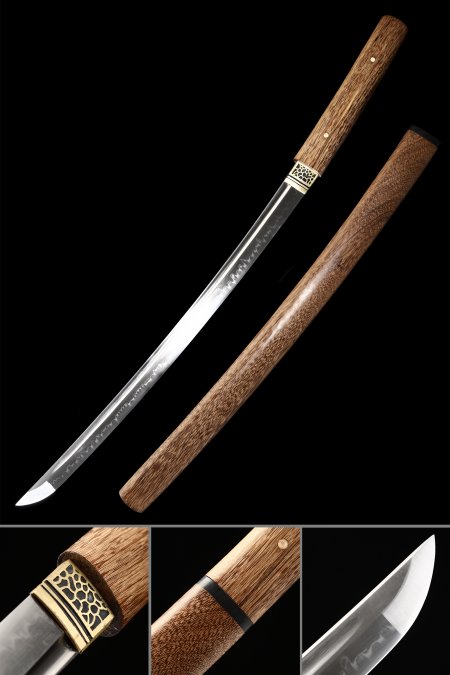
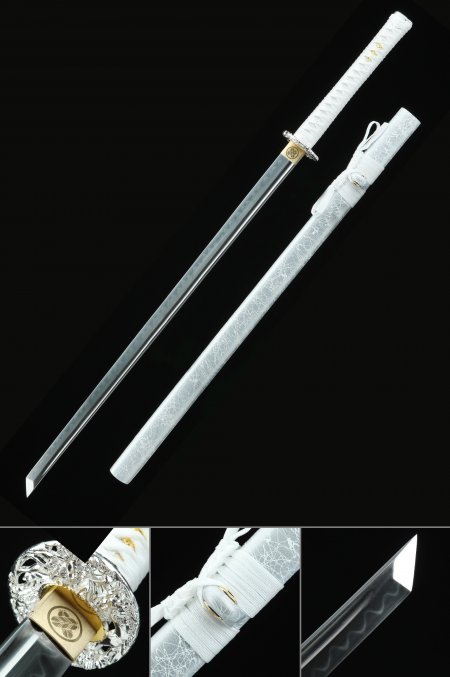
A real hamon forms during the clay tempering process, when differential cooling between the edge and the spine causes the steel's grain structure to change at different rates. The hamon line you see is the boundary between the hardened edge steel (called ha) and the softer spine (called mune) - it is a physical feature embedded in the metal, not applied to the surface. A fake or acid-etched hamon is simply a chemical stain that sits on top of the steel and can be polished off. Under bright light, a genuine hamon has depth and a slight glow called utsuri, while an etched line appears flat and uniform. The T10 clay tempered tantos in this collection carry real hamon produced through traditional differential hardening, which is why each line looks slightly different - the exact shape is determined by how the clay was applied and how the quench proceeded, making it a fingerprint of the smith's process.