What makes Damascus steel visually distinct on a katana blade?

 Updated Mar 2026

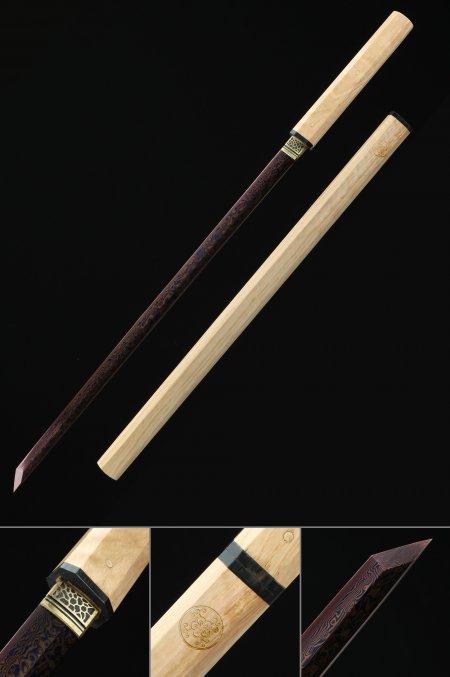
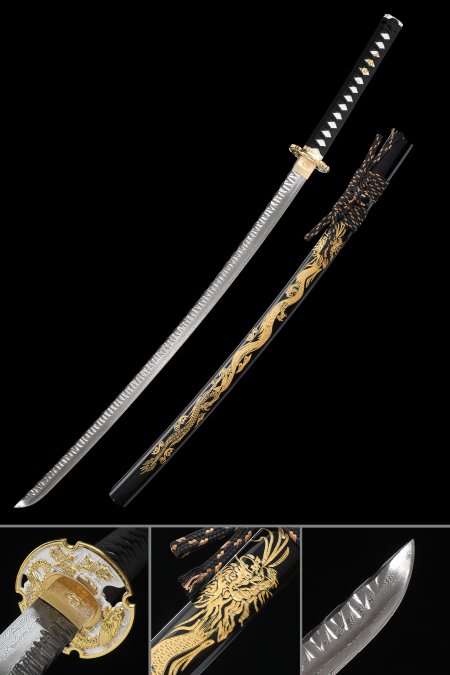
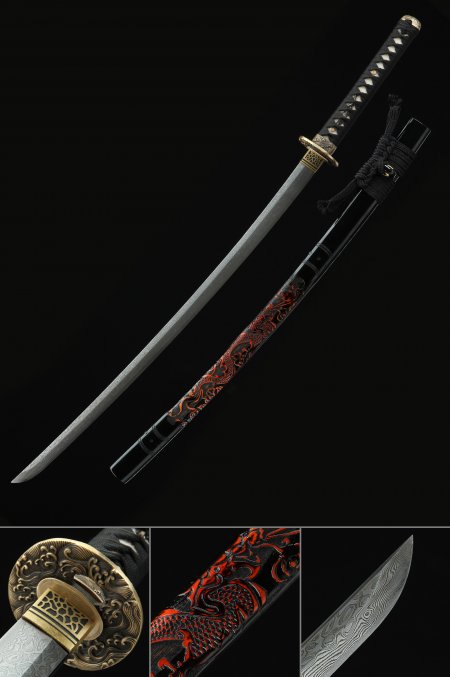
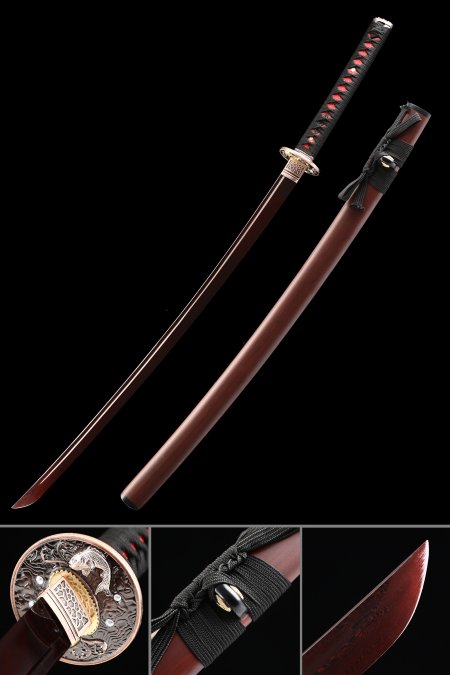
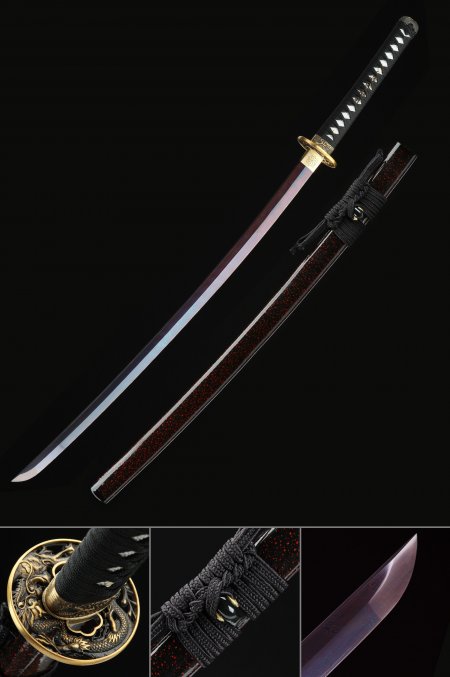
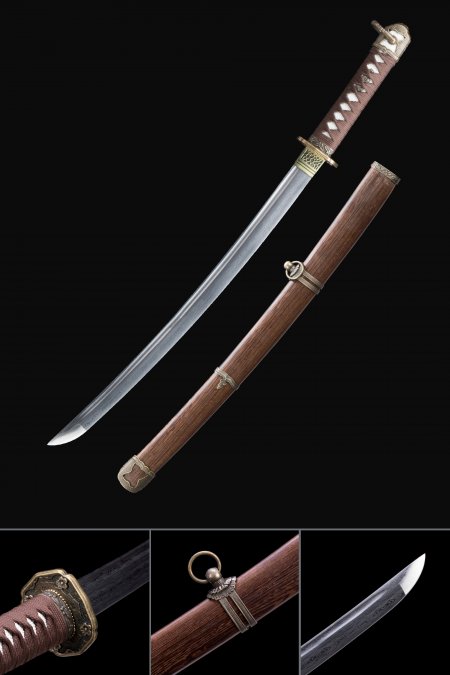
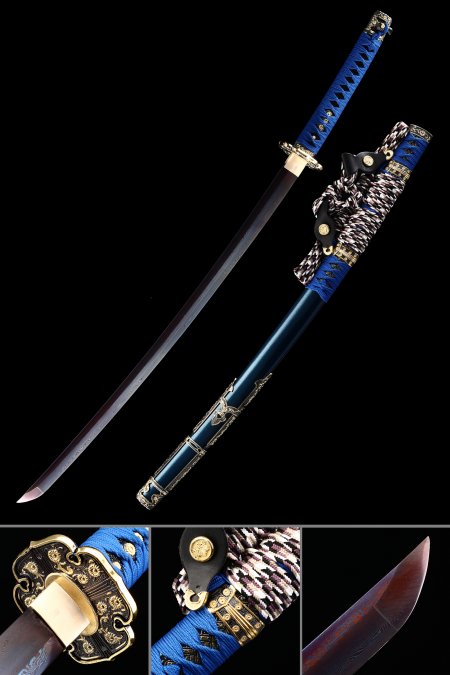
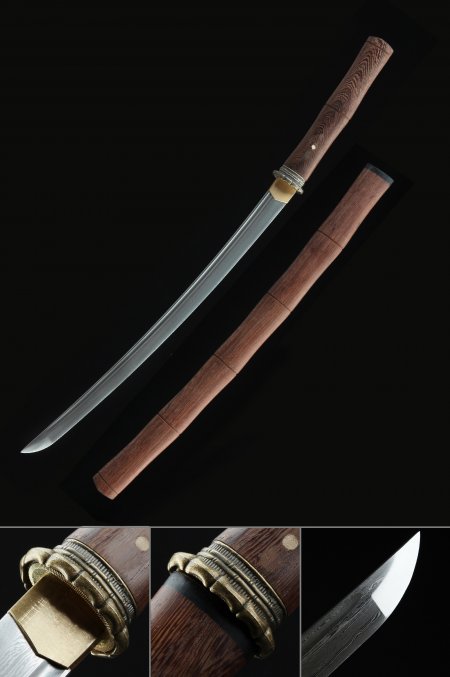
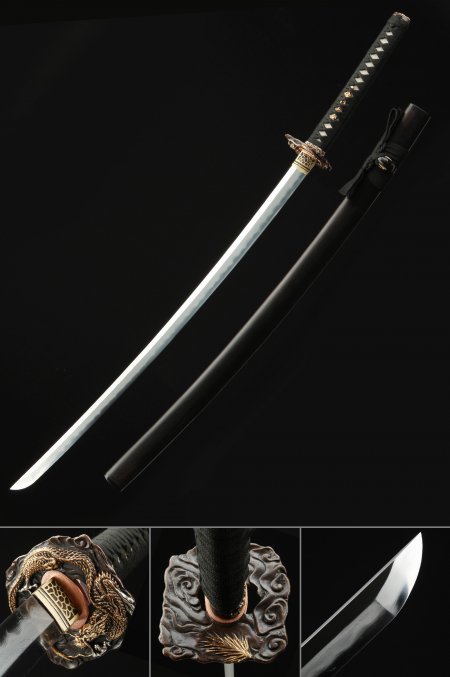
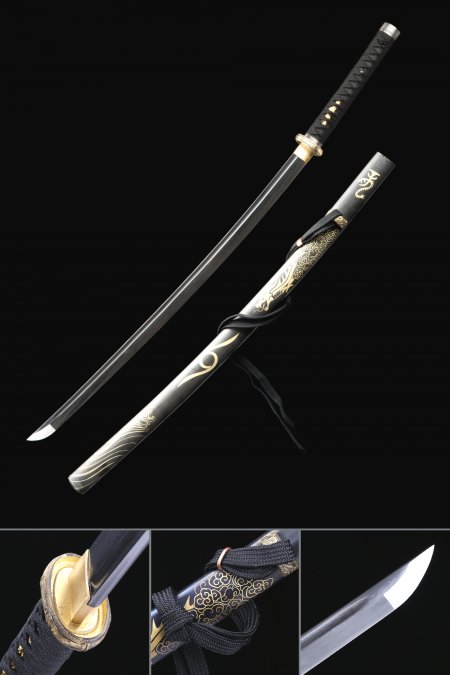
Damascus steel is produced by forge-welding multiple layers of high-carbon steel and iron, then repeatedly folding and drawing out the billet. This process creates flowing, wave-like grain patterns across the blade surface — often described as woodgrain, water ripple, or ladder patterns depending on the manipulation technique used. Because no two billets fold identically, the surface pattern on each finished katana blade is genuinely unique. When etched with acid during finishing, the contrasting carbon content in each layer reacts at different rates, making the layering structure clearly visible. On a White Damascus Steel Katana, this organic patterning reads especially well against the clean white saya, creating a strong visual contrast that draws the eye directly to the blade's surface character.
Popular Products

15% OFFshikomizue sword
229.00 USD
269.00 USD
20% OFFsamurai sword
289.00 USD
359.00 USD
20% OFFdamascus katana
329.00 USD
409.00 USD
15% OFFkill bill sword
199.00 USD
229.00 USD
15% OFFshort katana
199.00 USD
239.00 USD
20% OFFjapanese katana
229.00 USD
289.00 USD
20% OFFmodern wakizashi
209.00 USD
259.00 USD
15% OFFww2 wakizashi
169.00 USD
199.00 USD
15% OFFgolden katana
199.00 USD
229.00 USD
15% OFFblack katana
179.00 USD
209.00 USD
15% OFFreal katana
649.00 USD
769.00 USD
20% OFFtachi sword
249.00 USD
309.00 USD
15% OFFshikomizue sword
229.00 USD
269.00 USD
20% OFFsamurai sword
289.00 USD
359.00 USD
20% OFFdamascus katana
329.00 USD
409.00 USD
15% OFFkill bill sword
199.00 USD
229.00 USD
15% OFFshort katana
199.00 USD
239.00 USD
20% OFFjapanese katana
229.00 USD
289.00 USD
20% OFFmodern wakizashi
209.00 USD
259.00 USD
15% OFFww2 wakizashi
169.00 USD
199.00 USD
15% OFFgolden katana
199.00 USD
229.00 USD
15% OFFblack katana
179.00 USD
209.00 USD
15% OFFreal katana
649.00 USD
769.00 USD
20% OFFtachi sword
249.00 USD
309.00 USD

Explore Our Collections