How do White Damascus katana compare to standard carbon steel katana?
Updated Mar 2026
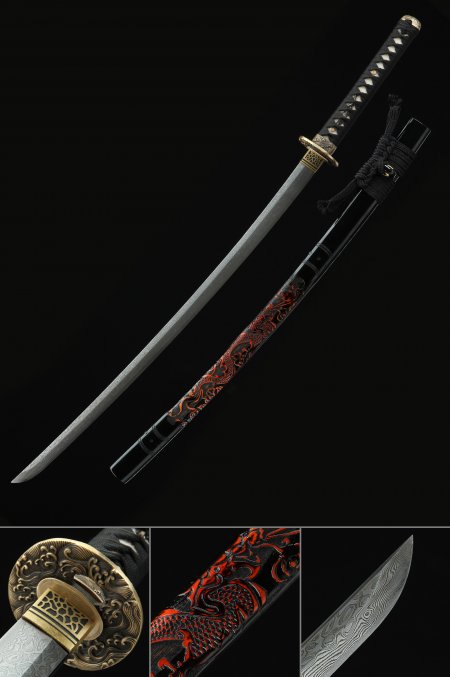
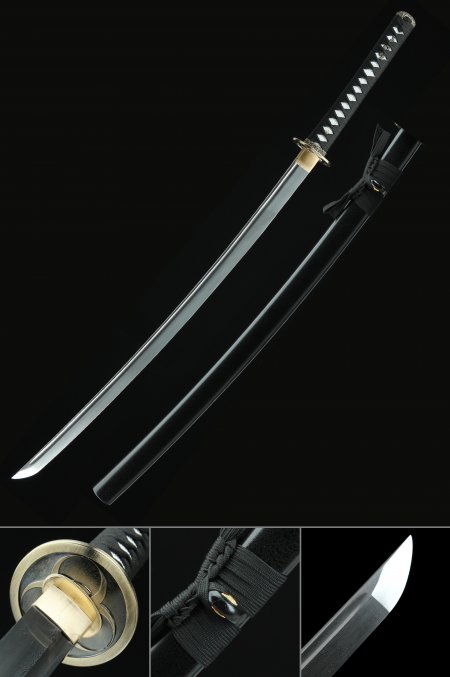
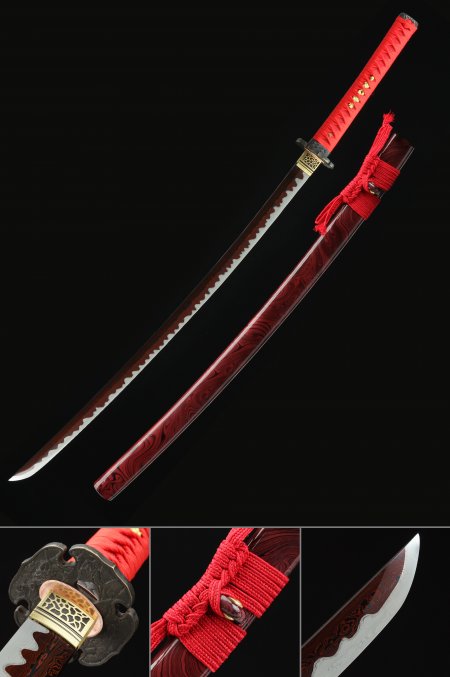
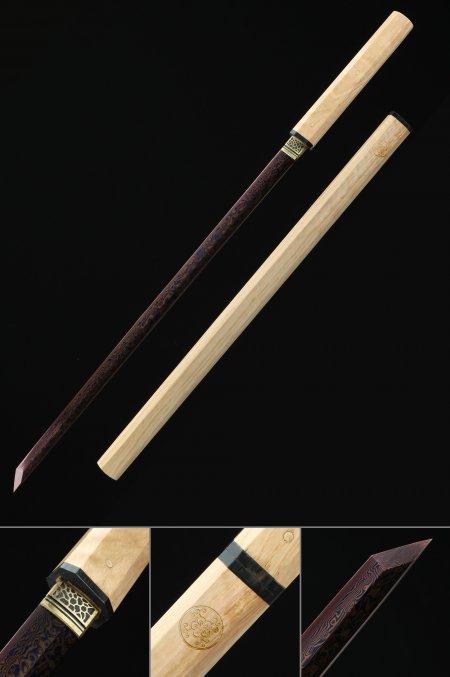
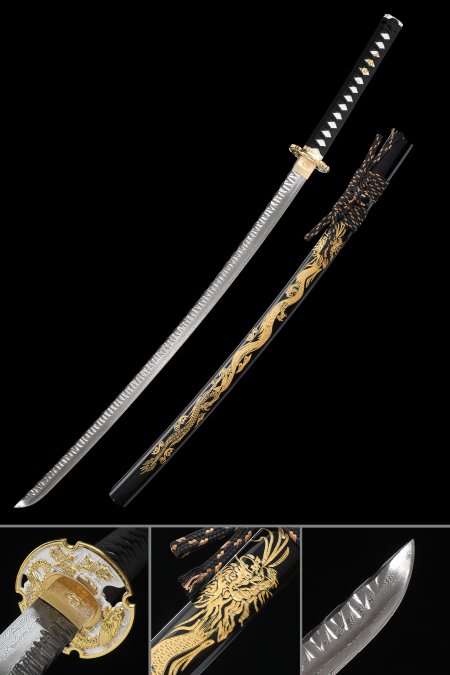
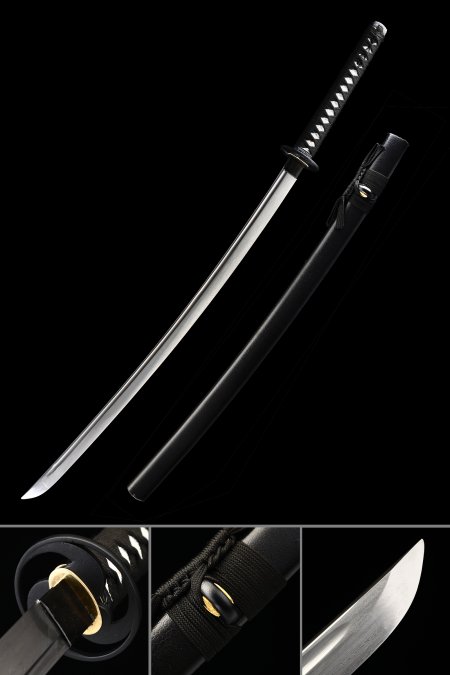
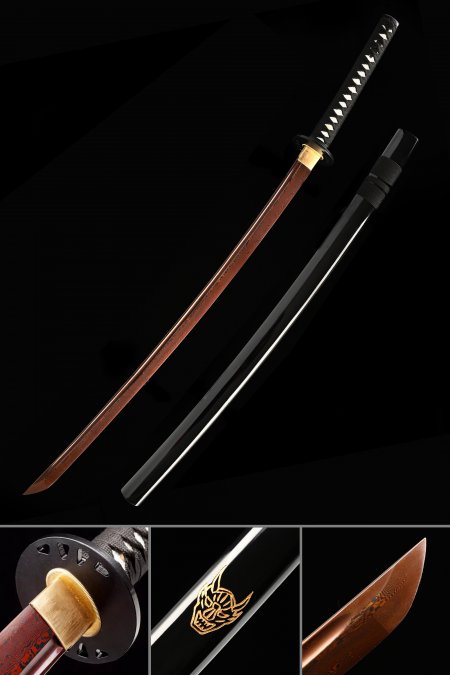
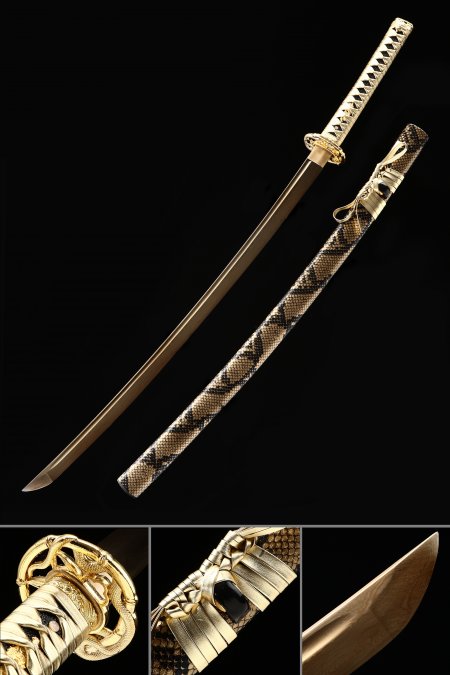
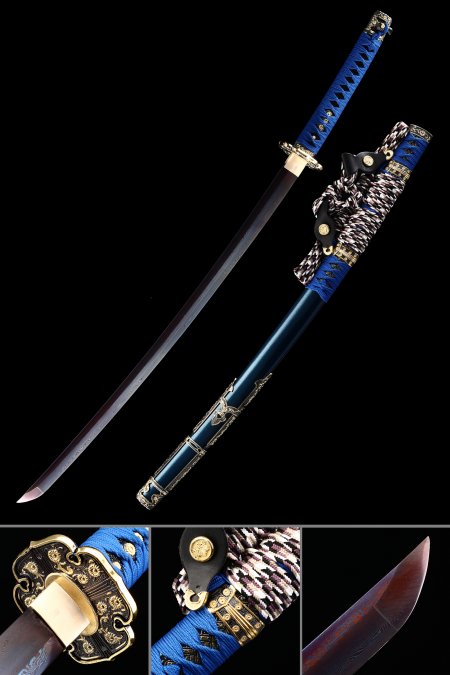
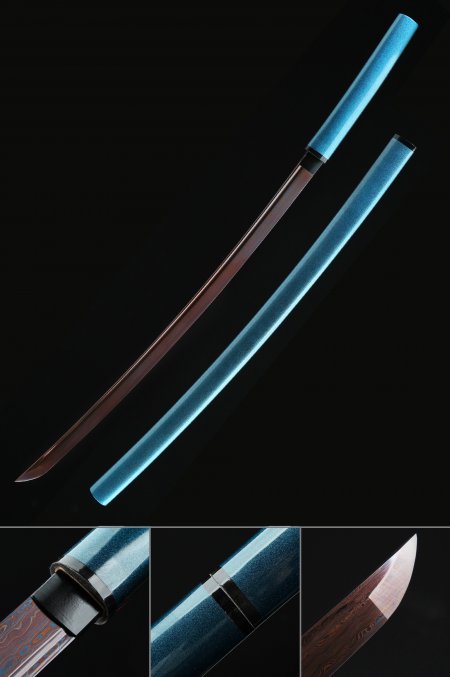
Standard high-carbon steel katana — typically made from 1045, 1060, or 1095 steel — have a uniform, homogenous grain structure that produces a consistent, clean blade finish. The surface appearance is largely determined by polish level and hamon (temper line) visibility. Damascus katana, by contrast, derive their surface character from the layered material itself rather than polish or heat treatment alone. This means the visual complexity is built into the steel, not applied afterward. For display purposes, Damascus pieces tend to have stronger visual presence at medium distances, where the patterning is easily readable. For collectors primarily interested in hamon aesthetics and classical polish, high-carbon monosteel katana may be preferable. Both are legitimate collectible categories, and many serious collectors maintain examples of each.