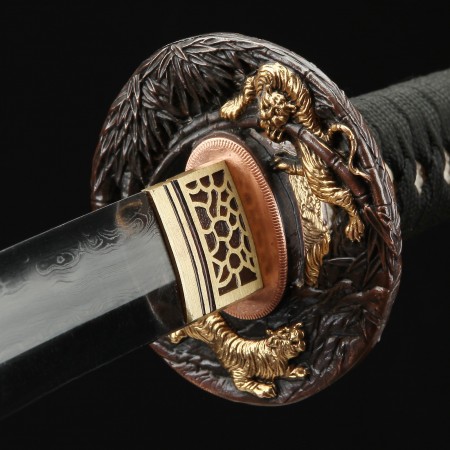
What makes Damascus steel visually distinct on a naginata blade?

 Updated Mar 2026

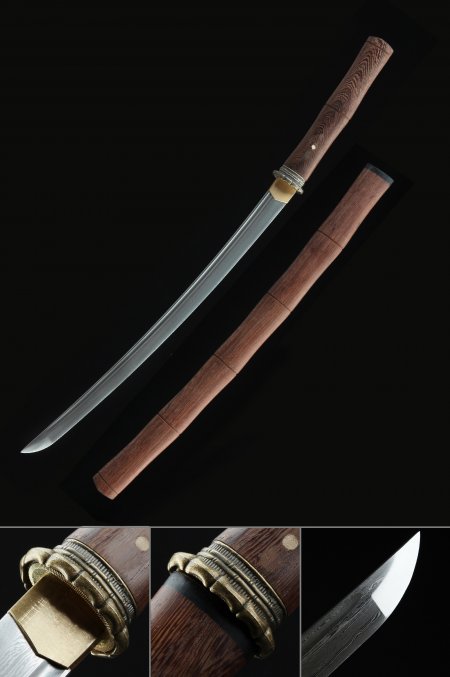
Damascus, or pattern-welded, steel is produced by forge-welding multiple layers of steel with differing carbon content, then folding and drawing the billet repeatedly. As the smith works the steel, the two alloys intermix into flowing, organic lines that become visible after etching and polishing. On a naginata blade — which is longer and more gently curved than a katana — this grain pattern has more surface area to develop across, creating a visual rhythm that travels the full length of the blade. Because the pattern emerges from the physical structure of the steel rather than from surface treatment, it cannot wear off or be replicated by acid etching alone. Each billet produces a genuinely unique pattern, which is a central part of the collectible appeal.
Popular Products

20% OFFblack katana
159.00 USD
199.00 USD
15% OFFshikomizue sword
229.00 USD
269.00 USD
20% OFFdamascus katana
619.00 USD
769.00 USD
15% OFFshort katana
199.00 USD
239.00 USD
20% OFFdamascus katana
279.00 USD
349.00 USD
15% OFFkatana sword
199.00 USD
229.00 USD
15% OFFblack katana
179.00 USD
209.00 USD
15% OFFww2 wakizashi
169.00 USD
199.00 USD
20% OFFdamascus katana
329.00 USD
409.00 USD
20% OFFjapanese katana
229.00 USD
289.00 USD
15% OFFshirasaya katana
209.00 USD
249.00 USD
20% OFFdamascus katana
309.00 USD
389.00 USD
20% OFFblack katana
159.00 USD
199.00 USD
15% OFFshikomizue sword
229.00 USD
269.00 USD
20% OFFdamascus katana
619.00 USD
769.00 USD
15% OFFshort katana
199.00 USD
239.00 USD
20% OFFdamascus katana
279.00 USD
349.00 USD
15% OFFkatana sword
199.00 USD
229.00 USD
15% OFFblack katana
179.00 USD
209.00 USD
15% OFFww2 wakizashi
169.00 USD
199.00 USD
20% OFFdamascus katana
329.00 USD
409.00 USD
20% OFFjapanese katana
229.00 USD
289.00 USD
15% OFFshirasaya katana
209.00 USD
249.00 USD
20% OFFdamascus katana
309.00 USD
389.00 USD

Explore Our Collections