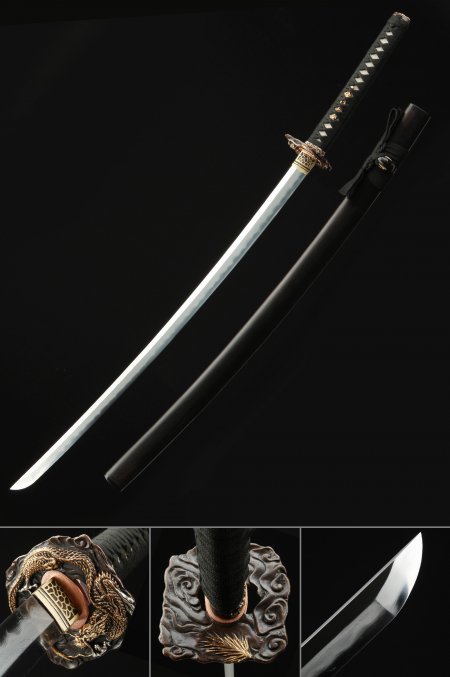
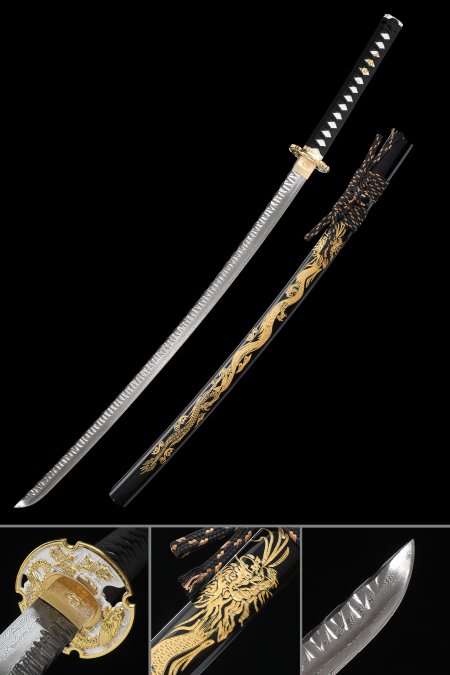
What makes Damascus steel visually distinct on a tanto blade?

 Updated Mar 2026

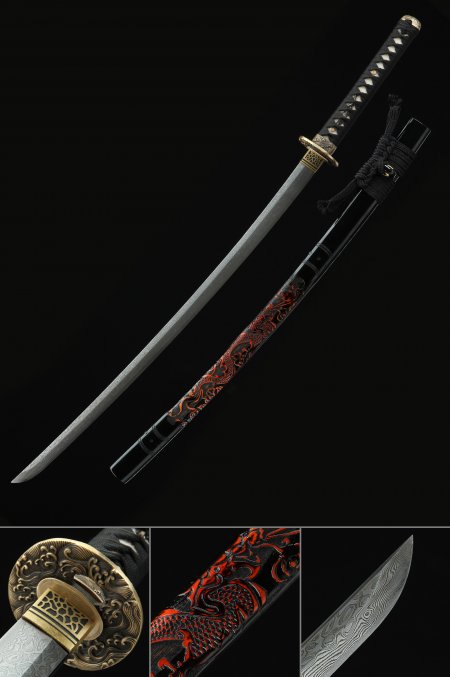
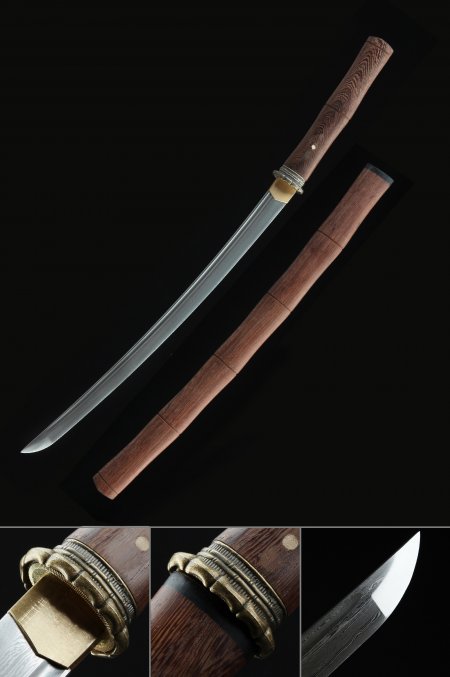
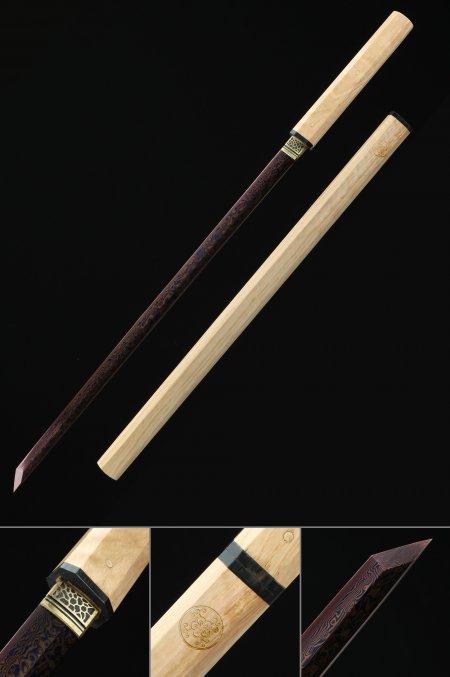
Damascus steel is produced by forge-welding alternating layers of high-carbon and low-carbon steel, then folding and drawing out the billet repeatedly. This process creates a flowing grain pattern across the blade surface - often described as woodgrain, ladder, or raindrop depending on the manipulation technique used. When the blade is etched with acid during finishing, the differing carbon concentrations react at different rates, revealing the pattern in high contrast. Because each billet is worked by hand, no two Damascus tantos carry an identical surface pattern. On a tanto specifically, the shorter blade length means the full design is immediately visible without the eye having to travel far - making the patterning feel especially concentrated and dramatic.
Popular Products

20% OFFtachi sword
249.00 USD
309.00 USD
15% OFFww2 wakizashi
169.00 USD
199.00 USD
20% OFFdamascus katana
309.00 USD
389.00 USD
20% OFFsamurai sword
289.00 USD
359.00 USD
15% OFFblack katana
179.00 USD
209.00 USD
20% OFFjapanese katana
229.00 USD
289.00 USD
20% OFFdamascus katana
329.00 USD
409.00 USD
15% OFFshort katana
199.00 USD
239.00 USD
15% OFFshikomizue sword
229.00 USD
269.00 USD
15% OFFgolden katana
199.00 USD
229.00 USD
20% OFFdamascus katana
619.00 USD
769.00 USD
20% OFFdamascus katana
279.00 USD
349.00 USD
20% OFFtachi sword
249.00 USD
309.00 USD
15% OFFww2 wakizashi
169.00 USD
199.00 USD
20% OFFdamascus katana
309.00 USD
389.00 USD
20% OFFsamurai sword
289.00 USD
359.00 USD
15% OFFblack katana
179.00 USD
209.00 USD
20% OFFjapanese katana
229.00 USD
289.00 USD
20% OFFdamascus katana
329.00 USD
409.00 USD
15% OFFshort katana
199.00 USD
239.00 USD
15% OFFshikomizue sword
229.00 USD
269.00 USD
15% OFFgolden katana
199.00 USD
229.00 USD
20% OFFdamascus katana
619.00 USD
769.00 USD
20% OFFdamascus katana
279.00 USD
349.00 USD

Explore Our Collections