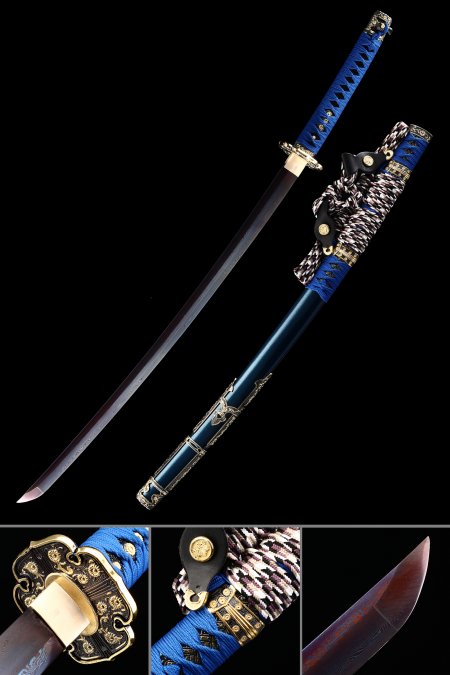
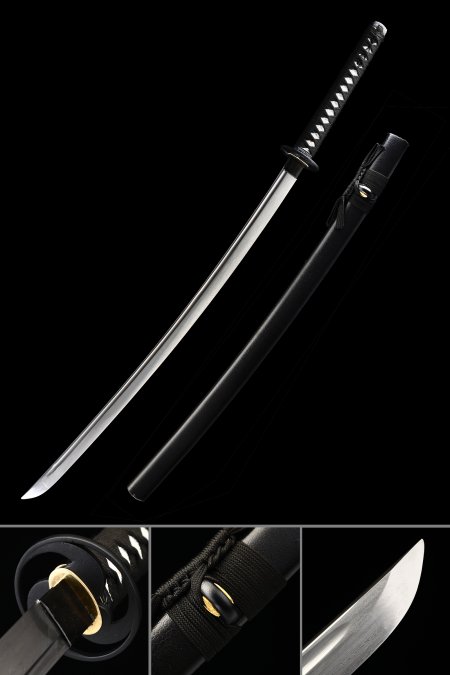
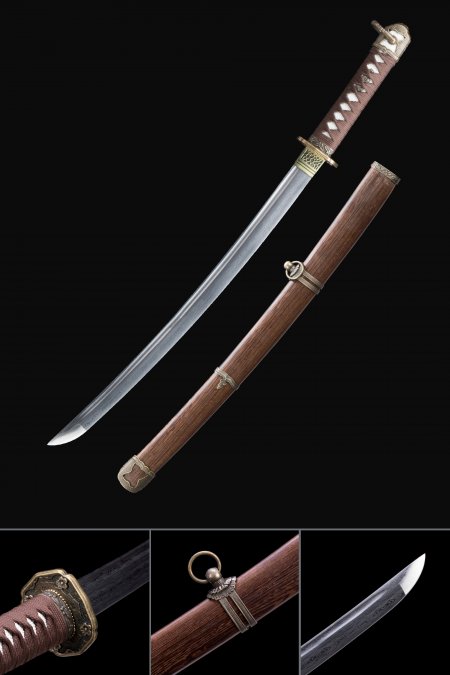
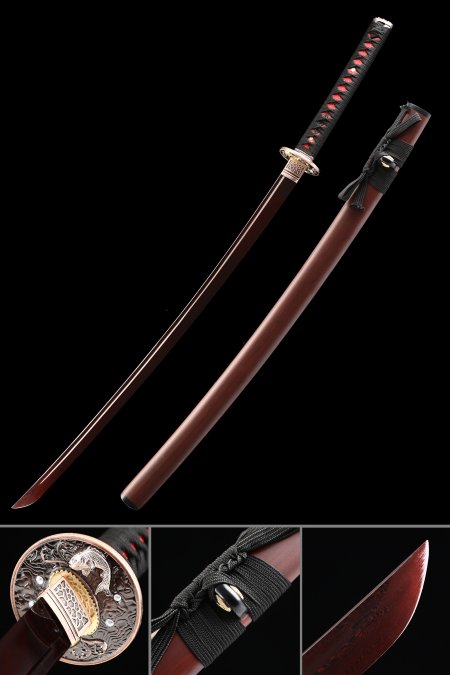
What is Damascus steel, and why does every blade look different?
Updated Mar 2026
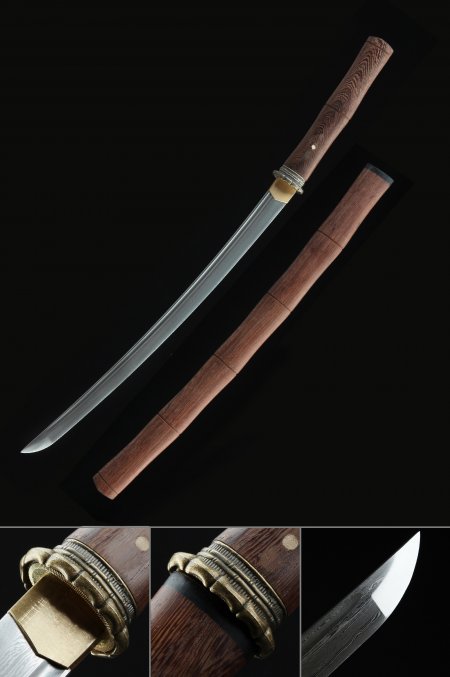
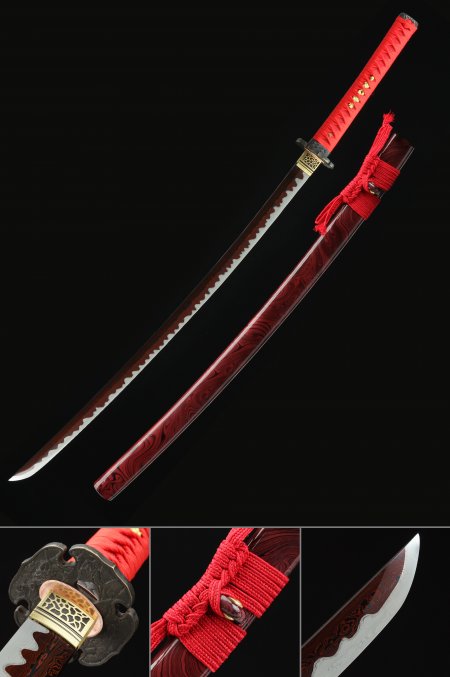
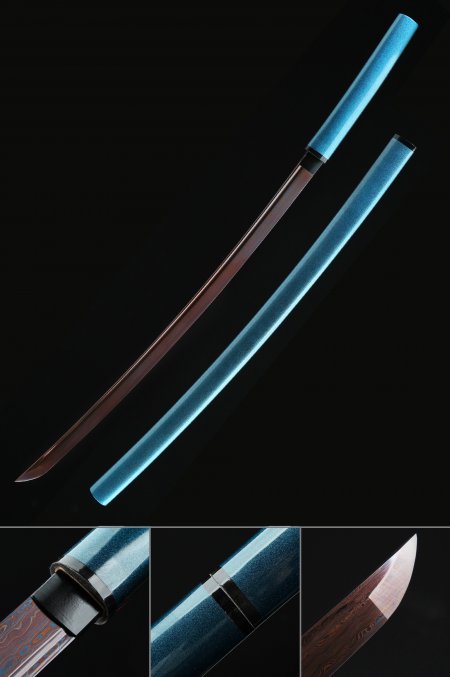
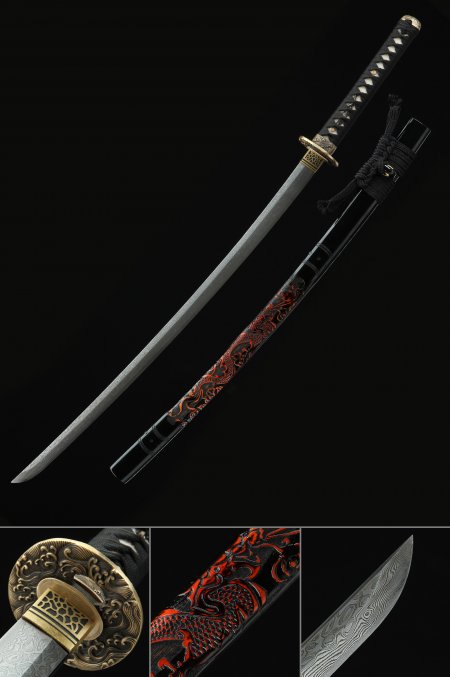
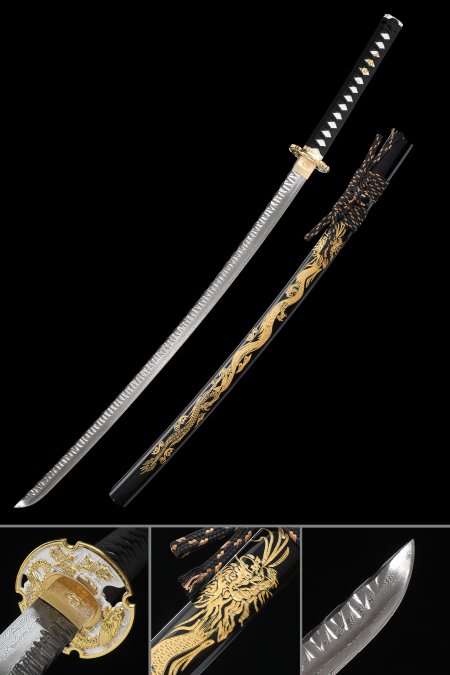
Damascus steel in this context refers to a pattern-welded construction: two or more steel alloys with differing carbon content are stacked, heated, and folded together multiple times. The mechanical working at high temperature causes the layers to elongate and flow, creating the distinctive banded or watered grain pattern visible on the finished blade surface. Because each fold sequence is done by hand and the metal moves organically under the hammer, the resulting hada — the surface grain — is unrepeatable. Two blades forged from the same billet will still show meaningfully different patterns. For collectors, this makes each piece genuinely one-of-a-kind rather than a production duplicate.