What does the flame hamon on some blades actually represent?
Updated Mar 2026
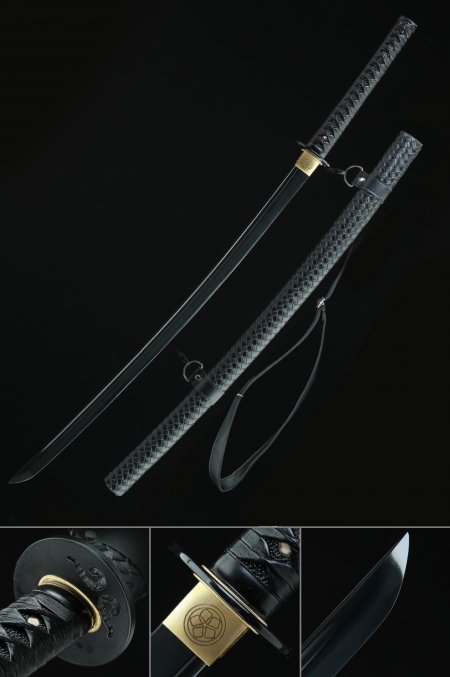
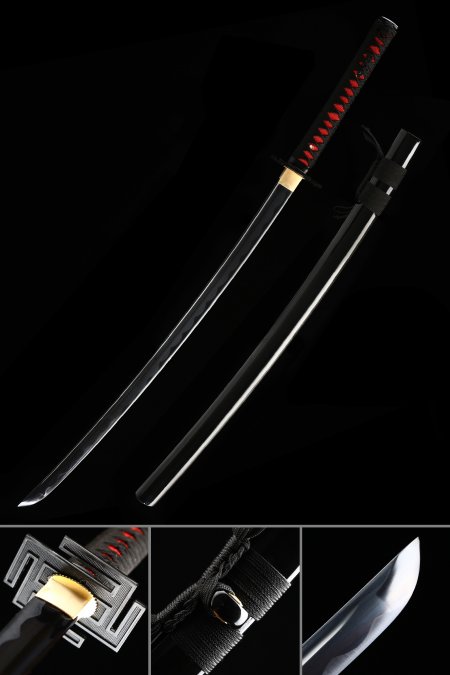
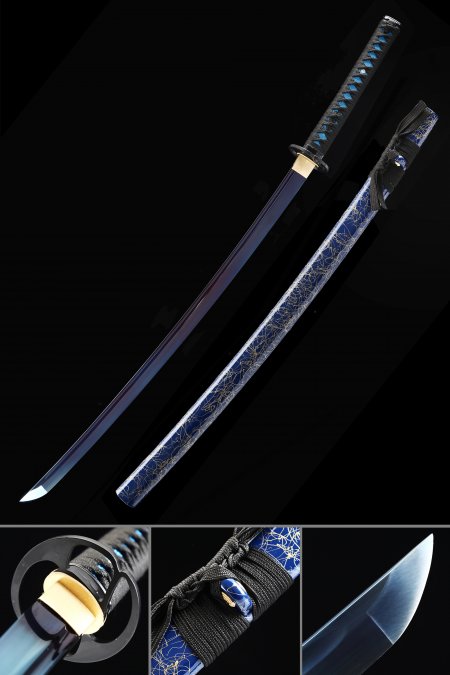
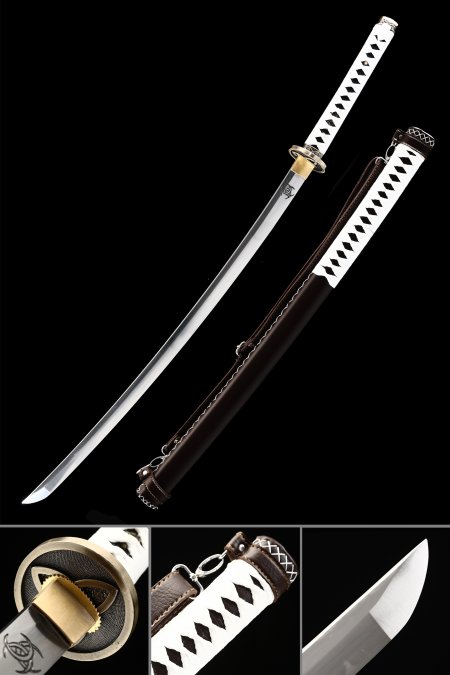
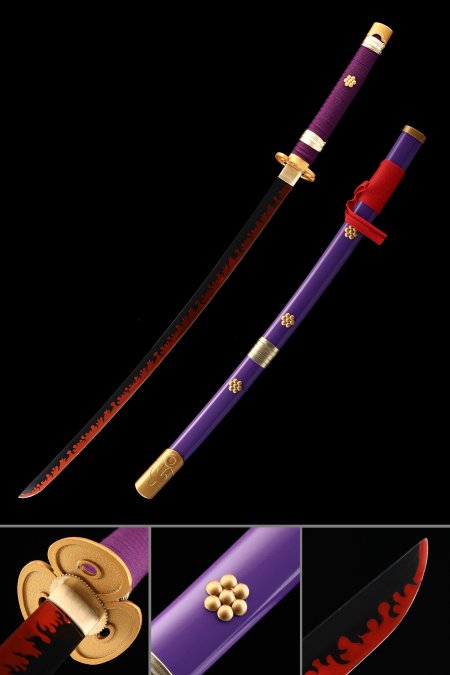
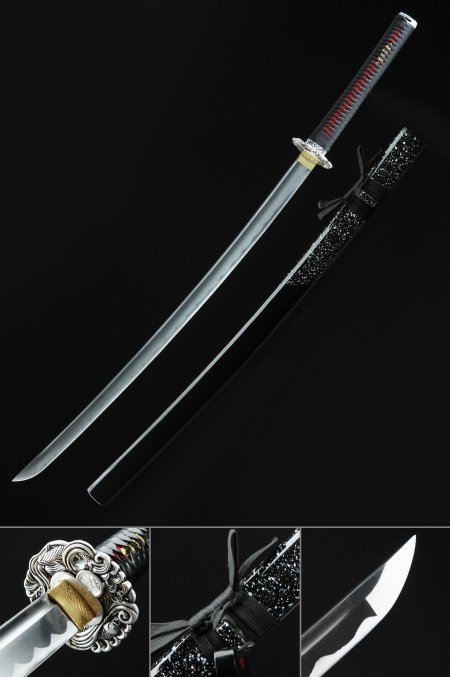
A hamon is the visible line that marks the boundary between the hardened edge zone and the softer spine of a traditionally treated blade. On authentic nihonto, this line forms naturally during differential clay tempering. On collectible katana, skilled craftsmen replicate this aesthetic through finishing techniques that produce the same undulating visual effect. A flame hamon specifically features a dramatically irregular, wave-like pattern along the boundary — more dynamic than the classical suguha (straight) hamon and more turbulent than a standard notare (gentle wave). Under directional lighting, a flame hamon shifts in appearance, making it one of the most visually active details on a display blade and a genuine point of interest for collectors who study a piece closely over time.