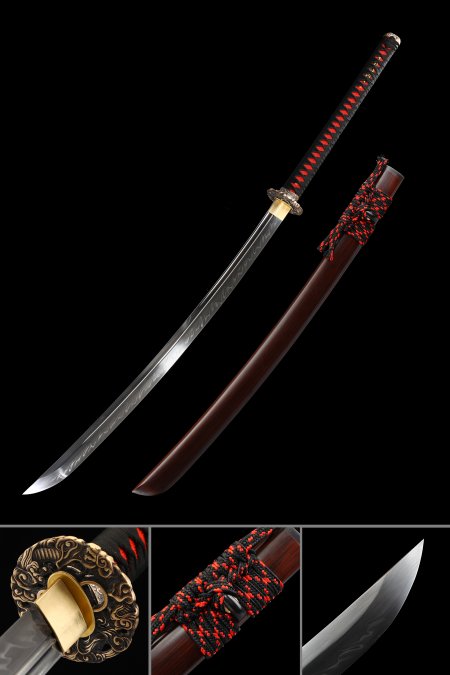
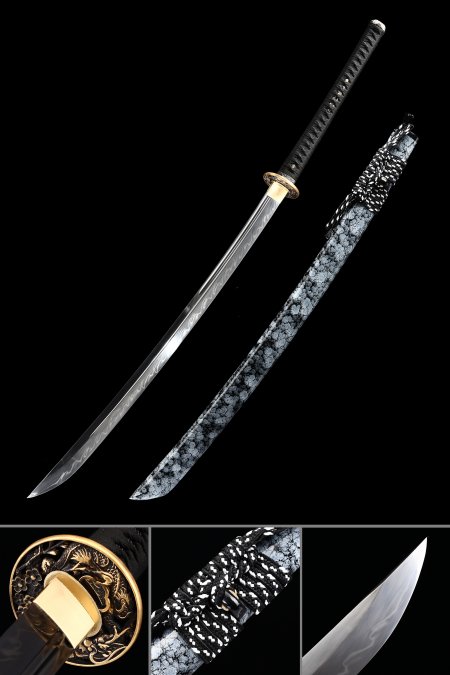
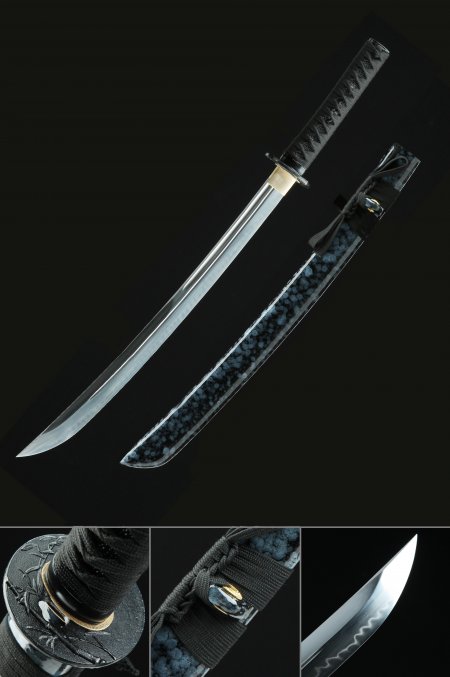
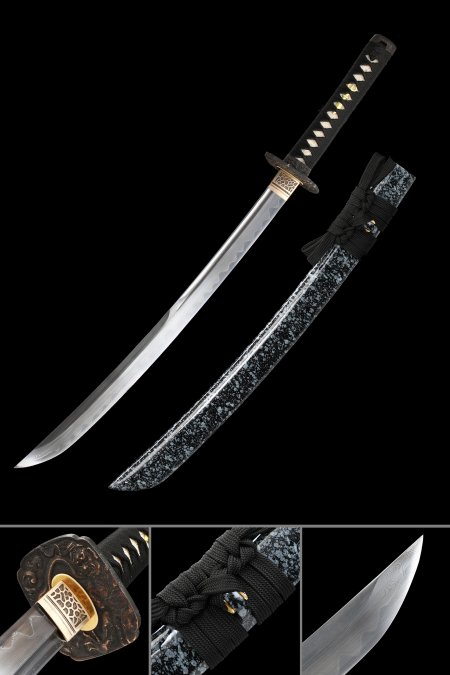
What makes the gold black tsuba significant on a naginata?
Updated Mar 2026
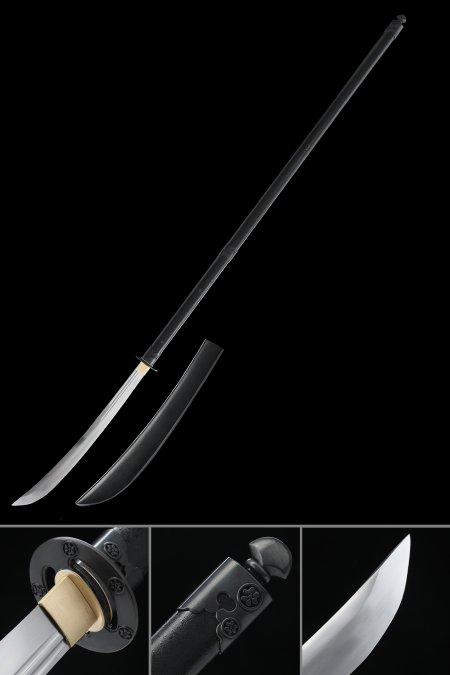
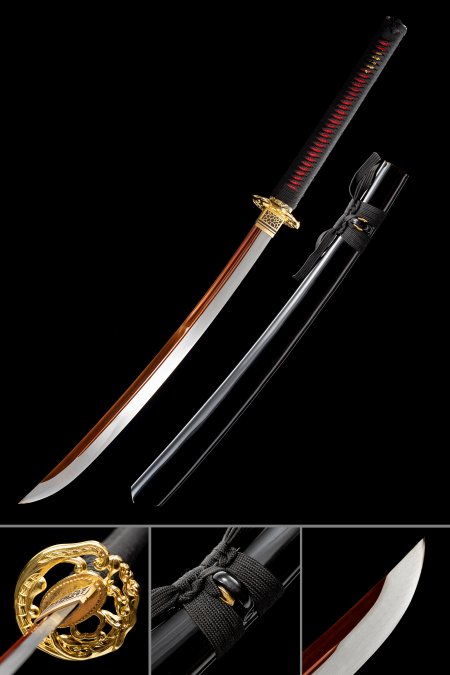
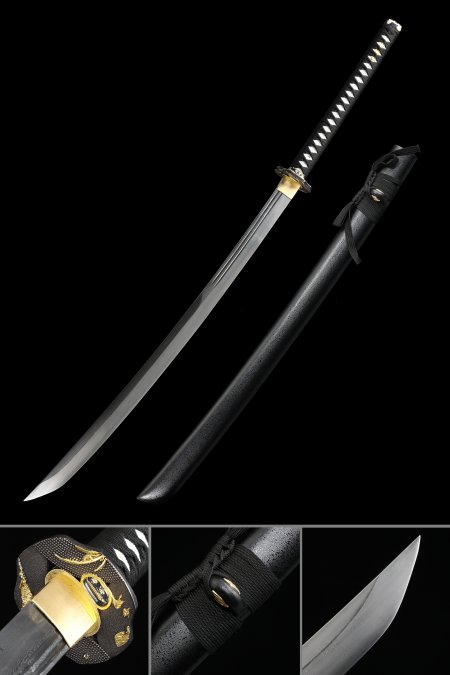
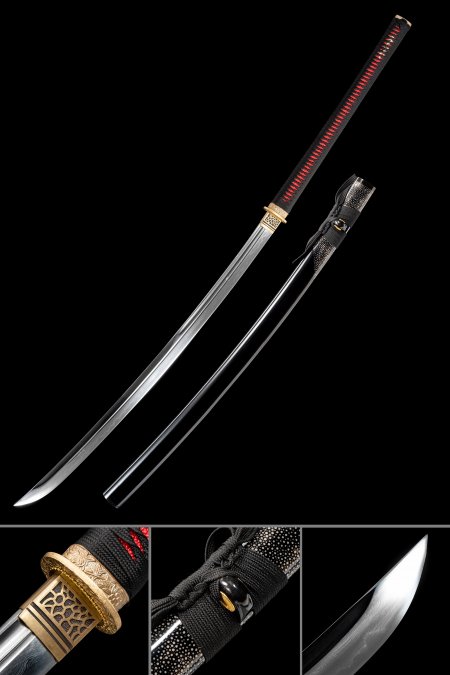
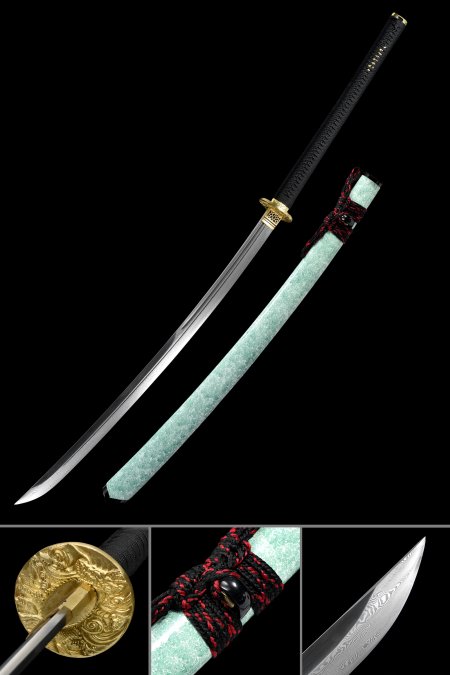
On a naginata, the tsuba sits at the junction between the blade and the handle, making it one of the most visually prominent fittings on the assembled piece. A gold-and-black tsuba uses contrasting metal finishes - typically a blackened iron or steel base with gilded surface treatment - to create a focal point that draws the eye and references historical Japanese metalwork traditions like nunome-zogan inlay and shakudo alloy work. For collectors, this two-tone treatment elevates the tsuba from a purely structural component to a decorative statement, and it pairs particularly well with both lacquered and textured saya finishes. The contrast also photographs exceptionally well, which matters to collectors who display and document their pieces.