How does a blue-bladed katana differ from a traditionally polished one?
Updated Mar 2026
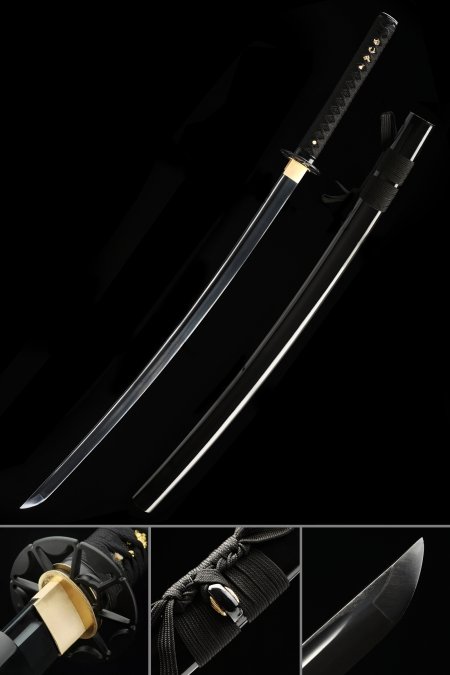
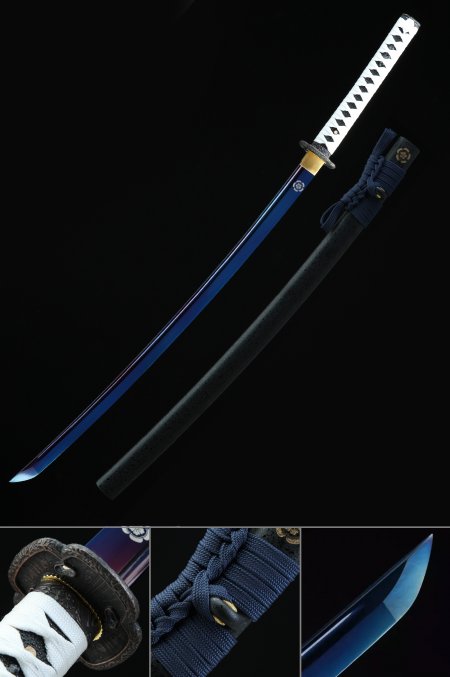
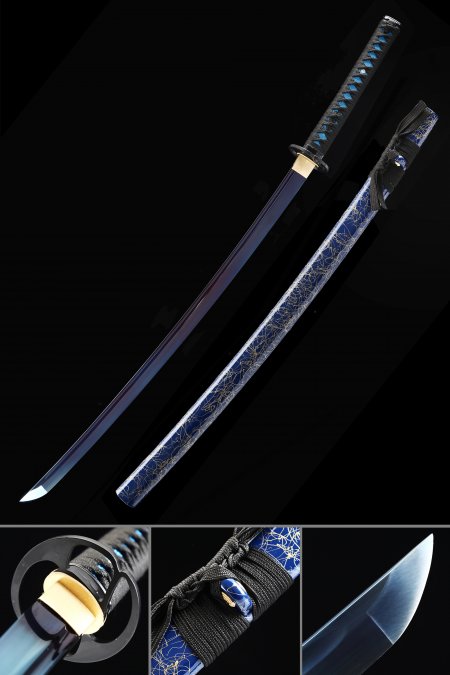
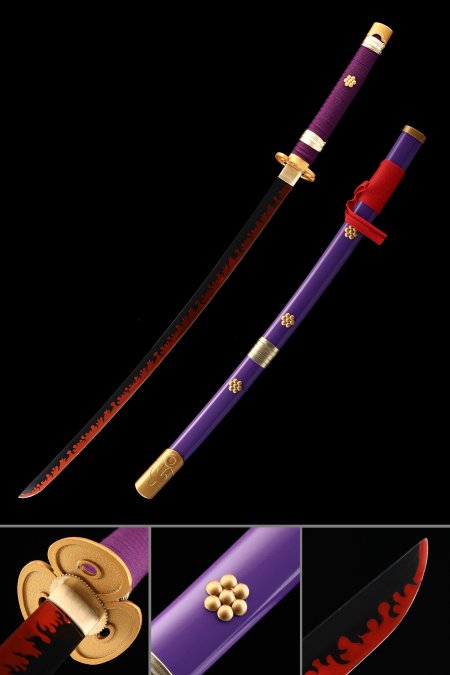
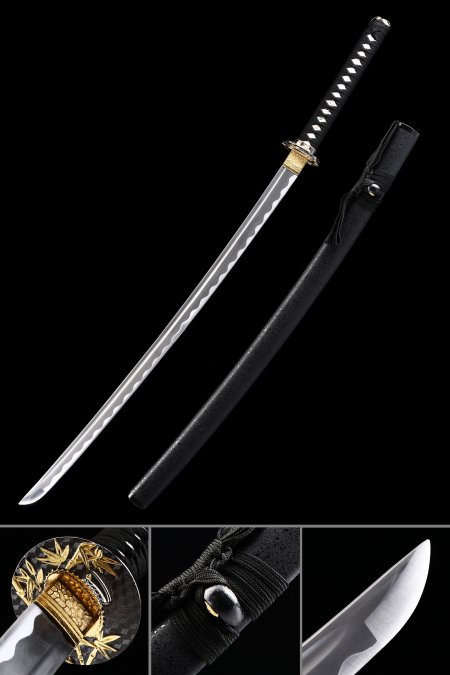
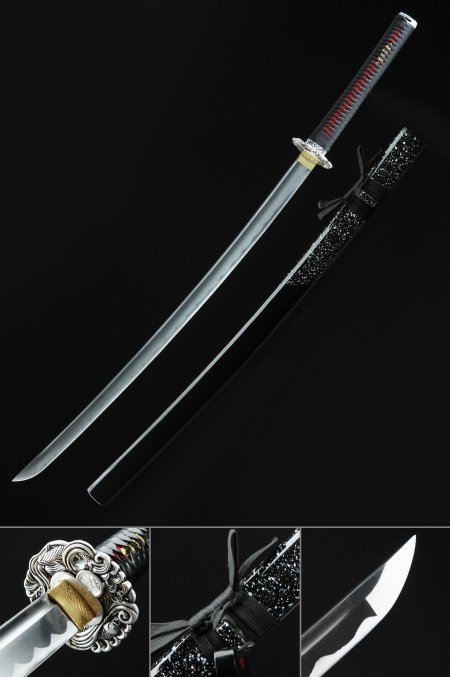
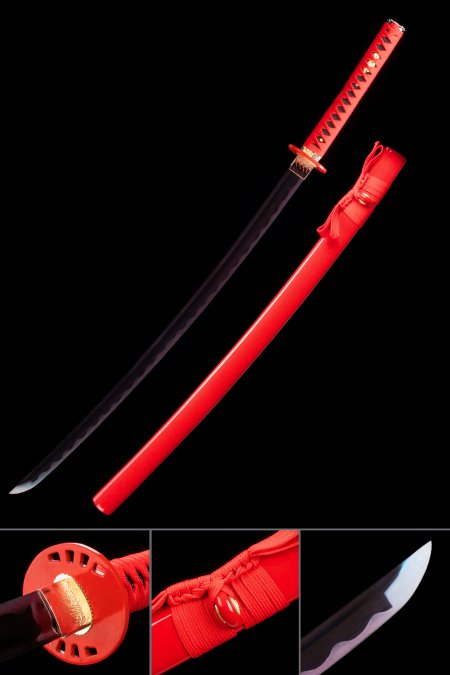
A traditionally polished katana blade is brought through progressively finer polishing stones until the steel surface achieves a mirror or satin finish that reveals the hada (grain pattern) and, on differentially hardened blades, the hamon (temper line). A blue-bladed katana undergoes the same forging and initial shaping process, but instead of a final polishing stage, the surface is treated to produce the oxidation-based blue color. The result is a blade with a distinct visual character — darker, more dramatic, and highly reflective in a different spectral range than polished silver steel. For display collectors, the choice is largely aesthetic, though blue-treated blades can be slightly more forgiving of minor surface handling marks since the darker finish conceals fine scratches more effectively.