What does a real hamon on a T10 tachi blade indicate?

 Updated Mar 2026

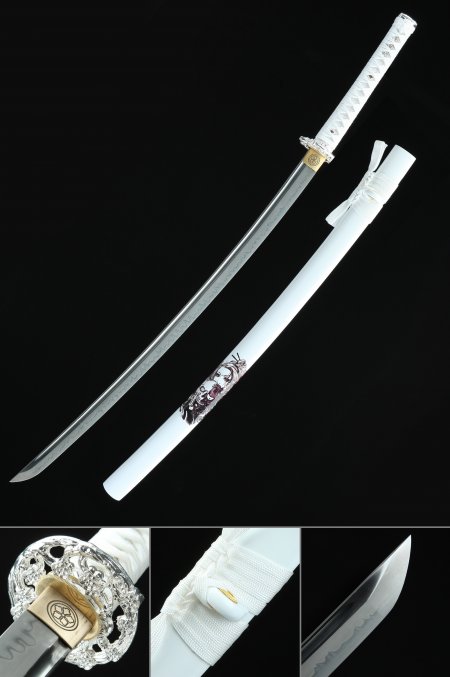
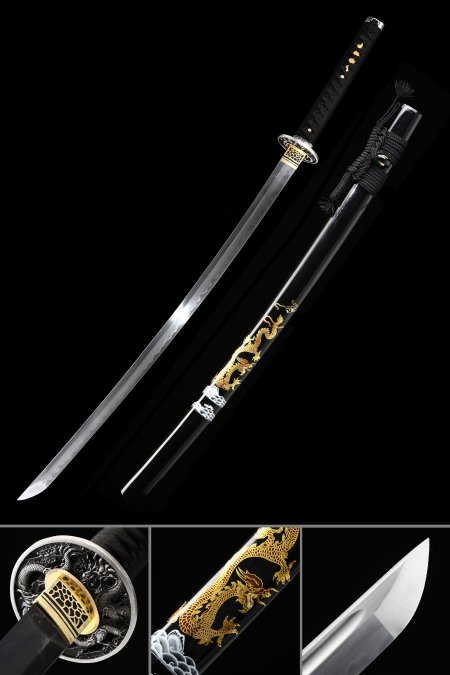
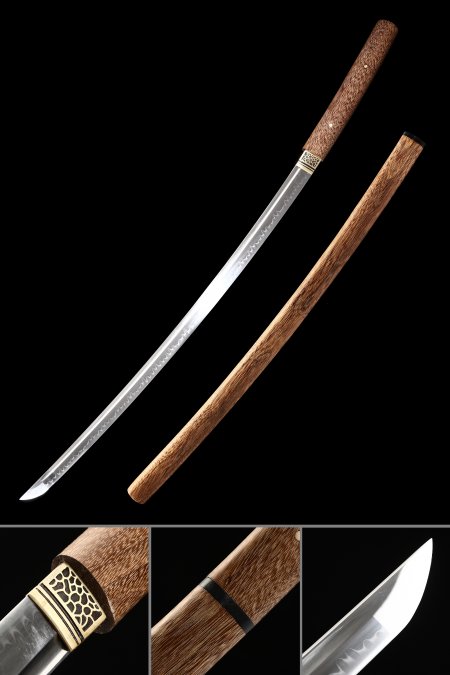
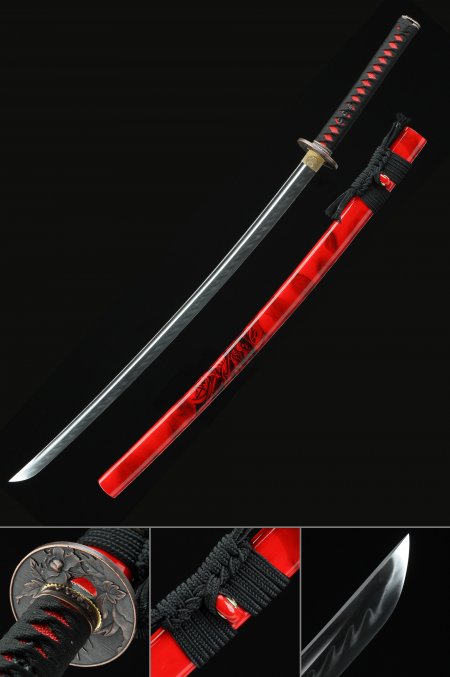
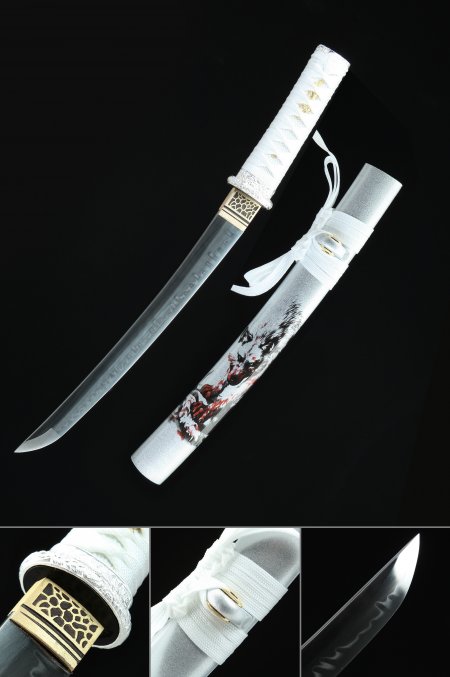
A genuine hamon is the direct visual record of the clay-tempering process. Before quenching, the smith applies a thicker layer of clay toward the spine and a thinner layer near the edge. The differential cooling rates create two distinct crystalline zones in the steel—a hard martensitic edge and a tougher pearlitic spine—and the boundary between them becomes visible as the hamon after polishing. On T10 steel, this line often displays nie (granular crystalline activity) and a well-defined transition that is absent on blades that are simply acid-etched to simulate the effect. When purchasing a collectible tachi, a real hamon is one of the clearest indicators that genuine differential heat treatment was performed.
Popular Products

15% OFFtanto sword
149.00 USD
179.00 USD
20% OFFwakizashi sword
219.00 USD
279.00 USD
20% OFFshirasaya katana
209.00 USD
259.00 USD
15% OFFtanto sword
179.00 USD
209.00 USD
15% OFFshirasaya tanto
149.00 USD
179.00 USD
15% OFFred katana
199.00 USD
229.00 USD
20% OFFfull tang katana
319.00 USD
399.00 USD
20% OFFblack katana
209.00 USD
259.00 USD
20% OFFshirasaya wakizashi
219.00 USD
269.00 USD
20% OFF
259.00 USD
329.00 USD
20% OFFshirasaya wakizashi
179.00 USD
219.00 USD
15% OFFwhite katana
209.00 USD
249.00 USD
15% OFFtanto sword
149.00 USD
179.00 USD
20% OFFwakizashi sword
219.00 USD
279.00 USD
20% OFFshirasaya katana
209.00 USD
259.00 USD
15% OFFtanto sword
179.00 USD
209.00 USD
15% OFFshirasaya tanto
149.00 USD
179.00 USD
15% OFFred katana
199.00 USD
229.00 USD
20% OFFfull tang katana
319.00 USD
399.00 USD
20% OFFblack katana
209.00 USD
259.00 USD
20% OFFshirasaya wakizashi
219.00 USD
269.00 USD
20% OFF
259.00 USD
329.00 USD
20% OFFshirasaya wakizashi
179.00 USD
219.00 USD
15% OFFwhite katana
209.00 USD
249.00 USD

Explore Our Collections