What makes damascus steel visually unique on a wakizashi?

 Updated Mar 2026

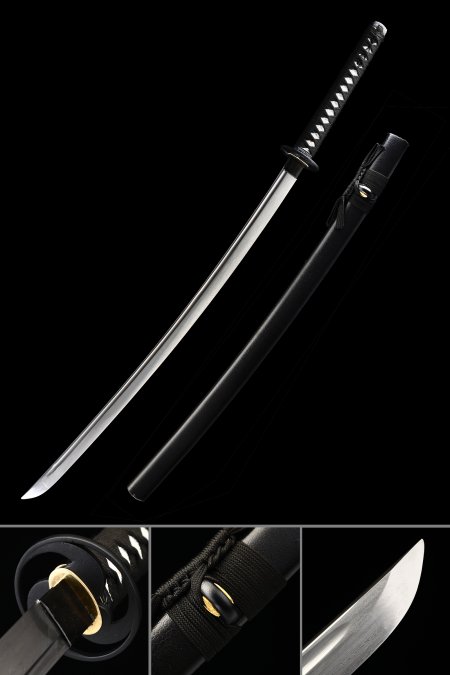
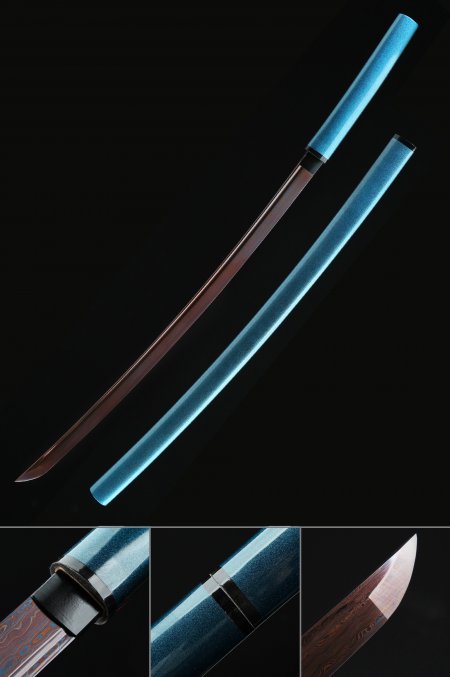
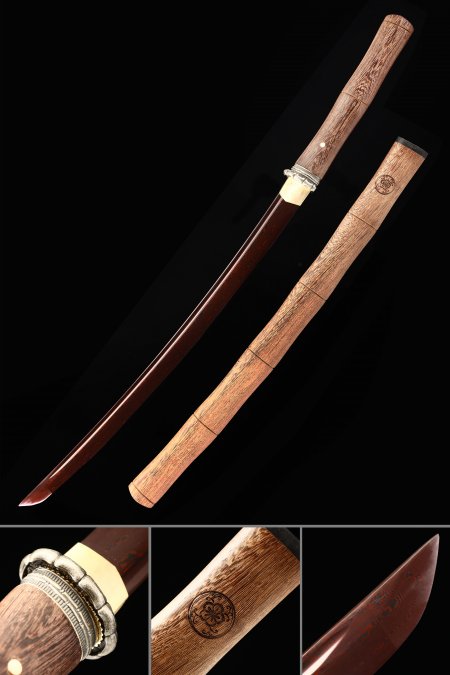
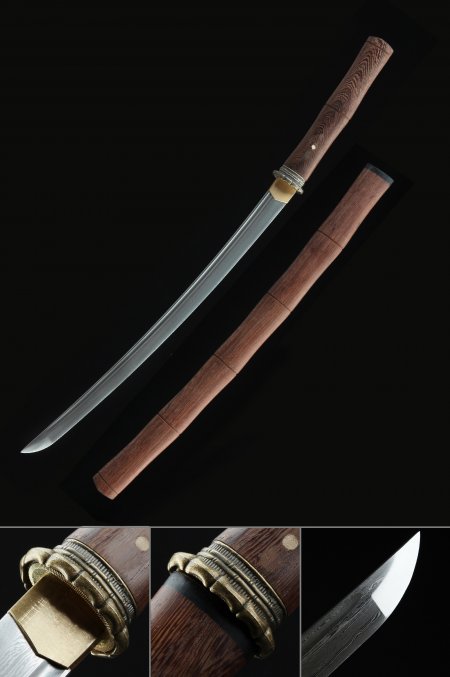
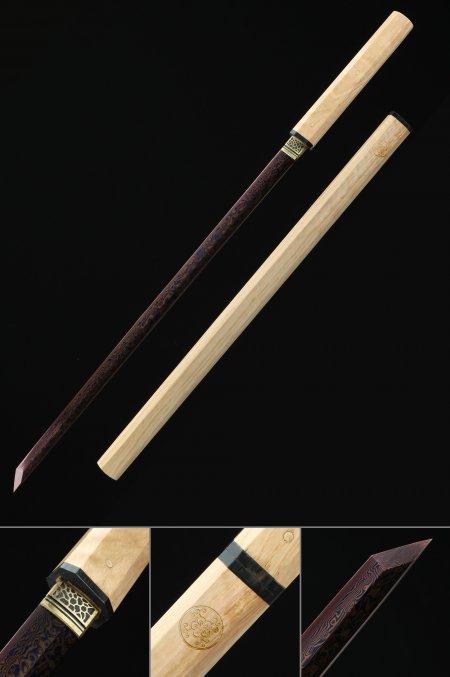
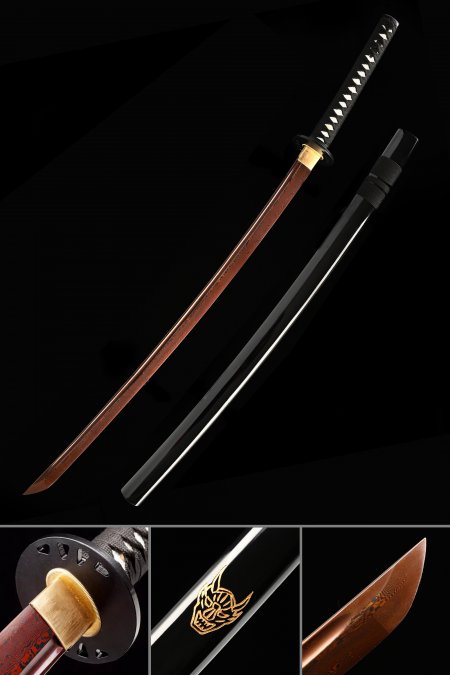
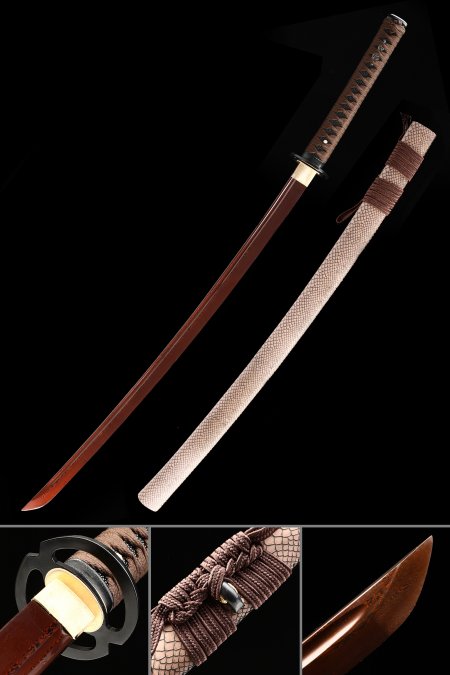
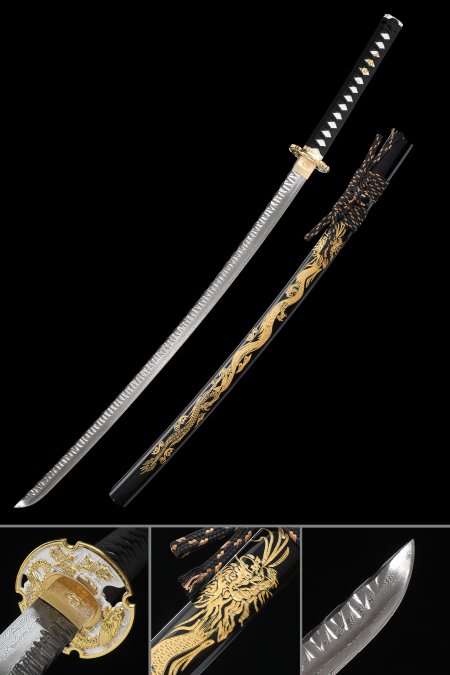
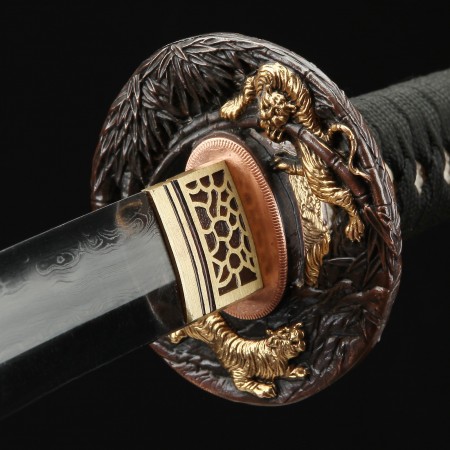
Damascus steel blades - technically pattern-welded steel in modern production - are made by folding and forge-welding multiple layers of high-carbon steel and softer alloys. After forging, the blade is ground, polished, and etched in an acid solution, which reacts differently with each layer and brings out the flowing grain-like patterns beneath the surface. Because the folding process is done by hand, no two blades produce identical patterns. On a wakizashi, where the blade is shorter and the viewing distance is typically closer than a full-length katana, these surface details are especially visible and appreciated by collectors. Some blades in this category also feature color-enhanced finishes - such as deep red tones from controlled oxidation - which interact with the layered patterns to create an even more striking visual effect.
Popular Products

20% OFFsamurai sword
289.00 USD
359.00 USD
15% OFFreal katana
649.00 USD
769.00 USD
15% OFFblack katana
179.00 USD
209.00 USD
15% OFFshirasaya katana
209.00 USD
249.00 USD
20% OFFmodern wakizashi
209.00 USD
259.00 USD
15% OFFshort katana
199.00 USD
239.00 USD
15% OFFshikomizue sword
229.00 USD
269.00 USD
15% OFFkill bill sword
199.00 USD
229.00 USD
15% OFFgolden katana
199.00 USD
229.00 USD
15% OFFkatana sword
199.00 USD
229.00 USD
20% OFFdamascus katana
279.00 USD
349.00 USD
20% OFFdamascus katana
619.00 USD
769.00 USD
20% OFFsamurai sword
289.00 USD
359.00 USD
15% OFFreal katana
649.00 USD
769.00 USD
15% OFFblack katana
179.00 USD
209.00 USD
15% OFFshirasaya katana
209.00 USD
249.00 USD
20% OFFmodern wakizashi
209.00 USD
259.00 USD
15% OFFshort katana
199.00 USD
239.00 USD
15% OFFshikomizue sword
229.00 USD
269.00 USD
15% OFFkill bill sword
199.00 USD
229.00 USD
15% OFFgolden katana
199.00 USD
229.00 USD
15% OFFkatana sword
199.00 USD
229.00 USD
20% OFFdamascus katana
279.00 USD
349.00 USD
20% OFFdamascus katana
619.00 USD
769.00 USD

Explore Our Collections