How does a ninjato differ from a katana as a collectible?
Updated Mar 2026
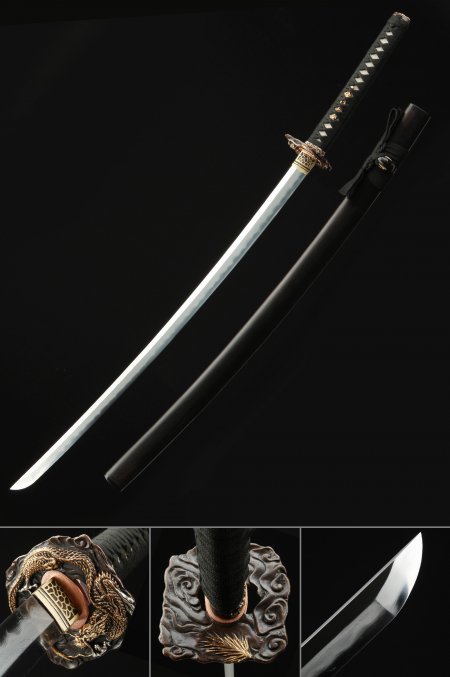
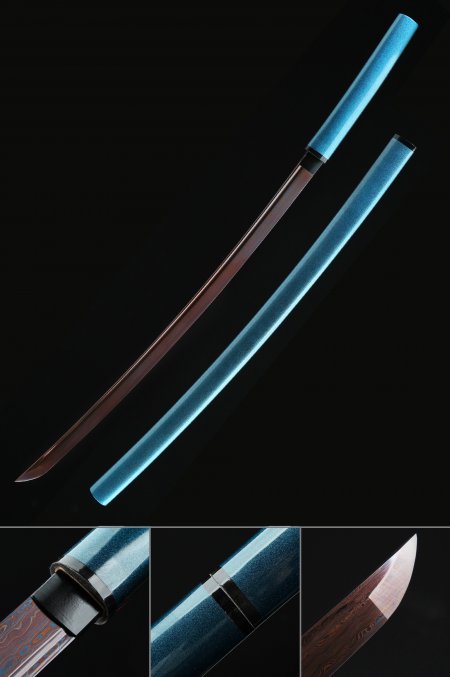
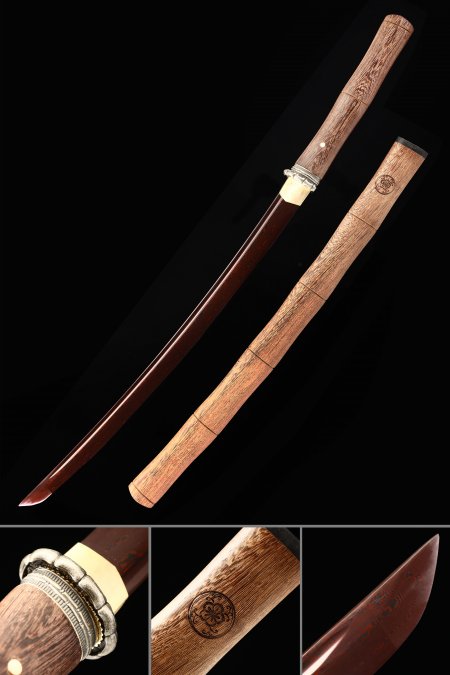
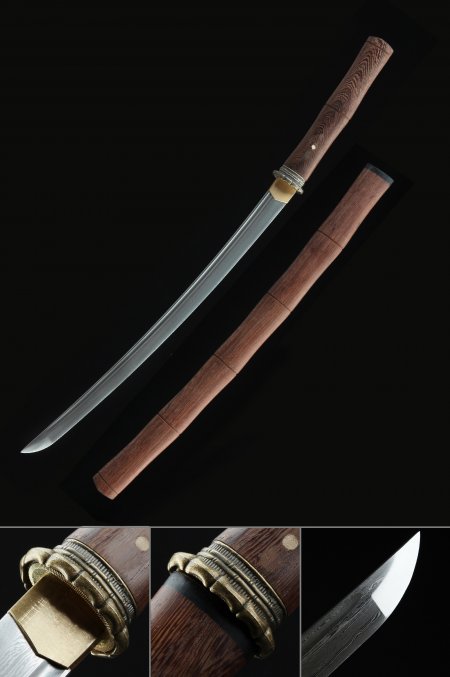
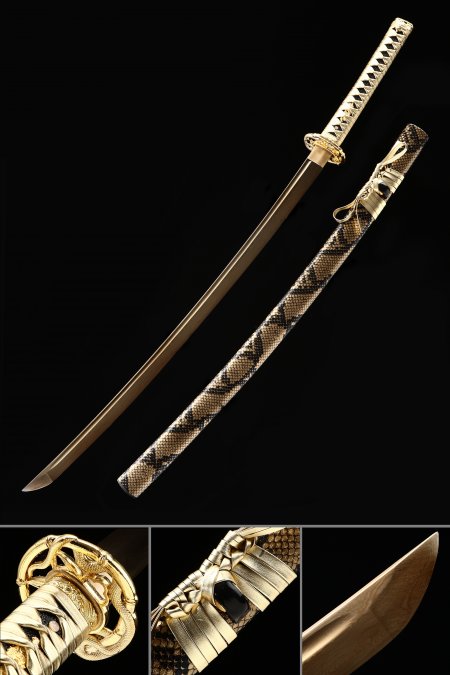
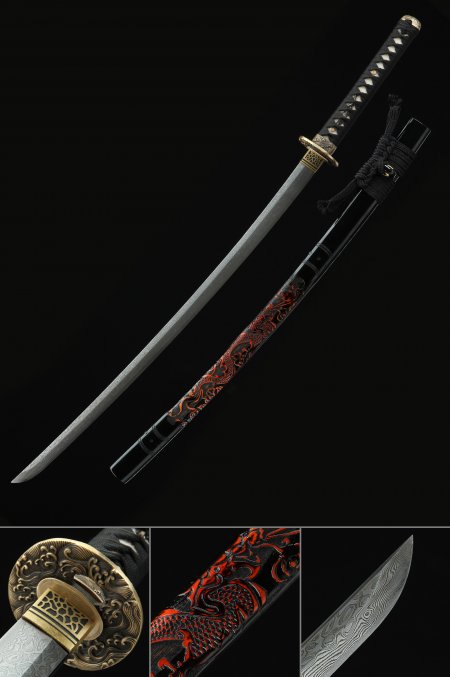
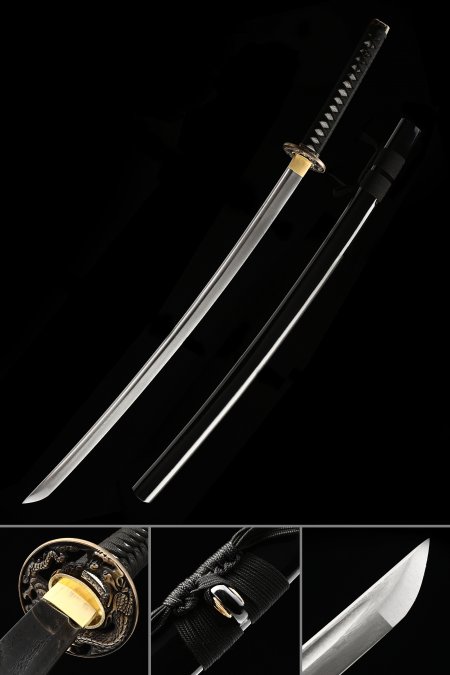
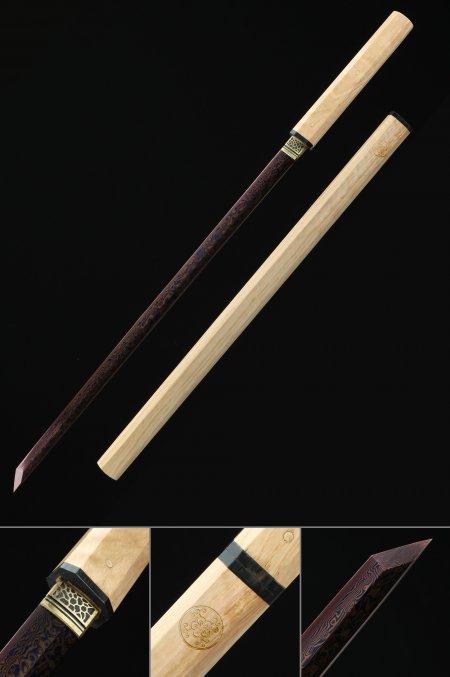
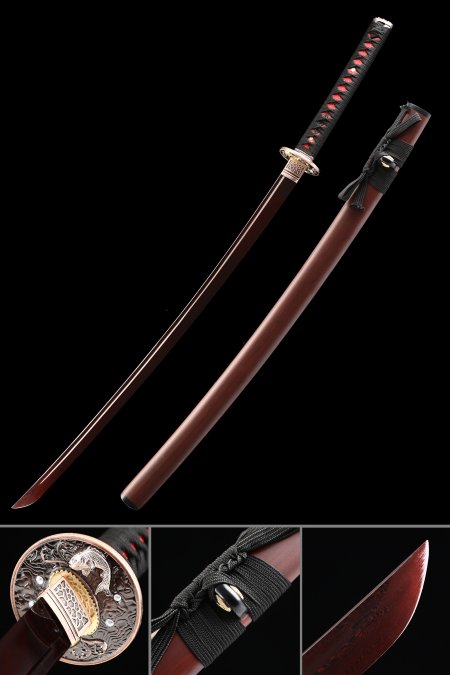
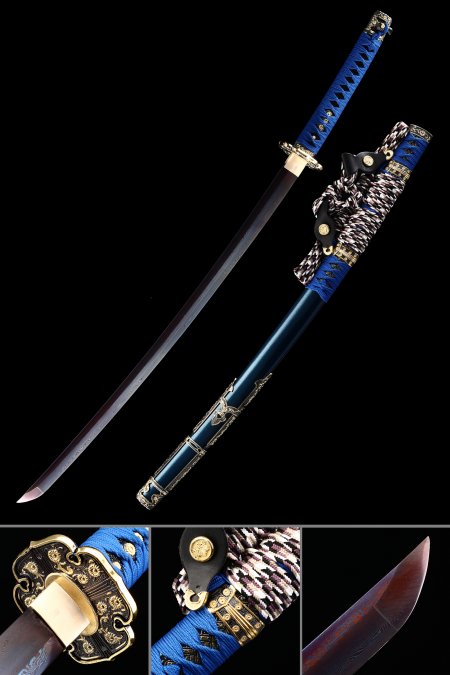
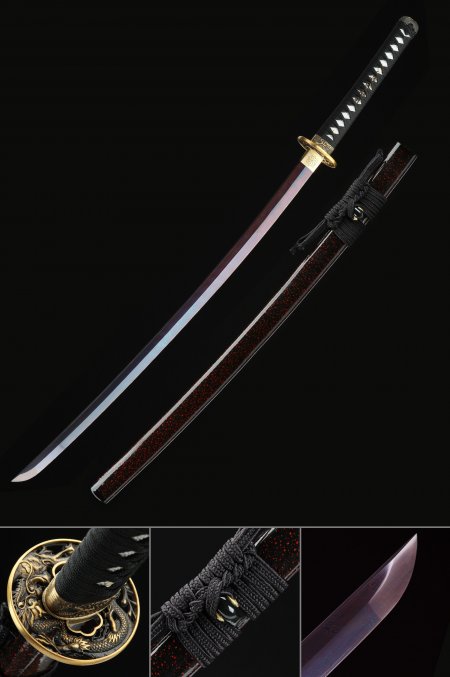
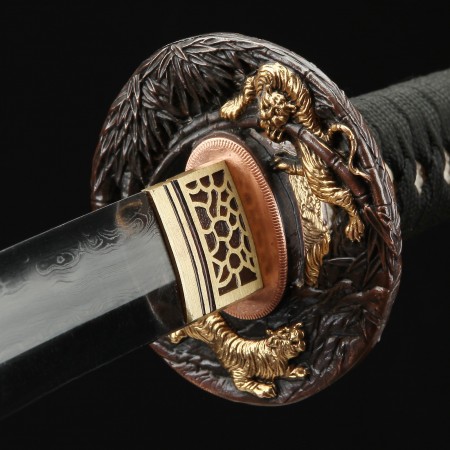
The katana is defined by its pronounced curved blade and was historically associated with the samurai class, making it the most widely recognized form in Japanese sword collecting. The ninjato, by contrast, features a straighter blade profile and a more compact overall length, giving it a distinctly different silhouette that appeals to collectors interested in the broader range of Japanese blade traditions. From a display perspective, the ninjato's straight or minimally curved geometry creates strong, architectural lines that contrast nicely with the flowing curvature of a katana when pieces are displayed together. The tsuba and handle proportions also tend to differ, with ninjato fittings often carrying a more angular, graphic quality. Collectors who appreciate variety in their arrangements frequently pair ninjato pieces with Damascus steel katana to highlight these stylistic contrasts.