What gives a Damascus tanto its unique blade pattern?
Updated Mar 2026
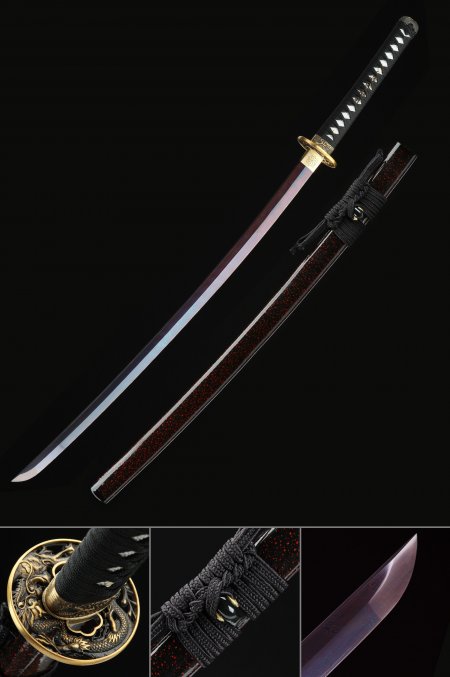
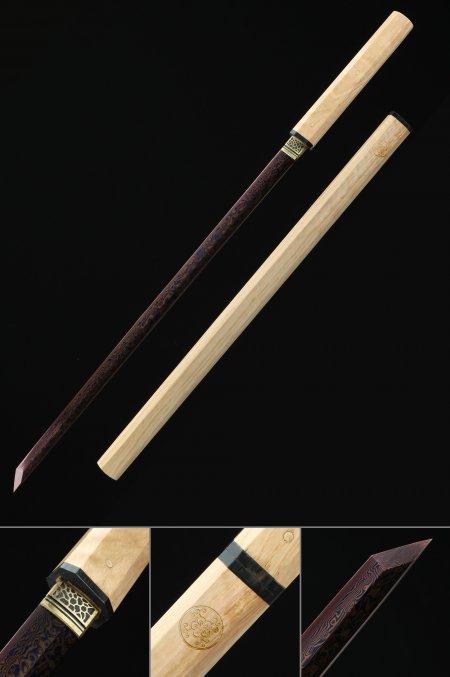
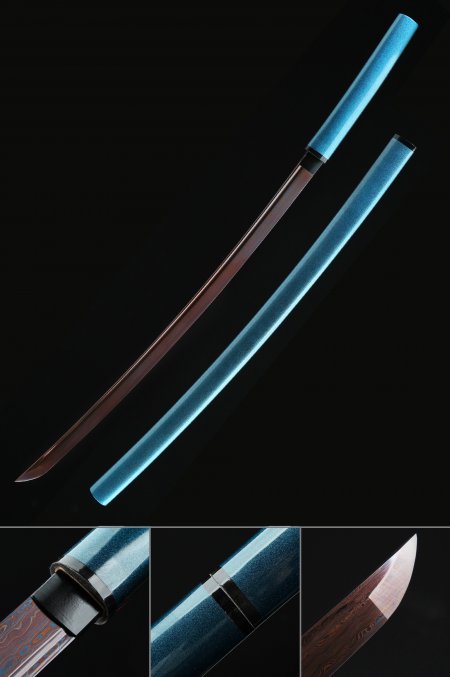
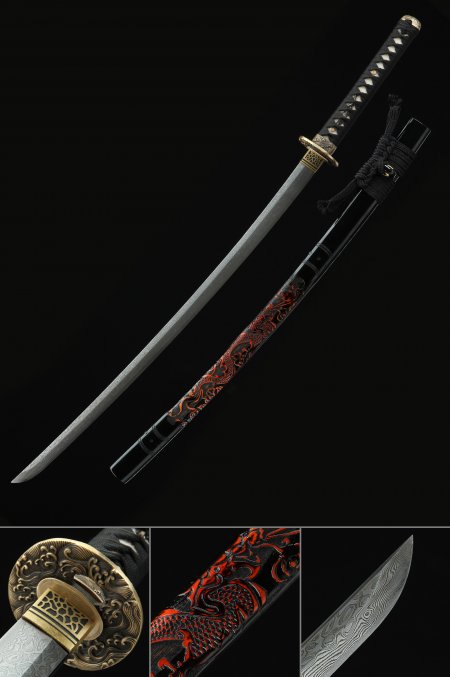
The distinctive visual pattern on a Damascus tanto comes from pattern-welding: two or more steel alloys are forge-welded together, then repeatedly folded, twisted, and drawn out. As the layers compress and flow under heat, they create the characteristic rippling, wavy, or ladder-grain designs visible across the blade surface. No two pattern-welded blades are identical — the grain is a direct record of how that specific billet was manipulated by the smith. On a blue-finish tanto, the contrast between the blue surface treatment and the exposed steel grain becomes even more pronounced, making the layered structure one of the piece’s most celebrated visual features.