What role did the katana play in samurai culture beyond its use as a sword?
Updated Feb 2026
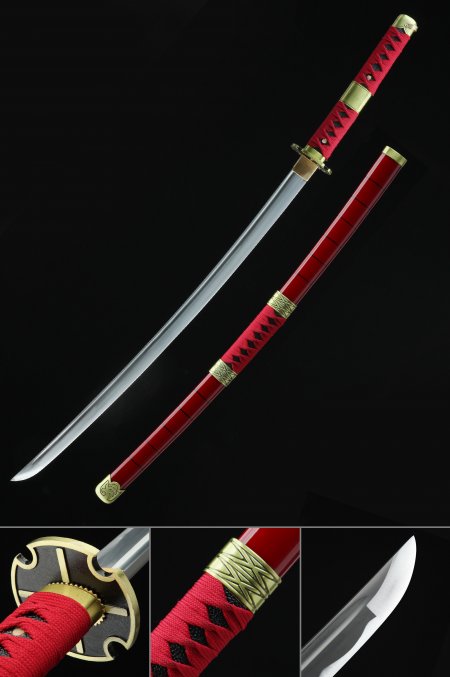
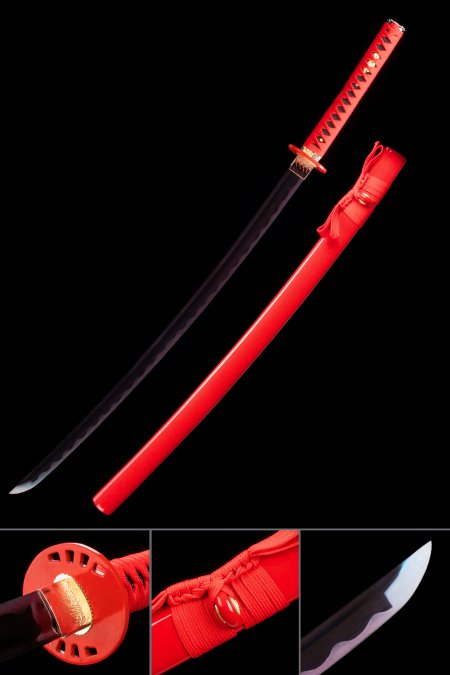
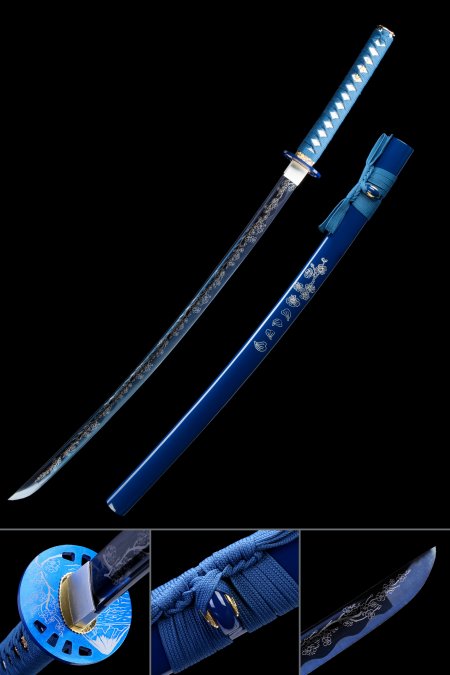
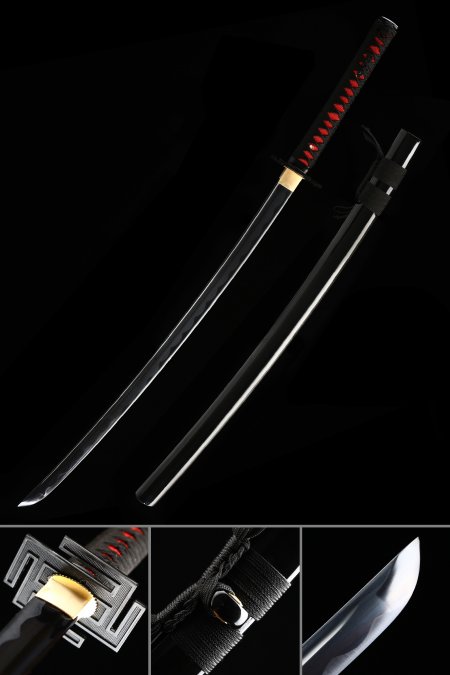
The katana in samurai culture was far more than a sword - it was the physical embodiment of a samurai's identity, social status, and moral commitment. The concept of the sword as the soul of the samurai, tamashii, expressed in Japanese as 'bushi no tamashii', was not metaphorical but a practical philosophical position that shaped how samurai understood their relationship to their swords. A samurai was responsible for the care and condition of his sword in the same way he was responsible for his own moral condition - a neglected sword indicated a neglected character. The two swords of the daisho pairing were the exclusive privilege of the samurai class and were required to be worn whenever a samurai was outside his home. They were not simply weapons but markers of identity that could not be separated from the person who carried them. When the Meiji government banned the wearing of swords in 1876, ending centuries of samurai sword culture, the psychological and social impact on the samurai class was profound - the prohibition removed the physical marker of their identity in a single regulatory action.