How does T10 clay tempering benefit the shirasaya format specifically?
Updated Feb 2026
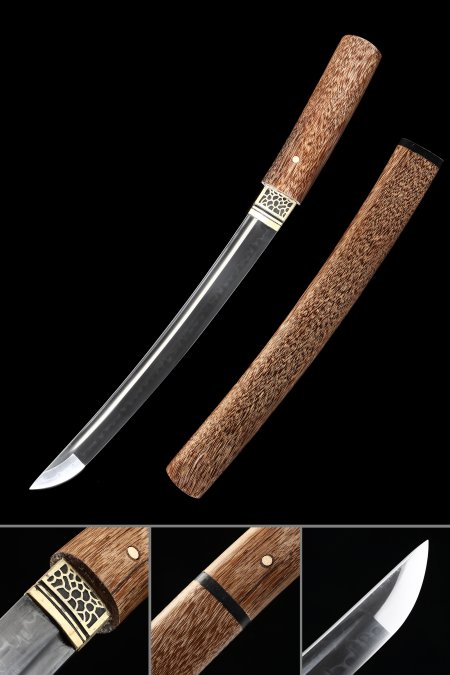
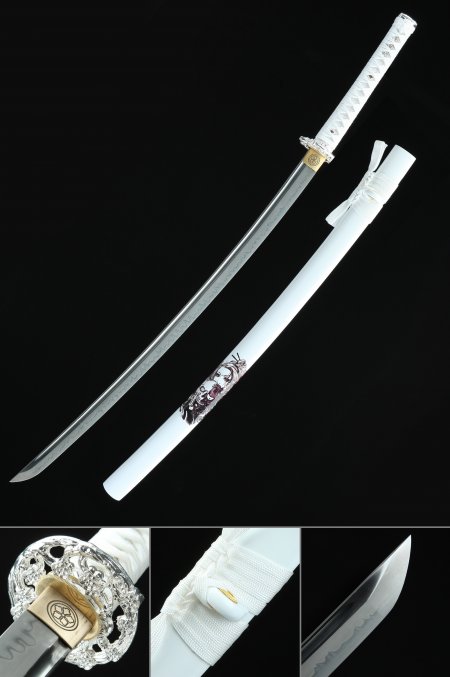
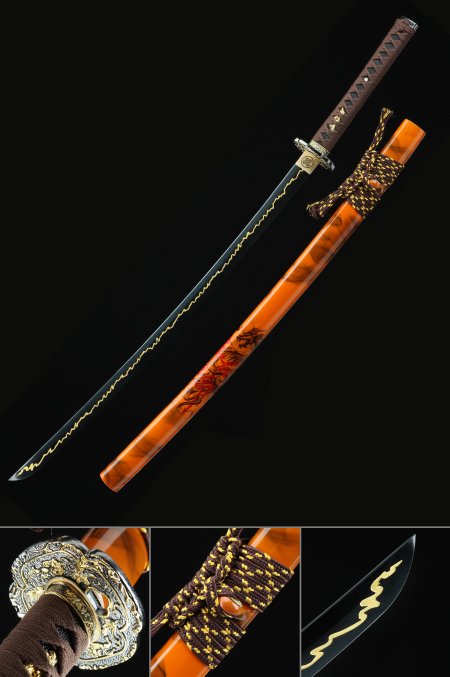
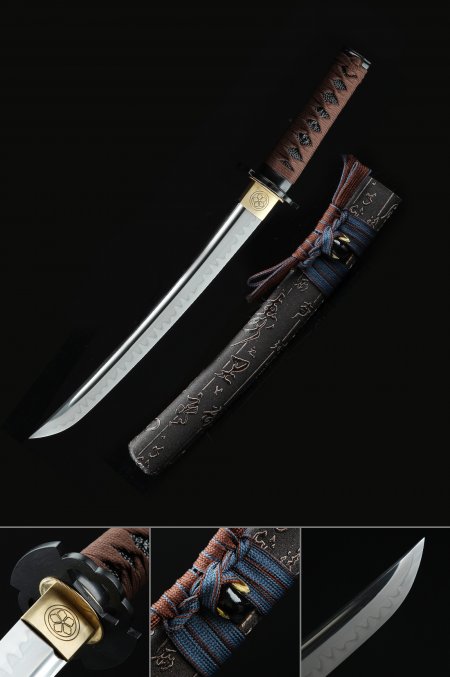
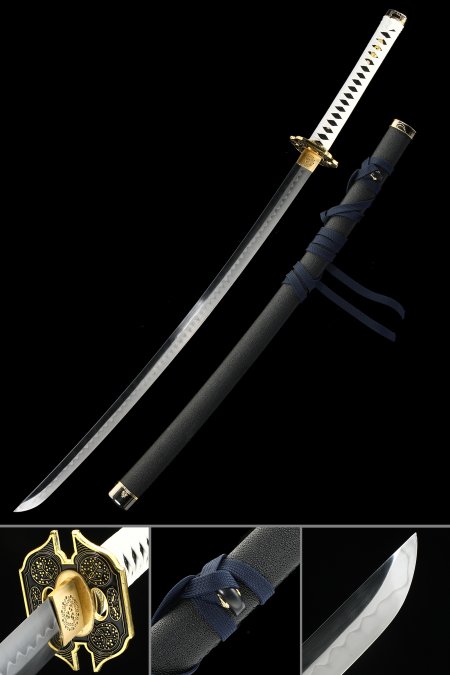
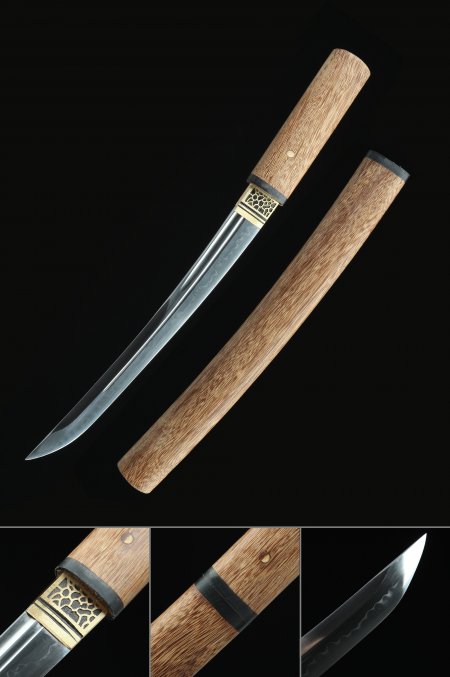
T10 clay tempering benefits the shirasaya format in ways that are not fully available to any other mounting style. The shirasaya's defining characteristic is the absence of a tsuba guard at the junction of blade and handle: the blade emerges directly from the plain wooden handle without the metal disc that otherwise marks the boundary. This means that a T10 clay-tempered blade in shirasaya mounting can display its hamon from habaki collar to kissaki tip without any element crossing the blade at any point - the full hamon is visible without interruption. On a fully mounted katana with tsuba, even though the hamon is visible, the tsuba creates a visual break at the habaki area that interrupts the continuous reading of the temper line from base to tip. In the shirasaya format, the entire blade presents itself as a single unified visual element where the hamon can be traced from end to end without interruption, making the T10 shirasaya the format in which the hamon is most completely appreciated.